
29 July 2026 | News
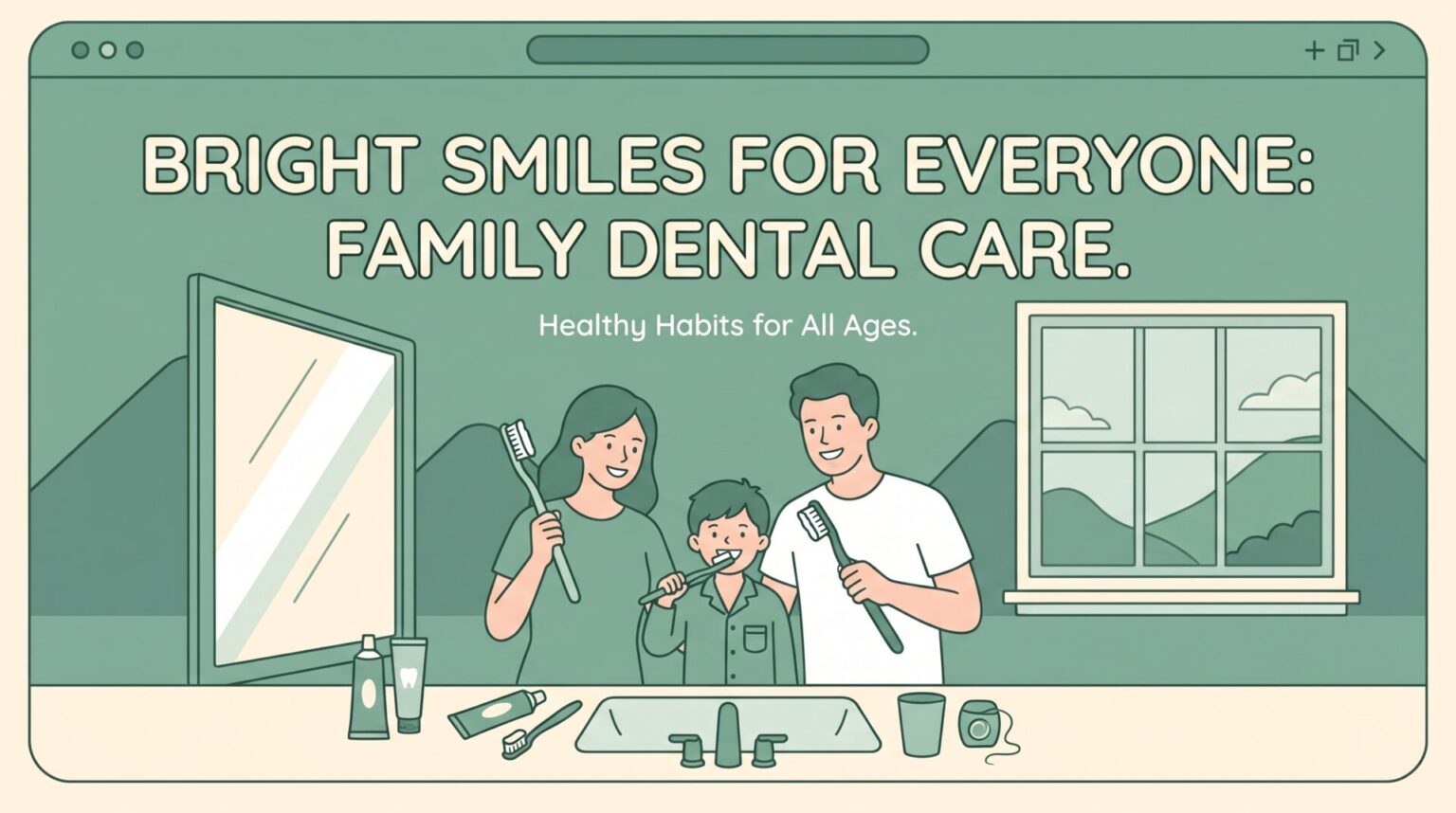
Choosing a dentist for yourself is one thing. Choosing dental care for the whole family means thinking about children, teens, adults, older parents, anxious patients, busy schedules and unexpected toothaches, often all at once.
The right family dental clinic should make oral health easier to manage, not more complicated. It should offer preventive care, clear communication, practical appointment options and a calm experience for every age group. It should also help you understand when a problem can wait, when it needs treatment soon and when it is a true dental emergency.
If you are comparing local dentists, here is what to look for in dental care for the whole family, especially if you want long-term support rather than one-off appointments.
A full range of care for different life stages
Family dentistry is not just “dentistry for kids”. A good family dental clinic understands that oral health needs change over time.
Young children may need gentle first visits, fissure sealants, advice on brushing and guidance around diet. Teenagers may need orthodontic discussions, mouthguards for sport or wisdom teeth monitoring. Adults may need fillings, crowns, whitening, gum care or Invisalign. Older adults may need support with worn teeth, missing teeth, dry mouth, implants, dentures or medical conditions that affect dental treatment.
A clinic does not need to do every possible treatment on-site, but it should be able to assess your needs properly, explain your options and coordinate care when a referral is required.
| Family member | Common dental priorities | What to look for in a clinic |
|---|---|---|
| Young children | First visits, brushing habits, decay prevention, diet advice | Gentle children’s dentistry and a calm, positive approach |
| Teenagers | Orthodontic concerns, sports mouthguards, wisdom teeth, diet | Clear explanations and age-appropriate guidance |
| Adults | Preventive care, fillings, cosmetic concerns, gum health | General and cosmetic dental options with tailored plans |
| Older adults | Tooth wear, missing teeth, implants, medical history | Restorative options and careful treatment planning |
| Anxious patients | Fear of pain, embarrassment, avoidance of visits | Gentle communication, patience and a no-judgement environment |
When one practice can support several stages of life, your family benefits from continuity. The dental team gets to know your history, preferences and risk factors, which can make care more personal and efficient.
A prevention-first approach, not just treatment when something hurts
The best dental care for a family is proactive. It focuses on preventing decay, gum disease, enamel wear and dental emergencies before they become painful or expensive.
Preventive care usually includes regular examinations, professional cleans, X-rays when needed, fluoride advice, oral hygiene coaching and diet guidance. The Australian Dental Association’s public oral health resource also emphasises daily brushing with fluoride toothpaste, cleaning between teeth and reducing sugary foods and drinks as key parts of oral health.
For families, prevention matters because habits are shared. If children see parents prioritising dental visits and daily brushing, those routines become normal. If a dentist explains risks clearly, such as frequent snacking, sports drink use or missed flossing, the whole household can make small changes that reduce future problems.
Professional cleaning is especially important because plaque and tartar can build up even in people who brush well. If gum health is a concern, regular hygienist care may help reduce inflammation in the mouth. East Melbourne Dental Group has written more about how hygienist appointments can support oral and general health, particularly when inflammation is present.
A prevention-focused clinic should not make you feel rushed. It should take time to explain what is happening, show you areas to watch and help you understand what you can do at home.
Children’s dentistry that builds trust early
A child’s first experiences at the dentist can shape how they feel about dental care for years. Look for a practice that treats children with patience, uses simple language and avoids creating fear around routine care.
Good children’s dentistry is not only about checking teeth. It also includes helping parents manage brushing, toothpaste, thumb sucking, dummies, diet, dental development and injury prevention. The appointment should feel calm and encouraging, even if your child is shy or nervous.
Diet is a major part of children’s oral health. Frequent exposure to sugar and acid can increase the risk of decay, especially when children sip soft drinks, juices or sports drinks over time. For a local perspective on this issue, East Melbourne Dental Group has discussed why sugary drinks and juices are a concern for children’s teeth.
A family dentist should also know when to keep things simple. Not every child needs complex treatment. Sometimes the most valuable appointment is one that helps a child feel safe in the chair, teaches better brushing and gives parents confidence.
Gentle care for anxious patients
Dental anxiety is common, and it can affect children and adults. Some people avoid dental care because of a painful past experience. Others feel embarrassed about the condition of their teeth, worry about costs or fear losing control during treatment.
A family-friendly dental clinic should never shame a patient. Instead, it should explain each step, check comfort levels and give patients time to ask questions. Simple things can make a big difference, such as agreeing on a stop signal, explaining sounds before they happen and offering breaks during longer appointments.
If someone in your family is anxious, ask the clinic how they support nervous patients before you book. Their answer will tell you a lot. You want a team that takes anxiety seriously, rather than treating it as an inconvenience.
Emergency care when your family needs help quickly
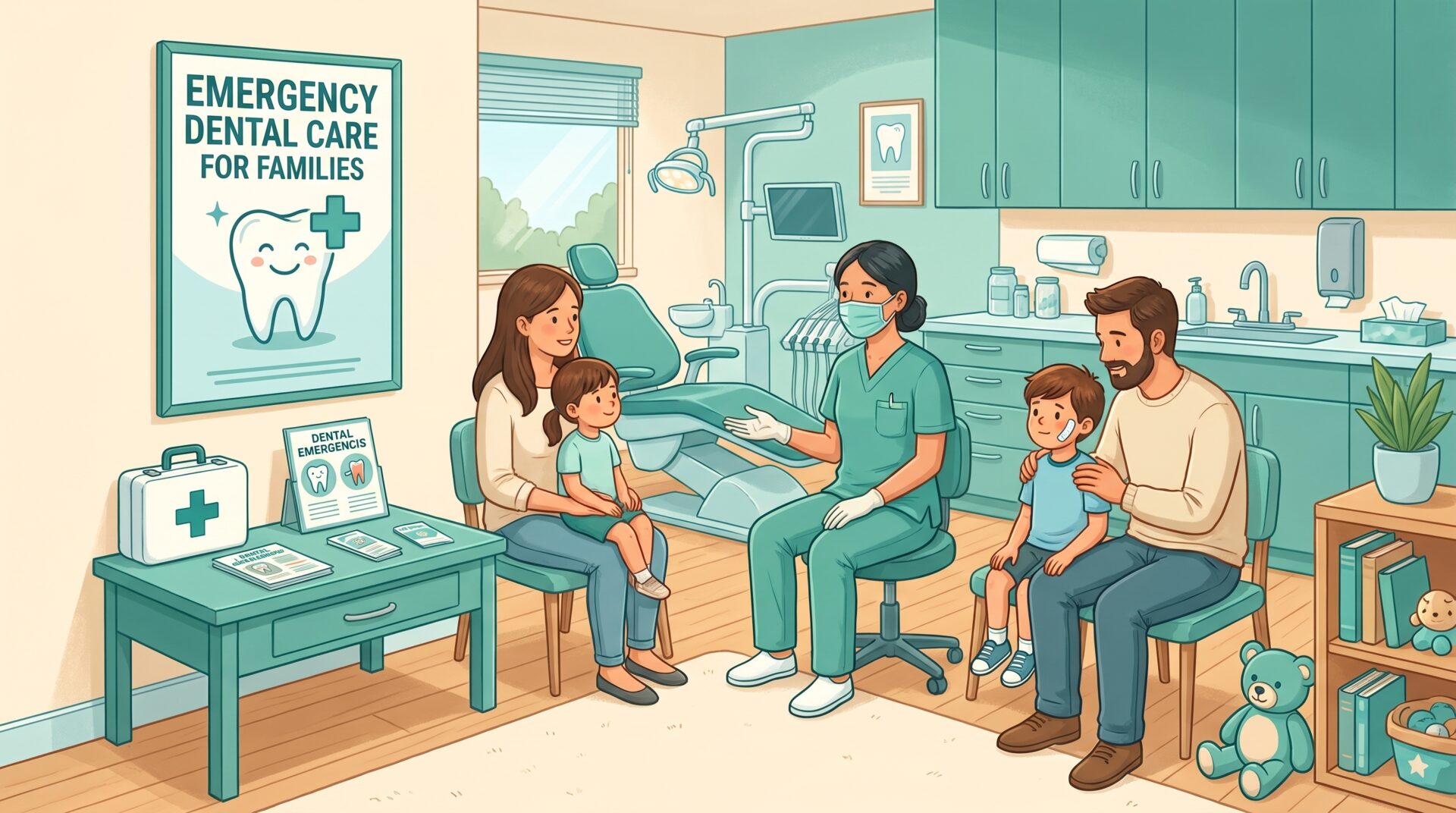
Even with good prevention, dental emergencies can happen. A child may chip a tooth at school. An adult may wake with swelling or severe toothache. A crown may break before an important event. In these moments, it helps to know your family dentist can advise you quickly.
Dental emergencies can include severe pain, facial swelling, trauma, knocked-out teeth, abscesses, uncontrolled bleeding or broken teeth causing pain. If you are unsure whether something is urgent, it is better to call a dentist and describe the symptoms.
East Melbourne Dental Group provides guidance on what may count as a dental emergency and encourages patients to call promptly if they need urgent dental care in East Melbourne.
Clear treatment plans and honest explanations
Family dental care often involves decisions. Should a tooth be monitored or filled? Is whitening appropriate now or later? Does a teenager need orthodontic assessment? Should a damaged tooth have a crown, root canal treatment or extraction?
You do not need to become a dental expert, but you should feel informed enough to make confident decisions. A good dentist will explain the diagnosis, treatment options, risks, likely timeframes and maintenance requirements. They should also be willing to discuss priorities if several issues need attention.
Look for clear communication around:
- What is urgent and what can be monitored
- The reason a treatment is recommended
- Alternative options where appropriate
- Expected appointment length and follow-up needs
- How to care for the area after treatment
- Any risks, limitations or likely future maintenance
A treatment plan should feel personalised. Two patients can have similar dental problems but different goals, budgets, medical histories and comfort levels. Good care takes those differences into account.
Cosmetic and restorative options under one roof
For many families, dental care is not only about pain relief. It is also about confidence, comfort and function. Adults may be interested in teeth whitening before a wedding or job interview. Teens or adults may ask about Invisalign. Someone with a missing tooth may want to understand dental implant options. A patient with a heavily damaged tooth may need root canal treatment or a crown.
A clinic that offers both cosmetic and restorative dentistry can help you balance appearance with long-term oral health. For example, whitening may not be suitable until decay or gum inflammation is addressed. Invisalign may require healthy gums and good brushing habits first. Dental implants require careful assessment, planning and maintenance.
The key is not to choose the clinic that promises the fastest transformation. Choose the one that explains what is appropriate for your mouth, your goals and your long-term health.
Convenience that actually suits family life
For busy households, convenience can be the difference between keeping up with dental care and postponing it indefinitely. Look for a clinic that makes booking straightforward, communicates clearly and can accommodate different family members when possible.
Online booking is helpful because parents often remember appointments after work hours, during school admin or while planning the week. A convenient location also matters, especially if you are juggling school, work, sport and other appointments.
Families should also ask about practical details such as reminders, appointment confirmations, parking or transport access, emergency availability and whether the clinic sees children. If a family member is eligible for DVA dental care, it is worth confirming that before booking.
A clean, professional and welcoming environment
Trust is built through both clinical skill and the overall patient experience. The practice should feel clean, organised and respectful. Staff should be approachable, privacy should be respected and infection control should be taken seriously.
It is reasonable to expect a modern dental clinic to follow strict sterilisation and hygiene protocols. You may not see every behind-the-scenes process, but the practice should be comfortable answering questions about cleanliness and safety.
The atmosphere also matters. A waiting room that feels calm, a reception team that communicates kindly and dentists who listen carefully all contribute to a better experience, especially for children and anxious patients.
Continuity of care and long-term records
One of the biggest advantages of choosing a family dentist is continuity. When the same clinic sees your family over time, it can track changes in tooth wear, gum health, jaw development, restorations and dental habits.
This long-term view helps dentists spot patterns. For example, repeated chipping may suggest grinding. New decay in several family members may point to dietary habits. Gum inflammation over time may indicate the need for more frequent hygiene visits or changes to home care.
Continuity also makes appointments more comfortable. Patients do not need to repeat their entire history every time, and the dental team can adapt care to known preferences, sensitivities and past experiences.
How to compare family dental clinics before booking
Before choosing a clinic, take a few minutes to review its website, services and booking process. You can also call and ask questions. The way a clinic responds before you become a patient often reflects how it will communicate during care.
Here is a simple comparison guide:
| What to check | Why it matters |
|---|---|
| Services offered | Ensures the clinic can support children, adults, emergencies and restorative needs |
| Approach to anxious patients | Helps nervous family members feel safer and more willing to attend |
| Children’s dentistry experience | Builds positive habits and reduces fear from an early age |
| Emergency advice | Gives your family a plan when pain or trauma happens |
| Preventive focus | Reduces the risk of decay, gum disease and complex future treatment |
| Clear treatment planning | Helps you understand options and make informed decisions |
| Convenient booking | Makes routine care easier to maintain |
Reviews can be useful, but do not rely on star ratings alone. Look for comments about communication, gentleness, punctuality, cleanliness and whether patients felt listened to. These details are often more helpful than general praise.
Frequently Asked Questions
How often should a family visit the dentist? Many people benefit from a dental check-up every 6 to 12 months, but the ideal interval depends on decay risk, gum health, medical conditions and past dental history. Your dentist can recommend a schedule for each family member.
At what age should children start seeing a dentist? Children should generally have an early dental visit when their first teeth appear or by around their first birthday. Early visits are usually simple and help parents learn how to care for baby teeth.
What should I do if my child knocks out a tooth? If it is a baby tooth, do not try to put it back in the socket. If it is an adult tooth, call a dentist immediately for advice. Dental trauma is time-sensitive, so prompt care is important.
Is cosmetic dentistry suitable for teenagers? It depends on the treatment, the teen’s dental development and oral health. Some cosmetic treatments may need to wait until growth and tooth development are more stable. A dentist can assess what is appropriate.
How can I help an anxious family member attend the dentist? Choose a clinic known for gentle care, explain the anxiety when booking and ask for a slower appointment if needed. It can also help to agree on a stop signal and start with a simple check-up rather than complex treatment.
Looking for family dental care in East Melbourne?
The right dental care for the whole family should feel calm, practical and personalised. It should help children build confidence, support adults with preventive and restorative care, assist anxious patients gently and be available when urgent problems arise.
East Melbourne Dental Group offers general, cosmetic and restorative dentistry in a welcoming, patient-focused environment, including children’s dentistry, emergency dental care, in-chair whitening, Invisalign, root canal treatment, dental implants and online appointment booking.
If you are looking for a trusted local dentist for your household, you can book with East Melbourne Dental Group and discuss the right care plan for your family’s needs.
Disclaimer
The information provided on this website is for general informational and educational purposes only. It is not intended to replace professional dental advice, diagnosis or treatment. Dental needs and treatment outcomes vary between individuals. Always seek advice from a qualified dental practitioner regarding your specific circumstances before making decisions about your oral health or treatment. A consultation and clinical assessment are required to determine which treatment options may be suitable for you. All dental procedures carry potential risks and benefits, which will be discussed with you before treatment.