
19 August 2026 | Cosmetic Dentistry, Teeth Cleaning, Tooth Decay
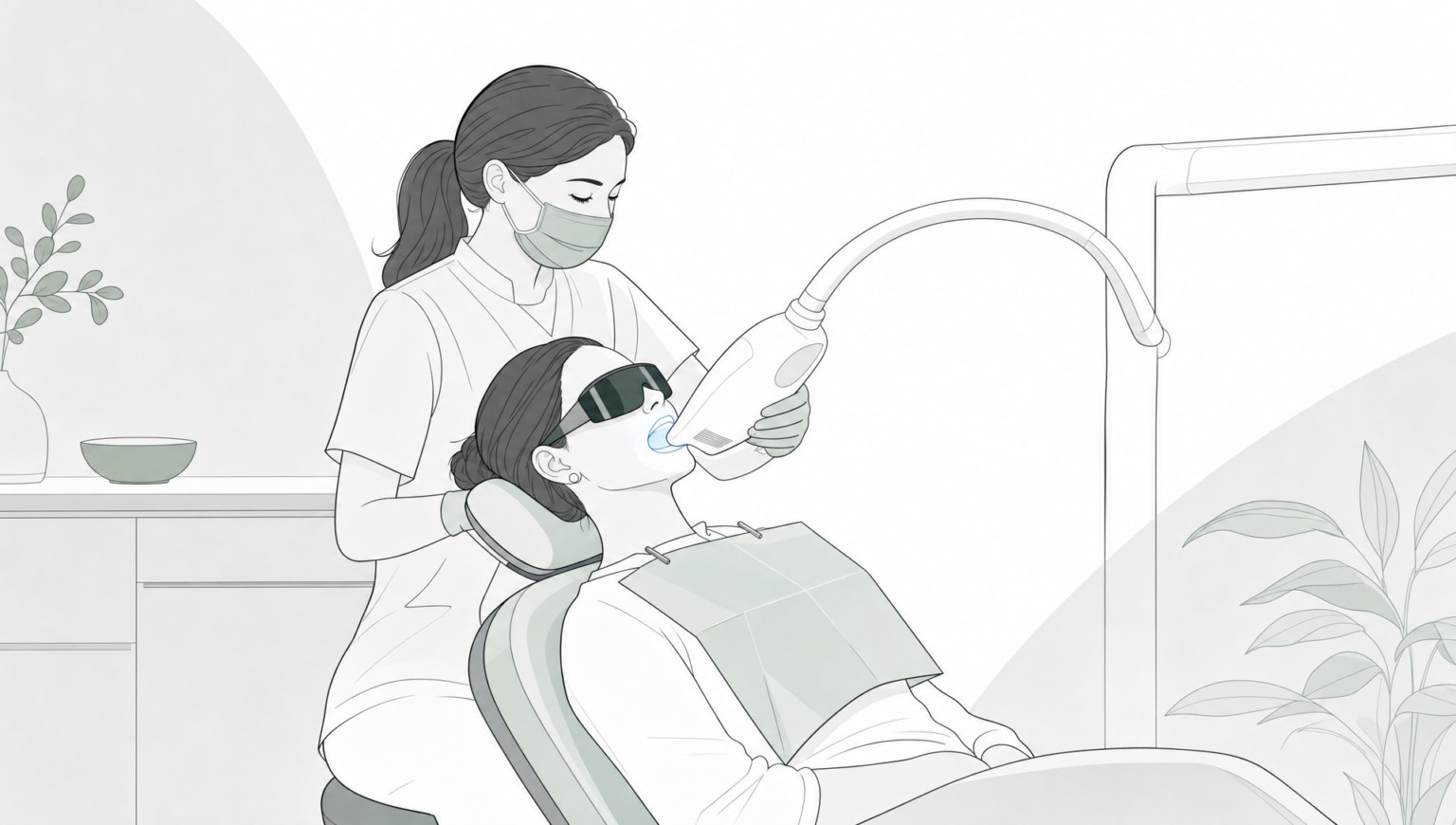
A brighter smile can make a noticeable difference to the way you feel in photos, meetings and everyday conversations. For many people, in-chair teeth whitening is appealing because it is professionally supervised, efficient and designed to produce a visible change in a single dental visit.
It is also a treatment that works best when it is understood properly. Teeth whitening is not just a gel placed on teeth. A safe and predictable result depends on oral health, the type of staining, the condition of existing fillings or crowns, and how your teeth respond during treatment.
If you have been wondering how in-chair teeth whitening works, what happens during the appointment and whether it is right for your smile, this guide explains the process in clear, practical terms.
What is in-chair teeth whitening?
In-chair teeth whitening is a professional whitening treatment carried out at a dental clinic. It is sometimes called chairside whitening because the active part of the treatment happens while you are seated in the dental chair.
The dentist or dental professional applies a whitening gel to the teeth after protecting the lips, cheeks and gums. The gel contains a peroxide-based whitening agent that moves into the enamel and dentine, where it helps break down coloured stain molecules into smaller, less visible particles.
Depending on the whitening system used, the gel may be applied in several cycles. Some systems use a light as part of the process, while others rely on the chemistry of the gel itself. The exact method can vary, but the goal is the same: to lighten natural tooth structure while protecting the surrounding soft tissues.
In-chair whitening is different from a dental clean. A professional clean removes plaque, calculus and surface stain from the outside of the teeth. Whitening works within the tooth structure to change the perceived shade of natural enamel and dentine.
What types of stains respond best?
Whitening tends to work best on stains caused by ageing and common lifestyle factors such as coffee, tea, red wine, smoking, highly coloured foods and general surface discolouration. Yellow and light brown tones often respond more predictably than grey tones.
Some discolouration is more complex. Staining linked to certain medications, trauma, developmental enamel changes or old dental work may not whiten evenly. This is one reason a dental assessment matters before treatment.
It is also important to know that whitening gel only changes the colour of natural tooth structure. It does not whiten porcelain veneers, crowns, bridges, composite bonding or tooth-coloured fillings. If you have visible restorations at the front of your smile, your dentist may discuss how whitening could affect the overall shade match.
What happens before the whitening appointment?
A good whitening result starts before the gel is applied. Your dentist will usually check your teeth and gums first to confirm that whitening is appropriate. This may include looking for tooth decay, gum inflammation, cracks, exposed roots, enamel wear, leaking fillings and signs of sensitivity.
If your teeth have heavy surface staining or calculus, a clean may be recommended before whitening. This helps the whitening gel contact the teeth more evenly and allows the dentist to assess the true starting shade.
Your dentist may also take a shade record or photos, discuss the shade change you are hoping for and explain what is realistic. Whitening can brighten a smile, but it should still look natural. The aim is not an artificial white result, but a fresher shade that suits your teeth, skin tone and smile.
If your search started with in chair teeth whitening near me, look for a clinic that does more than offer a quick appointment. The best first step is a proper oral health check and a clear explanation of your options, especially if you have existing dental work, sensitivity or an important event coming up.
How the in-chair whitening process works
Although protocols vary between whitening systems, most in-chair whitening appointments follow a similar clinical structure. Your dental team will guide you through each stage and monitor your comfort throughout the visit.
| Stage | What usually happens | Why it matters |
|---|---|---|
| Pre-treatment check | The teeth and gums are reviewed, and the starting shade may be recorded. | Confirms suitability and provides a reference point for the result. |
| Soft tissue protection | Retractors, barriers or protective materials are used around the lips, cheeks and gums. | Helps prevent irritation from the whitening gel. |
| Whitening gel application | A professional whitening gel is placed on the visible surfaces of the teeth. | Allows the active ingredient to penetrate tooth structure and break down stains. |
| Whitening cycles | The gel may remain in place for set periods and may be refreshed in cycles. | Gives the treatment time to work while the dental team monitors response. |
| Rinse and reassess | The gel is removed, the teeth are rinsed and the shade is reviewed. | Helps assess the immediate result and comfort level. |
| Aftercare advice | You receive guidance on sensitivity, eating, drinking and maintaining the result. | Supports comfort and helps protect the new shade. |
Many appointments take around 60 to 90 minutes, although this depends on the system used, whether any preparation is needed and how your teeth respond. A separate consultation may be needed before treatment, particularly if you have not seen the dentist recently.
What does in-chair whitening feel like?
Most people find in-chair whitening manageable. You will need to keep your mouth open with the help of cheek retractors, which can feel a little dry or stretched. If a light is used, you may notice warmth, but the dental team should check that you remain comfortable.
Temporary tooth sensitivity is the most common side effect. Some people describe brief zaps or tingles during or after whitening. This usually settles, but it is more likely if you already have sensitive teeth, gum recession, enamel wear or exposed dentine.
Your dentist may suggest desensitising products, spacing treatment appropriately or choosing a different whitening approach if sensitivity is a concern. It is always worth mentioning past sensitivity before the appointment.
In-chair whitening compared with other options
Professional whitening can be delivered in different ways. In-chair whitening is the fastest option, but it is not always the only option. Take-home whitening trays, combination whitening and maintenance touch-ups may also be discussed depending on your goals.
If you are comparing treatment options, it can also help to understand what affects teeth whitening prices at the dentist, since cost can vary with the type of whitening, the condition of your teeth and whether additional dental care is needed first.
| Whitening option | Best suited to | Main advantage | Key limitation |
|---|---|---|---|
| In-chair whitening | People wanting a faster result under professional supervision. | Visible change can often be achieved in one appointment. | Sensitivity can occur, and results vary by tooth type and stain type. |
| Dentist-prescribed take-home trays | People who prefer gradual whitening at home with custom trays. | More control over pace and often useful for maintenance. | Requires consistent use over days or weeks. |
| Combination whitening | People seeking an in-clinic boost with at-home maintenance. | Can combine speed with longer-term shade control. | Requires commitment to both stages. |
| Over-the-counter strips or pens | People with mild surface staining and low expectations. | Easy to access. | Less personalised and may not suit dental concerns or restorations. |
Why professional supervision matters
Whitening may look simple, but the safety and finish depend heavily on preparation and technique. Cosmetic results often appear to be about the final surface, but they are shaped by what happens first. The same principle applies in appearance focused fields such as professional painting work, where preparation, controlled application and the right materials influence the visible outcome.
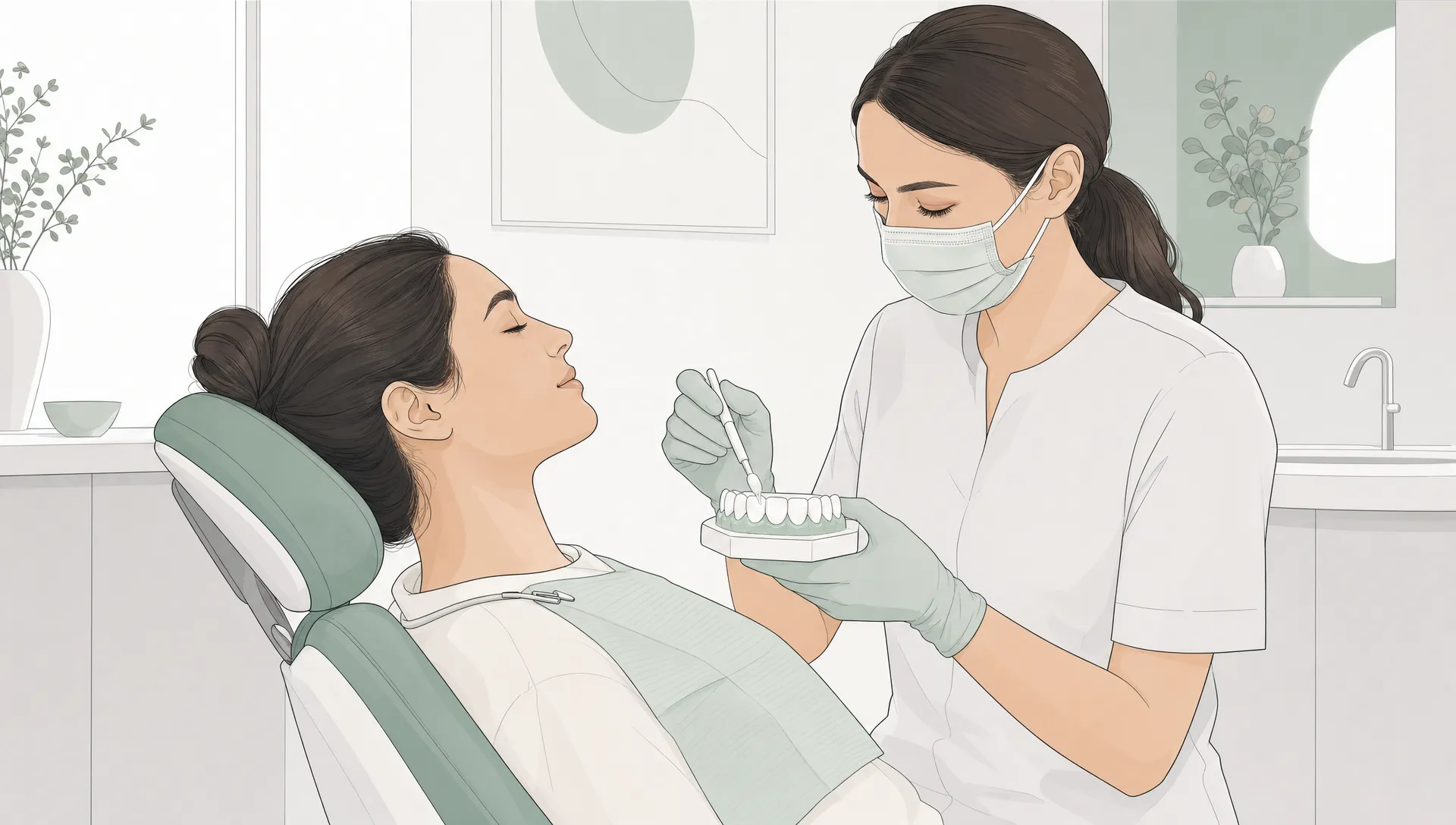
In dentistry, preparation means checking that the teeth are healthy enough to whiten, protecting the gums, selecting an appropriate whitening method and monitoring sensitivity. Whitening over untreated decay, cracked enamel or inflamed gums can increase discomfort and may make an underlying problem worse.
Professional supervision is also valuable because not every colour concern is a whitening concern. A single dark tooth, patchy enamel, white spots, internal discolouration or a mismatched old filling may need a different plan. A dentist can explain whether whitening alone is likely to help or whether another cosmetic or restorative option would be more suitable.
How to prepare for in-chair teeth whitening
Preparation is usually straightforward, but a few steps can improve comfort and reduce surprises.
- Book a dental check first if you have not had one recently.
- Tell your dentist if you have sensitive teeth, gum recession or a history of whitening discomfort.
- Ask whether a professional clean is recommended before whitening.
- Mention any veneers, crowns, bonding or visible fillings.
- Allow time before major events so the shade can settle and any sensitivity can resolve.
- Follow any pre-treatment advice given by your dental team.
If you are whitening for a wedding, graduation, professional photos or another important occasion, do not leave it until the last moment. Teeth can look slightly dehydrated immediately after whitening and then settle over the following days. Planning ahead gives you a more realistic view of the final shade.
What to do after in-chair whitening
After whitening, your teeth may be more porous to stain for a short period, and sensitivity may be more noticeable. Your dentist will give advice specific to the whitening system used, but general aftercare often focuses on reducing stain exposure and supporting comfort.
For the first 24 to 48 hours, it is usually sensible to limit strongly coloured foods and drinks such as coffee, tea, red wine, cola, curries and dark sauces. If you do drink coffee or tea, using a straw is not always practical for hot drinks, so rinsing with water afterwards may help reduce contact time.
Smoking or vaping can also contribute to rapid restaining, so avoiding tobacco is helpful for both whitening results and general oral health. If your teeth feel sensitive, your dentist may recommend a desensitising toothpaste or other measures. Avoid overusing whitening products in response to sensitivity, as more whitening is not always better.
How long do results last?
Whitening is not permanent, because teeth continue to be exposed to food, drinks and natural ageing. The longevity of your result depends on your enamel, diet, oral hygiene, smoking status and whether you use professionally recommended maintenance.
Many people maintain a brighter smile with regular dental cleans and occasional top-up whitening if appropriate. The frequency should be guided by your dentist. Re-whitening too often or without advice can increase sensitivity and may not improve the result.
The most stable whitening outcomes usually come from realistic expectations and good maintenance. This includes brushing effectively, cleaning between the teeth, attending regular dental visits and managing stain-heavy habits where possible.
When whitening alone may not be enough
In-chair whitening is excellent for many types of general discolouration, but it cannot change tooth shape, alignment, size or the colour of existing porcelain and composite materials. If your concerns include chipped edges, uneven tooth proportions, crowding, old restorations or gaps, whitening may be one part of a broader cosmetic plan.
For example, some people whiten first so that future bonding, veneers or crowns can be matched to a brighter natural shade. Others may need alignment treatment before whitening to achieve a more balanced smile. If you are thinking beyond shade alone, it may be useful to learn how dental makeovers are planned for natural-looking results.
A careful cosmetic plan should always consider oral health, bite function, facial proportions and long-term maintenance. The best-looking result is usually the one that still looks like you.
Is in-chair whitening right for you?
You may be a good candidate if your teeth and gums are healthy, your staining is likely to respond well, and you want a faster whitening option under professional supervision. You may need a different plan if you have active decay, gum disease, severe sensitivity, extensive visible restorations or complex internal discolouration.
The simplest way to know is to have a consultation. A dentist can assess your teeth, explain likely results and help you compare in-chair whitening with take-home whitening or other cosmetic options.
Frequently Asked Questions
How long does in-chair teeth whitening take? Many in-chair whitening appointments take around 60 to 90 minutes, although the total time depends on the whitening system, your starting shade and whether a separate assessment or clean is needed first.
Is in-chair teeth whitening safe? In-chair whitening is generally considered safe when performed by a qualified dental professional after an oral health assessment. The dentist can protect the gums, monitor sensitivity and check that whitening is suitable for your teeth.
Will in-chair whitening hurt? Most people do not describe it as painful, but temporary sensitivity is common. If you already have sensitive teeth, tell your dentist before treatment so they can discuss ways to reduce discomfort.
How many shades whiter will my teeth get? This varies from person to person. Results depend on your natural tooth colour, enamel, type of staining and how your teeth respond to the gel. A dentist can give you a realistic expectation, but exact shade changes cannot be guaranteed.
Can whitening change the colour of crowns or veneers? No. Whitening gel only lightens natural tooth structure. Crowns, veneers, bridges, bonding and fillings will not whiten, so your dentist may need to plan around them if they are visible when you smile.
Should I choose in-chair whitening or take-home whitening? In-chair whitening may suit you if you want a faster result. Take-home whitening may suit you if you prefer gradual whitening or want a maintenance option. Some people benefit from a combination, depending on their goals and sensitivity.
Considering in-chair teeth whitening in East Melbourne?
If you would like a brighter smile, start with a professional assessment rather than guessing which product or method is right for you. East Melbourne Dental Group offers teeth whitening treatments along with general, cosmetic and family dentistry, including veneers, crowns, Invisalign consultations and dental implants.
Free cosmetic consultations are available, and payment plans are available for suitable treatments. To discuss your smile goals and find out whether in-chair whitening is appropriate, you can book a consultation with East Melbourne Dental Group.
Disclaimer
The information provided on this website is for general informational and educational purposes only. It is not intended to replace professional dental advice, diagnosis or treatment. Dental needs and treatment outcomes vary between individuals. Always seek advice from a qualified dental practitioner regarding your specific circumstances before making decisions about your oral health or treatment. A consultation and clinical assessment are required to determine which treatment options may be suitable for you. All dental procedures carry potential risks and benefits, which will be discussed with you before treatment.