
23 August 2026 | Dental Technology, General Dentistry, Preventative Dentistry
For many people, the hardest part of a dental check-up is not the examination itself. It is the anticipation: the sounds, the feeling of not knowing what will happen next, the memory of a past uncomfortable visit, or the worry that a small concern might become a bigger treatment plan.
Modern dentists approach check-ups very differently from the old stereotype of rushed, clinical appointments. Comfort is now built into the way a visit is planned, explained and delivered. That includes calmer communication, gentler cleaning methods, digital tools that improve visibility and a more personalised approach for anxious patients, children and people with sensitive teeth.
A comfortable check-up does not mean avoiding thorough care. It means making preventive dentistry easier to attend regularly, because regular visits help dentists identify small issues before they become painful, complex or expensive.
Comfort starts before you sit in the chair
A modern dental check-up begins before the dentist looks inside your mouth. Your health history, medications, previous dental experiences, sensitivity, jaw concerns and anxiety triggers all matter. When a dental team understands these details, they can pace the appointment more thoughtfully.
Some patients prefer a detailed explanation before each step. Others feel more relaxed with less commentary and more breaks. Some need extra time because of gag reflex, neck discomfort, dental anxiety or a strong reaction to certain sounds. A patient-centred check-up allows these preferences to be discussed rather than ignored.
If you have not visited for some time, knowing the typical appointment flow can also reduce uncertainty. East Melbourne Dental Group has a helpful guide to what happens at a general dentist appointment if you want a clear preview before booking.
Clear communication reduces the fear of the unknown
One of the most effective comfort tools is not a device at all. It is communication. Modern dentists often use a “tell, show, do” approach, especially with children or nervous adults. They explain what they are about to do, show the instrument or image if helpful, then proceed only when the patient is ready.
This matters because many people feel anxious when they cannot see what is happening. A dentist who explains the purpose of an examination, why a tooth is being checked, or what a cleaning instrument is doing can make the appointment feel more collaborative.
Good communication also includes consent. You can ask for a pause signal, such as raising your hand, before treatment begins. You can request breaks. You can ask for a sensitive area to be approached slowly. These small agreements help patients feel in control during a situation where they may otherwise feel vulnerable.
Digital tools make examinations easier to understand
Modern dentists use digital technology to make check-ups more precise and easier for patients to follow. Not every tool is needed at every visit, but the right technology can reduce guesswork and improve comfort.
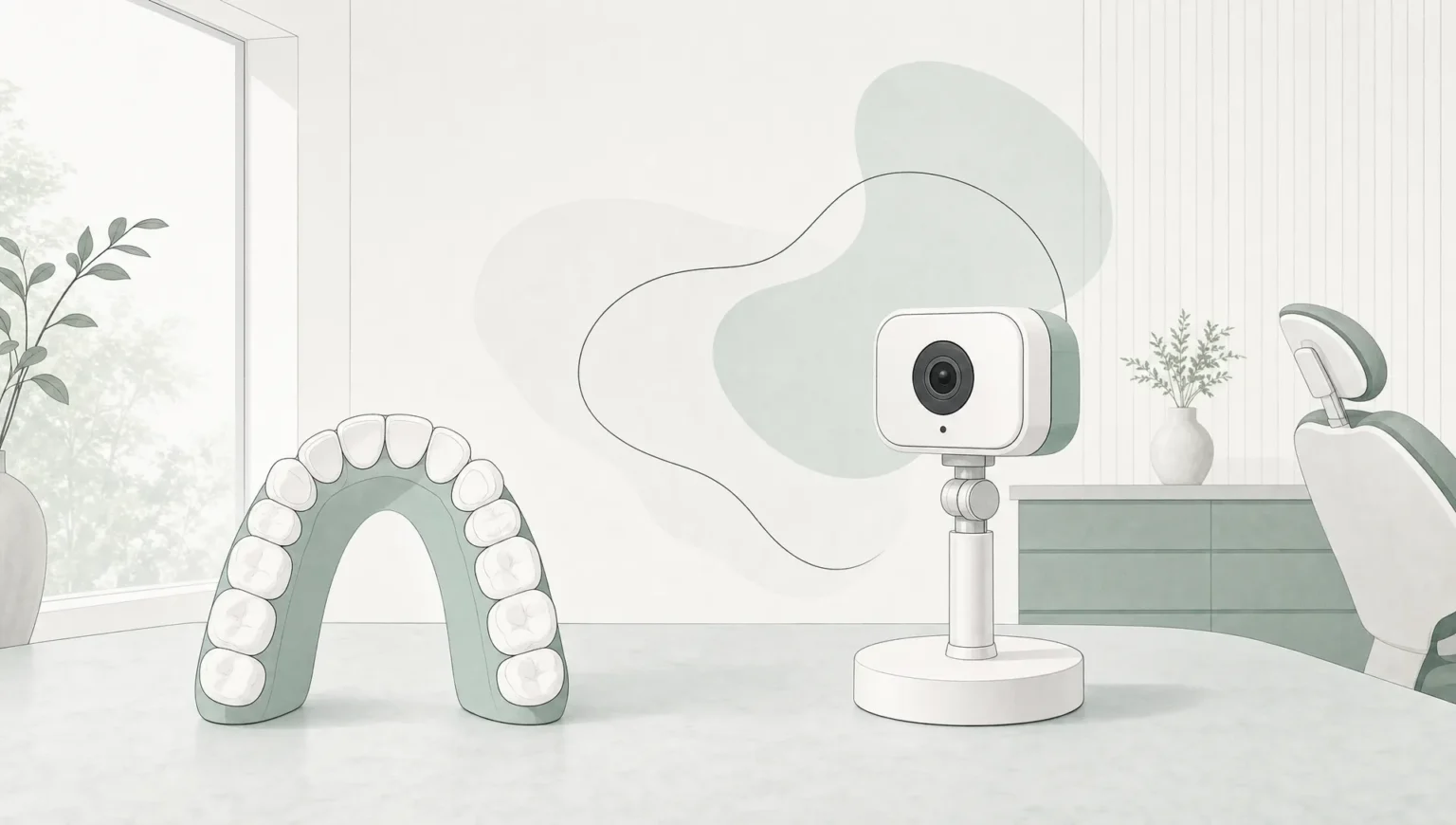
Intraoral cameras are a good example. These small cameras can capture close-up images of teeth, fillings, cracks, plaque build-up or gum changes. Instead of being told that a problem exists, you may be able to see it on a screen and understand why monitoring or treatment is recommended.
Digital X-rays may be used when clinically appropriate, such as checking between teeth, under existing restorations, around roots, or near wisdom teeth. They can help detect issues that are not visible during a standard visual examination. X-rays are not automatically required at every check-up, and your dentist should explain why they are recommended for your situation.
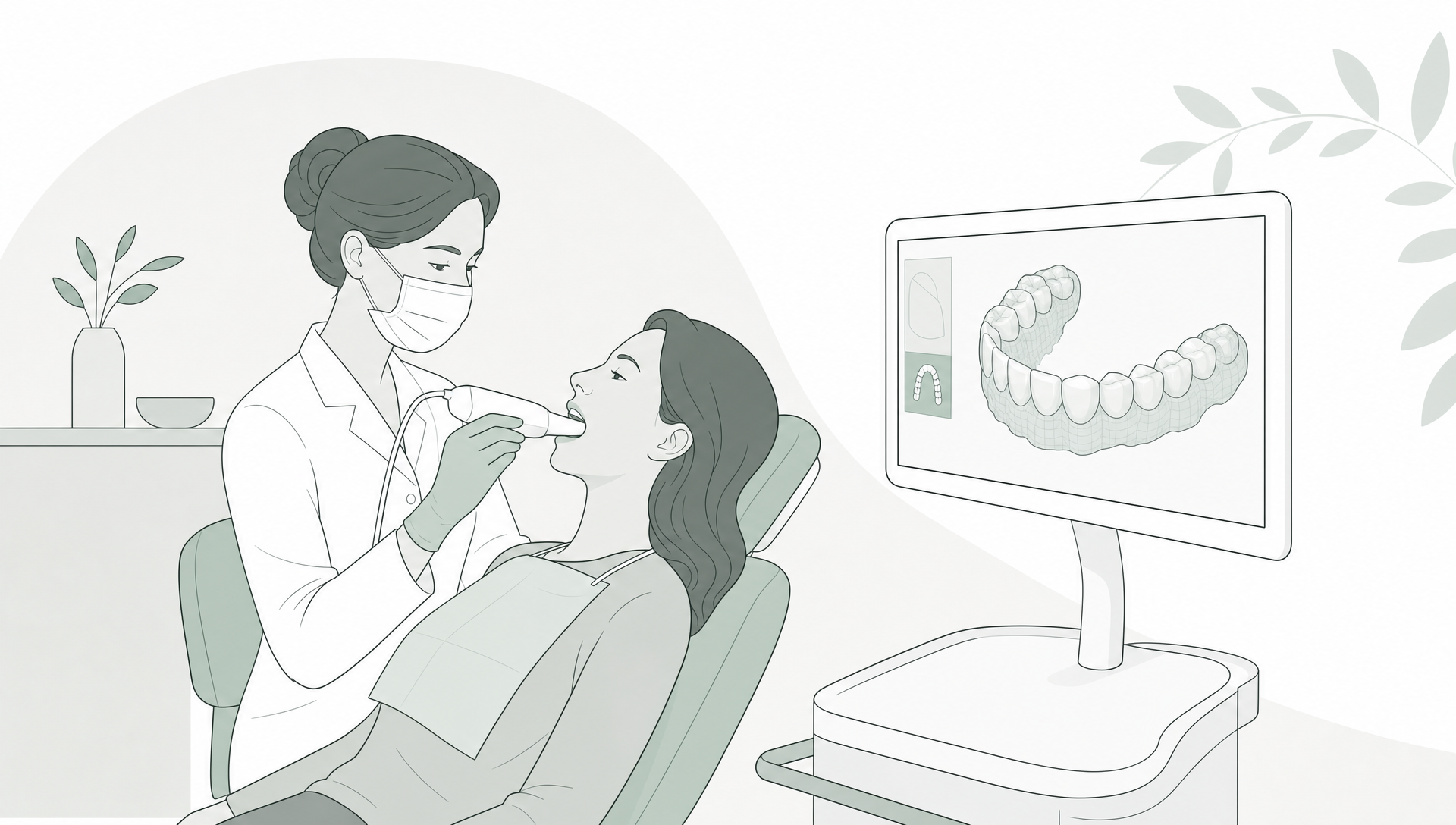
Some practices also use digital scanning to record tooth shape, bite relationships or changes over time. For patients who dislike traditional impressions, scanning can feel more comfortable than having impression material in the mouth. It can also support planning for treatments such as Invisalign, crowns, veneers or dental implants.
Gentler cleaning methods support preventive care
A professional clean is often the part of a check-up that patients worry about most, especially if they have sensitive teeth or gums. Modern cleaning is designed to remove plaque and calculus while adapting to the patient’s comfort level.
Plaque is the soft bacterial film that forms on teeth each day. If it hardens into calculus, it cannot be removed properly with brushing and flossing alone. A helpful overview of check-up and cleans explains why professional cleaning is part of maintaining good oral hygiene, especially when calculus has built up around the gumline.
Dentists and hygienists may use ultrasonic scalers, fine hand instruments, polishing pastes and preventive treatments such as fluoride where suitable. Ultrasonic scalers use vibration and water to help remove hard deposits. Hand instruments allow careful detailing in delicate areas. The choice of tool depends on gum health, calculus build-up, sensitivity and patient tolerance.
If cleaning usually feels uncomfortable, tell the dental team before they begin. They may be able to adjust water temperature, use lighter pressure, avoid lingering on sensitive areas, offer short breaks or discuss desensitising options.
| Check-up concern | What modern dentists may use | How it can help |
|---|---|---|
| Fear of surprises | Step-by-step explanations and pause signals | Helps patients feel informed and in control |
| Sensitive teeth | Adjusted cleaning technique and desensitising advice | Reduces sharp sensations during and after cleaning |
| Unclear diagnosis | Intraoral photos or digital X-rays when appropriate | Makes findings easier to see and understand |
| Gag reflex | Careful positioning, pacing and smaller instruments where possible | Makes the appointment feel more manageable |
| Dental anxiety | Longer appointments, breaks, comfort planning or sleep dentistry discussions | Supports patients who find routine care stressful |
| Worry about future treatment | Clear options, staged planning and payment discussions | Reduces pressure when treatment is recommended |
Pain control is more precise and more personalised
A routine check-up and clean usually does not require local anaesthetic. Even so, modern dentists have several ways to manage discomfort if a patient has gum tenderness, exposed root surfaces, tooth sensitivity or anxiety about pain.
Topical numbing gel may be used for certain procedures. Local anaesthetic can be discussed if deeper cleaning or restorative care is needed. For patients who feel faint, tense or panicked in the chair, the conversation may also include anxiety management techniques or sleep dentistry options.
The most important point is that discomfort should not be treated as something you simply have to tolerate. If you have had a painful dental visit in the past, say so early. A dentist can only adapt the appointment when they know what has been difficult for you before.
For patients who feel nervous before even booking, East Melbourne Dental Group has more detailed guidance on comfort dentistry for nervous patients in Melbourne, including practical ways to make visits feel more manageable.
Modern dentists pay attention to the whole environment
Comfort is affected by more than instruments. Lighting, chair position, appointment timing, noise, temperature and the pace of the visit all influence how a patient feels.
A calmer check-up might include adjusting the chair more slowly, allowing the patient to sit upright between stages, checking jaw comfort, offering protective eyewear, using suction carefully to reduce water pooling, or giving the patient time to rinse. These details may seem small, but they can make a significant difference for people who feel vulnerable during dental treatment.
For children, comfort often comes from predictability and reassurance. A modern family dental approach avoids turning the appointment into a frightening experience. The dentist may introduce instruments gradually, use age-appropriate language and focus on building trust over time. Positive early visits can shape how children feel about dental care for years.
Check-ups are becoming more preventive, not just reactive
In the past, many people only saw a dentist when something hurt. Modern dentistry places more emphasis on prevention and early intervention. That shift itself can make dental visits more comfortable, because small problems are usually easier to manage than emergencies.
A preventive check-up may include assessing teeth, gums, existing fillings, bite wear, jaw function, oral hygiene, soft tissues and risk factors such as dry mouth or tooth grinding. If your dentist notices early enamel wear, gum inflammation or a small area of decay, the first recommendation may be monitoring, home care changes, fluoride, dietary advice or a minor treatment rather than waiting until pain develops.
This approach also supports cosmetic and restorative planning. Teeth whitening, veneers, crowns, Invisalign or dental implants are more predictable when the underlying teeth and gums are healthy first. A comfortable check-up gives the dentist a chance to understand your oral health before discussing any elective treatment goals.
How to make your next check-up more comfortable
Even the best tools work better when your dentist knows what you need. Before your next appointment, consider sharing anything that might affect your comfort.
- Tell the clinic if you are anxious, have a strong gag reflex or have had a difficult dental experience before.
- Ask whether you can use a hand signal when you need a break.
- Mention sensitive teeth, bleeding gums, jaw pain or discomfort when lying back.
- Bring a list of medications and relevant medical conditions.
- Ask your dentist to explain findings with photos or X-rays if that helps you understand recommendations.
- If cost worries you, ask about staged treatment planning or available payment options before making decisions.
You do not need to apologise for needing extra reassurance. Modern dentists are used to adapting care for different personalities, comfort levels and health needs.
Frequently Asked Questions
Do modern dentists make check-ups less painful? Modern dentists use gentler techniques, better communication and more personalised pacing to reduce discomfort. If you have sensitive teeth or gums, tell your dentist before the clean starts so they can adapt the appointment.
Will I need X-rays at every dental check-up? Not always. X-rays are recommended based on your oral health, symptoms, dental history and risk factors. Your dentist should explain why an X-ray is or is not needed.
What if I feel anxious during a check-up? Ask for a pause signal, request explanations before each step and tell the dentist what has made past visits difficult. For stronger dental anxiety, comfort dentistry or sleep dentistry options may be worth discussing.
Are ultrasonic cleaners safe for sensitive teeth? Ultrasonic scalers are commonly used for professional cleaning, but sensitivity varies. Your dental clinician can adjust technique, pressure and timing or use hand instruments in areas that need a gentler approach.
How often should I book a dental check-up? The right interval depends on your oral health, gum condition, decay risk, medical history and home care. Many people attend regularly for prevention, but your dentist can recommend a schedule suited to your needs.
A calmer check-up begins with the right dental team
Comfortable dentistry is not about one piece of equipment. It is the combination of clear communication, careful technique, modern diagnostic tools and a team that listens before starting.
If you have been delaying a check-up because of sensitivity, anxiety or uncertainty, East Melbourne Dental Group can help you take the next step with general dental care in a calm, professional setting. The practice also offers cosmetic and restorative options, including Invisalign consultations, teeth whitening, veneers, crowns and dental implants, with payment plans available for suitable treatment plans.
To organise your next visit, contact East Melbourne Dental Group and let the team know what would help you feel more comfortable at your appointment.
Disclaimer
The information provided on this website is for general informational and educational purposes only. It is not intended to replace professional dental advice, diagnosis or treatment. Dental needs and treatment outcomes vary between individuals. Always seek advice from a qualified dental practitioner regarding your specific circumstances before making decisions about your oral health or treatment. A consultation and clinical assessment are required to determine which treatment options may be suitable for you. All dental procedures carry potential risks and benefits, which will be discussed with you before treatment.