15 September 2026 | Dental Fees & Financing, General Dentistry, Preventative Dentistry
A dental checkup price can cover several clinical steps, not just a quick look inside your mouth. For many patients, the confusion comes from not knowing whether the fee includes an examination only, a scale and clean, X-rays, fluoride or a written treatment plan. Understanding those inclusions helps you compare fees more fairly and avoid surprises at the front desk.
A dental check-up is primarily a preventive appointment. The aim is to detect small problems before they become painful, expensive or harder to treat. In Australia, dentists generally use itemised fees rather than one universal national price, so two appointments that sound similar may include different services.
What a dental checkup price usually includes
A fair dental checkup price should reflect the time, skill, equipment and clinical judgement involved in assessing your oral health. The exact inclusions vary by clinic and by your needs, but a routine appointment commonly combines an oral examination with preventive advice and, in many cases, professional cleaning.
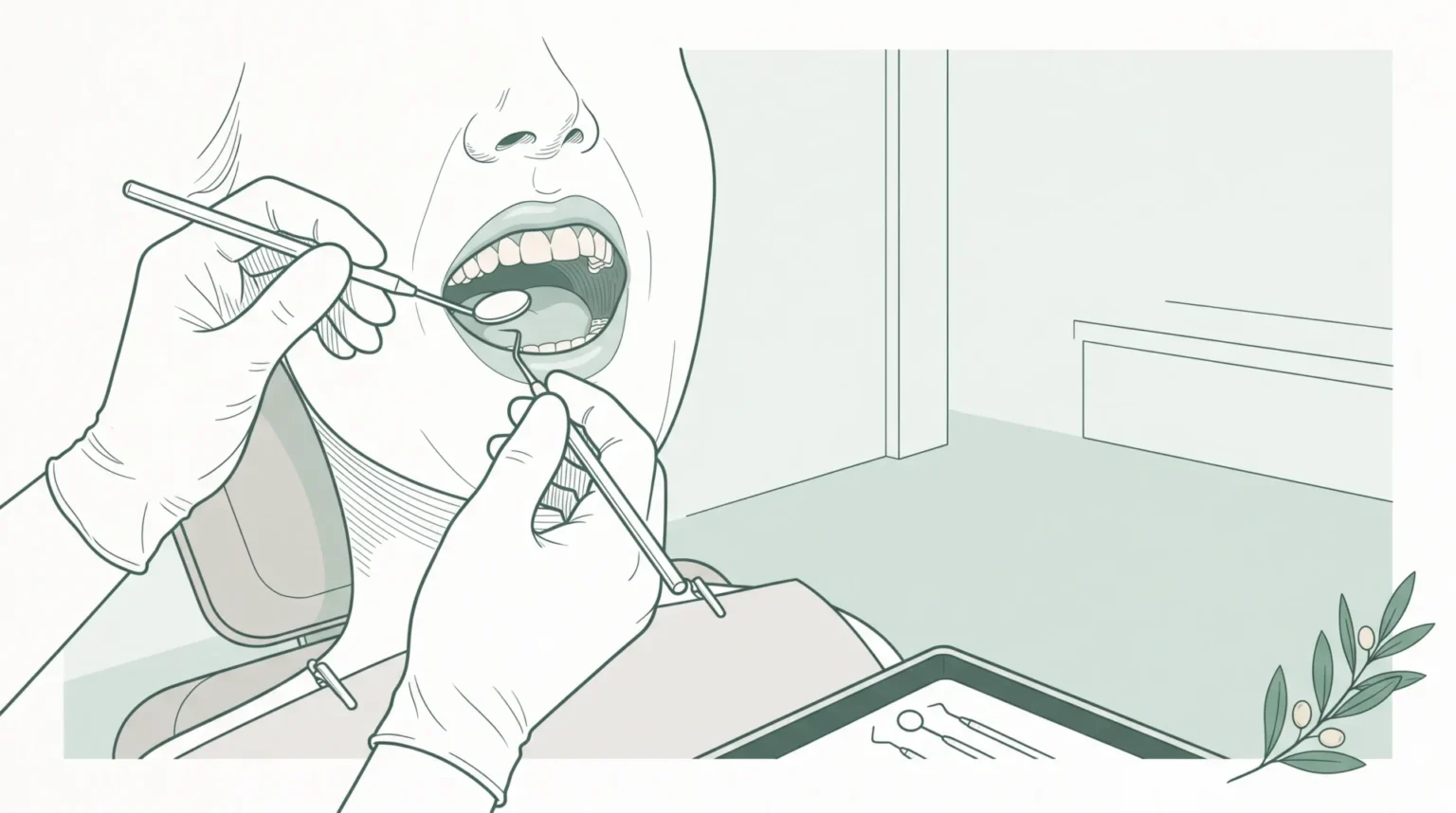
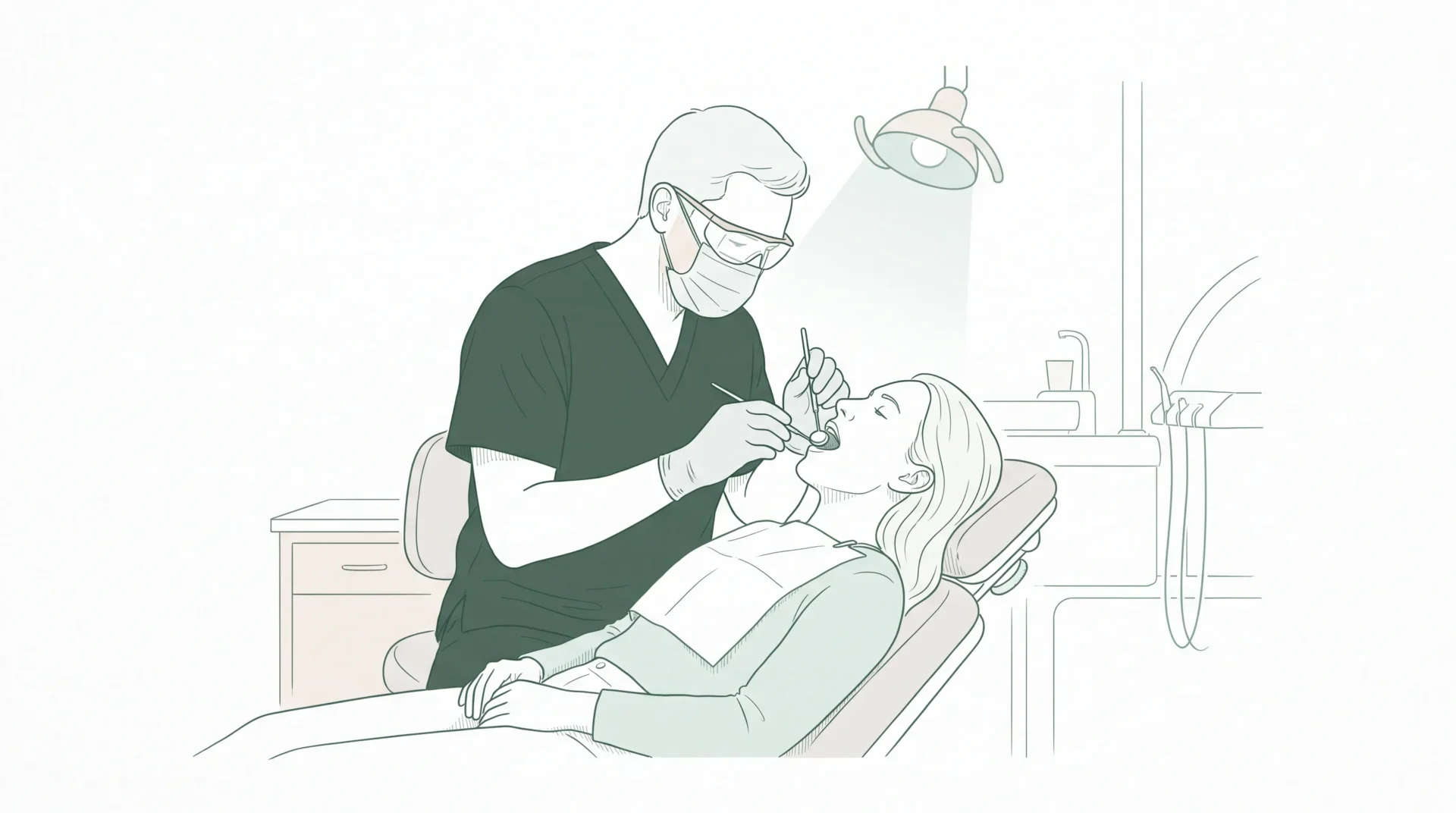
The examination is the foundation of the visit. Your dentist checks your teeth, gums, bite, jaw joints, existing fillings, crowns, veneers, implants and any areas that look worn, cracked or sensitive. They also examine the soft tissues of your mouth, including the tongue, cheeks, palate and floor of the mouth, to look for signs that may need closer review.
Your medical history is also part of the assessment. Conditions such as diabetes, reflux, dry mouth, pregnancy, osteoporosis treatment or certain medications can affect your dental risk. This is one reason a check-up is not the same for every patient, even when the appointment length looks similar.
If you want a step-by-step overview of the appointment itself, East Melbourne Dental Group has a helpful guide to what happens at a general dentist appointment.
Examination, cleaning and diagnostics are separate parts of the fee
One of the main reasons dental fees feel unclear is that patients often hear “check-up and clean” as a single service. In practice, the appointment may be itemised into several parts. A dental checkup price might include only the examination at one clinic, while another clinic may bundle the examination, scale, polish and basic preventive advice into one advertised fee.
In Australia, dental invoices and health fund claims often use item numbers from the Australian Schedule of Dental Services and Glossary. You do not need to memorise these codes, but they can help you understand what you are paying for.
| Component | What it usually means | May be included automatically? |
|---|---|---|
| Periodic oral examination | A routine exam for an existing patient | Often included in a recall visit |
| Comprehensive oral examination | A more detailed exam, often for new patients | Often priced differently from a recall |
| Scale and clean | Removal of plaque, calculus and surface staining | Sometimes included, sometimes separate |
| X-rays | Diagnostic images such as bitewings or periapical films | Often charged separately |
| Fluoride or remineralising treatment | Protective topical treatment for decay risk | Sometimes separate |
| Treatment plan or quote | Written outline of recommended care and costs | Usually included after findings are discussed |
Professional cleaning deserves special mention. A scale and clean removes hardened calculus that brushing and flossing cannot remove at home. If there is heavy build-up, gum inflammation or signs of periodontal disease, a standard clean may not be enough and deeper gum treatment may be recommended separately.
For more detail on the cleaning side of a preventive appointment, see this article on teeth cleaning costs in Melbourne.
Why new patient appointments can cost more than recall visits
A first appointment at a new clinic often takes longer than a regular six-month recall because the dentist is building a complete picture of your oral health. A new patient dental checkup price may include more detailed charting, a review of past treatment, baseline photographs or X-rays if clinically needed.
This does not mean a new patient visit should feel rushed or sales-focused. A thorough first appointment should give you clarity about your current oral health, what needs attention now, what can be monitored and what is optional. That distinction matters, especially if you are also thinking about cosmetic treatment such as whitening, veneers or Invisalign.
Recall visits are different. If you attend the same dentist regularly and there are no new symptoms, the dentist can compare your current mouth with previous records. That makes it easier to spot changes, such as new wear, gum recession, cracks, early decay or changes around older fillings.
The value of continuity is often overlooked. Seeing the same dental team over time can reduce unnecessary repeat diagnostics and help you make decisions based on long-term patterns, not just a single snapshot.
X-rays: when they are included and when they are extra
Dental X-rays are not automatically required at every check-up. They are used when the dentist needs information that cannot be seen directly, such as decay between back teeth, bone levels around teeth, infection under a filling or the position of wisdom teeth. A dental checkup price may exclude X-rays because the number and type of images depend on your clinical situation.
Common dental X-rays include bitewing images, which help detect decay between teeth and assess bone levels, and periapical images, which show the whole tooth and surrounding bone. A panoramic X-ray, also called an OPG, captures a wider view of the jaws and may be recommended for wisdom teeth, orthodontic assessment, implants or broader treatment planning.
Australian dental practices follow radiation safety principles, meaning X-rays should only be taken when clinically justified. If you are unsure why an X-ray is recommended, ask what the dentist is looking for and how the result may affect your treatment options.
What is usually not included in a standard check-up fee
A routine check-up helps identify problems, but treatment for those problems is usually billed separately. This is where many misunderstandings happen. The dentist may diagnose decay during the appointment, but the filling itself is a separate procedure with its own fee because it requires different materials, time and clinical steps.
Services that are commonly separate from a standard check-up include fillings, tooth extractions, root canal treatment, gum disease therapy, mouthguards, crowns, veneers, teeth whitening, Invisalign, implants and emergency treatment beyond assessment. Some clinics may offer promotions or packages, but inclusions should be clearly explained before you book.
Cosmetic discussions can also happen during a check-up, but cosmetic treatment is not usually part of the preventive appointment fee. For example, if you ask about whitening or veneers, the dentist may first need to confirm that your gums, enamel and existing restorations are suitable before giving options.
A transparent dental checkup price should make it clear where prevention ends and additional treatment begins. If you receive a recommendation, ask whether it is urgent, preventive, restorative, cosmetic or elective. That simple question can make decision-making much easier.
Factors that can change the final fee
Dental practices do not all charge the same amount because their appointments are not always structured the same way. Location, appointment length, dentist experience, equipment, materials, infection control requirements and the complexity of your oral health can all affect the final fee.
Your own dental history also matters. Someone with healthy gums, low decay risk and regular attendance may need a straightforward review and clean. Someone who has not seen a dentist for several years may need more time for charting, X-rays, calculus removal and treatment planning.
Common factors that may affect the fee include:
- Whether you are a new or returning patient
- Whether X-rays are clinically needed
- How much plaque or calculus needs to be removed
- Whether gum measurements or periodontal charting are required
- Whether fluoride, desensitising treatment or preventive products are recommended
- Whether you need a written treatment plan for future work
Private health insurance can also change your out-of-pocket cost. Your dentist sets the fee, but your health fund decides what it will rebate based on your policy, limits and waiting periods. Two patients can receive the same treatment at the same clinic and pay different gap amounts after insurance.
For a broader explanation of why dental costs vary across appointments, you may find this guide on understanding dentist costs in Melbourne useful.
How to compare dental check-up quotes properly
When comparing clinics, avoid judging by the headline fee alone. A low dental checkup price may be good value if it includes the services you need and the dentist takes time to explain findings. It may be less useful if essential components, such as cleaning or X-rays when needed, are not included and are only added later.
Before booking, ask what the appointment includes in plain language. For example, ask whether the fee covers the examination, scale and polish, fluoride, X-rays, photographs, gum assessment and treatment planning. If X-rays are not included, ask how they are charged if required.
It is also reasonable to ask how long the appointment is expected to take. A very short appointment may suit a simple review, but a new patient, anxious patient or person with several concerns may need more time. Comfort and communication matter too, especially if you have delayed care because of dental anxiety.
Good value does not always mean the cheapest appointment. It means you receive an appropriate assessment, clear explanations, infection-controlled care, realistic options and a written quote before further treatment starts.
What to ask before you book
A short phone call can prevent most fee confusion. Reception teams are used to explaining inclusions, and they can usually tell you whether the advertised appointment is for an exam only or a check-up and clean.
Useful questions include:
- Does the fee include both the check-up and the clean?
- Are X-rays included or charged separately if needed?
- Will I receive an itemised quote for any recommended treatment?
- Can you process private health insurance claims on the day?
- Are payment plans available if I need further treatment?
If you are booking for a child, ask whether the appointment structure differs by age. Children may need a gentler introduction, growth and development checks, oral hygiene coaching and dietary advice. Some families also want appointments grouped together for convenience.
If you are booking because of pain, swelling, trauma or a broken tooth, tell the clinic before you arrive. An emergency appointment may focus on diagnosis and relief rather than a full routine check-up and clean, which can affect both the structure and the fee.
Frequently Asked Questions
Is a dental check-up the same as a clean? No. The check-up is the dentist’s examination and diagnosis, while the clean is the removal of plaque, calculus and surface staining. Many preventive appointments include both, but you should confirm this when booking.
Are X-rays always included in a dental check-up fee? Not always. X-rays are usually taken only when clinically needed, so they may be billed separately depending on the clinic and the type of image required.
Why does my health fund rebate vary for the same appointment? Rebates depend on your policy, annual limits, waiting periods and the item numbers claimed. Your dentist sets the fee, but the health fund controls the rebate amount.
Can I ask for a quote before treatment starts? Yes. You can ask for an itemised quote before proceeding with fillings, crowns, whitening, Invisalign, implants or any other treatment beyond the check-up.
How often should I have a dental check-up? Many people attend every six months, but the right interval depends on your decay risk, gum health, medical history and dentist’s advice. Some patients need more frequent monitoring, while others may be suitable for longer intervals.
Book a clear, itemised dental check-up in East Melbourne
A dental checkup price is easier to understand when you know what the appointment includes and what may be billed separately. If you are unsure, ask for the inclusions before booking and request an itemised treatment plan for any recommended follow-up care.
East Melbourne Dental Group provides general, cosmetic and family dentistry, including check-ups, emergency dental care, children’s dentistry, Invisalign consultations, whitening, veneers, crowns and dental implants. If you are planning treatment beyond prevention, you can also ask the team about available payment plan options.
To arrange an appointment, contact East Melbourne Dental Group and ask what your visit is expected to include based on your needs.
Disclaimer
The information provided on this website is for general informational and educational purposes only. It is not intended to replace professional dental advice, diagnosis or treatment. Dental needs and treatment outcomes vary between individuals. Always seek advice from a qualified dental practitioner regarding your specific circumstances before making decisions about your oral health or treatment. A consultation and clinical assessment are required to determine which treatment options may be suitable for you. All dental procedures carry potential risks and benefits, which will be discussed with you before treatment.