
13 October 2026 | Dental Fees & Financing, Preventative Dentistry, Teeth Cleaning
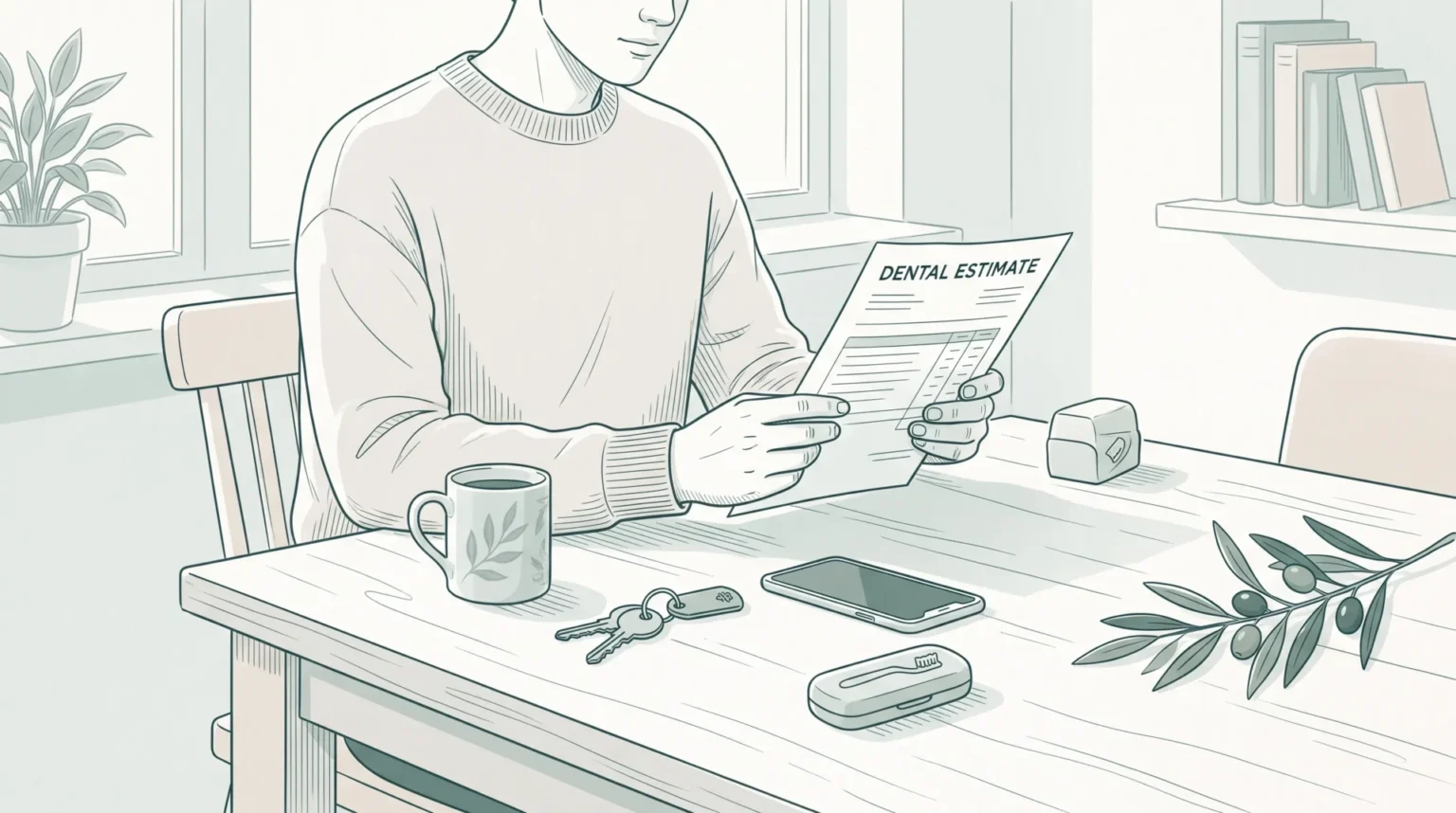
If you have searched for “dentist clean teeth price”, you may be wondering whether a dentist can start cleaning and tell you the cost afterwards. A dentist may need to examine your mouth before confirming the appropriate treatment and its fee. However, for a routine clean, you should have an opportunity to understand the likely costs and agree to the treatment before it starts.
That does not always require a fixed written quote. An estimate and a clear discussion may be appropriate, particularly when the extent of cleaning is not yet known. The key distinction is between assessing what you need and proceeding with treatment you have not agreed to.
Understanding a “dentist clean teeth price” before treatment
A booking, an examination and a clean are different steps. They may happen during one appointment, but agreeing to attend does not automatically settle the scope or cost of every service offered during that visit.
The Ahpra shared Code of conduct, which applies to registered dental practitioners, addresses informed consent and financial dealings. It supports explaining treatment and discussing fees in a way patients can understand.
A dentist’s price for cleaning teeth may initially be an estimate because the amount of calculus, gum condition and treatment time are not known until an assessment.
| Stage of the appointment | What to clarify before proceeding |
|---|---|
| Booking | Whether the advertised or estimated fee includes an examination and cleaning |
| Initial assessment | The assessment fee and whether any proposed X-rays cost extra |
| Recommended cleaning | What treatment is recommended, its likely cost and whether further visits are expected |
| Change in treatment | Why the plan has changed and what the revised fees would be |
A cost discussion is not a substitute for clinical consent. You should also understand what the treatment involves, its relevant risks and the available alternatives.
An assessment first does not have to mean a clean first
A dentist cannot always give a reliable cleaning fee over the phone. For example, routine plaque and calculus removal may differ from treatment for established gum disease. An examination helps determine which approach is appropriate.
It is reasonable for a practice to offer an assessment before confirming treatment costs, provided the assessment itself is explained and its fee is agreed beforehand. That does not mean the subsequent cleaning needs to start immediately.
You can say:
“I’m happy to proceed with the examination at the agreed fee. Please explain the cleaning recommendation and its cost before starting any further treatment.”
Agreeing to a dentist’s price for cleaning your teeth should be separate from assuming that an examination includes every recommended service. Our guide to what is included in a dental check-up price explains why that distinction matters.
If the recommended treatment is outside your budget, ask whether it can safely be scheduled for another visit. The dentist should explain any clinical consequences of delaying it so you can make an informed choice.
How to agree on the fee before cleaning starts
Before the appointment, ask whether the practice can provide an estimate and what it covers. At the visit, confirm whether that estimate still applies after the assessment.
A useful request is:
“Before we start the clean, could you confirm the expected total fee, what is included and whether anything might increase it? Please check with me before adding services or changing the treatment plan.”
Four points are worth clarifying:
- The scope: Is this a routine scale and clean, or is a different form of gum treatment recommended?
- The inclusions: Are the examination, clinically indicated X-rays or fluoride included or charged separately?
- The likely total: Is the amount a fixed quote or an estimate, and what could change it?
- Your share: What health fund benefit is expected, and what happens if the actual rebate differs?
An estimate describes the expected cost based on what is currently known. A quote generally refers to a price for a defined scope of work. Ask the practice which it is providing and whether any conditions apply.
A dentist’s teeth-cleaning price is more useful when it comes with a clear scope than when it is simply a number. If you need time to consider the recommendation, say so before treatment begins.
For a larger treatment plan, a written breakdown can help you review the options. For a routine appointment, you can still ask for the agreed fees to be documented.
If the cleaning plan changes, ask for a pause
An examination may reveal that a routine clean is not the most appropriate treatment. Gum disease, substantial deposits or sensitivity may affect the recommended approach, appointment length or need for local anaesthetic. Some patients need treatment over more than one visit.
A changed recommendation should prompt a further discussion, not an assumption that you have accepted additional treatment and fees.
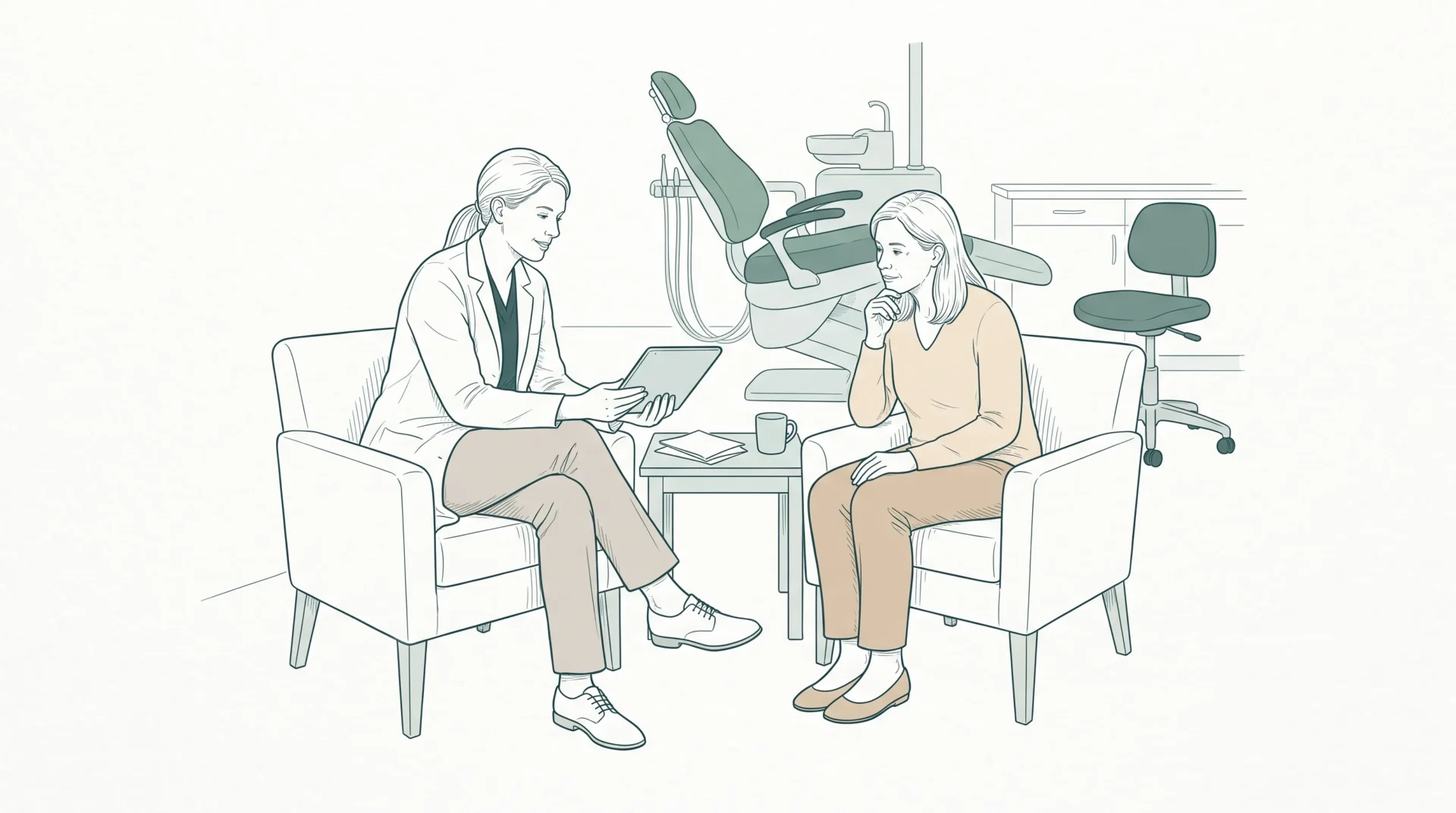
Ask the dentist to explain what has changed, why the proposed treatment is needed and whether there are suitable alternatives. If treatment has already begun, you can ask for a pause when it is clinically safe to do so.
You can also set a spending limit for the appointment, but make clear that this is a request to discuss additional costs, not an instruction to provide incomplete or unsuitable care. Where the necessary treatment exceeds that limit, ask about a clinically appropriate plan for a later visit.
A health fund rebate is not the same as an agreed price
Private health insurance can reduce your out-of-pocket cost, but the amount depends on your policy, available limits, waiting periods and the services billed. A benefit estimate should not be treated as a guaranteed payment from your fund.
When discussing a dentist’s price for cleaning teeth, ask for the total practice fee as well as the estimated gap. Otherwise, a conversation focused only on the expected rebate may leave you unclear about what you owe.
If the practice can provide proposed item numbers, you can check them with your insurer before treatment. Ask what your payment would be if the fund pays less than expected.
A payment plan is also separate from the treatment price. If you are considering one, confirm any applicable fees, repayment terms and eligibility conditions before agreeing.
What if your teeth were cleaned without a cost discussion?
Start by asking the practice for an itemised invoice and an explanation of the charges. Clarify whether the bill covers cleaning alone or also includes an examination, X-rays or another service.
Describe the issue specifically: you may have expected a different fee, believed cleaning was included or not understood that additional treatment was being provided. Ask the practice to review any booking information, estimates and records of the consent discussion.
The absence of a written quote does not automatically make treatment free. Equally, receiving an invoice does not resolve a concern about whether the treatment and fees were adequately explained. The circumstances matter, including what was discussed and agreed.
If a dentist’s teeth-cleaning price differs from your understanding, keep copies of the invoice and relevant messages. Raise the concern with the practice manager and ask for a written response. If an amount is disputed, ask how the account will be handled while it is being reviewed rather than assuming payment arrangements have changed.
If the issue remains unresolved, the Victorian Health Complaints Commissioner provides information about making a complaint concerning a healthcare service. This is general guidance, not a determination of whether a particular bill is payable.
Frequently asked questions
Does a dentist have to give me a written quote for every clean? A fixed written quote is not always necessary for routine care. You should still have the opportunity to understand the expected fees and agree to the proposed treatment. Ask for a written estimate if that would help you decide.
Can I book an examination without agreeing to a clean? Yes, you can request an assessment first. Confirm the examination fee when booking and explain that you want to discuss recommendations and costs before further treatment.
Can the final cleaning fee be higher than the estimate? An estimate may change if the required treatment differs from what was initially expected. Ask what could change the dentist’s price for cleaning teeth and request a further discussion before additional treatment proceeds.
Can I decline cleaning after the dentist examines my teeth? You can decline proposed treatment. Ask about the implications of delaying it and any suitable alternatives. An agreed examination fee may still be payable even if you do not proceed with cleaning.
Ask about costs when you book
If you are planning a visit, contact East Melbourne Dental Group to ask about the appointment fee and how an estimate for cleaning can be provided. Mention whether you want an assessment first or need to discuss a budget before treatment.
A useful agreement covers three things: what you are consenting to, what it is expected to cost and when the dentist should check with you again.
Disclaimer
The information provided on this website is for general informational and educational purposes only. It is not intended to replace professional dental advice, diagnosis or treatment. Dental needs and treatment outcomes vary between individuals. Always seek advice from a qualified dental practitioner regarding your specific circumstances before making decisions about your oral health or treatment. A consultation and clinical assessment are required to determine which treatment options may be suitable for you. All dental procedures carry potential risks and benefits, which will be discussed with you before treatment.