
3 August 2026 | General Dentistry, Preventative Dentistry, Teeth Cleaning

If you have searched for a dental care dentist in East Melbourne, you may be looking for more than a quick appointment when something feels wrong. Ongoing dental care means seeing a dentist who can get to know your mouth over time, monitor changes, and help you make informed decisions before small concerns become harder to manage.
It is not about having treatment for the sake of it. Good ongoing care is prevention-focused, tailored to your oral health, and adjusted as your needs change. For many people, that can make dental visits feel more predictable, less rushed and easier to understand.
What ongoing care means with a dental care dentist
Ongoing care is the relationship you build with a dental team over time. Instead of each visit starting from scratch, your dentist can compare today’s findings with your previous records, X-rays where clinically needed, gum measurements, treatment history and any concerns you have raised before.
That continuity matters because oral health is not static. Your risk of tooth decay, gum disease, tooth wear, cracked teeth or dry mouth can change with age, diet, medication, pregnancy, medical conditions, stress, smoking or vaping, and daily brushing and flossing habits.
A dental care dentist can help you understand those changes in practical terms. For example, if your gums bleed when brushing, the aim is not to blame or alarm you. The aim is to assess what may be contributing to it, explain what is happening, and discuss appropriate options such as home care changes, professional cleaning or further periodontal assessment if needed.
Why regular appointments matter when nothing hurts
Many dental problems develop quietly at first. Early decay may not cause pain. Gum inflammation can be easy to miss. A worn filling, cracked tooth or clenching-related wear may only become obvious once a tooth becomes sensitive or breaks.
Regular dental appointments can help identify changes earlier, when management may be simpler. This does not guarantee that dental issues will be avoided, but it can support better monitoring and more informed choices.
During a routine visit, your dentist may check your teeth, gums, bite, existing fillings or crowns, and the soft tissues of your mouth. X-rays may be recommended only when clinically indicated, such as when the dentist needs information that cannot be seen during a visual examination.
For general patient information about brushing, flossing, diet and common oral health topics, the Australian Dental Association’s patient resource Teeth.org.au is a useful place to start.
One-off dental visits vs ongoing dental care
Seeing a dentist only when pain occurs is common, especially for people who feel anxious, busy or unsure about costs. However, a one-off approach can make it harder to build a clear picture of your dental history and risk factors.
| Aspect of care | One-off or symptom-only visit | Ongoing dental care |
|---|---|---|
| Main focus | Usually addresses the immediate concern | Includes prevention, monitoring and treatment planning |
| Dental history | May be limited or incomplete | Builds over time with records, images and notes |
| Risk assessment | Based mainly on the current problem | Can account for patterns, habits and health changes |
| Patient comfort | May feel unfamiliar each time | Can become more predictable as the team learns your preferences |
| Treatment planning | Often short-term | Can consider staged options where appropriate |
Neither approach removes the need for a proper assessment. The difference is that ongoing care gives your dentist more context, which may help them explain options more clearly and plan care around your individual needs.
The value of maintenance before bigger repairs are needed
The idea of maintenance is familiar in many parts of life. A homeowner may keep small repairs under review, or plan quality home renovations carefully, because maintaining what is already there can help protect the structure around it. Teeth and gums are different from a house, of course, but the principle of regular review still applies.
Small chips, plaque build-up, early gum inflammation, tooth wear and leaking edges around old fillings may not seem urgent at first. Over time, they can become more difficult to manage, depending on the cause and your oral health.
This is where preventive dentistry becomes important. Professional cleaning, gum health checks, fluoride advice, dietary guidance and personalised oral hygiene support can all form part of ongoing care. If you would like to understand this approach in more detail, East Melbourne Dental Group has an overview of preventive dentistry in East Melbourne and how it may fit into regular visits.
What an ongoing dental appointment may involve
An ongoing care appointment is usually more than a quick look at your teeth. The exact steps depend on your age, symptoms, dental history and the reason for your visit, but it may include a combination of assessment, prevention and discussion.
Common elements may include:
- Reviewing your medical history, medications and any dental concerns since your last visit.
- Checking teeth, gums, existing restorations and soft tissues of the mouth.
- Assessing plaque and calculus build-up, gum bleeding or signs of gum pocketing.
- Discussing X-rays if they are clinically needed for diagnosis or monitoring.
- Providing professional cleaning where appropriate.
- Explaining findings in plain language and discussing suitable options, including benefits, limitations and possible risks.
A good appointment should leave room for questions. You should be able to ask why something is recommended, whether there are alternatives, what may happen if you wait, and what costs or follow-up appointments may be involved.
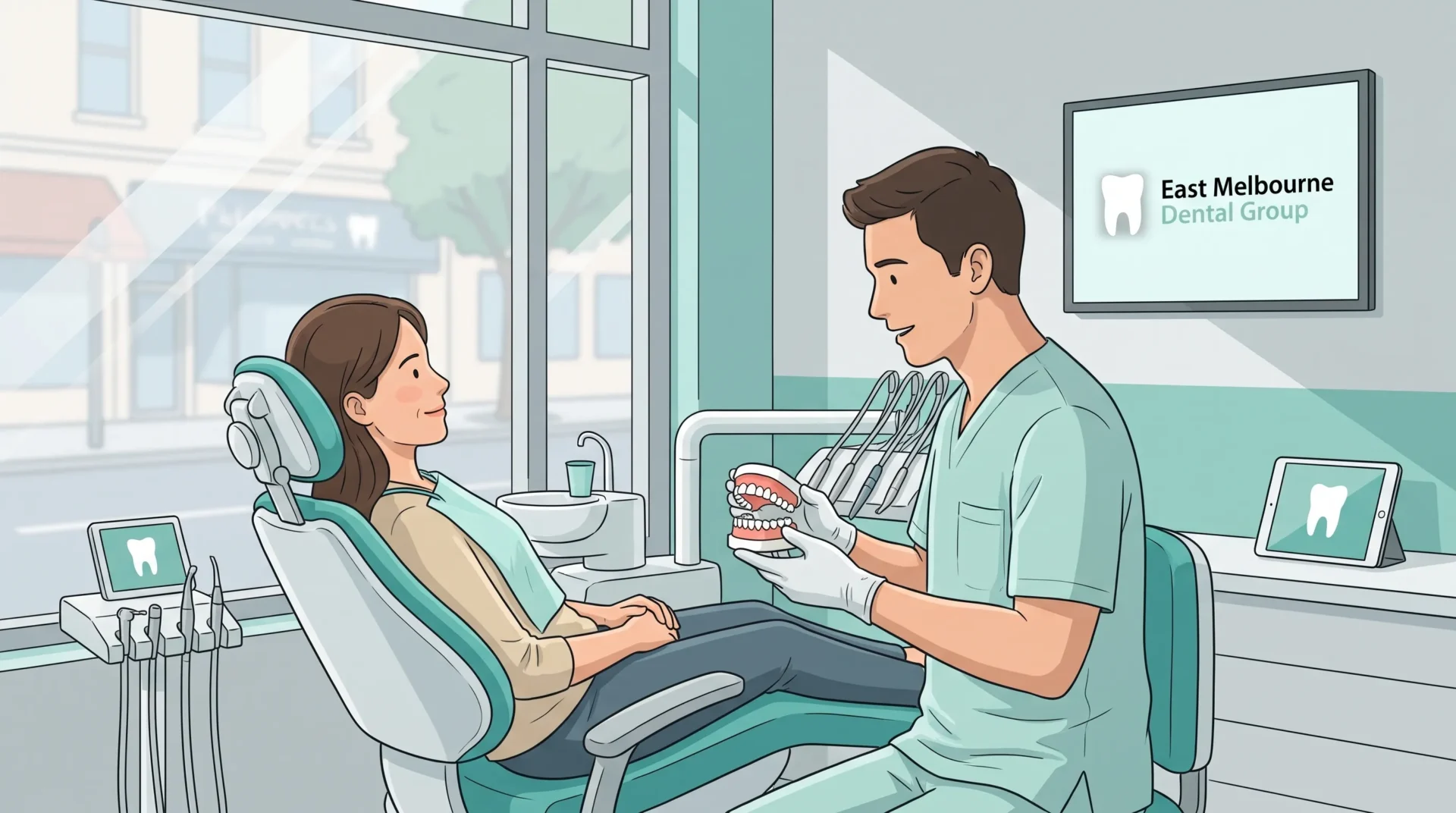
How a dental care dentist can tailor visits to your needs
There is no single dental schedule that suits everyone. Many people are familiar with the idea of a six-monthly check-up, but your recommended review interval may be shorter or longer depending on your individual circumstances.
Your dentist may consider factors such as gum health, decay risk, oral hygiene habits, medical conditions, pregnancy, medication-related dry mouth, previous dental treatment, diet, smoking or vaping, orthodontic appliances, and your ability to attend appointments.
| Situation | Why ongoing care may be adjusted | What your dentist may discuss |
|---|---|---|
| Children and teenagers | Teeth, jaws and habits change as they grow | Brushing support, diet, fissure sealants if suitable, sport mouthguards |
| Adults with gum concerns | Gum health can change gradually | Cleaning intervals, home care techniques, periodontal assessment |
| People with dry mouth | Saliva helps protect teeth | Medication review with your GP if relevant, fluoride advice, decay prevention |
| Patients with crowns, fillings or implants | Restorations need ongoing review | Cleaning access, bite forces, maintenance and monitoring |
| People considering cosmetic treatment | Oral health should be assessed first | Suitability, alternatives, limitations and realistic expectations |
For households with children, parents, grandparents or mixed dental needs, continuity can also make family dental care easier to coordinate. You may find it useful to read more about why family dental care matters at every age, especially if different members of your household have different needs.
Ongoing care and treatment choices
Regular dental care can also support better decision-making if you are considering treatment such as whitening, Invisalign aligners, a crown, root canal treatment, dental implants or replacement of old restorations.
Before recommending any treatment, a dentist needs to assess whether it may be suitable for you. Suitability can depend on your oral health, gum condition, tooth structure, bite, medical history, expectations and budget. Treatment outcomes and experiences vary between patients, and all dental procedures carry potential benefits and risks.
For example, teeth whitening may not change the colour of fillings, crowns or veneers. Aligners may not be suitable for every orthodontic concern. Dental implants require adequate bone and gum health, and they also need ongoing cleaning and review. Root canal treatment may help manage certain infected or inflamed teeth, but the tooth usually still needs careful restoration and monitoring afterwards.
Ongoing care helps place these decisions in context. Rather than looking at one tooth or one treatment in isolation, your dentist can consider your overall oral health and explain what may be reasonable for your situation.
Making ongoing care easier if you feel anxious or busy
It is common to delay dental care because of nerves, past experiences, time pressure or uncertainty about what may happen at an appointment. If this applies to you, it is reasonable to tell the dental team before or during your visit.
Practical steps that may help include booking a consultation before treatment, asking for explanations in plain language, agreeing on a pause signal, bringing a list of questions, or spacing treatment across visits where clinically appropriate. None of these removes all discomfort or risk, but they can help you feel more informed and involved.
For people who live or work near East Melbourne, Jolimont, Richmond, Collingwood, Fitzroy or the Melbourne CBD, choosing a local clinic may also make regular care easier to maintain. Convenience is not the only factor, but it can make a difference when you are balancing work, school, family and health appointments.
If you are trying to understand how dental care works more broadly, including private care, public pathways, children’s dental benefits and veteran support, this practical guide to dental care in Australia may be a helpful companion resource.
When to book sooner than your usual check-up
Ongoing care includes routine monitoring, but some symptoms should be assessed sooner. A dental examination can help determine the cause and whether treatment may be needed.
Consider arranging an appointment if you notice:
- Toothache, lingering sensitivity or pain when biting.
- Swelling of the gum, face or jaw.
- A broken tooth, lost filling or damaged crown.
- Bleeding gums that persist despite gentle brushing and flossing.
- A loose adult tooth.
- Mouth ulcers or patches that do not heal within two weeks.
- Jaw pain, clicking or increasing tooth wear.
- Dental trauma from sport, a fall or an accident.
If swelling affects breathing or swallowing, or you feel seriously unwell, seek urgent medical care. For dental injuries, facial swelling or severe pain, prompt professional advice is appropriate.
Frequently Asked Questions
How often should I see a dental care dentist? Many people attend every six months, but the right interval varies. Your dentist may recommend a different schedule based on your gum health, decay risk, medical history, previous treatment and personal circumstances.
Is ongoing dental care only for people with dental problems? No. Ongoing care is also useful for prevention, monitoring and education. Even if your teeth feel comfortable, your dentist can check for changes that may not be obvious to you.
Will regular dental visits prevent all dental problems? Not necessarily. Regular care cannot guarantee that dental problems will not occur. It may, however, help identify changes earlier and support practical prevention strategies.
What if I feel nervous about dental appointments? Let the dental team know. You can ask for explanations, breaks during care, a slower appointment pace or a consultation first. Your dentist can discuss what may be appropriate for your needs.
Can ongoing care help before cosmetic dental treatment? Yes, it can help assess whether your teeth and gums are healthy enough for treatment options such as whitening or aligners. Suitability varies, and your dentist should explain benefits, limitations, risks and alternatives before treatment begins.
Considering ongoing dental care in East Melbourne?
Ongoing care with a dental care dentist is about understanding your oral health over time, not rushing into treatment. A dental examination can help identify your current needs, discuss prevention and explain which options may be appropriate for you.
To discuss your concerns, you can contact East Melbourne Dental Group to arrange an assessment in East Melbourne. Your dentist can assess your oral health and explain the potential benefits, risks and alternatives relevant to your situation.
Disclaimer
The information provided on this website is for general informational and educational purposes only. It is not intended to replace professional dental advice, diagnosis or treatment. Dental needs and treatment outcomes vary between individuals. Always seek advice from a qualified dental practitioner regarding your specific circumstances before making decisions about your oral health or treatment. A consultation and clinical assessment are required to determine which treatment options may be suitable for you. All dental procedures carry potential risks and benefits, which will be discussed with you before treatment.