
29 July 2026 | News
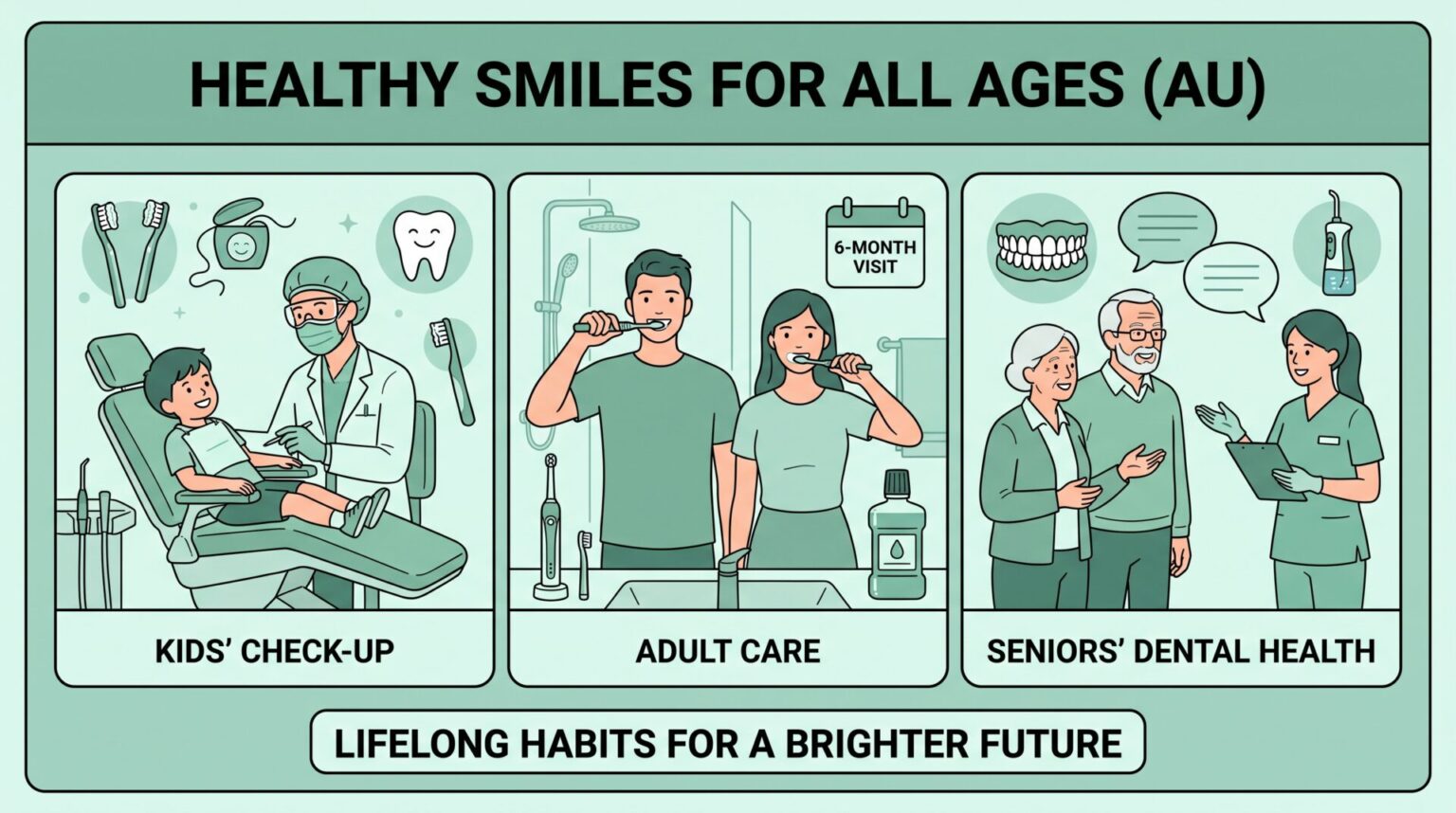
Family dental care is not just about booking everyone in for a check-up at the same clinic. At its best, it gives every member of the household age-appropriate support, from a toddler’s first tooth to an older adult managing dry mouth, restorations, implants, or dentures.
A healthy mouth supports eating, speaking, confidence, sleep, and general wellbeing. It also helps prevent small issues from becoming painful, expensive, or urgent. For busy families in East Melbourne, having one trusted dental team can make care simpler, calmer, and more consistent over time.
What family dental care really means
Family dental care is a long-term approach to oral health. Instead of treating each appointment as a one-off, your dentist builds a picture of your family’s needs, habits, risk factors, and history. That can include tooth decay patterns, gum health, orthodontic concerns, dental anxiety, medical conditions, medications, diet, and lifestyle factors.
This matters because oral health changes with age. Children need help building habits and protecting developing teeth. Teenagers may need orthodontic advice, sports mouthguards, and wisdom teeth monitoring. Adults often need prevention, restorative care, cosmetic options, and gum disease management. Older adults may need support with wear, dry mouth, tooth replacement, and maintaining existing dental work.
A family dentist can also help make dental care feel normal. When children see parents attending regular appointments, asking questions, and treating oral health as routine, they are more likely to grow up with confidence in the dental chair.
The early years: building trust before problems start
A child’s first dental experiences can shape how they feel about dentists for years. The aim in the early years is not only to check teeth, but to create familiarity. A gentle, positive first visit can help children learn that the dental clinic is a safe place.
The Australian Dental Association recommends children have their first dental visit when their first tooth appears or by their first birthday. That may sound early, but baby teeth play an important role in speech, chewing, jaw development, and guiding adult teeth into position.
For babies and toddlers, family dental care may include advice on brushing, fluoride toothpaste, dummy habits, thumb sucking, bottle use, and diet. Parents can also learn what is normal, what is worth watching, and when to seek help.
Early appointments are especially useful because tooth decay can develop quickly in young children. When families receive practical guidance before decay appears, they can often avoid more complex treatment later.
Children: prevention, confidence, and everyday habits
As children grow, dental care becomes a partnership between the child, parents, and dental team. Check-ups can help identify early signs of decay, enamel weaknesses, crowding, bite issues, and gum inflammation. Professional cleans and preventive treatments may also be recommended depending on the child’s risk.
Children are also exposed to more food and drink choices once they start school, sport, parties, and social activities. Sugary drinks, juices, sports drinks, and frequent snacking can increase the risk of tooth decay, especially when teeth are exposed to sugar and acid throughout the day. East Melbourne Dental Group has previously explained why sugary drinks and juices can be so damaging for children’s teeth, making this a key topic for families to discuss early.
Good family dental care does not rely on scare tactics. It focuses on simple, realistic routines that fit into daily life. For many children, that means brushing twice a day with help from an adult, learning to floss when teeth touch, drinking water more often, and using a properly fitted mouthguard for contact sports.
Teenagers: orthodontics, sport, appearance, and independence
Teenagers are in a transition stage. They are becoming more independent, but they may not always prioritise oral health. Busy school schedules, late-night snacking, energy drinks, sport, orthodontic treatment, and changing hormones can all affect teeth and gums.
Family dental care during the teenage years often focuses on prevention and early intervention. A dentist may monitor wisdom teeth, assess crowding or bite concerns, discuss clear aligners or orthodontic options, and check for enamel wear from acidic drinks or grinding.
For teenagers who play sport, a custom mouthguard can help reduce the risk of dental trauma. For those wearing braces or aligners, regular dental visits remain important because plaque can build up around appliances and increase the risk of decay or gum irritation.
This is also an age where appearance can become more important. A trusted family dentist can guide teenagers and parents through safe, age-appropriate conversations about whitening, alignment, and cosmetic concerns without rushing into unnecessary treatment.
Adults: keeping small issues from becoming major treatment
Adult dental care is often where prevention pays off most clearly. Small cavities, early gum disease, cracked fillings, grinding, and enamel wear may not cause pain at first. By the time symptoms appear, treatment can be more involved.
According to the Australian Institute of Health and Welfare, oral health issues such as untreated decay, gum disease, and tooth loss continue to affect Australians across the lifespan. Regular dental visits help identify these problems earlier, when they are usually easier to manage.
For adults, family dental care can include check-ups, cleans, fillings, crowns, root canal treatment, implants, whitening, aligner consultations, and advice for tooth grinding or jaw discomfort. Pregnant patients may also benefit from dental guidance, as hormonal changes can affect gum health.
Gum health is particularly important. Inflammation in the mouth can be linked with broader health considerations, and maintaining healthy gums supports the long-term stability of teeth. If you are interested in the connection between oral inflammation and general wellbeing, East Melbourne Dental Group’s article on how hygienist appointments may help prevent inflammatory disease in the body explores this topic in more detail.
| Life stage | Common dental priorities | Why family care helps |
|---|---|---|
| Babies and toddlers | First teeth, brushing guidance, feeding habits, early decay prevention | Parents receive advice before problems become established |
| Children | Decay prevention, diet, mouthguards, confidence at the dentist | Regular visits build habits and reduce fear |
| Teenagers | Orthodontics, wisdom teeth, sport injuries, acidic drinks | Dentists support independence while monitoring risk |
| Adults | Gum health, restorations, whitening, grinding, pregnancy-related changes | Early detection helps avoid more complex treatment |
| Older adults | Dry mouth, tooth wear, implants, dentures, root decay, medical considerations | Care can be adapted to health, medications, and comfort needs |
Older adults: comfort, function, and maintaining quality of life
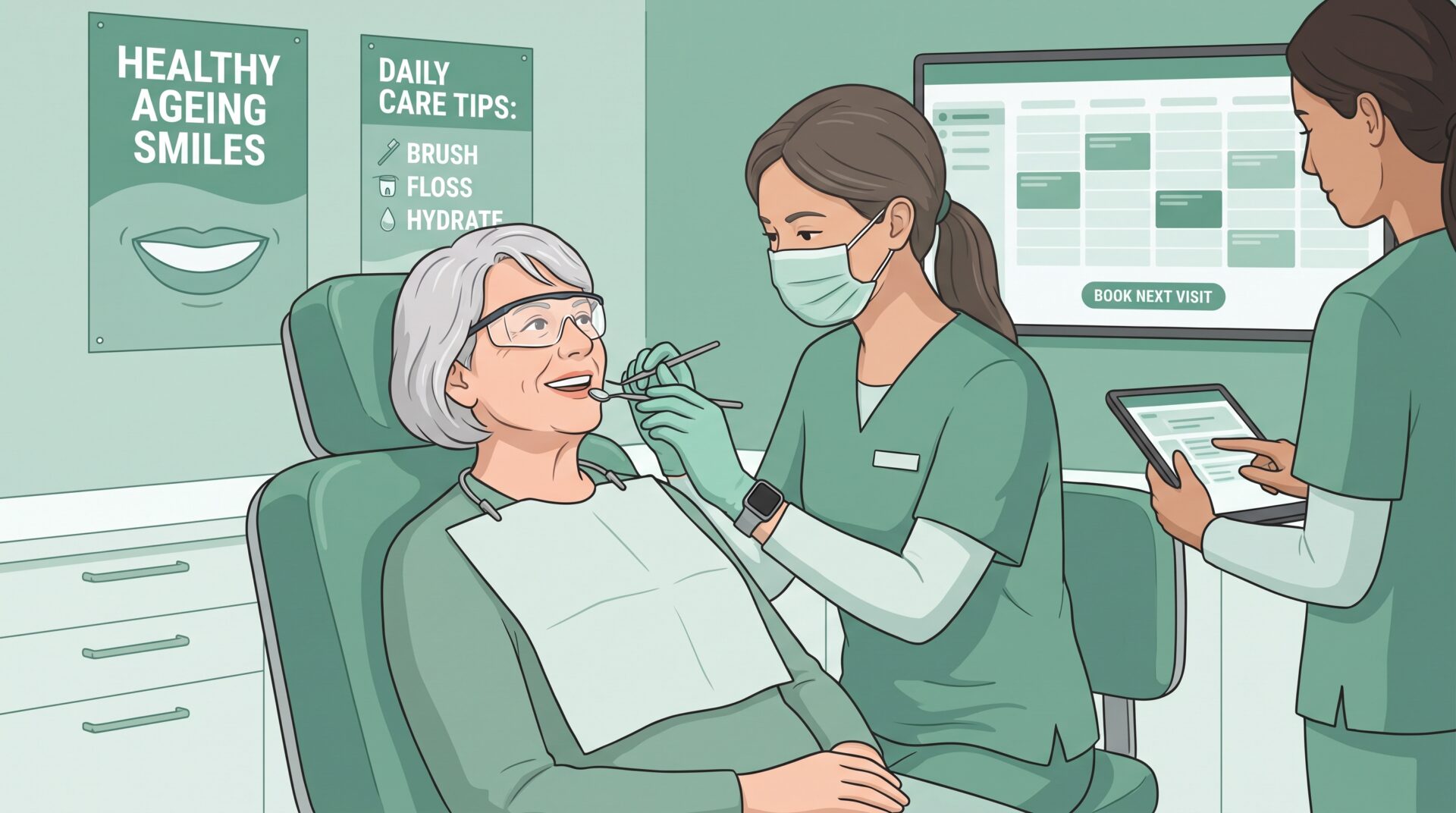
Dental care remains important later in life, even for people who have lost some or all natural teeth. The mouth changes with age, and many older adults take medications that can contribute to dry mouth. Saliva helps protect teeth, so dry mouth can increase the risk of decay, gum problems, bad breath, and discomfort.
Older adults may also have older fillings, crowns, bridges, implants, or dentures that need maintenance. A family dentist can monitor these restorations, check soft tissues, assess bite changes, and help keep eating and speaking comfortable.
For patients with medical conditions, dental care may need to be coordinated carefully. Some people need shorter appointments, additional reassurance, mobility support, or treatment planning that considers medications and overall health. A patient-focused family clinic can adapt care to suit the person, not just the teeth.
Why continuity of care matters
One of the biggest advantages of family dental care is continuity. When the same clinic sees your family over time, the team can recognise patterns. They may notice that several family members are prone to enamel wear, that a child has inherited crowding, or that an adult’s gum health has changed since starting a new medication.
Continuity also makes communication easier. Patients are more likely to mention symptoms, fears, or concerns when they feel known and respected. For anxious patients, this can make a major difference. Seeing familiar faces, understanding what will happen during an appointment, and having treatment explained clearly can reduce stress.
Dental records also become more useful over time. X-rays, photographs, charting, and previous treatment notes help your dentist compare changes and make more informed recommendations. This supports preventive care, because treatment decisions are based on your history rather than a single appointment.
Prevention is the thread that connects every age
The details change, but the principle stays the same: prevention is easier than repair. A preventive approach does not mean every person needs the same appointment schedule. Some patients need more frequent reviews due to gum disease, decay risk, orthodontic treatment, dry mouth, or medical factors. Others may be suited to a different interval.
A family dentist can help decide what is appropriate for each person. This may include regular examinations, professional cleaning, fluoride advice, fissure sealants for children, oral hygiene coaching, dietary guidance, mouthguards, or monitoring of cracks and restorations.
At home, the foundation is simple but powerful: brush twice daily, clean between teeth, drink water often, limit frequent sugar and acid exposure, and seek advice early if something changes. Bleeding gums, lingering sensitivity, toothache, swelling, a cracked tooth, or a loose adult tooth should never be ignored.
Dental emergencies affect families too
Even families with excellent routines can face dental emergencies. Children fall, teenagers get sporting injuries, adults crack teeth, and toothaches can appear suddenly. Having a regular family dentist means you already know who to call when something goes wrong.
A dental emergency may include severe toothache, swelling, infection, trauma, a knocked-out tooth, a broken tooth, or pain that affects eating or sleeping. If you are unsure whether something is urgent, it is safer to seek advice promptly. East Melbourne Dental Group has a helpful guide on when to contact the clinic for a dental emergency in East Melbourne.
Quick action can sometimes improve the chance of saving a tooth, reducing infection risk, and relieving pain sooner.
What to look for in a family dentist
Choosing a family dentist is about more than location, although convenience certainly helps. A good fit is a clinic where children feel safe, adults feel heard, and older family members feel respected.
Look for a dental team that explains options clearly, welcomes questions, and provides care at a pace that suits the patient. For anxious patients, a calm environment and gentle communication can make dental visits much easier. For families, online booking and a broad range of services can also reduce the stress of coordinating care.
It is also helpful to choose a clinic that can support different needs under one roof. General dentistry, children’s dentistry, emergency care, restorative treatment, cosmetic options, whitening, aligners, implants, and root canal treatment may all become relevant at different stages of family life.
Most importantly, treatment should feel personalised. Family dental care is not about pushing every patient into the same plan. It is about understanding each person’s age, goals, health, comfort level, and risk factors, then recommending care that makes sense.
Frequently Asked Questions
At what age should a child first see a dentist? The Australian Dental Association recommends a first dental visit when the first tooth appears or by the child’s first birthday. Early visits help parents get guidance and help children become comfortable with dental care.
How often should families have dental check-ups? The right interval depends on each person’s risk factors, oral health, medical history, and previous dental problems. Your dentist can recommend a schedule that suits each family member rather than applying the same timing to everyone.
Is family dental care only for households with young children? No. Family dental care supports every age, including teenagers, adults, older adults, and multi-generational households. The main benefit is ongoing, personalised care across life stages.
Can a family dentist help with dental anxiety? Yes. A gentle family dentist can explain treatment clearly, move at a comfortable pace, and help patients build trust over time. Familiarity can be especially helpful for children and anxious adults.
What should I do if someone in my family has a dental emergency? Call a dental clinic promptly, especially for severe pain, swelling, trauma, a broken tooth, or a knocked-out tooth. Early advice can reduce complications and may improve the chance of saving the tooth.
Support your family’s oral health at every stage
Family dental care matters because every stage of life brings different needs, and those needs are easier to manage with a trusted team that knows your history. From first visits and preventive cleans to emergency care, whitening, Invisalign, root canal treatment, implants, and children’s dentistry, East Melbourne Dental Group provides patient-focused care for families in and around East Melbourne.
If it has been a while since your family’s last dental visit, or if someone is nervous about attending, you can book an appointment with East Melbourne Dental Group and take the next step toward calmer, more consistent dental care.
Disclaimer
The information provided on this website is for general informational and educational purposes only. It is not intended to replace professional dental advice, diagnosis or treatment. Dental needs and treatment outcomes vary between individuals. Always seek advice from a qualified dental practitioner regarding your specific circumstances before making decisions about your oral health or treatment. A consultation and clinical assessment are required to determine which treatment options may be suitable for you. All dental procedures carry potential risks and benefits, which will be discussed with you before treatment.