
11 August 2026 | Cosmetic Dentistry, Dental Fees & Financing, Tooth Decay
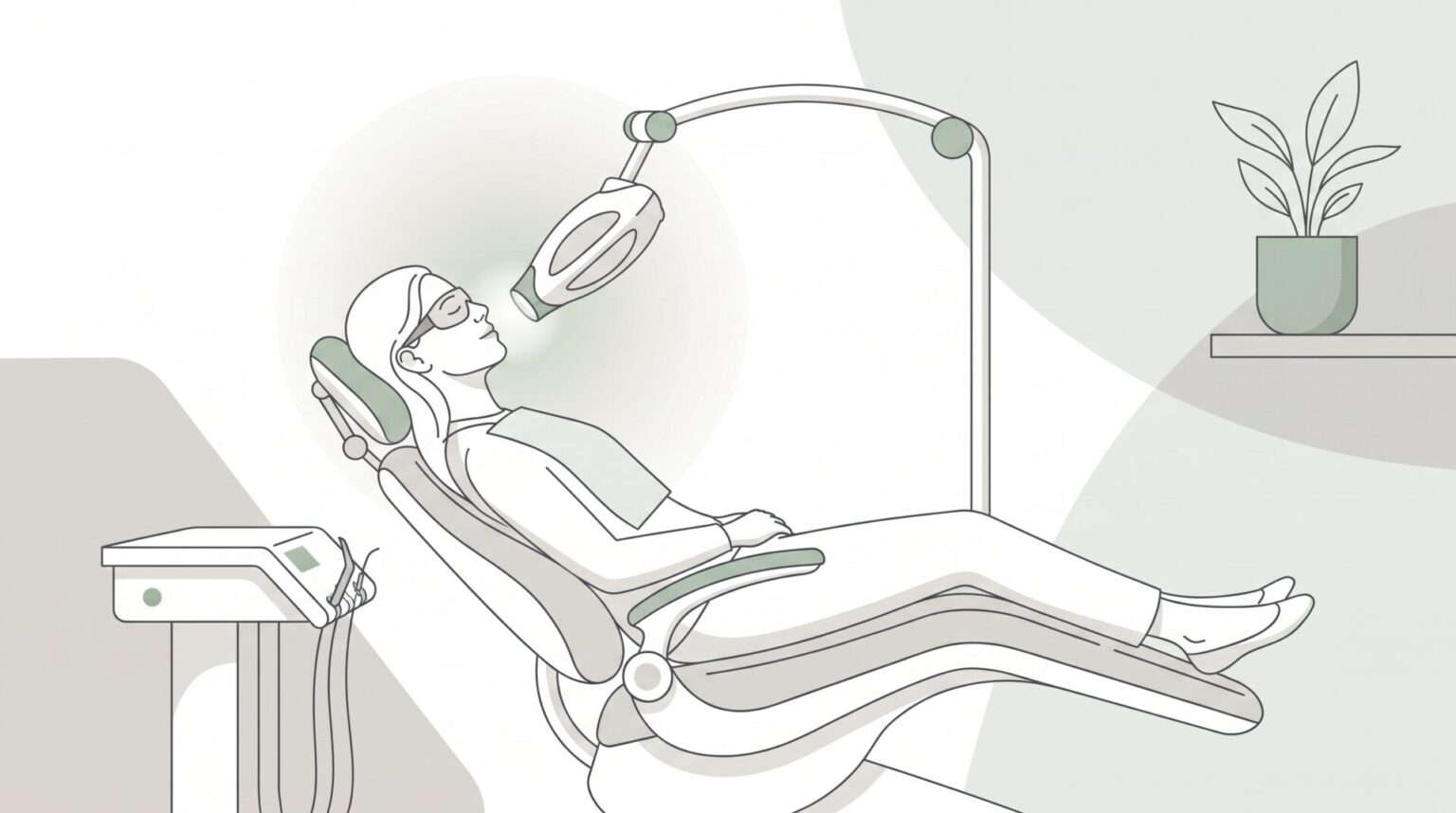
Teeth whitening looks simple from the outside: apply whitening gel, wait, and enjoy a brighter smile. In reality, professional whitening is a clinical cosmetic treatment, and that is why teeth whitening prices at the dentist can vary so much.
The fee is not only for the gel. It may include an oral health assessment, stain diagnosis, gum protection, custom trays, in-chair time, clinical supervision, aftercare instructions, and a plan to reduce sensitivity. The right option also depends on whether your discolouration is on the surface, inside the tooth, related to age, or affected by older fillings, crowns or veneers.
This guide explains what affects the cost of dentist-supervised whitening in Australia, what to look for in a quote, and how to avoid paying for treatment that may not suit your smile.
Why dentist whitening prices vary
Professional whitening is priced differently because every patient starts from a different place. Two people may both ask for whiter teeth, but one may have healthy enamel and mild coffee staining, while another may have gum recession, old restorations and deeper intrinsic discolouration.
A dentist has to consider safety, comfort and predictability before recommending a whitening method. The Australian Dental Association’s patient resource on teeth whitening notes that whitening may not be suitable for everyone, especially where there are existing oral health concerns or dental restorations that will not change colour.
That clinical screening is part of the value of seeing a dentist. It helps reduce the risk of gum irritation, tooth sensitivity, uneven colour, unrealistic expectations, and wasted spending on a method that cannot address the real cause of the staining.
A realistic price guide before you compare quotes
East Melbourne Dental Group’s exact whitening fees can only be confirmed after an assessment, so the figures below should not be read as a clinic fee schedule. As a broad Australian market guide, dentist whitening is commonly quoted in the following ranges, depending on the practice, materials, complexity and what is included.
| Whitening option | What it usually involves | Common Australian market range | Why the price varies |
|---|---|---|---|
| Dentist-prescribed take-home whitening | Custom trays, professional gel and instructions | About $300 to $600 | Tray quality, amount of gel, follow-up and whether a check-up is included |
| In-chair whitening | Whitening appointment at the dental practice with gum protection and stronger products | About $600 to $1,200+ | Appointment length, materials, clinician time and sensitivity management |
| Combination whitening | In-chair whitening plus take-home trays for refinement or maintenance | About $900 to $1,500+ | Includes more appointments, more materials and longer-term maintenance tools |
| Whitening as part of a cosmetic plan | Whitening before veneers, crowns or bonding colour matching | Highly variable | Depends on the broader treatment plan and whether restorations need replacing |
If you are comparing quotes, ask whether the fee includes the initial assessment, scale and clean, custom trays, review appointments and top-up gel. A lower advertised price may still be reasonable, but it is not truly comparable unless you know what is included.
The biggest factors that affect dentist whitening cost
1. The whitening method you choose
The main cost difference is usually between take-home whitening and in-chair whitening.
Take-home whitening is often more affordable because you use custom trays and dentist-prescribed gel over a period of days or weeks. It is gradual, controlled and useful for many common stains. In-chair whitening usually costs more because it requires clinical appointment time, soft tissue protection and higher-intensity treatment under supervision.
Combination whitening is typically the most expensive option, but it can be useful when someone wants a faster initial change with the ability to maintain the shade at home.
2. Your current oral health
Whitening should generally happen on a healthy mouth. If you have tooth decay, leaking fillings, gum inflammation, cracked enamel, heavy calculus or exposed roots, these issues may need attention first. That can add to the overall cost, but it is not an unnecessary extra. It is what makes whitening safer and more comfortable.
If you have not had a recent check-up, it helps to understand what happens at a general dentist appointment before budgeting for whitening. A check-up can identify whether your teeth and gums are ready for cosmetic treatment or whether preventive care should come first.
3. The type and depth of staining
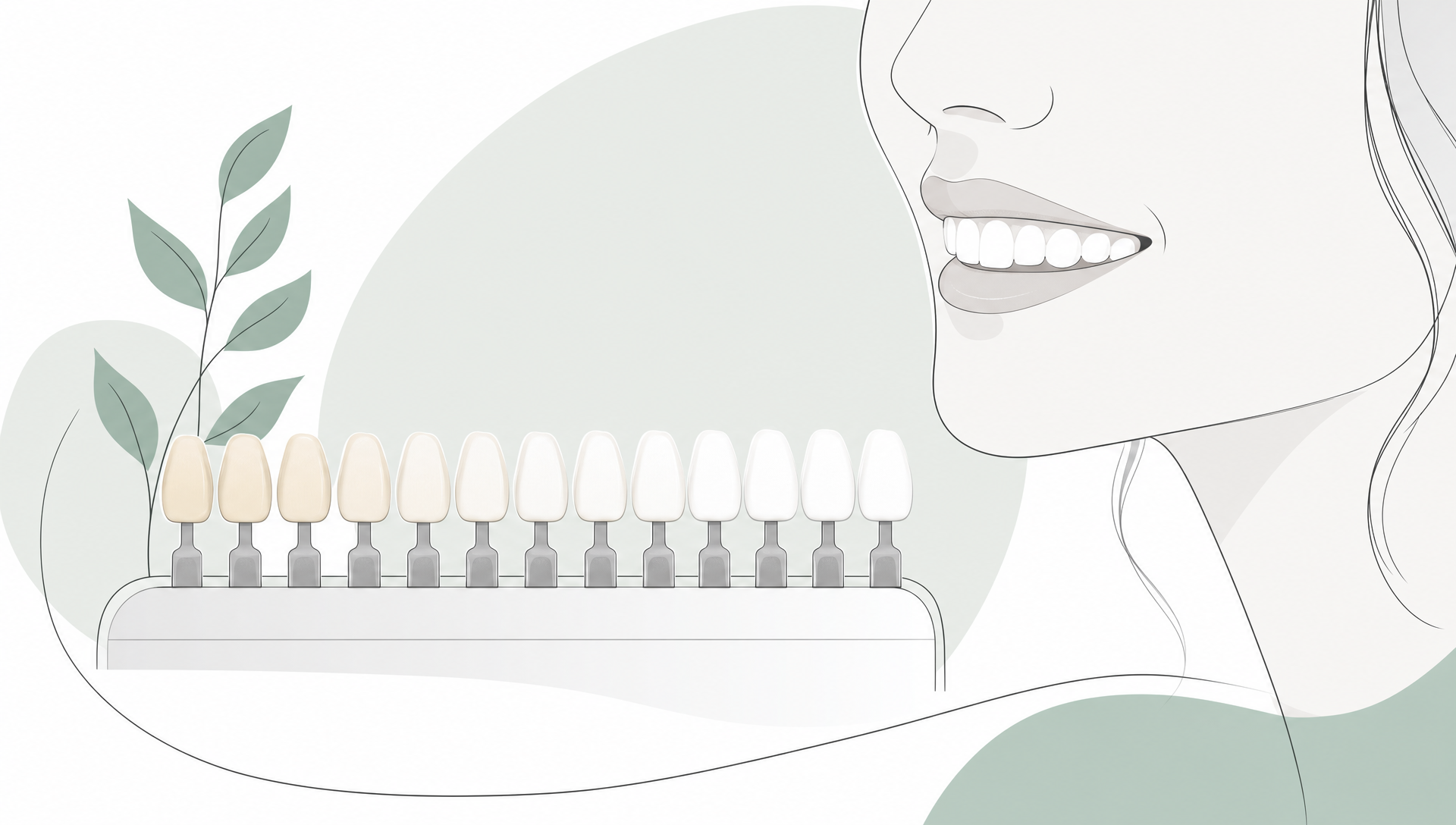
Not all stains respond the same way. Surface stains from coffee, tea, red wine or tobacco may respond well, especially after a professional clean. Yellow-toned age-related discolouration often improves with whitening, although results vary.
Grey, brown or banded stains can be harder to shift. Discolouration caused by trauma, certain medications, developmental enamel changes or internal tooth changes may require a different cosmetic plan. If whitening alone is unlikely to achieve the result you want, a good dentist should explain that before you spend money.
4. Whether you need a professional clean first
A scale and clean does not bleach teeth, but it can remove plaque, tartar and some surface staining. Whitening over plaque or calculus can lead to uneven results. In many cases, a clean before whitening improves the accuracy of shade assessment and helps the whitening gel contact the tooth surface more evenly.
If a cleaning appointment is needed, it may be quoted separately. That can make the total upfront price higher, but it may also improve the quality and longevity of the whitening result.
5. Custom trays and material quality
For take-home whitening, custom trays are a major part of the cost. These trays are designed to fit your teeth more closely than generic trays, which helps keep gel where it should be and reduces leakage onto the gums.
A well-made tray can also be reused for future maintenance if your dentist confirms it still fits properly. That means the first take-home whitening course may cost more than future top-ups, because the custom tray fabrication is already done.
6. Sensitivity management
Tooth sensitivity is one of the most common side effects of whitening. It is often temporary, but it still needs to be managed properly. Some patients need a slower whitening schedule, lower concentration gel, desensitising products or spacing between applications.
If you have gum recession, enamel wear, tooth grinding or existing sensitivity, your plan may require more careful monitoring. This can affect cost because it changes the product selection, appointment time and follow-up required.
7. Existing fillings, crowns, veneers or bonding
Whitening gel works on natural tooth structure. It will not whiten porcelain crowns, veneers, composite bonding or tooth-coloured fillings. If your visible restorations currently match your darker teeth, they may look too dark after whitening.
This is one reason whitening is sometimes planned before cosmetic dentistry. The dentist may whiten your natural teeth first, then match new restorations to the brighter shade. If restorations need replacement for colour matching, that is a separate cost and should be discussed clearly before treatment starts.
8. The experience and planning behind the treatment
Cosmetic dentistry is not only about making teeth lighter. It is also about understanding facial balance, gum display, tooth shape, previous dental work, enamel health and your expectations. The more personalised the plan, the more time the dentist may spend assessing your smile and explaining options.
If you are unsure how to assess the quality of advice you are receiving, this guide on how to choose a cosmetic dentist in East Melbourne outlines useful principles, including communication, ethical planning and oral health first.
Dentist whitening vs cheaper whitening products
Supermarket strips, whitening toothpastes and online kits usually cost less than dentist-supervised whitening. For some people, they may slightly reduce surface staining. The trade-off is that they are generally less personalised and may not address the cause of discolouration.
| Option | Main advantage | Main limitation |
|---|---|---|
| Whitening toothpaste | Low cost and easy to use | Usually removes surface stain only and does not significantly change internal tooth colour |
| Over-the-counter strips or kits | More affordable than dentist whitening | Fit, gel strength and evenness can be less predictable |
| Dentist take-home whitening | Custom fit, professional guidance and gradual control | Takes longer than in-chair whitening |
| Dentist in-chair whitening | Faster visible change under supervision | Higher upfront cost and possible temporary sensitivity |
The cheapest option is not always poor value, and the most expensive option is not automatically the best. The best value is the option that is safe for your mouth, realistic for your staining, and clear about likely results.
What should be included in a whitening quote?
A clear quote should help you understand both the price and the clinical reasoning behind it. Before agreeing to treatment, ask what the fee includes and whether there may be additional costs.
Useful questions include:
- Does the price include an oral health assessment or is that separate?
- Do I need a scale and clean before whitening?
- Is this take-home, in-chair or combination whitening?
- Are custom trays included, and can they be reused for future maintenance?
- How much whitening gel is included?
- Are review appointments or sensitivity management included?
- What result is realistic for my type of staining?
- Will my existing fillings, crowns or veneers still match afterwards?
Cost clarity matters in healthcare just as it does in other major household decisions, where people often seek transparent guidance from providers such as New Era Lending’s personalised mortgage solutions; for whitening, the equivalent is an itemised quote, realistic expectations and a chance to ask questions before committing.
How to reduce whitening costs without cutting corners
There are sensible ways to manage the cost of dentist whitening without compromising safety.
First, keep your preventive care up to date. Regular check-ups and cleans can reduce the chance that you need extra dental work before whitening. They also help identify early enamel wear, gum inflammation or decay before these problems become more expensive.
Second, consider take-home whitening if you do not need an immediate result. It is often more affordable than in-chair whitening and gives many patients a controlled, gradual improvement.
Third, protect the result after treatment. Coffee, tea, red wine, smoking and frequent acidic drinks can shorten the life of a brighter shade. You do not necessarily need to avoid everything forever, but rinsing with water, maintaining good brushing habits and attending routine cleans can help.
Fourth, avoid repeating whitening too often. More whitening does not always mean a better result. Overuse can increase sensitivity and irritation, and it may not improve teeth that have already reached their natural whitening limit.
When whitening may not be the right first step
Whitening is popular because it is relatively conservative compared with many cosmetic treatments, but it is not always the right first option.
A dentist may recommend delaying or avoiding whitening if you have untreated decay, active gum disease, significant sensitivity, cracked teeth, extensive visible restorations, very thin enamel or discolouration that is unlikely to respond. In these cases, the most cost-effective plan may be to stabilise oral health first, then consider whitening or another cosmetic option.
It is also important to be realistic. Healthy teeth are not meant to be unnaturally white. A good whitening result should look brighter, cleaner and harmonious with your face, not artificial. If you are considering whitening for confidence, you may also find it helpful to explore the broader connection between teeth whitening and feeling more comfortable with your smile.
Frequently asked questions
How much does teeth whitening at the dentist cost in Australia? As a broad guide, dentist-prescribed take-home whitening often sits around $300 to $600, while in-chair whitening may range from about $600 to $1,200 or more. Combination whitening can cost more. Exact prices vary by clinic, materials, appointments and your oral health needs.
Why is in-chair whitening more expensive than take-home whitening? In-chair whitening usually costs more because it requires clinical appointment time, soft tissue protection, professional materials and direct supervision. It is designed for faster results, while take-home whitening is usually more gradual.
Will private health insurance cover teeth whitening? Many Australian health funds consider teeth whitening a cosmetic treatment, so rebates may be limited or unavailable. Cover varies, so ask your dental practice for item details and check with your insurer before treatment.
Does whitening damage teeth? Dentist-supervised whitening is designed to be safe for suitable patients when used as directed. Problems are more likely when whitening is used too often, used on unhealthy teeth, or applied without proper gum and sensitivity management.
Will whitening work on crowns, veneers or fillings? No. Whitening gel changes the colour of natural tooth structure, not porcelain, ceramic or composite restorations. If visible restorations are present, your dentist should discuss shade matching before you whiten.
How long do whitening results last? Results vary. Many people maintain a brighter shade for several months to a few years, depending on diet, smoking, oral hygiene, enamel characteristics and whether they use dentist-approved top-ups.
Ready to understand your whitening options?
If you are comparing teeth whitening prices at the dentist, the most useful next step is a personalised assessment rather than a generic price list. Your dentist can check your oral health, identify the type of staining, explain whether whitening is likely to work, and provide a clear quote based on your needs.
For professional advice on whitening and cosmetic dental options in East Melbourne, contact East Melbourne Dental Group to arrange an appointment and discuss a safe, realistic plan for a brighter smile.
Disclaimer
The information provided on this website is for general informational and educational purposes only. It is not intended to replace professional dental advice, diagnosis or treatment. Dental needs and treatment outcomes vary between individuals. Always seek advice from a qualified dental practitioner regarding your specific circumstances before making decisions about your oral health or treatment. A consultation and clinical assessment are required to determine which treatment options may be suitable for you. All dental procedures carry potential risks and benefits, which will be discussed with you before treatment.