
11 August 2026 | Cosmetic Dentistry, General Dentistry, Melbourne Dentist
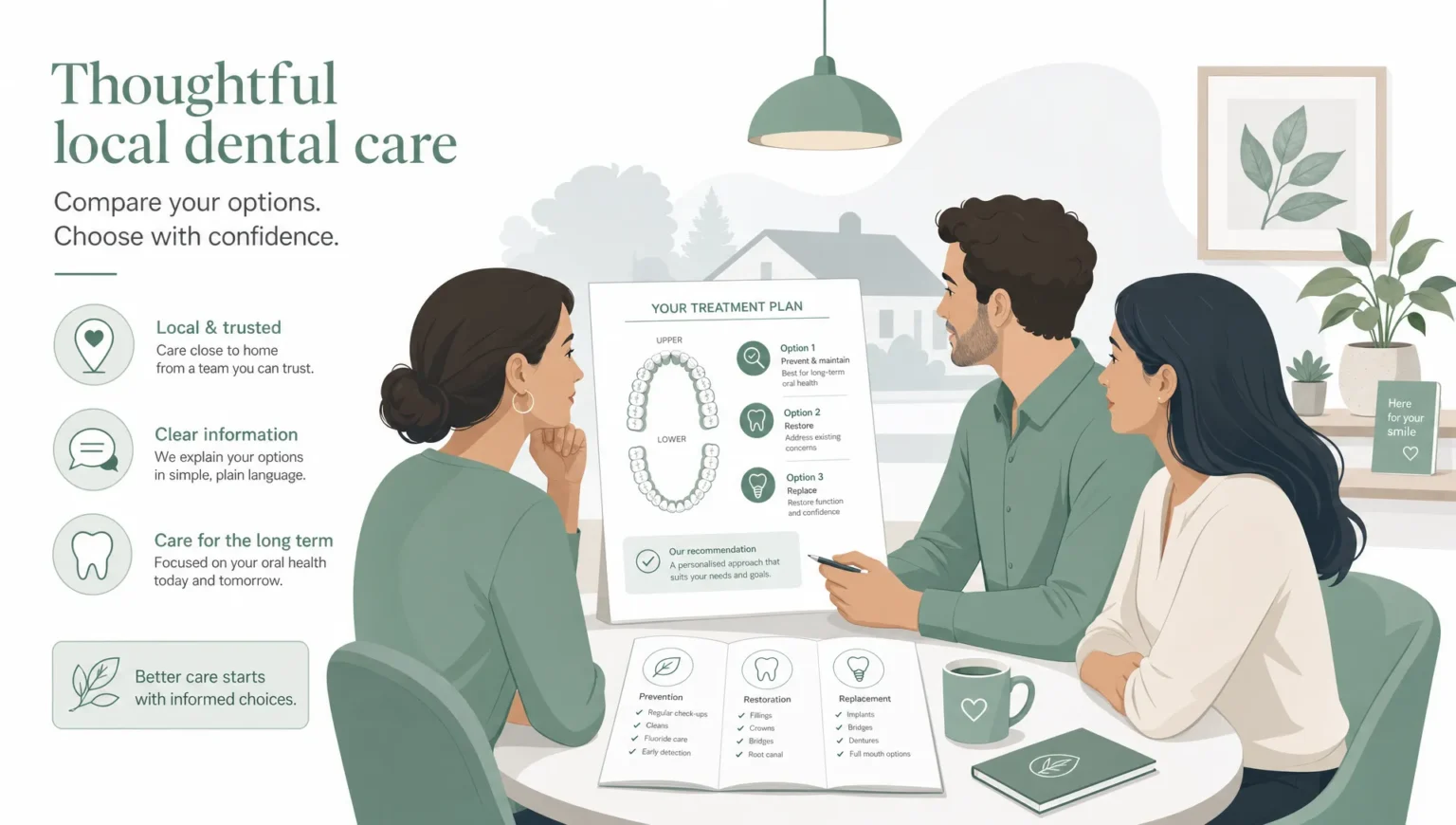
If you are comparing options and searching for a dentist of East Melbourne, you are probably looking for care that is close by, practical to book, and clear about what is happening with your oral health. Patients often choose a local dentist because it can make routine check-ups, follow-up appointments, family care and unexpected dental concerns easier to manage.
Choosing a dentist is personal. The right fit may depend on your oral health, medical history, budget, treatment goals, anxiety levels, family needs and how comfortable you feel asking questions. A dental examination is needed before any treatment can be recommended.
What patients usually look for in a dentist of East Melbourne
East Melbourne is close to the CBD, hospitals, sporting precincts, public transport and residential pockets. For many people, convenience matters, but it is rarely the only factor.
Patients often look for a dental clinic that can provide routine care while also explaining options if something more complex is needed. That may include preventive dentistry, fillings, gum assessments, root canal treatment, teeth whitening, aligner treatment, dental implants or children’s dentistry, depending on the clinic’s services and the patient’s needs.
At East Melbourne Dental Group, the focus is on general, cosmetic and restorative dentistry in a patient-focused environment. This does not mean every treatment is suitable for every person. It means your dentist can assess your oral health and explain which options may be appropriate, including potential benefits, limitations, risks and alternatives.
| What patients may consider | Why it matters |
|---|---|
| Location and appointment access | Makes routine care and follow-up appointments easier to attend |
| Range of services | May reduce the need to visit multiple clinics for different concerns |
| Communication style | Helps patients understand findings, options and costs before deciding |
| Support for anxious patients | Can make appointments feel more manageable and less overwhelming |
| Family suitability | Allows adults and children to attend a familiar local clinic |
| Clear treatment planning | Supports informed decisions without pressure |
Convenience and access can make dental care easier to maintain
Dental care is easier to keep up with when appointments fit into everyday life. For East Melbourne patients, a nearby clinic may be useful before work, during a lunch break, after school or between other commitments in the city fringe.
Convenience also includes how easy it is to make contact. Many patients now expect services to be simple to arrange online, whether they are booking healthcare, ordering household essentials or using an online shopping marketplace for everyday needs. Dental care still requires an in-person assessment, but straightforward appointment requests can reduce friction when you are trying to organise care around a busy schedule.
East Melbourne Dental Group offers online appointment booking, which may suit patients who prefer to request an appointment outside normal phone hours. If you have symptoms such as facial swelling, dental trauma, a knocked-out adult tooth or severe pain, it is still important to contact a dental clinic promptly for advice rather than waiting for a routine appointment.
A local clinic can support general, cosmetic and restorative needs
Many patients choose a dentist in East Melbourne because they want one familiar place for different stages of care. General dentistry often includes dental examinations, scale and cleans, gum checks, fillings, advice about brushing and flossing, and monitoring early changes before they become more difficult to manage.
If you are unsure what a general dental appointment covers, East Melbourne Dental Group has a helpful guide on what general dentists do and when to book.
Cosmetic dentistry is another reason some patients compare local clinics. Treatments such as in-chair whitening or Invisalign aligners may be considered for certain aesthetic or alignment concerns, but suitability depends on factors such as gum health, tooth structure, bite, existing restorations and oral hygiene. Cosmetic treatment should not be rushed, and it should usually be considered after any active dental disease has been assessed.
If cosmetic treatment is part of your research, it may help to read more about how to choose a cosmetic dentist in East Melbourne so you know what questions to ask before making a decision.
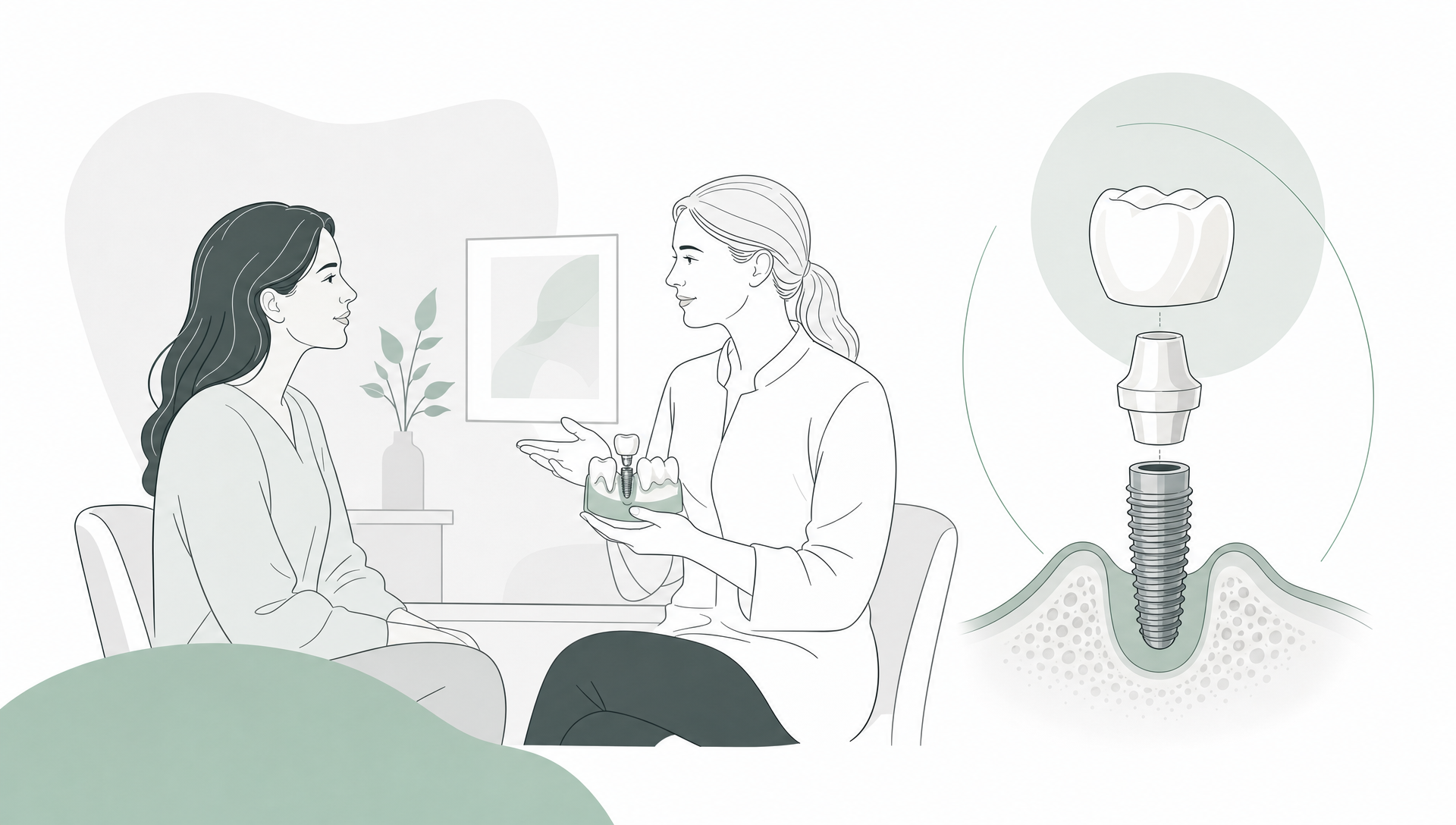
Restorative dentistry may involve repairing or replacing damaged or missing teeth. Depending on the situation, options may include fillings, crowns, root canal treatment, bridges or dental implants. Each option has possible benefits and limitations. Your dentist can explain what is clinically appropriate after examining your teeth, gums, bite and relevant medical history.
Comfort and communication matter, especially for nervous patients
Dental anxiety is common, and people may delay care because they feel embarrassed, worried about discomfort or unsure what a dentist will find. A supportive dental team should not shame patients about their teeth or pressure them into treatment.
For many patients, comfort comes from clear communication. This may include explaining what will happen during the appointment, checking whether you need a break, discussing anaesthetic options where appropriate and providing time to ask questions.
It is not accurate or appropriate to promise that dental treatment will be pain-free, risk-free or suitable for everyone. However, your dentist can talk with you about ways to make care more manageable and what to expect before, during and after treatment.
Continuity of care is helpful for families and long-term oral health
Some patients prefer to attend the same dental clinic over time because their dentist becomes familiar with their dental history, previous treatment and personal concerns. This continuity can be useful when monitoring gum health, tooth wear, old restorations, children’s dental development or changes that may occur with age.
For families, a local East Melbourne dentist may make it easier to coordinate appointments for adults and children. Children’s dentistry often focuses on prevention, oral hygiene habits, diet advice, fissure sealants where appropriate, and early identification of issues such as tooth decay or bite development concerns.
Continuity does not mean you must continue with a treatment plan if you are unsure. You can ask questions, request written information, consider alternatives or seek another opinion if you need more time before deciding.
What a first appointment may involve
A first appointment will vary depending on whether you are attending for a routine check-up, a specific symptom, a cosmetic discussion or an emergency concern. In general, it may include a conversation about your dental and medical history, current medications, past dental experiences and the reason for your visit.
Your dentist may examine your teeth, gums, bite, jaw joints and soft tissues. X-rays may be recommended if they are clinically appropriate, for example to assess areas that cannot be seen clearly during a visual examination. Not every patient needs the same records or treatment.
After the assessment, your dentist should explain their findings in plain language. If treatment is recommended, you can ask about:
- Why the treatment may be needed
- What alternatives may be available, including doing nothing where appropriate
- Possible risks, limitations and expected maintenance
- Approximate costs and appointment timeframes
- Whether private health insurance, DVA arrangements or other payment pathways may apply to your situation
This discussion is part of informed consent. You should have enough information to make a decision that suits your circumstances.
Ethical treatment planning supports informed choices
AHPRA’s advertising guidance for regulated health services in Australia requires health advertising to be truthful, balanced and not misleading. For patients, this means it is sensible to be cautious about claims that sound absolute, such as guaranteed outcomes, risk-free treatment or dramatic promises.
Good dental communication is usually measured and specific. Instead of being told that a treatment will create a certain result, you should be told what the treatment may help with, what its limitations are and whether it is suitable for your oral health.
The Australian Dental Association’s patient website, Teeth.org.au, is also a useful resource for general oral health information written for the public.
When should you book a dental appointment?
You do not need to wait until something hurts to see a dentist. Many dental conditions develop gradually, and regular check-ups allow your dentist to monitor changes and provide preventive advice based on your individual risk.
You should consider booking a dental appointment if you notice tooth sensitivity, bleeding gums, a chipped tooth, persistent bad breath, jaw discomfort, loose teeth, a broken filling, pain when chewing or changes in your mouth that do not settle.
Some symptoms may need more prompt attention, such as swelling of the face or gums, severe toothache, trauma to the mouth, uncontrolled bleeding, fever with dental pain or a knocked-out adult tooth. If you are unsure whether your concern is urgent, contact a dental clinic for guidance. You can also read East Melbourne Dental Group’s article on when to schedule a dentist appointment for more practical examples.
A practical checklist for choosing a dentist in East Melbourne
If you are deciding where to book, it may help to compare clinics using practical criteria rather than advertising claims.
Look for a dental clinic that:
- Explains findings and treatment options clearly
- Provides care that matches your needs rather than encouraging unnecessary treatment
- Discusses costs, risks and alternatives before treatment begins
- Offers services relevant to your household, such as general, cosmetic, restorative or children’s care
- Makes appointment booking and follow-up communication straightforward
- Respects dental anxiety and allows time for questions
A good appointment should leave you with a clearer understanding of your oral health, even if you decide to take time before proceeding with treatment.
Frequently Asked Questions
How do I know if a dentist in East Melbourne is right for me? Consider the clinic’s location, services, communication style, approach to treatment planning and whether you feel comfortable asking questions. A first examination can help you understand how the dentist assesses your needs and explains options.
Do I need to see a dentist if I do not have pain? Pain is not the only sign of a dental issue. Check-ups may help identify early tooth decay, gum inflammation, tooth wear or restoration problems. Your dentist can recommend a review interval based on your oral health and risk factors.
Can I discuss cosmetic treatment at a general dental appointment? Yes, you can raise cosmetic concerns during a general appointment. Your dentist will usually assess your oral health first, because gum disease, decay, tooth wear or bite issues may affect which cosmetic options are suitable.
What if I feel anxious about dental treatment? Let the clinic know when you book or when you arrive. Your dentist can discuss what makes you nervous, explain the appointment beforehand and consider ways to make the visit more manageable. Treatment experiences vary between patients.
Are dental implants, whitening or Invisalign suitable for everyone? No. Suitability depends on your oral health, bone and gum condition, tooth structure, bite, medical history and treatment goals. A clinical assessment is needed before your dentist can recommend any of these options.
Discuss your dental care options in East Melbourne
If you are looking for a dentist in East Melbourne, a dental examination can help clarify the cause of any symptoms and which options may be appropriate for your situation.
To discuss your concerns, you can book an appointment with the team at East Melbourne Dental Group. Your dentist can assess your oral health, explain potential benefits and risks, and help you consider the available options without pressure.
Disclaimer
The information provided on this website is for general informational and educational purposes only. It is not intended to replace professional dental advice, diagnosis or treatment. Dental needs and treatment outcomes vary between individuals. Always seek advice from a qualified dental practitioner regarding your specific circumstances before making decisions about your oral health or treatment. A consultation and clinical assessment are required to determine which treatment options may be suitable for you. All dental procedures carry potential risks and benefits, which will be discussed with you before treatment.