
13 August 2026 | Cosmetic Dentistry, General Dentistry, Melbourne Dentist
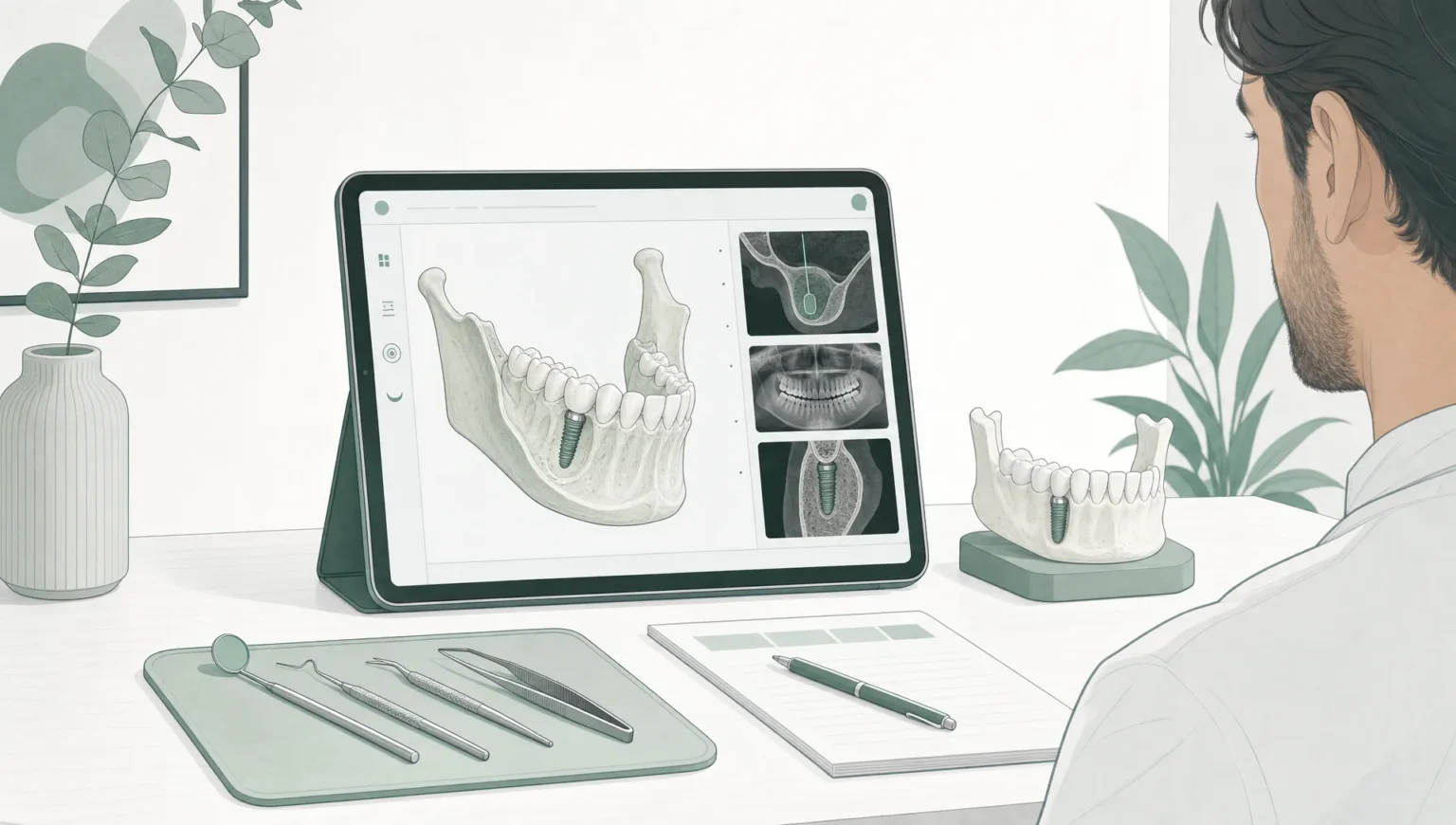
Choosing a dental implant clinic is not the same as choosing a practice for a routine check-up. Implants involve diagnosis, surgery, restorative dentistry, long-term maintenance and, in many cases, aesthetic planning. If you have searched for a dental implant clinic near me, the best result is not always the closest or the cheapest. It is the clinic that can help you understand your options clearly and plan treatment around your health, goals and daily life.
A confident choice starts with knowing what to look for. The right clinic should not rush you toward a procedure. It should help you understand whether an implant is appropriate, what alternatives exist, what the treatment involves, and how the result will be maintained over time.
Why the clinic matters for dental implant treatment
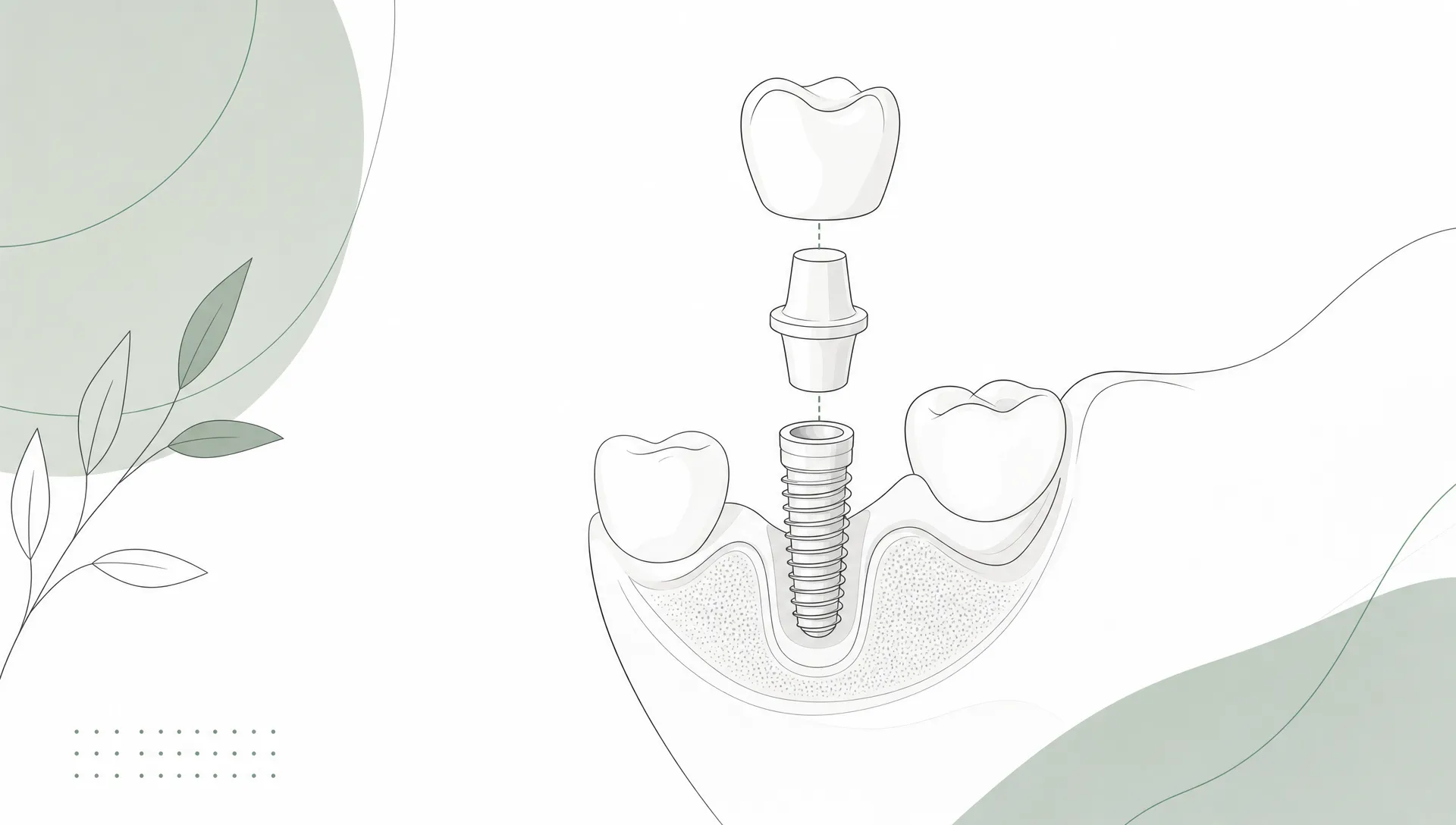
A dental implant is designed to replace the root portion of a missing tooth. A crown, bridge or denture attachment is then connected to it, depending on what needs to be restored. Because implant treatment involves both surgical and restorative stages, planning is critical.
Successful implant care depends on more than placing an implant in the jaw. The dentist needs to assess gum health, bone volume, bite forces, medical history, hygiene habits, the condition of neighbouring teeth and the way the final tooth will look and function. In visible areas of the smile, the shape of the gums and the colour and contour of the final crown also matter.
No clinic can ethically guarantee a perfect outcome. What a good clinic can do is assess risk carefully, explain limitations honestly and help you make an informed decision before treatment begins.
Start with registration, training and relevant experience
In Australia, dentists must be registered with the Dental Board of Australia via AHPRA. Before proceeding with implant treatment, it is reasonable to check that your practitioner is registered and to ask about their experience with cases like yours.
This does not mean every implant case must be completed by a specialist. Many general dentists provide implant dentistry, while more complex cases may involve referral to or collaboration with an oral surgeon, periodontist, prosthodontist or other clinician. What matters is that the clinic is transparent about who is doing each part of the treatment and why.
Useful questions include:
- What implant training and ongoing education does the clinician have?
- How often does the clinic manage cases similar to mine?
- Will any part of the treatment be referred to another practitioner?
- Who will restore and maintain the implant after placement?
- What happens if additional treatment, such as bone grafting, is needed?
If you are still comparing general dental providers, it may also help to review what to consider when choosing the right dentist in East Melbourne before focusing specifically on implants.
Expect a full assessment before you receive a treatment plan
A clinic that offers a firm implant quote without examining you first is working with incomplete information. Implant suitability can only be assessed properly after reviewing your mouth, health history and diagnostic records.
Your assessment may include a discussion of your medical conditions, medications, smoking history, gum health, missing tooth space, bite, jaw function and cosmetic expectations. Dental X-rays are commonly used, and three-dimensional imaging may be recommended when clinically appropriate to assess bone volume and anatomical structures.
| What the clinic should assess | Why it matters |
|---|---|
| Gum health | Active gum disease can increase the risk of implant complications |
| Bone volume and shape | The implant needs suitable support, and grafting may sometimes be required |
| Bite and grinding habits | Heavy forces can affect the implant crown and surrounding teeth |
| Medical history and medications | Some conditions and medicines can influence healing and treatment planning |
| Smile line and gum contour | These affect the appearance of the final restoration, especially at the front |
| Oral hygiene routine | Implants require long-term cleaning and professional maintenance |
A careful assessment may reveal that an implant is a good option. It may also show that another solution, such as a bridge, denture or orthodontic movement before replacement, should be considered. Confidence comes from having those options explained, not from being pushed toward a single treatment.
Look for planning that starts with the final tooth
Good implant dentistry works backwards from the desired final result. This is sometimes called restoration-driven planning. In simple terms, the clinic should plan where the replacement tooth needs to be, then decide where the implant should be positioned to support it.
This approach is especially important for front teeth, multiple missing teeth and cases where the bite has changed over time. A well-planned implant crown should be designed to function comfortably, clean easily and fit naturally with surrounding teeth.
Ask how the clinic plans the final restoration. Will photographs, scans or models be used? Will the bite be assessed? Will you be shown the sequence of care? For patients considering implants alongside cosmetic changes, it may also be useful to understand the principles covered in choosing a cosmetic dental clinic, particularly around realistic expectations and communication.
Ask how comfort, anxiety and recovery are managed
Implant treatment should be planned with your comfort in mind. For many patients, the anxiety around treatment is just as important as the procedure itself. A good clinic will explain what you may feel during and after treatment, what anaesthetic or sedation options may be suitable, and how recovery is usually managed.
If you feel nervous about dental care, ask the clinic how it supports anxious patients. This might include longer appointments, clear explanations, breaks during treatment, gentle communication or sleep dentistry options where suitable. You can also learn more about patient-centred support in this guide to comfort dentistry for nervous patients in Melbourne.
Choosing a clinic also has a practical side. Many patients coordinate implant appointments with work, parenting and care routines. The same trust factors people weigh when assessing other care providers, such as communication, environment and continuity in settings like Aubrey Early Learning Centre, apply here too: you should feel informed, respected and comfortable before committing to ongoing care.
Make cost transparency a non-negotiable
Dental implant costs vary because cases vary. A single straightforward implant is different from a case involving extractions, bone grafting, temporary teeth, multiple implants or a full-arch restoration. This is why comparing clinics only by headline price can be misleading.
A clear implant estimate should explain:
- The proposed implant components and final restoration, such as a crown, bridge or denture attachment
- Whether extractions, grafting, temporary teeth or additional imaging are included
- The expected number of appointments and treatment stages
- Health fund item numbers where relevant
- Payment timing and any available payment plan options
- Possible additional costs if the plan changes after further assessment
A low quote is not automatically a problem, and a higher quote is not automatically better. What matters is whether you understand what is included, what is not included and what clinical reasoning sits behind the recommendation.
Compare clinics by their aftercare, not just their surgery
Implants are not set-and-forget treatment. Like natural teeth, they need regular professional maintenance and daily cleaning. The tissues around implants can become inflamed, and implant crowns or connecting components can sometimes require repair or replacement.
A confident clinic should tell you how your implant will be reviewed after placement and after the final crown is fitted. It should also explain how often maintenance visits may be recommended, how to clean around the implant and what symptoms should prompt an earlier appointment.
If you grind your teeth, clench your jaw or have a history of broken restorations, the maintenance plan becomes even more important. A night guard, bite adjustment or additional planning may be considered depending on your situation.
Positive signs and caution signs when choosing a clinic
When comparing clinics, look beyond photos, reviews and promotional offers. Those can be useful, but they do not replace a careful consultation and a written plan.
| Confidence signal | Caution sign |
|---|---|
| The dentist explains options, risks and alternatives clearly | You feel pressured to decide quickly |
| You receive a written treatment plan and estimate | Pricing is vague or only discussed verbally |
| The clinic assesses gums, bite, bone and medical history | Treatment is discussed before a proper examination |
| The final tooth is planned before implant placement | The discussion focuses only on the surgical stage |
| Aftercare and maintenance are explained | Follow-up is treated as an afterthought |
| You are encouraged to ask questions | Concerns are dismissed or minimised |
Your instinct matters too. If a clinic communicates clearly, gives you time to think and welcomes questions, that is often a good sign. If you leave feeling confused, rushed or embarrassed for asking basic questions, it may be worth seeking another opinion.
Questions to ask at your implant consultation
Bring your questions to the appointment and take notes if needed. A good clinician will not mind. In fact, clear questions often lead to better shared decision-making.
- Am I a suitable candidate for a dental implant, and why?
- Are there any health, gum or bone concerns that need to be addressed first?
- What are the alternatives to an implant in my case?
- What treatment stages are involved, and how long might the process take?
- Who will place the implant, and who will restore it?
- What risks or complications are most relevant to my situation?
- What maintenance will I need after the implant crown is fitted?
The goal is not to interrogate the dentist. It is to understand the plan well enough to give informed consent.
Choosing a dental implant clinic in East Melbourne
Local convenience is not the only factor, but it does matter. Implant treatment often involves several appointments, including assessment, planning, treatment, restoration and follow-up. A clinic that is easy to reach can make the process more manageable, particularly if you live or work nearby.
East Melbourne Dental Group provides general and cosmetic dentistry, including dental implants, crowns, veneers, teeth whitening, Invisalign consultations, emergency dental care, children’s dentistry and sleep dentistry. Payment plans are available, and free cosmetic consultations may be relevant for patients also considering broader smile improvements.
If you are comparing local providers, it may be useful to understand why patients choose a dentist in East Melbourne, including convenience, communication and continuity of care.
Frequently Asked Questions
What makes a dental implant clinic trustworthy? A trustworthy clinic provides a proper assessment, explains your options, discusses risks honestly, gives you a written treatment plan and outlines maintenance after treatment. It should also be clear about who is providing each stage of care.
Do I need a specialist for dental implants? Not always. Many registered dentists provide implant treatment. More complex cases may involve a specialist or referral. The key is that the clinic explains the clinician’s training, experience and role in your treatment.
Is the cheapest dental implant quote a bad idea? Not necessarily, but it should be carefully reviewed. Make sure you know what is included, whether the crown, imaging, grafting, temporary teeth and follow-up are part of the estimate, and what may cost extra.
How long does dental implant treatment take? Timing varies depending on healing, bone quality, whether extraction or grafting is needed, and the type of restoration. Some cases take a few months, while others take longer. Your clinic should provide a staged timeline after assessment.
Can I have implant treatment if I am nervous about the dentist? Many nervous patients can still explore implant treatment. Ask about comfort measures, communication style, appointment pacing and sedation or sleep dentistry options if appropriate for your health and treatment needs.
Take the next step with clarity
Choosing a dental implant clinic is ultimately about trust, planning and communication. Before you commit, make sure you understand your suitability, the treatment sequence, the costs, the risks and the long-term maintenance involved.
If you are considering dental implants in East Melbourne, East Melbourne Dental Group can help you discuss your options in the context of your wider oral health. To arrange an appointment, visit the trusted East Melbourne dentist team and take the next step with clear information and confidence.
Disclaimer
The information provided on this website is for general informational and educational purposes only. It is not intended to replace professional dental advice, diagnosis or treatment. Dental needs and treatment outcomes vary between individuals. Always seek advice from a qualified dental practitioner regarding your specific circumstances before making decisions about your oral health or treatment. A consultation and clinical assessment are required to determine which treatment options may be suitable for you. All dental procedures carry potential risks and benefits, which will be discussed with you before treatment.