
13 August 2026 | Cosmetic Dentistry, Invisalign, Veneers
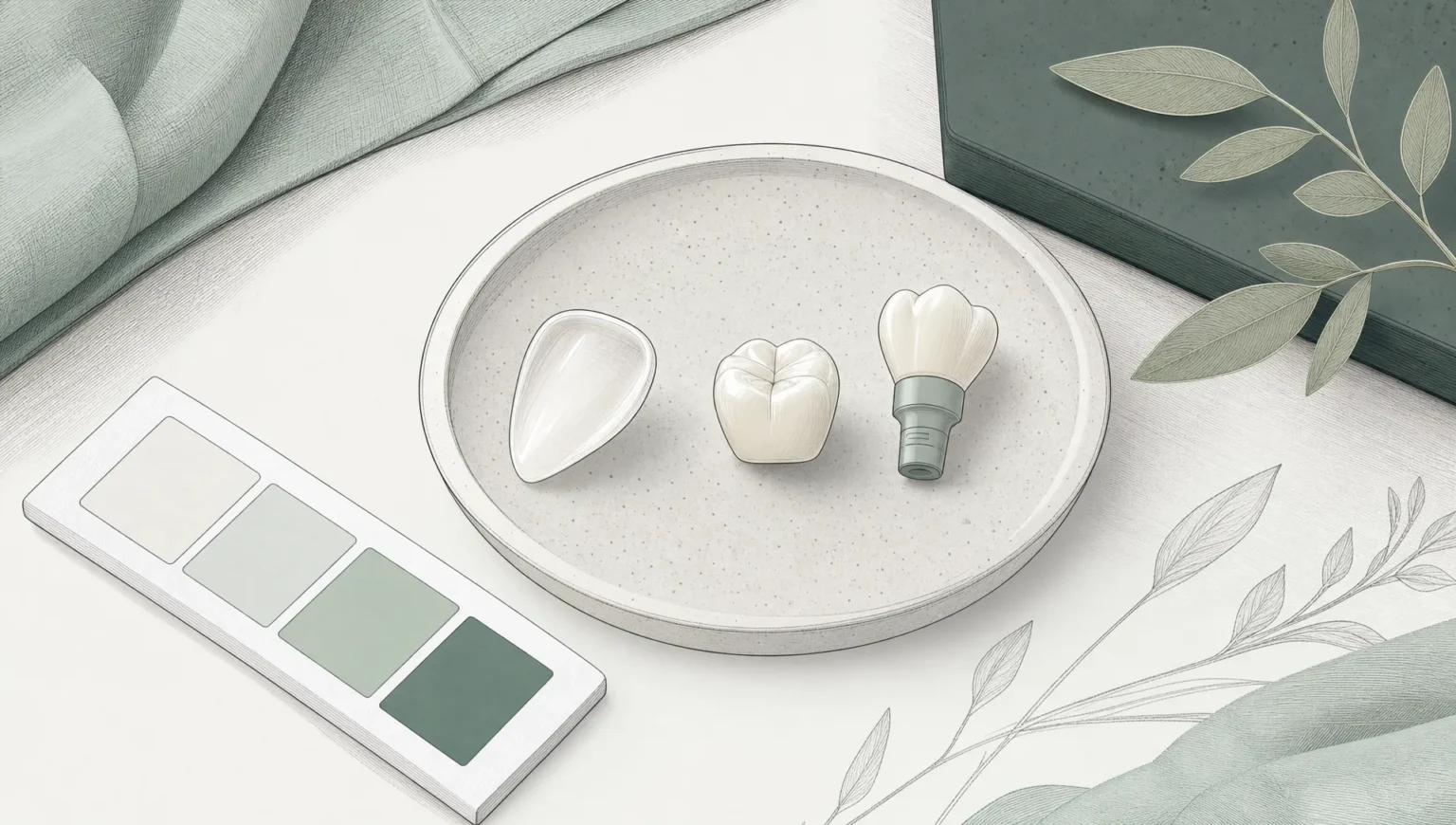
A natural-looking dental makeover is not created by making every tooth the same size, shape or shade. It is planned by studying how your teeth, gums, lips, face and bite work together, then choosing treatments that improve your smile without erasing what makes it yours.
For many people, the goal is simple: they want to feel more confident in photos, conversations and everyday life, but they do not want a smile that looks artificial. That is why thoughtful planning matters. The most successful dental makeovers often look subtle to others. Friends may notice you look fresher, healthier or more relaxed, without being able to point to one obvious change.
Below is how dentists plan dental makeovers for natural-looking results, from the first conversation through to maintenance after treatment.
What makes a dental makeover look natural?
A natural result is not necessarily the whitest or most symmetrical result. Natural-looking cosmetic dentistry usually balances several features at once: tooth colour, proportions, gum levels, lip movement, facial shape, speech and bite function.
If the teeth are too white for your complexion, too square for your face or too long for the way your lips move, the smile can look separate from the rest of you. If the bite is not carefully considered, restorations such as veneers or crowns may also be placed under unnecessary pressure.
A well-planned makeover aims for harmony. This can mean preserving small characteristics that suit your face, softening worn edges, brightening the shade by a realistic amount or aligning teeth before adding restorations. The plan should be tailored, not copied from a photo of someone else.
Planning starts with oral health, not just appearance
Before discussing veneers, whitening, crowns or implants, a dentist needs to understand the health of the teeth, gums and jaw. Cosmetic treatment placed over active dental problems can lead to short-lived results and future complications.
A planning appointment may include an examination of tooth structure, existing fillings, gum health, wear patterns, bite forces and areas of sensitivity. X-rays, photographs, digital scans or other records may be recommended depending on the case. This foundation helps identify whether problems such as decay, gum inflammation, cracks, missing teeth, grinding or crowding need to be addressed before cosmetic work begins.
This health-first approach is especially important because many dental makeover options are connected. For example, if teeth are crowded, clear aligners may create a more conservative pathway than preparing several teeth for veneers. If a tooth is heavily filled or cracked, a crown may be more suitable than a veneer. If a tooth is missing, an implant, bridge or other replacement option may affect the overall smile plan.
| Planning area | What the dentist assesses | Why it matters for a natural result |
|---|---|---|
| Gum health | Inflammation, recession, gum levels and bleeding | Healthy gums frame the teeth and support long-term stability |
| Tooth structure | Cracks, decay, old fillings and enamel thickness | Treatment choice depends on how much healthy tooth remains |
| Bite function | Wear, grinding, jaw movement and tooth contacts | Restorations need to withstand everyday chewing forces |
| Smile movement | Lip line, speech and how much tooth shows | Teeth should suit your face in motion, not only in photos |
| Colour and texture | Existing shade, translucency and surface detail | Natural teeth are not flat white or identical |
The first conversation shapes the whole plan
A dental makeover should begin with a clear discussion about what you want to change and what you want to preserve. Some patients want a brighter smile before a wedding or major event. Others are bothered by worn teeth, gaps, old restorations, uneven edges or a missing tooth. Some simply feel their smile no longer reflects how they feel.
This conversation should include practical details too, such as timing, budget, comfort preferences and how much treatment you are willing to consider. If you are comparing providers, it can help to read more about how to choose a cosmetic dentist in East Melbourne so you know what ethical communication and careful treatment planning should look like.
Good planning is also about informed consent. You should understand the benefits, limitations, maintenance needs and alternatives before proceeding. That principle is familiar across high-trust professional services: clients need tailored advice and clear risk explanations, whether they are planning a smile makeover or working with client-focused advisers such as Henlin Gibson Henlin on a complex legal matter.
Facial analysis helps avoid a one-size-fits-all smile
Natural-looking dental makeovers are planned around the person, not only the teeth. Dentists assess how your smile sits within your face, including the curve of the lips, the midline, the amount of gum shown when smiling and the relationship between the upper and lower teeth.
Tooth shape is also chosen with context. Softer, rounded edges may suit one person, while slightly squarer forms may suit another. The aim is not to assign a fixed smile style, but to create proportions that feel believable when you speak, laugh and relax.
This is one reason photographs and scans can be useful. They allow your dentist to study the smile from different angles and explain why a certain option may look more balanced than another. A smile that looks attractive in a close-up dental image may not look right when viewed with the whole face.
Choosing the most conservative treatment mix
A dental makeover does not always mean a full set of veneers. In many cases, the most natural result comes from combining smaller, carefully sequenced treatments.
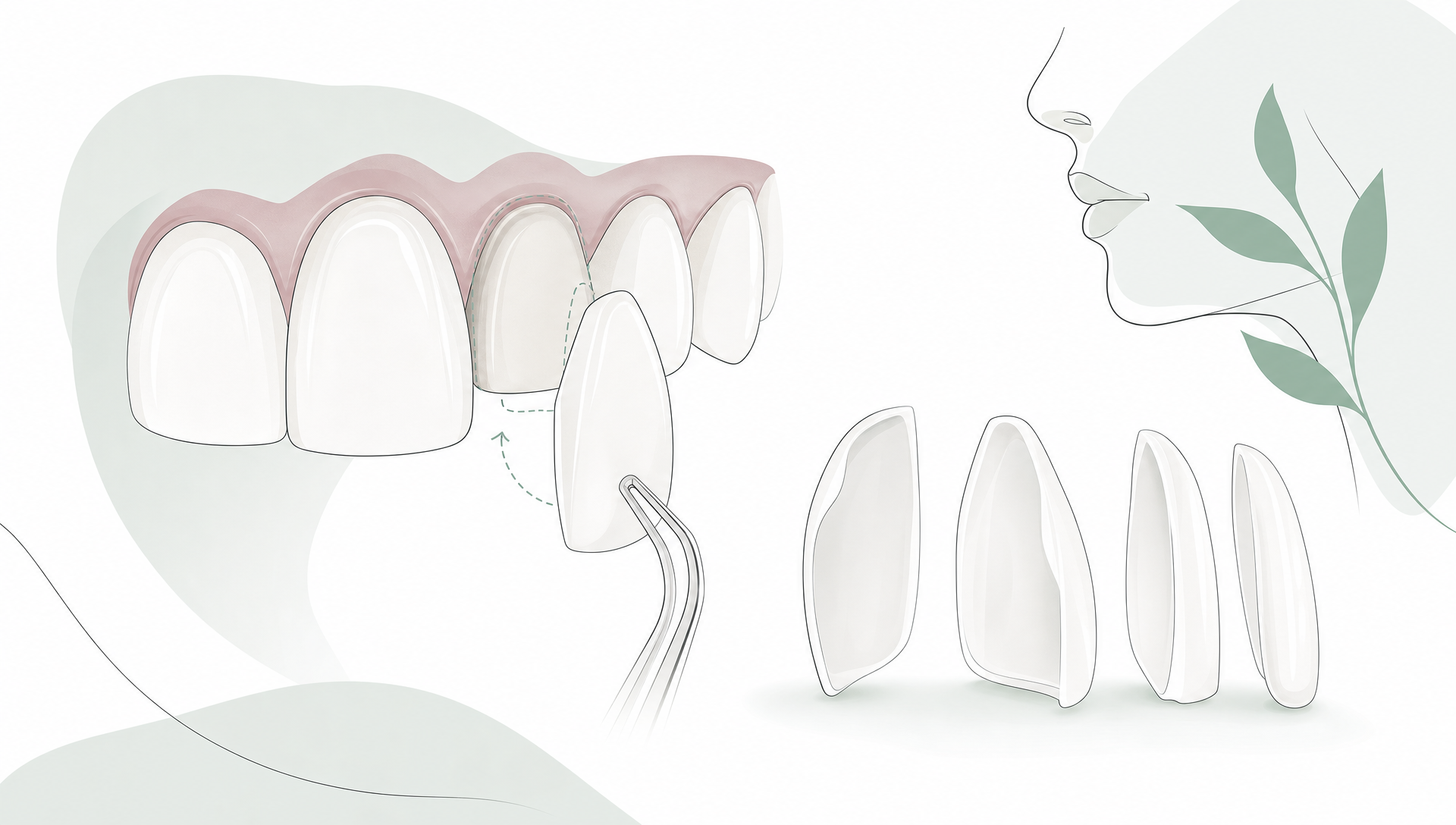
Teeth whitening may be used first to lift the overall shade, which can reduce the need for more extensive restorative work. Clear aligners such as Invisalign may help reposition teeth before bonding, veneers or crowns are considered. Veneers can improve the front surface of selected teeth, while crowns may be used where a tooth needs more coverage and strength. Dental implants may be considered when missing teeth affect both appearance and function.
The right combination depends on your oral health, goals and the amount of change required.
| Concern | Planning consideration | Possible options your dentist may discuss |
|---|---|---|
| Stained but otherwise healthy teeth | Type of staining, existing restorations and sensitivity risk | Professional whitening, replacement of visible old fillings |
| Mild gaps or uneven edges | Tooth size, bite contacts and enamel available | Bonding, aligners, veneers or a combination approach |
| Crowding or rotated teeth | Whether movement can reduce restorative treatment | Invisalign or other orthodontic planning before cosmetic work |
| Worn or cracked teeth | Bite forces, grinding history and remaining tooth structure | Crowns, veneers, bonding, bite protection or staged care |
| Missing teeth | Bone, gum health, bite and smile line | Dental implants, bridges or other replacement options |
If whitening is part of your plan, it is useful to understand what affects treatment fees and choices. East Melbourne Dental Group has a helpful guide to teeth whitening prices at the dentist that explains why costs can vary between approaches.
Previewing the result before treatment begins
One of the most valuable parts of modern cosmetic planning is the ability to preview possibilities before committing to irreversible steps. Depending on the case, your dentist may use photographs, digital scans, shade guides, mock-ups or temporary restorations to help you visualise the proposed changes.
A mock-up can be especially helpful for natural-looking dental makeovers. It allows you to see how changes to length, width or shape may appear in your mouth. It also gives the dentist a chance to assess speech, lip support and bite before final restorations are made.
Temporary restorations may also be used in more complex cases. These are not just placeholders. They can act as a test version of the planned smile, giving you time to adapt and provide feedback. If something feels too long, too bulky or not quite right, adjustments can often be made before the final ceramics are created.
Shade selection is more subtle than choosing white
Many people assume the main decision in a makeover is how white the teeth should be. In reality, shade planning is more nuanced. Natural teeth have depth, translucency and slight variation. They reflect light differently at the edges compared with the centre of the tooth.
A dentist will consider your complexion, age, existing teeth, smile width and whether all visible teeth are being treated. If only some teeth are receiving veneers or crowns, the new restorations need to blend with neighbouring teeth. This may mean whitening first, then waiting for the shade to stabilise before final matching.
The most natural cosmetic dentistry usually avoids a flat, opaque white. Ceramic restorations can be designed with subtle layers and surface texture so they interact with light more like natural enamel. Even small details, such as the contour of the edges or the way the surface catches light, can influence whether the final result looks refined or artificial.
Bite planning protects the result
A smile makeover is not complete if it only looks good when the mouth is still. Teeth must also work when you chew, speak and move your jaw. This is why bite planning is central to long-term success.
Patients who grind or clench may place extra force on veneers, crowns, bonding or natural teeth. Signs such as flattened edges, jaw muscle tenderness, chipped restorations or morning headaches may influence the plan. In some cases, the dentist may recommend addressing the bite, restoring worn teeth in a staged way or using a protective night guard after treatment.
Bite planning also affects aesthetics. If the front teeth are made longer without considering lower tooth contact, the result may feel uncomfortable or become prone to chipping. If back teeth do not support the bite properly, front restorations may take more pressure than intended.
Natural-looking results are therefore both cosmetic and functional. The teeth should look like they belong, but they should also feel comfortable in daily life.
Planning around comfort and anxiety
Some patients delay cosmetic treatment because they feel nervous about dental visits. A good dental makeover plan should account for comfort as well as appearance. This may include extra time for explanations, staged appointments, gentle communication and discussion of suitable comfort options.
East Melbourne Dental Group offers sleep dentistry, and nervous patients can also learn more about comfort dentistry for nervous patients in Melbourne. Feeling calm and informed can make the planning process easier, especially when treatment involves several appointments.
Comfort also includes emotional comfort. Patients should not feel pressured into the most extensive option. A natural-looking makeover may be a single whitening treatment, a few carefully matched restorations or a longer plan involving aligners, implants, veneers or crowns. The right choice is the one that fits your mouth, your goals and your readiness.
Timing, staging and payment planning
Some dental makeovers can be completed relatively quickly, while others are best staged over months. Whitening may need time for shade stabilisation. Invisalign treatment requires gradual tooth movement. Dental implants need careful assessment and healing periods. Gum health may need improvement before cosmetic restorations are started.
Staging treatment can make the process more manageable. It may also improve the final outcome because each step informs the next. For example, aligning teeth first may reduce how much tooth preparation is needed. Whitening before veneers may allow a more natural shade selection. Replacing unstable old restorations before final cosmetic work may create a healthier foundation.
Cost planning is part of this discussion. East Melbourne Dental Group offers flexible payment plans and free cosmetic consultations, which can help patients explore suitable options before deciding how to proceed. A clear written plan should outline proposed treatment stages, expected maintenance and any alternatives.
Signs a makeover plan is aiming for natural results
You can often tell whether a plan is thoughtful by the kinds of questions being asked. A dentist planning for natural results will usually ask about your goals, examine your oral health, assess your bite and explain why some options may be more conservative than others.
Positive signs include:
- The dentist discusses gum health and tooth structure before cosmetic materials.
- You are shown realistic options rather than only idealised images.
- Shade, shape and proportions are planned around your face.
- The plan considers speech, chewing and grinding habits.
- You understand maintenance requirements before starting.
- You are offered alternatives where appropriate.
Be cautious if a proposed makeover sounds identical for every patient, if the focus is only on extreme whiteness or if you feel rushed into irreversible treatment. Cosmetic dentistry should be personalised, carefully explained and grounded in long-term oral health.
Maintaining a natural-looking smile after treatment
Planning does not end when the restorations are fitted or the whitening appointment is complete. Natural-looking results need regular care. This includes daily brushing and flossing, routine dental examinations, professional cleans and review of any protective appliances if recommended.
Whitened teeth may need periodic maintenance depending on diet, habits and the type of whitening used. Veneers and crowns do not whiten like natural enamel, so future shade changes should be discussed with your dentist. Implants also require ongoing gum and bite monitoring, even though the implant crown is not a natural tooth.
A well-maintained smile tends to age more gracefully. Rather than chasing repeated dramatic changes, the aim is to protect the result, monitor the bite and keep the gums healthy.
Frequently Asked Questions
How long does a dental makeover take? The timeline depends on the treatments involved. Whitening or bonding may be relatively quick, while Invisalign, implants, gum treatment or multiple restorations can require a staged plan over several months.
Do dental makeovers always involve veneers? No. Veneers are one option, but many natural-looking makeovers use a combination of whitening, aligners, bonding, crowns, implants or replacement of old restorations. Some patients need only minor changes.
How do dentists avoid making teeth look too fake? Dentists plan tooth shape, colour, texture and proportions around your face, lips, bite and existing teeth. Natural results often use subtle translucency, realistic shades and small variations rather than identical bright white teeth.
Can I preview my new smile before treatment? In many cases, yes. Depending on your needs, your dentist may use digital planning, photographs, scans, mock-ups or temporary restorations so you can better understand the proposed changes.
Is a dental makeover painful? Comfort varies depending on the treatment type and your individual needs. Your dentist should explain what to expect, discuss anaesthetic or comfort options where appropriate and plan appointments in a way that helps you feel informed and supported.
Plan a natural-looking dental makeover in East Melbourne
If you are considering a brighter, straighter or more balanced smile, the best first step is a careful consultation. East Melbourne Dental Group provides general and cosmetic dentistry, including Invisalign consultations, teeth whitening, veneers, crowns, dental implants, emergency dental care and children’s dentistry.
To explore what may be suitable for your smile, book a free cosmetic consultation with East Melbourne Dental Group. A personalised plan can help you understand your options, protect your oral health and work toward a result that still feels like you.
Disclaimer
The information provided on this website is for general informational and educational purposes only. It is not intended to replace professional dental advice, diagnosis or treatment. Dental needs and treatment outcomes vary between individuals. Always seek advice from a qualified dental practitioner regarding your specific circumstances before making decisions about your oral health or treatment. A consultation and clinical assessment are required to determine which treatment options may be suitable for you. All dental procedures carry potential risks and benefits, which will be discussed with you before treatment.