
19 August 2026 | Children's Dentistry, General Dentistry, Preventative Dentistry
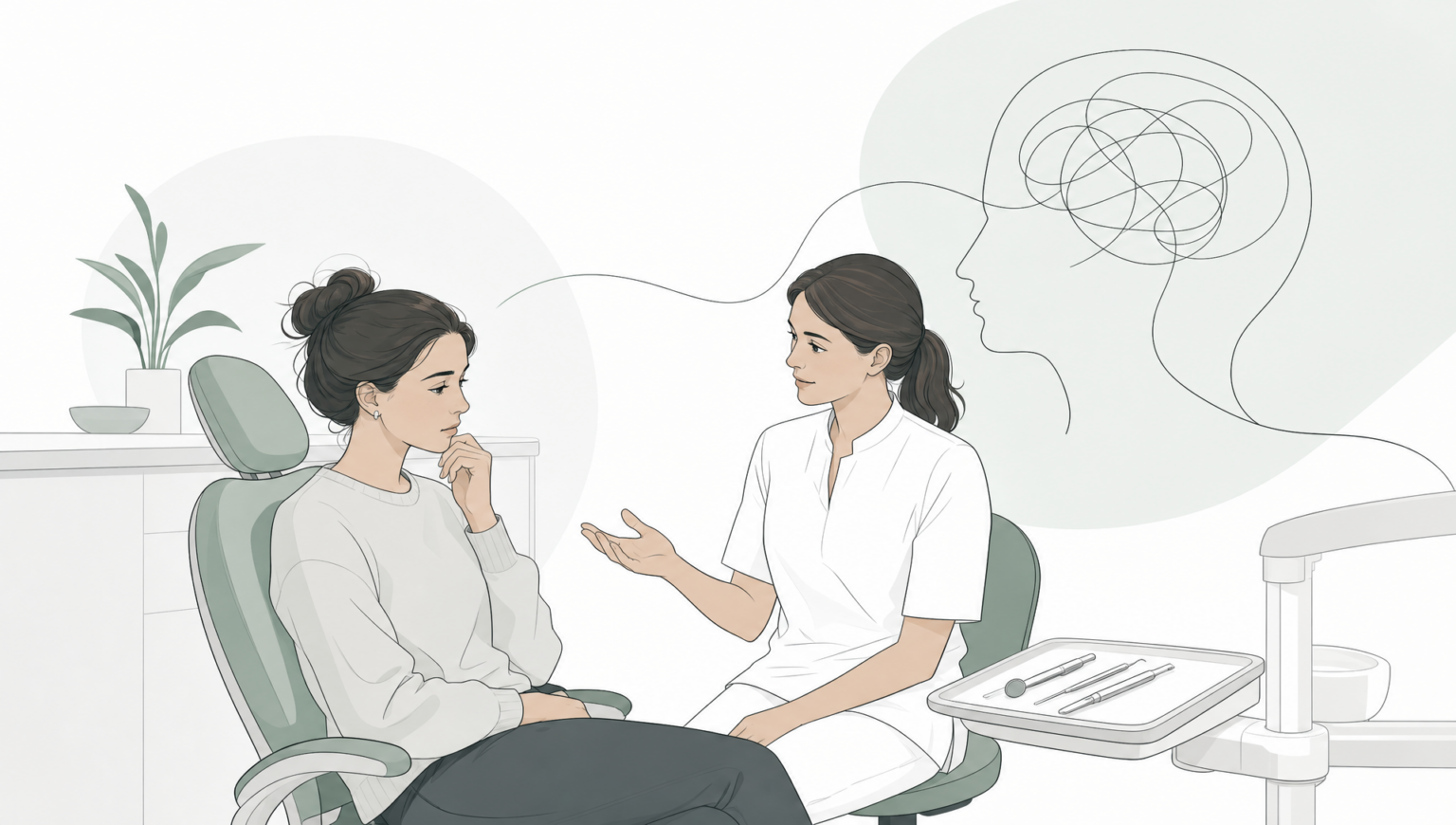
Dental anxiety is more common than many people admit. For some patients, it starts with a difficult childhood appointment. For others, it comes from fear of pain, embarrassment about the condition of their teeth, a strong gag reflex, sensory sensitivity or feeling out of control in the chair.
The good news is that modern dentistry can be much calmer than people expect. Gentle dental care is not just about being careful with instruments. It is about communication, pacing, consent and tailoring the appointment to the person in front of the dentist.
If you feel nervous before a dental visit, the aim is not to force yourself to “be brave”. The aim is to make the appointment predictable, respectful and manageable.
Start by naming what makes you anxious
Dental anxiety often feels vague until you break it down. Before booking, take a few minutes to identify what worries you most. Is it the sound of dental equipment? A fear of injections? A past experience where you felt rushed? Concern that you will be judged?
Once you can name the trigger, your dental team can respond more specifically. For example, a patient who fears pain may need extra reassurance about local anaesthetic and permission to pause. A patient who dislikes not knowing what is happening may benefit from a step-by-step explanation before each part of the appointment.
You do not need to explain everything perfectly. Even saying, “I am anxious and I may need things explained slowly,” gives the team useful information.
Book the appointment in a way that supports calm
The way you book can influence the whole experience. If mornings are easier for you, choose an early time so you do not spend the day anticipating the visit. If you feel rushed after work, avoid squeezing dentistry between other commitments.
When you call or book, mention that you are nervous. This is a normal request, not an inconvenience. A helpful practice can note your concerns, allow extra explanation time where appropriate and guide you on what to expect.
If you have delayed care for a long time, start with a consultation or check-up rather than assuming you need treatment immediately. A first appointment can focus on listening, assessing your oral health and planning next steps. For a deeper look at how patient-centred care can reduce fear, East Melbourne Dental Group has written about comfort dentistry for nervous patients in Melbourne.
Use a stop signal before treatment begins
One of the most effective tools for anxious patients is also one of the simplest: agree on a stop signal. Raising your left hand, for example, can mean “pause now”. This gives you a clear way to communicate when your mouth is open.
A stop signal matters because anxiety often comes from feeling trapped. When you know the dentist will stop if you signal, your nervous system has less reason to panic. You can ask to rinse, sit up for a moment, breathe or hear what is happening next.
This is especially useful for patients with a gag reflex, jaw discomfort, sensory sensitivity or previous experiences where they felt ignored.
Ask for the level of information that helps you
Some anxious patients want every detail explained. Others prefer a simple summary and fewer technical descriptions. Both preferences are valid.
Before your appointment, tell your dentist what suits you. You might say, “Please tell me before you start each step,” or “I would rather not hear too much detail, just let me know when we are halfway through.”
Gentle dental care works best when communication is personalised. A good explanation can make treatment feel less mysterious, but too much information can heighten anxiety for some people. The right amount is the amount that helps you feel steady.
Common anxiety triggers and what may help
Different fears need different support. The table below can help you think about what to ask for at your next appointment.
| Anxiety trigger | What may help | What to ask your dental team |
|---|---|---|
| Fear of pain | Careful numbing, regular check-ins and time for anaesthetic to take effect | “Can we make sure I am fully numb before starting?” |
| Feeling out of control | A stop signal, clear consent and short breaks | “Can we pause if I raise my hand?” |
| Embarrassment | A non-judgemental consultation focused on solutions | “I am worried about being judged because I have delayed care.” |
| Gag reflex | Upright positioning where possible, breaks and calm breathing | “Can we go slowly and stop if my gag reflex starts?” |
| Sound sensitivity | Explanation of noisy steps, headphones if appropriate and shorter treatment blocks | “Can you warn me before anything loud?” |
| Uncertainty | A written treatment plan and simple explanation of priorities | “Can we talk through what is urgent and what can wait?” |
Make the chair feel less overwhelming
Small comfort choices can make a significant difference. Wear clothing that feels relaxed. Bring headphones if sound is a trigger, as long as your dentist confirms it is safe during the appointment. Practise slow breathing before you arrive so it feels familiar when you are in the chair.
If you tend to grip the armrests, try pressing your feet gently into the floor instead. This gives your body a sense of grounding without adding tension through your shoulders and jaw.
Some patients also find it helpful to keep their eyes closed during treatment. Others prefer to look at a fixed point. There is no single correct technique. The goal is to reduce sensory overload and help you stay present.

Do not wait for anxiety to become an emergency
Avoiding the dentist can feel protective in the short term, but dental problems are usually easier to manage when they are found early. A small cavity, mild gum inflammation or cracked filling may be simpler to treat before it becomes painful.
If you have swelling, persistent toothache, a broken tooth, bleeding that does not settle, trauma or signs of infection, it is better to seek care promptly. If you are unsure whether symptoms are routine or urgent, this guide on when to schedule a dentist appointment explains situations where booking sooner makes sense.
For anxious patients, emergencies can feel especially stressful because there is less time to prepare. Regular preventive visits reduce the chance of needing rushed treatment.
Build confidence with smaller steps
If you have not seen a dentist in years, it may be unrealistic to expect one appointment to fix the fear. A gentler approach is to rebuild trust gradually.
Your first goal might simply be to attend a consultation. The next might be to have X-rays or a clean. Later, if treatment is needed, you can plan it in stages. This approach helps your brain learn that dental visits can be safe, respectful and predictable.
Ongoing care also allows your dentist to monitor changes over time instead of only responding when something hurts. If you want to understand what routine care commonly includes, East Melbourne Dental Group explains general dentistry services for everyday oral health in more detail.
Ask about comfort options and sleep dentistry
Some patients need more than reassurance and slower pacing. If your anxiety is severe, or if you need longer or more complex treatment, ask what comfort options may be suitable.
East Melbourne Dental Group offers sleep dentistry, and suitability depends on factors such as your medical history, the procedure being considered and your dentist’s clinical assessment. It is not something every patient needs, but it can be part of the conversation for people who find dental care extremely difficult.
You can also ask about breaking treatment into shorter visits, using local anaesthetic carefully, scheduling at quieter times or having a support person attend where appropriate. The right plan should match both your oral health needs and your ability to cope comfortably.
Helping anxious children feel safe
Children often take their emotional cues from adults. If a parent sounds worried, apologetic or overly dramatic, the child may assume something scary is coming. Keep language simple and calm. You might say, “The dentist will count your teeth and check that they are healthy.”
Avoid words that can create fear, such as “needle”, “pain” or “drill”, unless they are genuinely needed and explained by the dental team. Do not promise that nothing will happen, because that can damage trust if the visit includes a clean, X-ray or treatment discussion.
For families, the most helpful preparation is often routine and predictability. This guide on how families can prepare children for dental check-ups offers practical ideas for making appointments feel normal rather than frightening.
Children’s dentistry is also a chance to create positive early memories. A calm first visit, even if it is brief, can make future care easier.
Reduce shame by focusing on the next decision
Many anxious patients worry they will be criticised for the state of their teeth. This fear can be strong enough to prevent booking at all.
A constructive dental appointment should not revolve around blame. The most useful question is, “What is the next best step?” That might be treating pain, stabilising gum health, replacing a failing filling or creating a plan for cosmetic concerns once the mouth is healthy.
If you are considering treatments such as Invisalign, teeth whitening, veneers, crowns or dental implants, anxiety does not need to exclude you from having a conversation. The first step is usually understanding your oral health, your goals and the options that may be suitable for you.
Prepare a short script before you arrive
Anxiety can make it hard to speak clearly in the moment. A short script can help you communicate your needs without feeling embarrassed.
You could write something like:
“I am nervous about dental treatment. I have delayed care because of anxiety. I would like things explained clearly, and I would like to agree on a stop signal before we begin.”
You can say it at reception, tell the dental assistant or hand it to the dentist. You do not need to justify your fear. Clear information helps the team care for you better.
Frequently Asked Questions
What if I have not been to the dentist for years? You can still book an appointment. Let the practice know you are anxious and that it has been a long time. The first visit can focus on assessment, discussion and planning rather than rushing into treatment.
Can I ask the dentist to stop during treatment? Yes. Agree on a stop signal before the appointment begins, such as raising your hand. This can help you feel more in control and gives the dentist a clear cue to pause.
Is gentle dental care only for people with severe anxiety? No. Gentle care benefits many patients, including those with mild nerves, sensitive teeth, a gag reflex, sensory sensitivities or previous unpleasant experiences.
Can sleep dentistry help anxious patients? It may be suitable for some people, especially where anxiety is significant or treatment is complex. Your dentist will need to assess your health history, treatment needs and suitability before recommending any option.
How can I stop feeling embarrassed about my teeth? Try to focus on the next practical step rather than the past. Dental teams regularly see patients who have delayed care, and the purpose of an appointment is to help you move forward.
A calmer dental visit starts with a conversation
Dental anxiety does not have to keep you away from care. With clear communication, a stop signal, supportive pacing and the right comfort options, appointments can feel more manageable.
If you are looking for gentle dental care in East Melbourne, East Melbourne Dental Group can help you discuss your concerns and plan the next step at a pace that feels appropriate. Call the practice or book online when you are ready to start with a calm, judgement-free conversation.
Disclaimer
The information provided on this website is for general informational and educational purposes only. It is not intended to replace professional dental advice, diagnosis or treatment. Dental needs and treatment outcomes vary between individuals. Always seek advice from a qualified dental practitioner regarding your specific circumstances before making decisions about your oral health or treatment. A consultation and clinical assessment are required to determine which treatment options may be suitable for you. All dental procedures carry potential risks and benefits, which will be discussed with you before treatment.