
5 August 2026 | General Dentistry, Preventative Dentistry, Teeth Cleaning
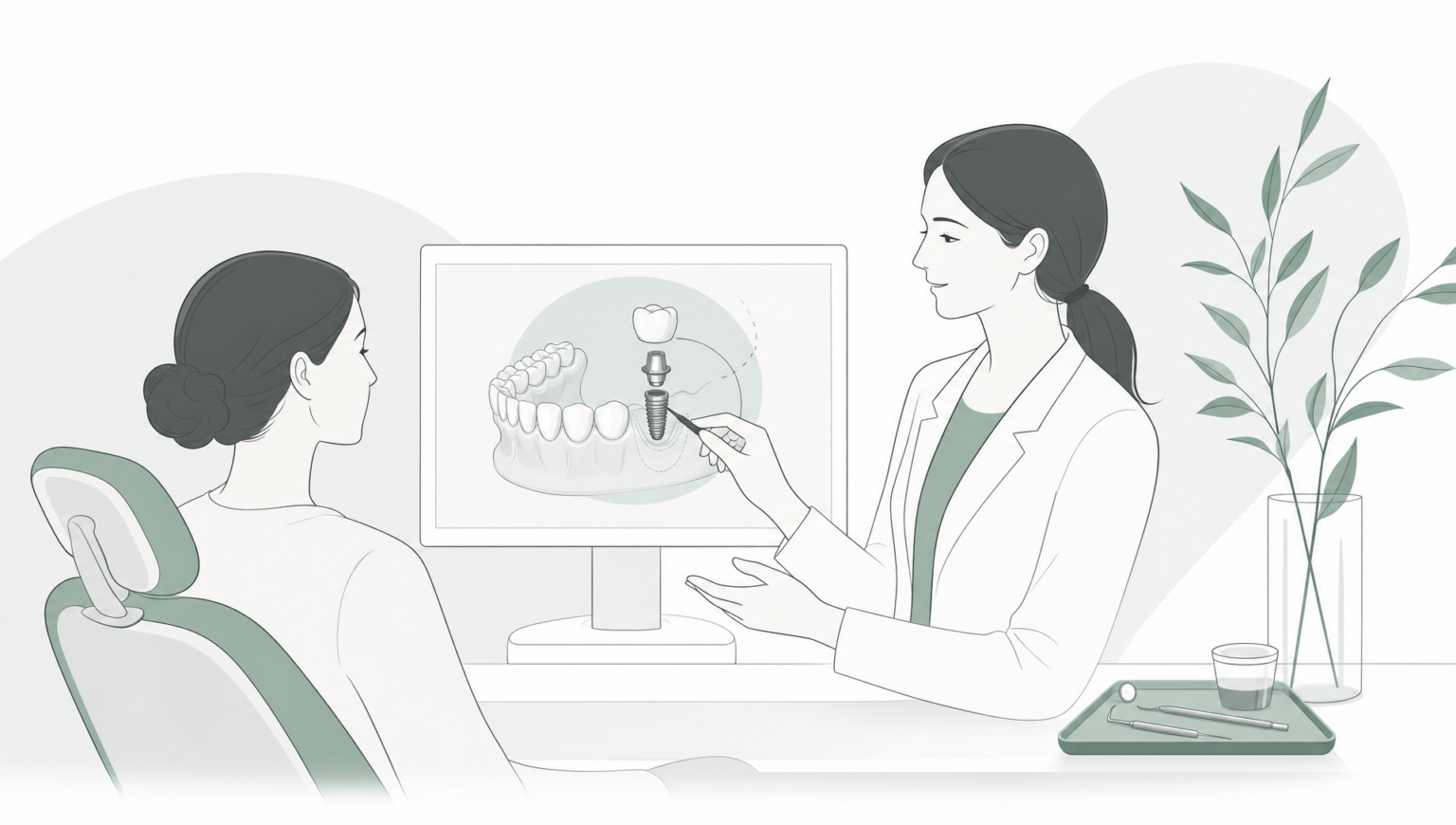
General dentistry services are the routine dental visits and treatments that help maintain everyday oral health, from check-ups and cleans to fillings, gum care and advice for home hygiene. For many people in East Melbourne, these appointments are less about major treatment and more about keeping small concerns under review before they become more complex.
This article explains what general dentistry commonly includes, when it may be useful to book, and what you can expect from an appointment. It is general information only, and a dentist needs to assess your mouth, medical history and goals before recommending any specific care.
General dentistry services commonly used in everyday care
General dentistry is the foundation of day-to-day dental care. It focuses on the health, comfort and function of your teeth, gums, jaw and surrounding tissues.
A general dentist may provide preventive care, diagnose common dental problems, restore damaged teeth and coordinate more complex care if needed. Not every patient needs the same services at the same time. Your appointment should be guided by your current oral health, symptoms, risk factors and preferences.
| General dentistry service | What it may involve | Why it may be recommended |
|---|---|---|
| Dental examination | Checking teeth, gums, bite, soft tissues and existing dental work | To assess oral health and identify concerns that may need monitoring or treatment |
| Professional clean | Removing plaque and hardened tartar, then polishing teeth where appropriate | To support gum health and make home cleaning easier |
| Dental X-rays | Taking images when clinically indicated | To assess areas that cannot be seen clearly during a visual exam |
| Fillings | Repairing tooth structure affected by decay, cracks or wear | To restore function and help protect the remaining tooth structure |
| Gum health assessment | Measuring gum pockets, checking bleeding and reviewing plaque control | To identify signs of gum inflammation or periodontal disease |
| Toothache assessment | Examining a painful, sensitive or damaged tooth | To help determine the likely cause and discuss suitable options |
| Mouthguards | Assessing and fitting a custom mouthguard when suitable | To help protect teeth during contact sport or manage certain grinding concerns |
| Children’s dental care | Age-appropriate checks, cleans, prevention and oral hygiene advice | To support healthy development and build positive dental habits |
If you would like a more detailed overview of the role of a general dentist, East Melbourne Dental Group has a helpful guide on what general dentists do and when to book.
Why everyday oral health depends on regular care
Teeth and gums change over time. Diet, brushing habits, medical conditions, medications, stress, grinding, smoking or vaping, pregnancy and ageing can all affect the mouth. General dentistry services give your dentist a chance to look for changes and explain what they mean in practical terms.
For example, early decay may not cause pain. Gum inflammation can also be easy to miss at home, particularly if symptoms are mild. Regular reviews can help identify these issues sooner, although they cannot guarantee that dental problems will not occur.
Professional care works best alongside daily habits. The Australian Dental Association’s public information site, Teeth.org.au, provides patient-friendly guidance on oral hygiene, diet and common dental topics. In general, brushing with fluoride toothpaste, cleaning between the teeth and limiting frequent sugary snacks or drinks can help support oral health.
Dental care is not one-size-fits-all. Some people may need shorter review intervals because they have a higher risk of decay, gum disease or tooth wear. Others may be suitable for less frequent visits. Your dentist can discuss a recall schedule that reflects your individual circumstances.
When to book a general dental appointment in East Melbourne
You do not need to wait for severe pain before seeing a dentist. A general appointment can be useful if something has changed, even if the problem seems minor.
Consider booking an assessment if you notice:
- Bleeding gums when brushing or flossing
- Tooth sensitivity to cold, heat or sweet foods
- A chipped, cracked or rough tooth
- A loose or broken filling, crown or other restoration
- Persistent bad breath or an unusual taste
- Jaw tenderness, clenching or grinding symptoms
- Changes in how your teeth meet when biting
- Mouth ulcers or soft tissue changes that do not settle
- Toothache, swelling or discomfort when chewing
Some situations may need prompt dental assessment, including facial swelling, dental trauma, uncontrolled bleeding, severe pain, fever with dental symptoms, or a knocked-out adult tooth. If you are unsure whether your concern is urgent, contacting a dental clinic can help you understand the next appropriate step.
What happens during a general dentistry appointment
A routine dental appointment is usually a conversation as well as a clinical examination. Your dentist may ask about your medical history, medications, allergies, previous dental experiences and any concerns you would like to discuss.
The examination may include checking your teeth, gums, bite, jaw joints, soft tissues and existing fillings or crowns. X-rays may be recommended if they are needed to assess areas that are not visible, such as between teeth or under existing dental work. They are not automatically required at every visit.
If a clean is suitable, your dentist or hygienist may remove plaque and hardened tartar from around the teeth and gumline. They may also discuss brushing technique, flossing or interdental brushes, diet, dry mouth, grinding, or ways to manage sensitivity.
If treatment is recommended, you should be given an explanation of the findings, available options, likely benefits, possible risks, limitations, fees and alternatives. All dental procedures carry potential risks and benefits, and treatment experiences vary between patients. You can ask questions before deciding whether to proceed.
How general dentistry supports different life stages
General dentistry services can be adapted for different ages and stages of life. The aim is not to provide more treatment than necessary, but to offer care that matches the person’s needs at the time.
For children, appointments may focus on tooth development, brushing habits, diet, fluoride exposure, early decay prevention and making the dental environment feel familiar. Parents and carers can ask about thumb sucking, dummy use, mouthguards for sport and when baby teeth are expected to fall out.
For teenagers and adults, general dental care may include monitoring wisdom teeth, orthodontic concerns, gum health, tooth wear, diet, grinding and cosmetic goals. Cosmetic treatments, such as whitening or aligners, should only be considered after oral health has been assessed and any risks or limitations have been discussed.
For older adults, appointments may include reviewing gum health, dry mouth, worn or cracked teeth, dentures, implants, restorations and changes linked with medical conditions or medicines. Some people may also need help maintaining oral hygiene if dexterity, vision or mobility changes.
Families who want one clinic for different ages may find it useful to read about what to look for in dental care for the whole family.
Caring for your teeth between visits
General dentistry is most effective when it is supported by consistent home care. Your dentist can personalise advice, but everyday habits often make a meaningful difference.
Helpful habits may include:
- Brushing twice daily with fluoride toothpaste, unless you have been advised otherwise
- Cleaning between teeth with floss or interdental brushes
- Drinking tap water where available, particularly after meals or snacks
- Reducing how often you have sugary foods and drinks
- Wearing a sports mouthguard if recommended for contact sport
- Seeking advice if you notice ongoing bleeding, sensitivity or pain
It is also worth telling your dentist about changes to your health. Conditions such as diabetes, reflux, eating disorders, pregnancy, cancer treatment and some medications can affect the mouth. This information helps your dentist assess risk and suggest care that is appropriate for you.
Planning dental care without over-treatment
A good general dentistry plan should be clear, realistic and based on clinical need. Sometimes the right approach is active treatment, such as a filling or gum therapy. At other times, it may be monitoring a small area, improving home care, taking preventive steps or reviewing the tooth at a future appointment.
If several issues are found, your dentist can help prioritise care. For example, treatment for pain, infection or function may be considered before cosmetic concerns. You should also be able to discuss timing, costs, private health insurance, payment preferences and whether any public or government support pathways may apply to your situation.
For a broader overview of how dental care may be accessed locally, including private, public, child and veteran pathways, you can read this practical guide to dental care in Australia.
Some people like to keep dental receipts, health fund statements and appointment records organised as part of general household budgeting. If you need broader financial support that sits outside clinical dental advice, such as bookkeeping or tax-time record keeping, an Australian service such as Perfect Accounting & Tax Services may be relevant to explore.
Choosing a general dentist in East Melbourne
When choosing a dentist, it can help to look for a clinic that explains options clearly, takes your concerns seriously and provides care suited to your needs. Convenience also matters, especially if you are arranging appointments around work, school or family commitments in East Melbourne and nearby suburbs.
For anxious patients, a calm approach can make appointments easier to manage. You can ask the dental team to explain what will happen, agree on breaks during care, or discuss ways to make the appointment feel more manageable. Dental anxiety is common, and it is reasonable to raise it before or during your visit.
East Melbourne Dental Group provides general, cosmetic, restorative, emergency and children’s dental care in a local clinic setting. A dental examination can help determine the cause of symptoms and which options may be appropriate, depending on your oral health, medical history and individual circumstances.
Frequently asked questions
What are general dentistry services? General dentistry services include routine dental care such as check-ups, cleans, fillings, gum assessments, X-rays when needed, toothache reviews, mouthguards and preventive advice. The exact services recommended depend on your individual oral health.
How often should I see a general dentist? There is no single schedule that suits everyone. Some people benefit from regular six-monthly visits, while others may need more or less frequent reviews depending on decay risk, gum health, medical history and other factors. Your dentist can suggest an interval after assessing your mouth.
Do I need dental X-rays at every check-up? Not necessarily. Dental X-rays are usually recommended when they are clinically useful, such as checking between teeth, assessing bone levels, reviewing a painful tooth or monitoring existing dental work. Your dentist should explain why an X-ray is being suggested.
Can general dentistry help with bleeding gums? A general dentist can assess bleeding gums and discuss possible causes, such as plaque build-up, brushing technique, gum inflammation or other health factors. Treatment may involve a professional clean, home care advice or further gum assessment, depending on the findings.
Is cosmetic dental treatment part of general dentistry? Some general dentists provide cosmetic services, but cosmetic treatment should usually be considered after oral health has been assessed. Suitability, risks, limitations and alternatives vary between patients, so an individual consultation is important.
When should I seek urgent dental care? Prompt advice may be needed for facial swelling, dental trauma, severe toothache, uncontrolled bleeding, signs of infection, or a knocked-out adult tooth. If symptoms are severe or you feel unwell, contact an appropriate health service for advice.
Discuss general dentistry services in East Melbourne
If you have a dental concern, are due for a check-up, or want to understand your options, a dental examination can provide useful information about your oral health. The team at East Melbourne Dental Group can assess your teeth and gums, explain findings in plain language and discuss care that may be suitable for your needs.
To arrange an assessment, you can book an appointment with East Melbourne Dental Group in East Melbourne.
Disclaimer
The information provided on this website is for general informational and educational purposes only. It is not intended to replace professional dental advice, diagnosis or treatment. Dental needs and treatment outcomes vary between individuals. Always seek advice from a qualified dental practitioner regarding your specific circumstances before making decisions about your oral health or treatment. A consultation and clinical assessment are required to determine which treatment options may be suitable for you. All dental procedures carry potential risks and benefits, which will be discussed with you before treatment.