
5 August 2026 | Children's Dentistry, General Dentistry, Preventative Dentistry
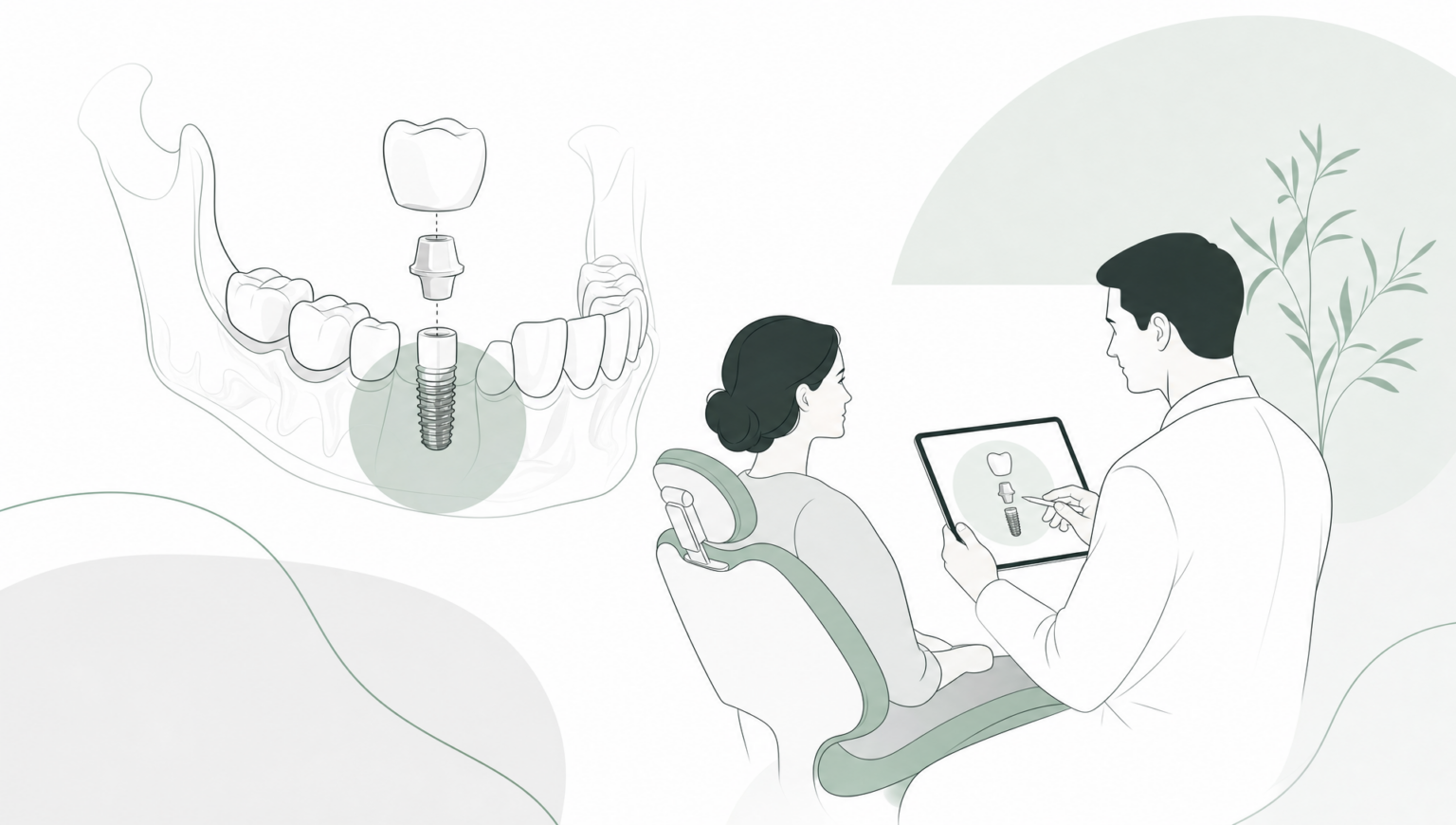
If you have searched for “family dental near me”, you are probably looking for more than the closest clinic on a map. You may be trying to find dental care that works for school runs, work hours, different ages, nervous patients, health fund questions and the occasional unexpected toothache.
A good fit is not the same for every household. Some families want a clinic that can see young children and adults in one place. Others need support with ongoing gum care, restorative treatment, cosmetic concerns, emergency dental care or DVA dental arrangements. The right choice is usually the one that feels practical, clear and appropriate for your household’s needs.
What “family dental near me” should really mean
Location matters, especially in a busy area like East Melbourne. A clinic that is close to home, work, school or public transport can make regular check-ups easier to keep. But distance is only one part of the decision.
When you compare family dental care, think about whether the clinic can support your household over time. That may include preventive care, children’s dentistry, general dentistry, restorative options and advice about cosmetic treatments when appropriate. It also includes how the team communicates, explains costs, manages anxious patients and helps you understand your options without pressure.
For a more local perspective, East Melbourne families may find this guide to choosing family dental care in East Melbourne useful alongside the practical steps below.
Start with your household’s actual dental needs
Before choosing a dental clinic, take a few minutes to list what your household may need now and what may become relevant later. This helps you avoid choosing purely on convenience, then discovering the clinic does not offer the kind of care you are likely to need.
For example, a household with young children may prioritise gentle introductions to dental visits, oral hygiene advice and preventive care. A household with teenagers may ask about mouthguards, orthodontic referrals or clear aligner discussions. Adults may need routine check-ups, fillings, gum assessments, whitening advice or restorative treatment planning. Older family members may need care that considers medical history, medications, dry mouth or replacement options for missing teeth.
It can help to group your needs into simple categories:
- Everyday care: Check-ups, cleans, gum health checks, fillings and oral hygiene advice.
- Children’s care: Age-appropriate appointments, prevention advice and help building comfortable dental routines.
- Unexpected problems: Dental pain, a broken tooth, swelling, trauma or a lost filling that may need prompt assessment.
- Restorative and cosmetic questions: Options such as crowns, implants, whitening or Invisalign aligners, depending on oral health and suitability.
- Access and eligibility: Health fund use, DVA dental care, children’s dental benefit questions or payment planning discussions.
Not every person in the household will need the same appointment frequency or treatment. Your dentist can advise a suitable review interval based on each person’s oral health, risk factors and circumstances.
Check registration, communication and consent
In Australia, dentists must be registered to practise. If you want to confirm a practitioner’s registration, you can search the official Ahpra register of practitioners. This is a practical step if you are new to an area or comparing clinics.
Beyond registration, pay attention to how information is explained. Good dental communication should be clear enough that you understand what has been found, what the options are and why a particular treatment may or may not be recommended. You should also be told about relevant risks, limitations, alternatives and likely costs before making a decision.
Be cautious with any dental advertising or consultation that suggests the same result is available for everyone, guarantees an outcome or pressures you into cosmetic or complex treatment before your oral health has been assessed. Dental treatment should be based on individual assessment, not a one-size-fits-all promise.
Look for prevention-focused family care
Family dentistry is not only about fixing problems when they happen. Prevention is a major part of maintaining oral health, especially when different family members have different habits, diets, medical conditions and stages of tooth development.
A prevention-focused dental visit may include checking the teeth, gums and soft tissues of the mouth, discussing brushing and flossing technique, reviewing diet and fluoride exposure, and identifying changes early. X-rays may be recommended when clinically indicated, but they are not required for every person at every visit.
Your dentist may also suggest different preventive advice for different family members. For example, a child learning to brush independently may need different guidance from an adult managing gum inflammation or an older person experiencing dry mouth from medication.
If you are unsure about timing, this article on when to schedule a dentist appointment explains routine visits, symptoms that should be checked and situations where it may be sensible to book ahead.
Compare the practical details that affect real life
A dental clinic can be clinically suitable, but still difficult for your household if the logistics do not work. When families delay dental visits, it is often because appointments feel hard to organise, costs are unclear or one family member feels nervous.
Use this table to compare clinics in a practical way.
| Household factor | Why it matters | Questions to ask |
|---|---|---|
| Location and access | Regular visits are easier when the clinic fits your usual routes | Is the clinic convenient from home, school, work or public transport? |
| Appointment options | Families may need to coordinate several schedules | Can appointments be requested online or by phone? How far ahead should routine visits be booked? |
| Range of services | Different ages may need different types of care | Does the clinic offer general, children’s, emergency, cosmetic and restorative dentistry? |
| Communication style | Clear explanations help you make informed choices | Will the dentist explain benefits, risks, alternatives and costs before treatment? |
| Support for anxious patients | Some people avoid care because of worry or previous experiences | Can the team discuss comfort strategies before or during the appointment? |
| Payment and eligibility | Costs and eligibility can affect planning | Can the clinic provide estimates and discuss health fund, DVA or children’s dental benefit questions? |
Home routines matter too. A bathroom or hallway that is easy to use at busy times, with a toothbrush station, a timer and clear lighting, can make daily care less of a scramble. If you are updating shared spaces, comparing practical options for modern home lighting can sit alongside simple habits such as keeping floss where people will actually use it.
Think about children, teenagers and anxious family members
For children, early dental experiences can shape how they feel about appointments later. A family dental clinic should be able to explain things in age-appropriate language, give parents practical guidance and avoid making a child feel blamed or embarrassed about brushing habits.
Teenagers may have different needs. They might be managing braces or aligners, playing contact sport, drinking more acidic or sugary drinks, or becoming more responsible for their own oral hygiene. A calm conversation can help them understand why preventive habits matter without turning the appointment into a lecture.
For adults who feel anxious about dental visits, it is reasonable to ask how the clinic approaches comfort and communication. This might include agreeing on a pause signal, explaining what is happening before treatment starts, allowing time for questions or breaking treatment planning into manageable discussions. Experiences vary, and no dental procedure can be described as risk-free or suitable for everyone, but respectful communication can make it easier to seek appropriate care.
Ask how costs and eligibility are handled
Dental costs can vary depending on the type of appointment, the complexity of the problem and whether additional care is needed. A family dental clinic should be able to explain estimated costs before treatment begins, as far as reasonably possible. If the situation changes during treatment, you should be told what that may mean for the plan and the cost.
For children, some families may be eligible for the Child Dental Benefits Schedule. Eligibility rules and available benefits can change, so it is best to check current information through Services Australia or ask the clinic how they handle CDBS claims.
If your household includes a veteran or eligible dependant, you may also want to ask about DVA dental arrangements. East Melbourne Dental Group offers DVA dental care, but eligibility and coverage depend on the person’s circumstances and the relevant government requirements.
Private health insurance is another area where families often have questions. Clinics can usually provide item numbers and estimates, but your health fund determines rebates and limits. It is sensible to check directly with your fund if you want to understand out-of-pocket costs before treatment.
Know what a first family appointment may involve
A first appointment is usually about getting a clear picture of oral health, concerns and goals. The dentist may ask about medical history, medications, allergies, previous dental experiences and any symptoms. For children, parents may be asked about brushing, diet, thumb sucking, mouth breathing or previous dental visits.
The clinical assessment may include checking teeth, gums, bite, jaw movement and soft tissues. X-rays may be discussed if the dentist believes they are needed to assess areas that cannot be seen directly. If treatment is recommended, the dentist should explain why, what alternatives may be available and what the possible benefits and risks are.
For cosmetic treatments, such as whitening or Invisalign aligners, an assessment is still important. These options may not be suitable for everyone, and oral health issues such as decay or gum disease may need to be addressed first. Treatment outcomes and experiences vary between patients.
Signs a clinic may be a good fit for your household
You do not need to make a decision based on one factor. A clinic may be a good fit if it combines suitable services, clear communication and practical access.
Helpful signs include:
- The team explains findings in plain language and allows time for questions.
- Treatment is recommended after assessment, not before your needs are understood.
- You are given options where appropriate, including the option to monitor some issues.
- Costs, likely timeframes and limitations are discussed before you decide.
- Children and nervous patients are treated respectfully and without judgement.
- The clinic can support routine care as well as unexpected dental problems.
It is also reasonable to choose a clinic close to your daily routine. For people living or working in East Melbourne, a local clinic can make it easier to keep appointments and return for follow-up care if needed.
Family dental care in East Melbourne
East Melbourne Dental Group provides general, cosmetic and restorative dentistry for people in the local area, including children’s dentistry, emergency dental care, in-chair teeth whitening, Invisalign aligners, root canal treatment, dental implants and DVA dental care. The right option depends on your oral health, medical history, goals and assessment findings.
If you are comparing clinics after searching for “family dental near me”, it may help to write down the concerns for each person in your household before booking. That way, the appointment can focus on the questions that matter most to you, rather than a generic checklist.
You can also request an appointment from your mobile if online access is more convenient for your household.
Frequently asked questions
How often should my family see a dentist? The right interval varies between people. Some patients are advised to attend every six months, while others may need a different schedule depending on gum health, decay risk, medical history, age and previous dental treatment. Your dentist can recommend a review interval after an assessment.
Should children see the same dentist as adults? Many families prefer one clinic for convenience and continuity, provided the clinic offers age-appropriate children’s dentistry. Some children with complex needs may also benefit from referral to a practitioner with additional training or a specialist, depending on the situation.
What should I bring to a first family dental appointment? Bring health fund details if relevant, Medicare or CDBS information for eligible children, DVA details if applicable, a list of medications, medical history information and any recent dental records or X-rays if you have them.
Is the closest dentist always the right choice? Not necessarily. A nearby clinic can be very convenient, but it is also worth considering services offered, communication style, support for children or anxious patients, appointment access and whether the clinic explains treatment choices clearly.
Can I ask for a treatment estimate before deciding? Yes. It is reasonable to ask for an estimate and an explanation of options before proceeding with treatment. For complex care, your dentist may need to complete an assessment before providing a meaningful plan.
Considering family dental care in East Melbourne?
A dental examination can help identify your household’s needs and which options may be appropriate. To discuss routine care, symptoms, children’s dentistry or treatment planning, you can contact East Melbourne Dental Group to arrange an assessment in East Melbourne.
Your dentist can assess your oral health, explain the potential benefits, risks and alternatives, and help you make an informed decision based on your circumstances.
Disclaimer
The information provided on this website is for general informational and educational purposes only. It is not intended to replace professional dental advice, diagnosis or treatment. Dental needs and treatment outcomes vary between individuals. Always seek advice from a qualified dental practitioner regarding your specific circumstances before making decisions about your oral health or treatment. A consultation and clinical assessment are required to determine which treatment options may be suitable for you. All dental procedures carry potential risks and benefits, which will be discussed with you before treatment.