
24 August 2026 | Preventative Dentistry, Teeth Cleaning, Tooth Decay
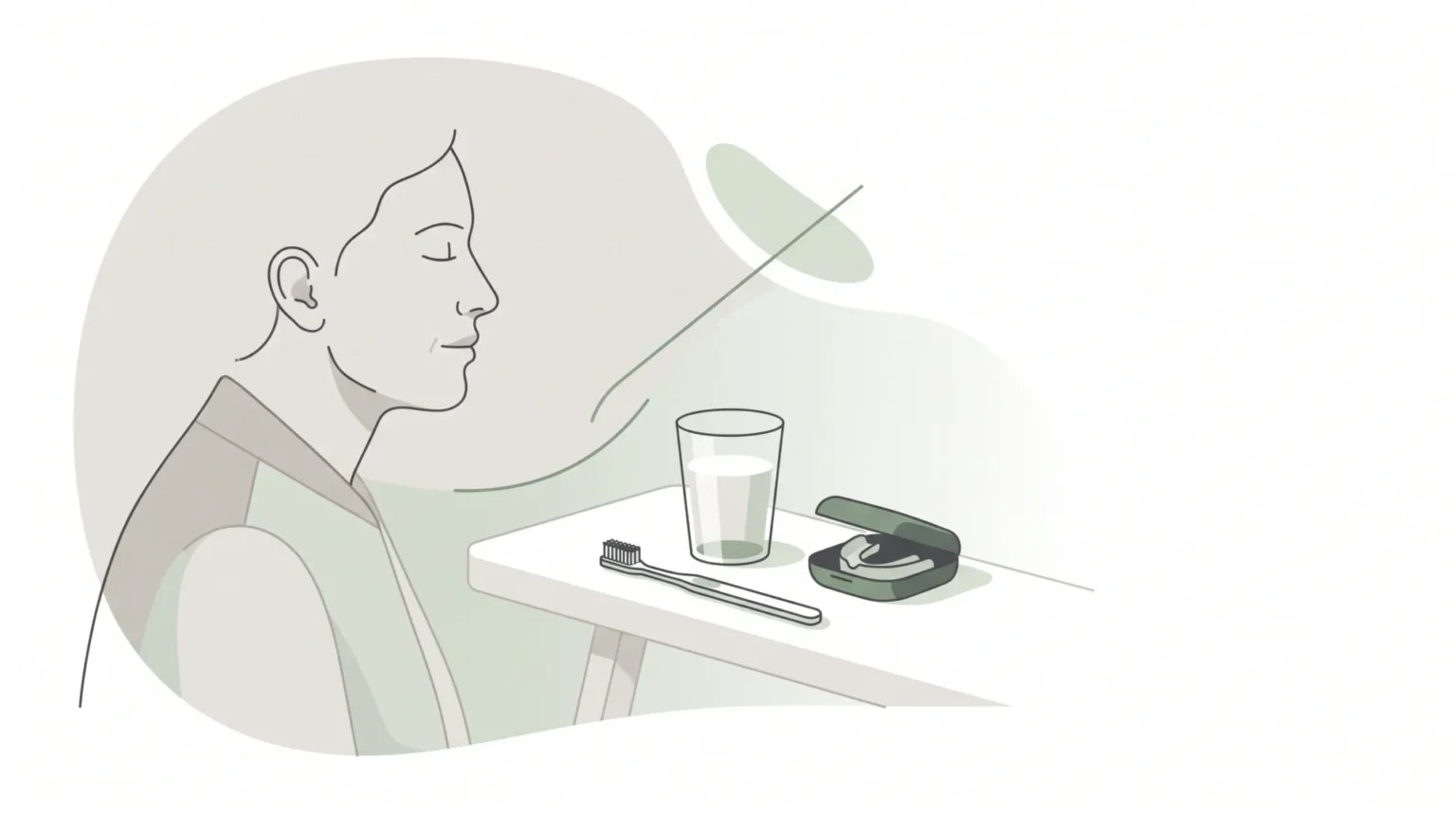
A brighter smile after whitening feels fresh, clean and confident. The challenge is keeping it that way without turning every meal or coffee into a source of worry.
The good news is that maintaining a white smile is usually less about strict rules and more about consistent, sensible habits. Professional whitening can lift many stains from natural tooth structure, but it does not make teeth stain-proof. Coffee, tea, red wine, smoking, plaque build-up and ageing can all influence colour again over time.
If you have recently whitened your teeth or are planning treatment, this guide explains how to care for your smile in the first few days and how to build a realistic maintenance routine for the months ahead.
Start with what teeth whitening can and cannot do
Teeth whitening works on natural tooth enamel and dentine. It can help lighten many common forms of discolouration, especially stains linked to food, drinks and lifestyle habits. It does not change the colour of porcelain veneers, crowns, dental implants or tooth-coloured fillings.
That distinction matters after whitening. If you have existing restorations near the front of your mouth, they may appear darker than the newly whitened surrounding teeth. If you are planning veneers, crowns or composite work, your dentist may recommend whitening first, then allowing the shade to settle before matching any restorations.
Teeth can also feel slightly more sensitive after whitening. This is usually temporary, but it is one reason to follow your dentist’s aftercare advice rather than using extra whitening gel or repeating treatment too soon. If you are still comparing options, East Melbourne Dental Group’s guide to how in-chair teeth whitening works explains what happens during a professional appointment and which stains tend to respond best.
The first 48 hours: keep colour and acid low
Many dentists recommend being more careful with dark or acidic foods and drinks for the first 24-48 hours after whitening. During this period, teeth may be more prone to temporary sensitivity and surface staining, so simple choices can help protect your result while your smile settles.
A practical way to think about it is this: if a food or drink would stain a white shirt, it may stain your teeth more easily straight after whitening.
| In the first 48 hours | Better choices | Limit or avoid | Why it helps |
|---|---|---|---|
| Drinks | Water, milk, clear herbal tea | Coffee, black tea, red wine, cola, dark juices | Strong pigments can cling to tooth surfaces |
| Meals | Chicken, fish, rice, pasta, cauliflower, peeled potato | Tomato sauce, soy sauce, curry, beetroot, dark berries | Deep colour and acidity can encourage staining |
| Snacks | Plain yoghurt, banana, cheese, crackers | Chocolate, coloured lollies, balsamic vinegar | Less pigment means less chance of early discolouration |
| Habits | Rinse with water after meals | Smoking or vaping nicotine products | Tobacco and nicotine are common causes of yellow or brown staining |
You do not need to follow a bland diet forever. The stricter phase is short. Once your dentist says your normal diet can resume, focus on reducing frequent exposure rather than banning every colourful food.
Build a daily white smile dental care routine
The foundation of white smile dental care is plaque control. Plaque and tartar can make teeth look dull or yellow, even if the enamel itself has responded well to whitening.
Brush twice a day with fluoride toothpaste, using a soft toothbrush or an electric toothbrush with gentle pressure. Spend time at the gumline, where stain and plaque often collect. Brushing harder does not whiten teeth better. It can wear enamel, irritate gums and expose darker root surfaces over time.
Clean between your teeth once a day with floss or interdental brushes. Whitening cannot compensate for stain trapped between teeth, and those narrow areas often darken faster when they are missed. If flossing feels awkward, ask your dental team to show you a method or interdental brush size that suits your teeth.
Whitening toothpaste can help remove some surface stains, but it will not produce the same effect as professional whitening. Some formulas are more abrasive than others, so people with sensitivity, gum recession or worn enamel should ask a dentist before relying on whitening toothpaste long term.
Timing also matters. If you have had acidic drinks such as wine, sparkling water, sports drinks or citrus juice, rinse with water and wait about 30 minutes before brushing. Brushing straight after an acidic drink may increase enamel wear.
Change how you drink stain-causing beverages
For many people, coffee and tea are not going anywhere. A maintainable routine works better than unrealistic restrictions.
Try to reduce the time your teeth spend in contact with dark liquids. Sipping coffee slowly for three hours creates more staining opportunity than enjoying it with breakfast, then rinsing with water. Iced coffee, cola and dark juices can be sipped through a straw to reduce contact with the front teeth. Plain water after coffee, tea or red wine helps dilute pigments and acids before they settle.
If you drink red wine, alternating with water can reduce staining and dryness. If you smoke, whitening results are usually harder to maintain, and stains tend to return more quickly. For a broader overview of stain types and simple prevention steps, this patient-friendly guide to keeping teeth white covers habits such as rinsing after coloured drinks and speaking with a dental professional about whitening options.
Protect your enamel and gums
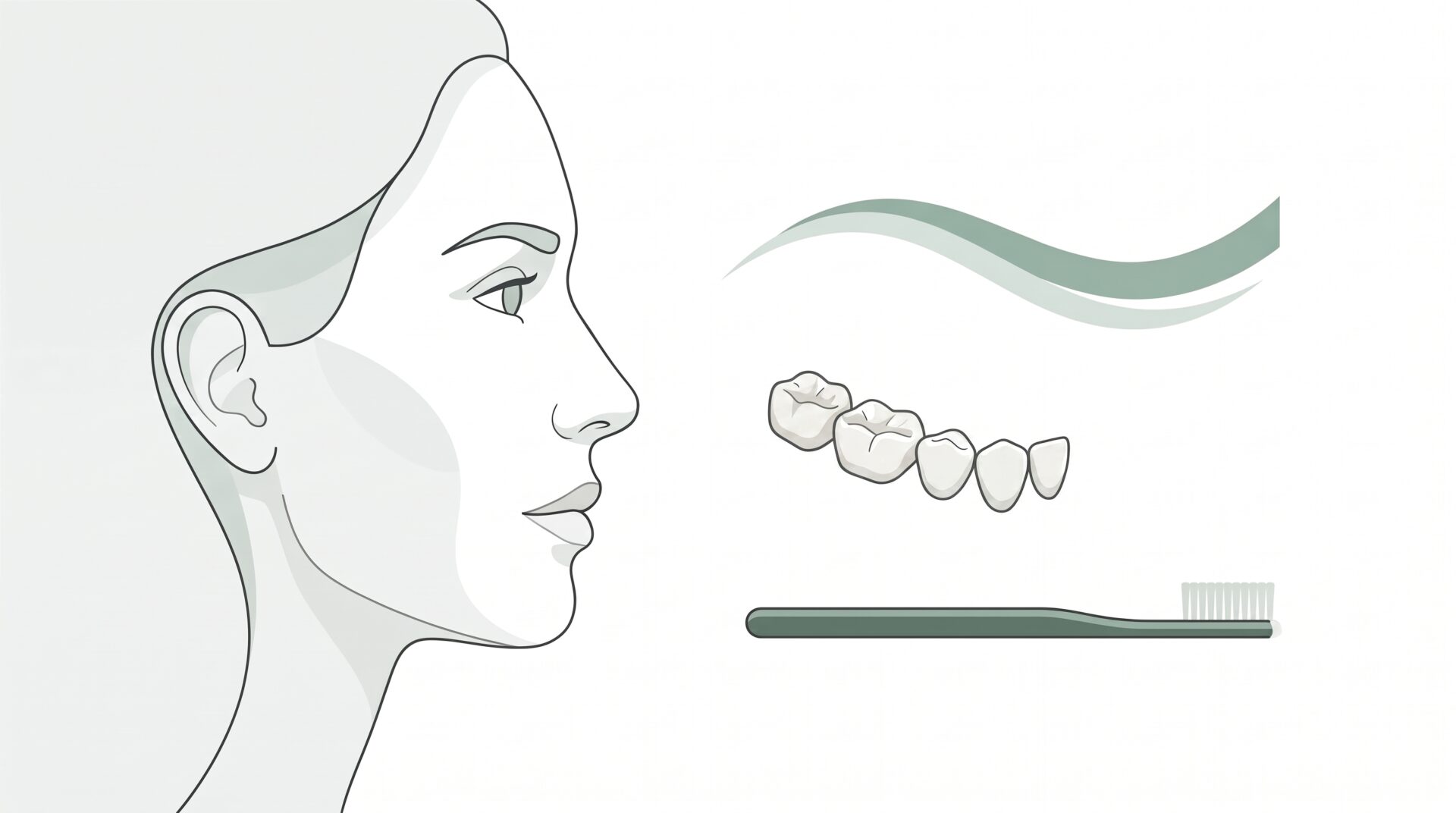
A white smile should still be a healthy smile. Chasing a brighter shade with harsh home remedies can do more harm than good.
Avoid lemon juice, undiluted vinegar, abrasive charcoal powders and aggressive bicarb scrubs. These approaches may make teeth feel smoother for a short time, but they can wear enamel or irritate gums. Once enamel is worn, teeth may look yellower because more of the underlying dentine shows through.
Hydration also plays a role. Saliva helps buffer acids and wash away food particles. Dry mouth can make staining and decay more likely, especially if it is linked to medications, mouth breathing, alcohol intake or dehydration. If your mouth often feels dry, mention it at your next dental visit.
Regular professional cleans are part of whitening maintenance too. A scale and polish will not change the intrinsic shade of your teeth the way whitening gel can, but it can remove plaque, tartar and some surface stains that make a smile appear less bright.
Plan touch-ups, do not improvise
Teeth whitening is not permanent, so touch-ups may be part of your long-term plan. The right schedule depends on your original tooth shade, diet, oral hygiene, sensitivity levels and the whitening method used.
If your dentist provided custom whitening trays, use only the gel and timing instructions prescribed for you. Adding extra gel, whitening more often or sleeping in trays when you were not told to can increase sensitivity and irritate the gums without creating a better or more stable result.
If whitening is part of a wider cosmetic plan, timing becomes even more important. Veneers, crowns and fillings need to be matched to a stable tooth shade, not to teeth that were whitened yesterday. East Melbourne Dental Group explains this planning process in more detail in its article on natural-looking dental makeovers.
Care for retainers, aligners and night splints
If you wear clear aligners, retainers or a night splint, your appliance can affect how clean and bright your teeth look. Pigments and plaque can build up on plastic, then sit against the teeth for hours.
Remove aligners or retainers before drinking anything other than water, unless your dentist has advised otherwise. Brush or rinse before putting them back in, especially after coffee, tea, wine or sugary drinks. Clean appliances as directed and avoid hot water, which can distort clear plastic.
If you use a night splint for grinding, bring it to check-ups. Your dental team can assess whether it is accumulating stain or plaque and show you how to keep it clean without damaging the material.
Know when whitening maintenance needs a dentist
Sometimes teeth darken again because of normal staining. Other times, a colour change points to something that needs professional review.
Book a dental assessment if one tooth becomes noticeably darker than the others, your whitening result looks patchy, sensitivity persists, stains return very quickly or old fillings and crowns no longer match your surrounding teeth. A dentist can check whether the issue is surface stain, enamel wear, gum recession, decay, trauma or the colour of an existing restoration.
This is also the safest way to avoid over-whitening. More whitening is not always the right answer. Sometimes the better option is a professional clean, a change in oral hygiene tools, restoration replacement, veneer planning or simply allowing the shade to settle.
Frequently Asked Questions
How long does teeth whitening last? Whitening longevity varies from person to person. Diet, smoking, oral hygiene, enamel condition and the type of whitening treatment all influence how long teeth stay bright. Some people choose dentist-guided touch-ups to help maintain their result.
Can I drink coffee after teeth whitening? Many dentists suggest avoiding coffee for the first 24-48 hours after whitening. After that, you can reduce staining by drinking water afterwards, avoiding long sipping sessions and keeping up with brushing and flossing.
Does whitening toothpaste maintain professional whitening? Whitening toothpaste may help with surface stains, but it does not usually change deeper tooth colour. Choose a fluoride toothpaste and ask your dentist for advice if you have sensitivity, gum recession or worn enamel.
Why do my crowns or fillings look darker after whitening? Whitening gel works on natural tooth structure, not porcelain, ceramic or composite restorations. If crowns, veneers or fillings are visible when you smile, your dentist can discuss whether they need polishing, replacement or shade matching after whitening.
Is sensitivity normal after teeth whitening? Mild, short-term sensitivity can happen after whitening. It often improves with time and dentist-recommended sensitivity care. If discomfort is severe, lasts longer than expected or affects one specific tooth, arrange a dental review.
Keep your whitening result looking fresh
A bright smile is easiest to maintain when whitening is supported by everyday prevention: gentle brushing, daily interdental cleaning, smart drink habits, regular dental cleans and touch-ups only when appropriate.
If you would like personalised advice, East Melbourne Dental Group can assess your tooth shade, stain type, sensitivity risk and oral health before recommending a whitening or maintenance plan. The practice offers teeth whitening treatments, free cosmetic consultations and payment plans. To discuss your options, book with East Melbourne Dental Group.
Disclaimer
The information provided on this website is for general informational and educational purposes only. It is not intended to replace professional dental advice, diagnosis or treatment. Dental needs and treatment outcomes vary between individuals. Always seek advice from a qualified dental practitioner regarding your specific circumstances before making decisions about your oral health or treatment. A consultation and clinical assessment are required to determine which treatment options may be suitable for you. All dental procedures carry potential risks and benefits, which will be discussed with you before treatment.