
25 August 2026 | Cosmetic Dentistry, Invisalign, Tooth Decay
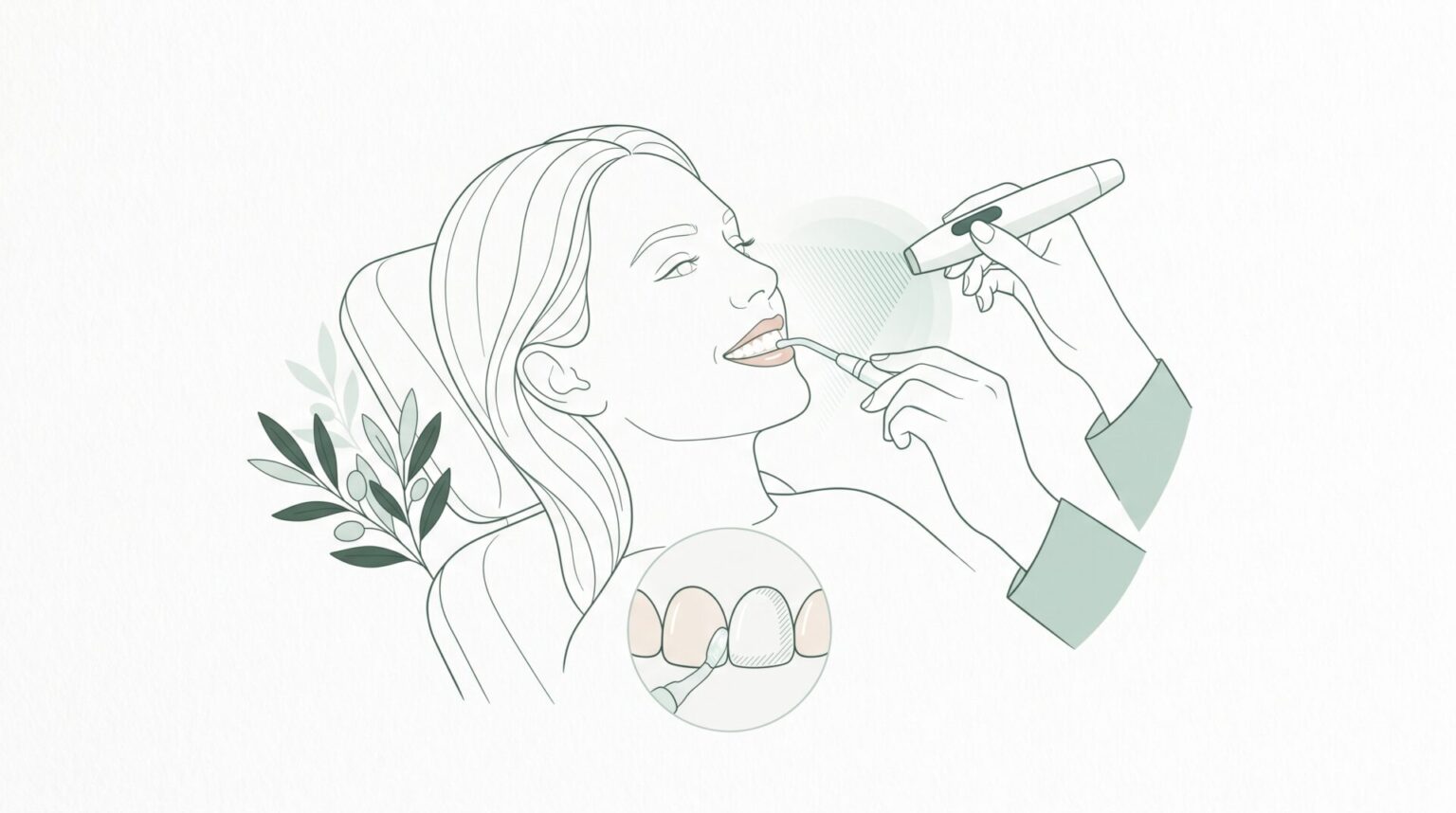
Teeth whitening is often the first treatment people ask about when they start thinking about cosmetic dentistry. It is familiar, relatively conservative and can make a noticeable difference to the way a smile looks. But in a well-planned cosmetic dentistry plan, whitening is not just a quick colour change. It is a timing decision, a shade-matching decision and sometimes a useful first step before other treatments.
The best results usually come from asking a broader question: what does the whole smile need to look healthier, brighter and still natural? For some people, professional whitening is the main treatment. For others, it supports Invisalign, veneers, crowns, bonding or restorative care by creating a more harmonious final shade.
Cosmetic dentistry starts with oral health, not shade
Before teeth whitening fits into a cosmetic plan, a dentist needs to understand why the teeth look darker in the first place. Surface stains from coffee, tea, red wine and smoking are different from deeper discolouration within the tooth. Age-related darkening is different again, and a single dark tooth may need diagnosis rather than cosmetic whitening.
A cosmetic consultation should include an assessment of gums, enamel, existing fillings, cracks, tooth wear, sensitivity and bite function. Whitening over untreated decay, inflamed gums or leaking restorations can lead to discomfort and disappointing results. If the teeth need a clean, gum care or restorative treatment first, that should happen before any cosmetic shade decisions are locked in.
This is also where professional advice matters. Teeth whitening can lighten natural tooth structure, but it does not whiten porcelain veneers, crowns, dental implants, composite bonding or old fillings. If those restorations are visible when you smile, whitening may change the surrounding teeth and make older dental work stand out more. A good plan anticipates that before treatment begins.
What teeth whitening can realistically do
Professional whitening works by using whitening gels to lighten pigments within natural tooth structure. It can make teeth appear fresher, cleaner and more youthful, particularly when the main issue is yellow or brown-toned staining.
Whitening is less predictable for grey-toned teeth, deep internal staining, discolouration caused by trauma or teeth with heavy translucency. It also cannot change tooth shape, close gaps, straighten crowded teeth or repair worn edges. That does not make whitening limited. It simply means it has a defined role.
In teeth whitening cosmetic dentistry planning, whitening is often used to set the base colour of the natural teeth. Once that base colour is known, the dentist can better plan whether other cosmetic treatments are needed and how bright they should be.
Where whitening fits with common cosmetic treatments
The timing of whitening depends on what else is planned. In many cases, whitening comes before the final shade selection for bonding, veneers or crowns. If alignment is part of the plan, whitening may be better near the end of Invisalign treatment or after the teeth have moved into their planned positions.
| Smile concern | Role of teeth whitening | Other treatments that may be considered |
|---|---|---|
| Natural teeth look yellow or stained | May be the main cosmetic treatment | Professional clean, take-home trays, in-chair whitening |
| Teeth are mildly chipped or uneven | Often done before bonding so the new resin can be shade-matched | Composite bonding, enamel reshaping |
| Teeth are crowded or rotated | Usually supports the final result after alignment | Invisalign or other orthodontic planning |
| Veneers or crowns are planned | Often done first so ceramic work can match the preferred shade | Veneers, crowns, replacement fillings |
| Old fillings or crowns look dark | Helps identify whether restorations need updating | Crown replacement, composite replacement |
| Gums are inflamed or teeth are sensitive | Usually delayed until the mouth is stable | Gum care, decay treatment, sensitivity management |
This is why whitening should not be treated as separate from the broader plan. A brighter shade can look excellent when it is integrated with tooth shape, gum balance, facial features and bite function. When it is done in isolation, it can sometimes highlight uneven edges, old fillings or crowding that the patient had not noticed before.
The typical sequence in a cosmetic dentistry plan
Every case is different, but whitening often sits in the middle of the cosmetic planning process rather than at the very beginning or very end.
- Consultation and smile assessment: The dentist discusses your goals, checks oral health, reviews existing dental work and identifies which concerns are caused by colour, shape, position or function.
- Health and hygiene care: A professional clean, gum treatment or restorative care may be recommended before whitening so the teeth and gums are comfortable and stable.
- Alignment and structural decisions: If Invisalign, crowns, veneers or implants are needed, the dentist plans how those treatments will affect the final smile design.
- Teeth whitening: Whitening is completed once the mouth is suitable and the final colour goal is clear. This may involve in-chair whitening, take-home trays or a combination approach.
- Shade stabilisation: The final colour is allowed to settle before bonding, veneers or crowns are matched. Dentists often allow around one to two weeks, depending on the treatment and materials being used.
- Final cosmetic or restorative work: Bonding, veneers, crowns or replacement fillings are completed to match the planned shade and improve the overall smile.
- Maintenance: The patient receives advice on oral hygiene, diet, touch-ups and dental review intervals to help keep the result looking consistent.
In-chair whitening, take-home whitening or both?
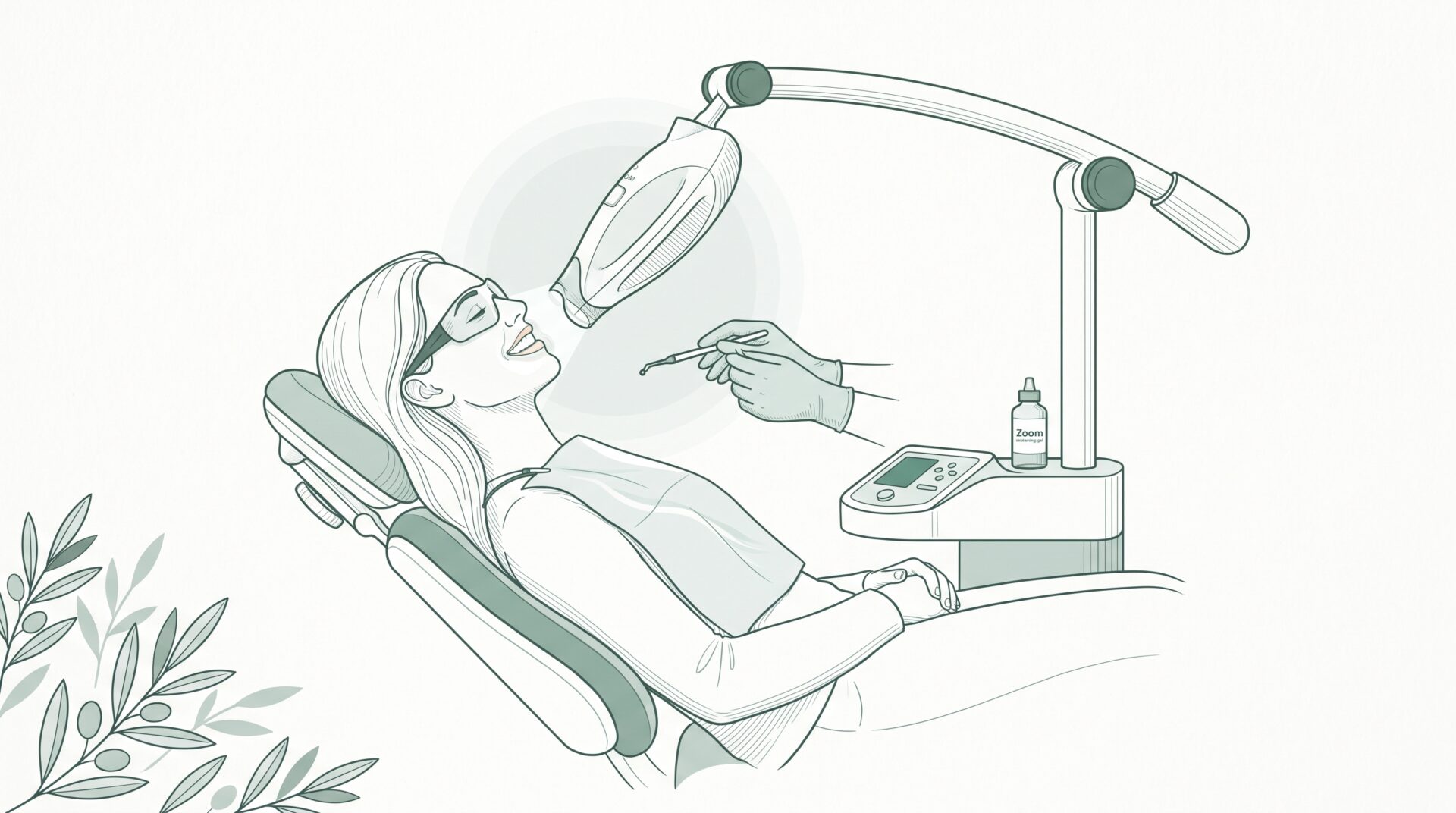
The right whitening method depends on your starting shade, sensitivity history, timeline and cosmetic plan. In-chair whitening is often chosen by patients who want a faster result under close dental supervision. Take-home whitening trays can be useful when a more gradual approach is preferred or when future maintenance is part of the plan.
Some patients benefit from a combined approach, where in-chair whitening provides an initial lift and custom trays help refine or maintain the result. Others may only need one method. The key is that the method should suit the whole cosmetic plan, not just the desire for the lightest possible shade.
If you want a closer look at the appointment process, East Melbourne Dental Group has a guide explaining how in-chair teeth whitening works, including what happens during treatment and which stains tend to respond best.
Natural-looking whitening depends on shade selection
A natural cosmetic result is not always the whitest result. Teeth that are too bright for the face can look artificial, especially if the shape, translucency and surface texture do not match. Good cosmetic planning considers the lips, skin tone, age, smile width and the whites of the eyes.
This is particularly relevant when veneers, crowns or bonding are part of the plan. If the natural teeth are whitened first, the dentist can select materials that blend with the new shade rather than copying a darker starting point. If a patient wants a very bright smile, the dentist can also explain whether that level of brightness will look natural with their tooth shape and facial proportions.
For patients planning more than whitening alone, the principles behind natural-looking dental makeovers are worth understanding. Whitening may be one part of that process, but the final result depends on how colour, shape, position and function work together.
Why existing dental work changes the plan
Existing restorations are one of the main reasons whitening needs to be planned carefully. A porcelain crown on a front tooth will stay the same colour after whitening. So will a veneer, implant crown or composite filling. If the surrounding teeth become lighter, that older dental work may no longer match.
This does not mean patients with restorations cannot whiten their teeth. It means the dentist may recommend a sequence. For example, whitening might be completed first, then an old front filling or crown may be replaced to match the new shade. If veneers are planned for several front teeth, whitening the neighbouring natural teeth first can help the veneers sit more naturally within the smile.
Planning also helps avoid unnecessary treatment. Sometimes a patient thinks they need veneers because their teeth look dull, but whitening and minor bonding may be enough. In other cases, whitening alone will not address worn enamel, gaps or old dental work, and the dentist can explain why a combined plan may be more appropriate.
When whitening should wait
Teeth whitening may need to be postponed if there is active tooth decay, untreated gum disease, cracked teeth, severe sensitivity or a dental emergency. It may also need to wait if a patient is about to start orthodontic movement or restorative treatment that will change how the teeth sit together.
Whitening should also wait when the main concern is not colour. If crowded teeth create shadowing, the smile may still look uneven after whitening. If front teeth are worn, whitening may make the edges look brighter but not restore their shape. If a dark tooth is caused by trauma, that tooth may need assessment for internal changes before cosmetic options are discussed.
A staged approach may feel slower, but it usually produces a better and more comfortable result.
Choosing a clinic for whitening within cosmetic dentistry
Because whitening is widely available, it can be tempting to shop for it as a standalone service. When it is part of cosmetic dentistry, the better question is whether the clinic can assess the whole smile and explain the order of treatment clearly.
Look for a dental team that discusses oral health first, explains realistic outcomes, checks existing restorations and gives you a plan rather than a sales pitch. That principle applies whether you are visiting a local Melbourne cosmetic dental clinic or looking for a trusted Geelong dentist closer to home. Clear communication and comprehensive care matter when colour changes may affect future restorations.
At East Melbourne Dental Group, whitening can be considered alongside general dentistry, Invisalign consultations, veneers, crowns, dental implants and other cosmetic options. Payment plans are also available, which may help patients plan staged treatment rather than rushing into a single appointment without understanding the bigger picture.
Maintaining the result after whitening
Whitening is not permanent, but good habits can help the result last longer. Coffee, tea, red wine, tobacco and strongly coloured foods can stain the teeth again over time. Regular brushing, flossing, professional cleans and dentist-approved maintenance can help keep the colour more stable.
A maintenance plan may include occasional use of custom trays, depending on your dentist's recommendation. It may also involve reviewing old fillings or restorations if they no longer match after whitening. The goal is not to chase a constantly whiter shade, but to keep the smile looking clean, balanced and healthy.
For practical aftercare advice, this guide on how to maintain a white smile after teeth whitening covers the early days after treatment and the habits that can reduce future staining.
Frequently Asked Questions
Is teeth whitening part of cosmetic dentistry? Yes. Teeth whitening is one of the most common cosmetic dentistry treatments because it improves the colour of natural teeth. It may be used alone or as part of a broader plan involving Invisalign, bonding, veneers or crowns.
Should I whiten my teeth before veneers or crowns? In many cases, yes. Whitening is often completed before final shade selection so veneers, crowns or bonding can be matched to the lighter natural teeth. Your dentist will confirm the right order for your mouth.
Can whitening fix all cosmetic smile concerns? No. Whitening changes tooth colour, but it does not straighten teeth, repair chips, close gaps, change tooth size or whiten existing porcelain and resin restorations. Those concerns may need other cosmetic or restorative treatments.
Can I whiten my teeth during Invisalign treatment? It depends on your plan. Some patients whiten near the end of Invisalign treatment or after alignment is complete. Do not use aligners as whitening trays unless your dentist specifically advises it.
How long should I wait after whitening before bonding? Dentists often allow around one to two weeks for the shade to stabilise before bonding or final ceramic shade matching. The exact timing depends on the whitening method, materials and your individual plan.
Plan whitening as part of the bigger smile
Teeth whitening can be a simple and effective way to refresh a smile, but it works best when it is timed correctly within a cosmetic dentistry plan. The right sequence can help avoid shade mismatches, protect comfort and create a result that looks brighter without looking artificial.
If you are considering teeth whitening, veneers, Invisalign or a broader smile update, East Melbourne Dental Group can assess your oral health, discuss suitable cosmetic options and help you understand the order of treatment. A thoughtful plan is the safest place to start.
Disclaimer
The information provided on this website is for general informational and educational purposes only. It is not intended to replace professional dental advice, diagnosis or treatment. Dental needs and treatment outcomes vary between individuals. Always seek advice from a qualified dental practitioner regarding your specific circumstances before making decisions about your oral health or treatment. A consultation and clinical assessment are required to determine which treatment options may be suitable for you. All dental procedures carry potential risks and benefits, which will be discussed with you before treatment.