26 August 2026 | Cosmetic Dentistry, Invisalign, Teeth Whitening
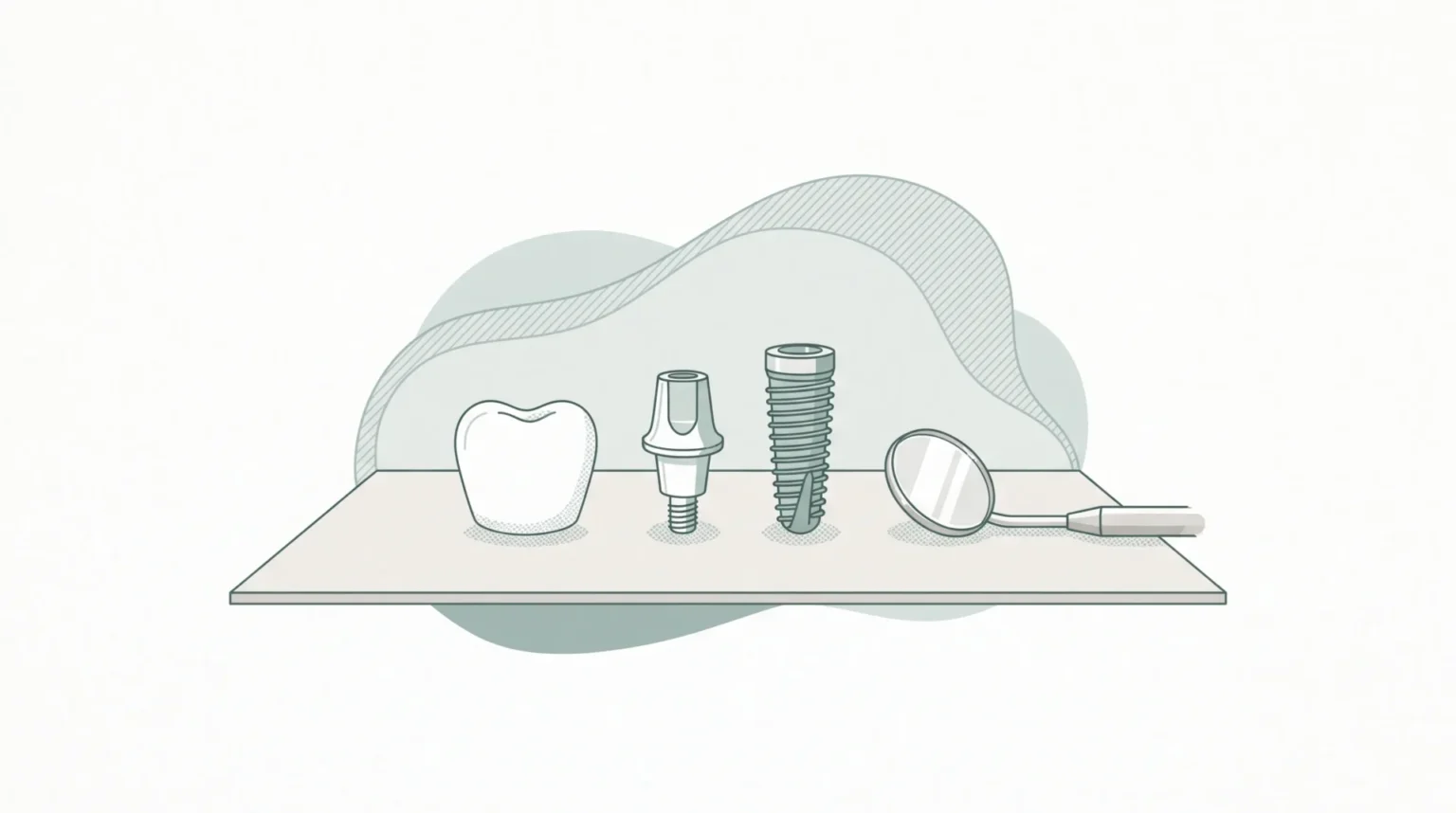
A smile goal can sound simple at first: whiter teeth, straighter teeth, fewer gaps or a more balanced smile in photos. The right treatment choice is rarely that simple. The cosmetic dental services that suit you depend on your tooth structure, gum health, bite, existing fillings or crowns, budget, timeline and how much change you actually want.
That is why a good cosmetic dentistry plan starts with a conversation, not a procedure. One person may achieve their goal with professional whitening. Another may need Invisalign first, then whitening. Someone else may be better suited to veneers, crowns or dental implants because the concern is not just colour, but tooth shape, strength or missing teeth.
Start with your smile goal, not the service
Cosmetic dentistry is often presented as a list of treatments, but patients usually think in outcomes. You may not know whether you need veneers or whitening. You just know your teeth look darker than you would like, or that one tooth looks out of place when you smile.
A dentist’s role is to translate that goal into a safe, realistic plan. This usually means checking your oral health first. Active tooth decay, gum disease, cracks, bite problems or pain should be addressed before cosmetic treatment begins. If these issues are skipped, even a beautiful cosmetic result may be uncomfortable or short lived.
In Australia, responsible dental care also involves informed consent. A good plan should explain what a treatment can change, what it cannot change, likely maintenance, alternatives and risks. Be cautious of any approach that guarantees a specific cosmetic outcome, since results vary from person to person.
Quick guide: which treatment matches which goal?
Use this table as a starting point for a cosmetic consultation. It is not a diagnosis, but it can help you ask better questions.
| Smile goal | Cosmetic dental services to discuss | What to know before choosing |
|---|---|---|
| A brighter smile | Professional teeth whitening, hygiene care, replacement of visible old restorations if appropriate | Whitening changes natural tooth enamel, not crowns, veneers or fillings |
| Straighter-looking teeth | Invisalign consultation, orthodontic planning, sometimes veneers for minor shape concerns | Aligners move teeth, veneers change tooth surfaces and proportions |
| More even tooth shape | Veneers, crowns, contouring or composite options where suitable | The most conservative option depends on how much tooth structure is healthy |
| Fewer visible chips or worn edges | Veneers, crowns or restorative treatment | Wear may be linked to grinding or bite forces, which need assessment |
| Closing gaps | Invisalign, veneers or a combination plan | The size and cause of the gap influence whether movement or reshaping is better |
| Replacing a missing tooth | Dental implants, crowns, bridges or other restorative options | Gum health, bone support and bite stability affect suitability |
| Feeling calmer during treatment | Gentle planning, staged visits, sleep dentistry options where appropriate | Comfort planning can be part of the treatment plan, especially for longer care |
If your goal is a whiter smile
Teeth whitening is often the simplest cosmetic starting point when the main concern is staining or gradual darkening. Professional whitening can help with many common causes of discolouration, including staining from coffee, tea, red wine and ageing. It is not designed to change the colour of fillings, crowns or veneers, so your dentist may discuss whether any visible restorations need to be updated after your preferred shade is reached.
Whitening is also often timed carefully. If you are planning veneers, crowns or bonding, whitening may be recommended first so the final restorations can be matched to your brighter natural teeth. If you whiten after a restoration is made, the restoration will not lighten in the same way, which can create a mismatch.
For a more detailed look at sequencing, East Melbourne Dental Group has a helpful guide on where teeth whitening fits in a cosmetic dentistry plan. The key takeaway is that whitening works best when it is part of a planned smile strategy, not an isolated impulse before other cosmetic work.
Whitening may not be the right first step if you have sensitivity, untreated decay, leaking fillings or gum irritation. A dental assessment can identify these issues and reduce the chance of avoidable discomfort.
If your goal is straighter teeth
If your main concern is crowding, spacing or teeth that look tilted, an Invisalign consultation may be a better starting point than veneers. Clear aligner treatment is designed to move teeth gradually. Veneers can improve the appearance of tooth shape and colour, but they do not correct the underlying position of the teeth in the same way.
For some patients, alignment improves both appearance and function. Teeth that are easier to clean may also support better gum health. Bite relationships matter too, because the way teeth meet can influence wear, chipping and the longevity of cosmetic dental work.
This does not mean every uneven smile needs orthodontics. Small asymmetries may be addressed with restorative or cosmetic options. The decision comes down to how much movement is needed, whether the bite is stable and how conservative the alternatives would be.
If you are weighing Invisalign against veneers, ask what each option would involve over time. Aligners may take longer, but preserve tooth surfaces. Veneers may create faster visual changes in some cases, but usually involve preparing the tooth surface and require maintenance or replacement over time.
If your goal is changing tooth shape, size or symmetry
Veneers and crowns are often discussed when people want to change the shape, length, width or visible symmetry of their teeth. They may also be considered when teeth are heavily stained, worn, chipped or have older restorations that affect the smile.
Veneers generally cover the front surface of a tooth. Crowns cover more of the tooth and may be recommended when a tooth needs more structural support. The right option depends on how much healthy tooth remains, whether there are cracks or large fillings and how the tooth functions in the bite.
Natural-looking cosmetic dentistry is not about making every tooth the same size or the brightest possible shade. It is about harmony with your face, lips, gum line and personality. Tooth shape, translucency, proportions and the way your smile moves all matter. If you are considering a larger change, it is worth reading about how dental makeovers are planned for natural-looking results.
This is also where communication becomes important. Bring photos of smiles you like, but be open to guidance. A smile that suits one person’s face may not suit yours. The goal is not to copy someone else’s teeth, but to design a result that looks balanced for you.
If your goal involves a missing or failing tooth
A missing tooth can affect confidence, chewing and the way neighbouring teeth behave. Dental implants are one option for replacing missing teeth, and they can be part of both restorative and cosmetic dentistry. An implant is designed to support a replacement tooth, usually with a crown, after appropriate assessment and healing.
Implants are not suitable for everyone. Your dentist will consider gum health, bone support, medical history, smoking, bite forces and the condition of surrounding teeth. In some cases, other options such as a bridge or denture may also be discussed.
If a tooth is failing but still present, the decision may involve more than appearance. The dentist needs to assess whether the tooth can be restored predictably or whether replacement is more appropriate. Pain, infection or swelling should be treated as dental health priorities, not cosmetic inconveniences.
When one cosmetic service is not enough
Many smile goals sit across several treatment categories. A patient might want whiter teeth, but also have crowding and old front fillings. Another might want veneers, but need gum health stabilised first. A third may be missing a tooth and also want the surrounding teeth whitened before the final crown shade is chosen.
Combination planning helps avoid doing treatments in the wrong order. For example, whitening is usually considered before colour-matched restorations. Alignment may be planned before veneers if tooth position affects the final result. Gum health should be stable before cosmetic margins are placed near the gum line.
This is why a full-service dental setting can be useful. For readers comparing options in other parts of Australia, a Gold Coast dentist offering general, restorative and cosmetic care reflects the same principle: cosmetic decisions are stronger when oral health, function and aesthetics are assessed together.
At East Melbourne Dental Group, cosmetic dentistry sits alongside general dental care, emergency treatment, children’s dentistry, sleep dentistry options and restorative treatments such as crowns and implants. That broader context matters because the best cosmetic plan is often the one that protects your oral health as well as improving appearance.
How to choose between cosmetic dental services
When two or more services could help, the better choice usually depends on four practical questions.
First, how healthy are the teeth and gums? A tooth with decay, cracks or large old restorations may need restorative care before cosmetic decisions are made. Gums that bleed easily or have periodontal concerns should be stabilised first.
Second, how much change do you want? Whitening is suitable for shade changes, but not shape changes. Invisalign can improve alignment, but not enamel colour. Veneers can alter shape and shade, but they involve a different level of commitment.
Third, how conservative is the option? Preserving healthy tooth structure is often a priority. Sometimes that points toward whitening or aligners first. In other cases, a crown may be more appropriate because a tooth already needs structural protection.
Fourth, what maintenance are you comfortable with? Whitening may need periodic top ups. Aligners often require retainers after treatment. Veneers, crowns and implants need ongoing hygiene care, review appointments and possible future replacement or repair.
Cost also plays a role. Cosmetic treatment can vary widely because the complexity, materials, number of teeth, planning time and any health treatment required will differ between patients. If you are budgeting, this overview of what cosmetic dentistry can cost in Melbourne explains why fees are not one size fits all.
What to expect at a cosmetic consultation
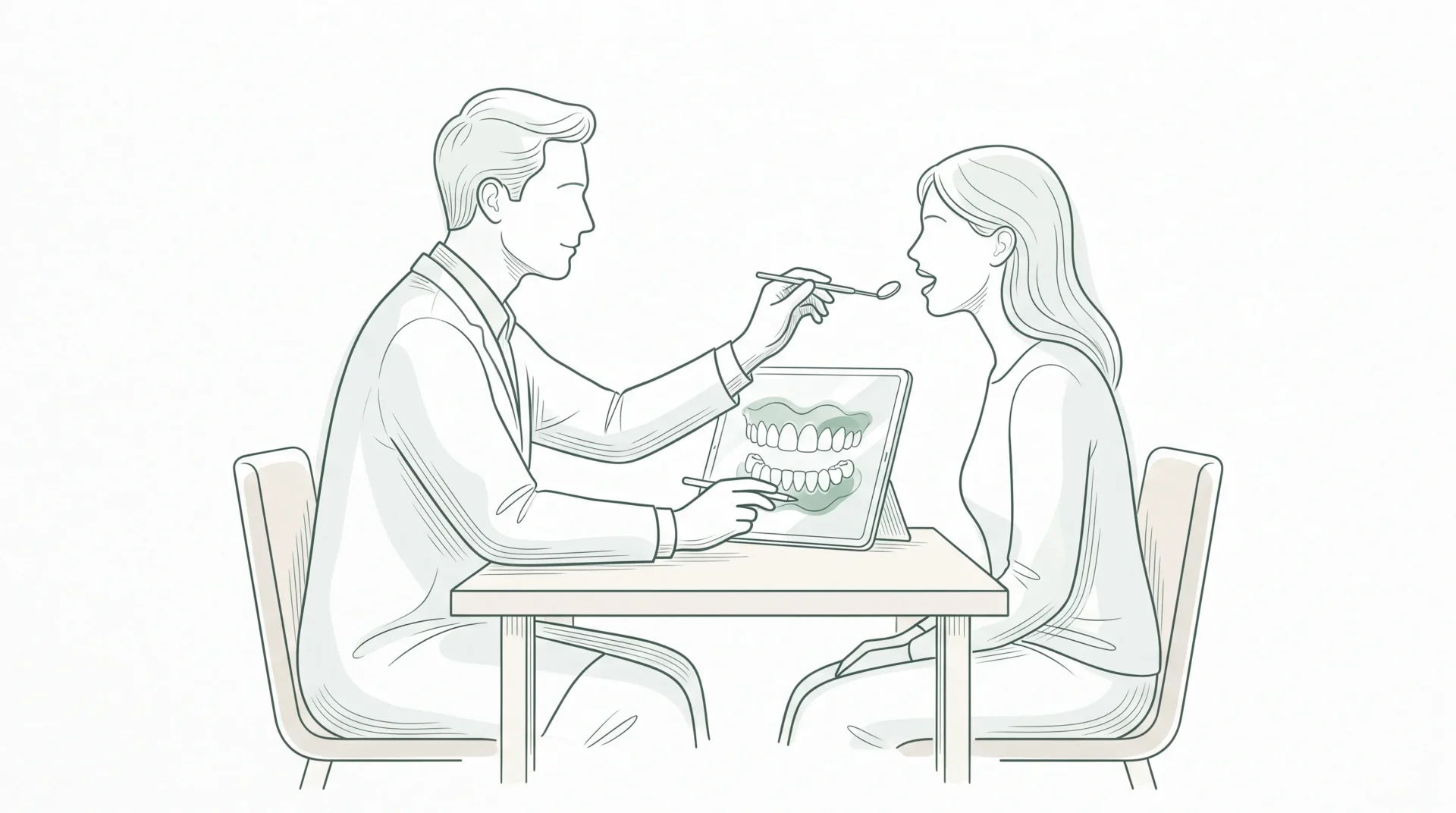
A consultation should help you leave with more clarity, not more pressure. Your dentist may ask what bothers you about your smile, when you notice it most and how much change you are hoping for. They may assess your teeth, gums, bite, existing dental work and smile proportions. Photos or scans may be used where appropriate to support planning and communication.
You can make the appointment more productive by thinking about these points before you arrive:
- What is your main priority: colour, alignment, shape, gaps, missing teeth or overall balance?
- Do you want a subtle refresh or a more noticeable change?
- Is there a timeline, such as a wedding, travel or work event?
- Do you have sensitivity, anxiety, grinding, jaw discomfort or a history of dental problems?
- Are you interested in payment plan options if a staged plan is recommended?
A staged plan is common. It may begin with general dental care and whitening, then progress to Invisalign, veneers, crowns or implants if needed. Staging can also help with budgeting and decision making, since you are not forced to commit to everything at once.
East Melbourne Dental Group offers free cosmetic consultations, along with payment plans for eligible treatment. A consultation can help you understand which cosmetic dental services are realistic for your smile goals and whether any general dental care should come first.
Frequently Asked Questions
Which cosmetic dental service is best for stained teeth? Professional teeth whitening is often the first option to discuss if the staining affects natural teeth. If discolouration is inside the tooth, linked to old restorations or present on crowns or veneers, your dentist may recommend a different plan.
Should I whiten my teeth before veneers or crowns? Often, yes. Whitening before colour-matched dental work can help your dentist choose a shade that fits your refreshed smile. Existing crowns, veneers and fillings will not whiten like natural enamel.
Can Invisalign replace veneers? Invisalign and veneers solve different problems. Invisalign moves teeth into a better position, while veneers change the visible surface, shape and colour of teeth. Some patients may need one or the other, and some may benefit from both.
Are dental implants cosmetic or restorative? Dental implants can be both. They replace missing teeth for function and oral health, but the visible crown also affects the appearance of your smile. Suitability depends on a clinical assessment.
How do I avoid an unnatural cosmetic result? Choose a dentist who assesses your oral health, listens to your goals and explains realistic options. Natural results usually come from careful planning of shade, shape, proportions, gum line, bite and facial balance.
Ready to match your smile goals with the right treatment?
If you are considering whitening, Invisalign, veneers, crowns, implants or a broader smile plan, East Melbourne Dental Group can help you explore your options with a health-first approach. Book a cosmetic consultation to discuss what you would like to change, what is clinically suitable and how a staged plan could work for your smile, timeline and budget.
Disclaimer
The information provided on this website is for general informational and educational purposes only. It is not intended to replace professional dental advice, diagnosis or treatment. Dental needs and treatment outcomes vary between individuals. Always seek advice from a qualified dental practitioner regarding your specific circumstances before making decisions about your oral health or treatment. A consultation and clinical assessment are required to determine which treatment options may be suitable for you. All dental procedures carry potential risks and benefits, which will be discussed with you before treatment.