
28 August 2026 | Children's Dentistry, Cosmetic Dentistry, General Dentistry
A recommendation for a dentist can be genuinely helpful, but only if it gives you more than a name and a suburb. “My dentist is great” is a starting point, not enough information to decide whether that clinic is right for your mouth, your family, your budget or your level of dental anxiety.
The goal is to turn a casual suggestion into a practical shortlist. That means asking better questions, checking the basics yourself and noticing how the clinic communicates before you commit to ongoing care.
Why dental recommendations need context
Dentistry is personal. One person may love a clinic because it offers quick check-ups near work. Another may value a calm dentist for an anxious child, a clear plan for veneers or access to emergency appointments. A recommendation is only useful when the person giving it has similar priorities to you.
Start by defining what you actually need. Are you looking for routine family check-ups, help with a painful tooth, cosmetic options such as whitening or veneers, Invisalign, dental implants or a dentist who is good with nervous patients? A recommendation that suits one of these needs may not suit another.
Location also matters, especially if you are planning long-term care. A dentist close to home, school or work makes follow-up appointments easier and reduces the chance that preventive care slips. If you are comparing clinics locally, this guide on how to choose the right dentist in East Melbourne explains the practical factors that are worth weighing alongside word of mouth.
Ask the right people, not just the most people
A dozen vague recommendations can be less useful than one detailed recommendation from someone whose situation resembles yours. If you have children, ask other parents. If you are considering cosmetic treatment, ask someone who has had a proper consultation, not just someone who liked an Instagram photo. If you are nervous about dental visits, ask people who have had similar concerns and found the appointment manageable.
Good sources can include friends, family, colleagues, your GP, pharmacists and local community groups. Online reviews can add context, but they should not be treated as proof of clinical quality. Reviews often reflect communication, convenience and chairside manner, which are important, but they do not tell you whether a diagnosis or treatment plan is appropriate.
For families, recommendations should go beyond “they are nice with kids”. Ask whether the clinic explains treatment clearly to parents, creates a calm first experience for children and can look after adults and children in the same practice. If you are comparing options for your household, this external guide to finding a family-friendly dentist near you may help you think through practical family needs.
Questions that make a recommendation more useful
When someone recommends a dentist, your best follow-up question is “what made them good for you?” The answer usually reveals whether the recommendation applies to your situation.
| Ask this question | What the answer tells you |
|---|---|
| What treatment did you see them for? | Whether the recommendation matches your needs, such as check-ups, children’s care, cosmetic work or urgent treatment. |
| Did they explain your options clearly? | Whether the dentist supports informed decision-making instead of rushing to one solution. |
| Were costs discussed before treatment? | Whether the clinic is transparent about fees, staged care and payment options. |
| How did they handle discomfort or anxiety? | Whether the clinic takes patient comfort seriously. |
| Was it easy to book and follow up? | Whether the clinic’s systems suit your schedule and ongoing care needs. |
| Did you feel pressured? | Whether the consultation felt ethical, measured and patient-centred. |
These questions also help you filter recommendations that are based on one pleasant interaction but little substance. A warm reception and convenient appointment are valuable, but they should sit alongside clinical care, careful assessment and clear communication.
Check the basics yourself
Even a trusted recommendation should be followed by a few independent checks. In Australia, dental practitioners must be registered. You can search the Ahpra Register of practitioners to confirm registration details before booking.
Next, look at the clinic’s website to see whether its services match your needs. A general dental clinic may offer check-ups, cleans, fillings, crowns, children’s dentistry and emergency care. A clinic with cosmetic services may also discuss whitening, veneers, Invisalign or implant options, but those treatments should still begin with an oral health assessment. Cosmetic dentistry should not be presented as a one-size-fits-all result.
In healthcare, good communication includes explaining benefits, limitations, risks, likely timelines and alternatives. If you are considering cosmetic work, it is worth reviewing what to look for in a cosmetic dental clinic so your decision is based on more than appearance alone.
Costs are another practical check. Dental fees can vary depending on complexity, materials, appointment length and whether multiple visits are required. A useful clinic should be willing to explain likely costs before treatment begins and discuss staged care if appropriate. If payment plans are important to you, ask what options are available and what terms apply.
Match the recommendation to your actual dental situation
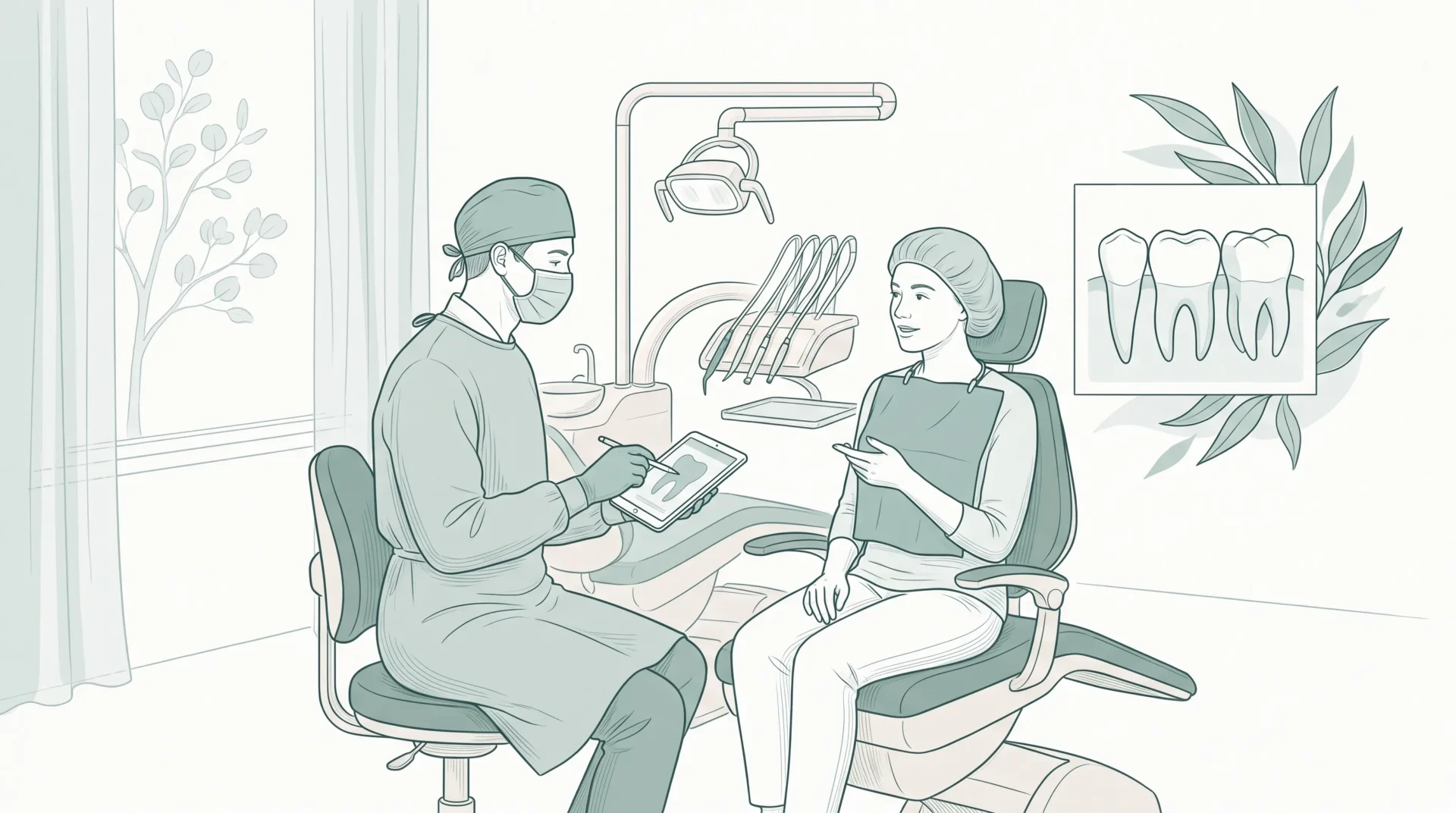
For routine care, prioritise a dentist who focuses on prevention, explains findings clearly and helps you understand what needs attention now versus what can be monitored. A good recommendation will often mention that the dentist did not rush, showed X-rays or images when relevant and gave clear home care advice.
For children’s dentistry, look for patience, calm communication and a clinic environment that does not make the child feel blamed or frightened. The best recommendation may come from a parent who can describe how the dentist introduced instruments, explained each step and adapted the appointment to the child’s age.
For cosmetic dentistry, ask whether the dentist discussed oral health first. Whitening, veneers, crowns and aligner treatment can all be valuable in the right circumstances, but appearance should not be separated from function, gum health and long-term maintenance. A recommendation is more meaningful if the person can tell you the dentist explained options rather than pushing one treatment.
For dental anxiety, ask about the appointment style. Did the dentist pause when needed? Did they explain what they were doing before starting? Were comfort options discussed? Some patients may also want to ask about sleep dentistry or sedation options where clinically appropriate.
For dental pain, swelling, trauma or a broken tooth, do not wait for the perfect recommendation. Contact a dental clinic promptly and describe your symptoms clearly. Emergency dental care is about timely assessment, pain management and deciding what treatment is needed.
Use the first contact as a test of fit
Your first phone call, online booking or consultation can tell you a lot. A clinic does not need to provide a diagnosis before seeing you, but it should communicate respectfully, explain what type of appointment may be suitable and tell you what information to bring.
If you already have recent X-rays, treatment plans or a list of medications, ask whether you should bring them. If you are booking for a child, mention their age and whether it is their first visit. If you are nervous, say so early. A considerate clinic will not treat that as an inconvenience.
Once you have chosen a clinic, the booking process should feel straightforward. If you prefer to organise appointments digitally, this article on how to book a dentist appointment online explains what details to prepare and when it is better to call instead.
A simple script for asking for a better recommendation
If you are asking friends, family or a community group, try being specific:
I am looking for a dentist for regular check-ups and possibly cosmetic advice. I would prefer someone who explains options clearly and is gentle with nervous patients. If you recommend your dentist, what treatment did you see them for and what made the experience good?
If you are calling a clinic, you could ask:
I was recommended to your practice and I am looking for a first appointment. Can you tell me what usually happens at an initial check-up, how costs are explained and whether I should bring any previous dental records?
These scripts keep the conversation focused on care quality, communication and practical fit, not just popularity.
Frequently Asked Questions
Who is the best person to ask for a dentist recommendation? Ask someone with similar needs to yours. Parents are useful sources for children’s dentistry, nervous patients can comment on comfort and someone who has had cosmetic treatment can describe whether options were explained clearly.
Are online reviews enough to choose a dentist? Online reviews can help you understand patient experience, but they are not a substitute for checking registration, services, communication style and whether the dentist properly assesses your oral health.
How do I check if a dentist is registered in Australia? You can search the Ahpra public register for registered dental practitioners. This confirms registration details and helps you make a more informed choice.
Should I choose the dentist with the most recommendations? Not necessarily. The most useful recommendation is the one that matches your needs. A dentist who is highly recommended for routine family care may not be the right fit for complex cosmetic or implant treatment, and vice versa.
What should I do if I need urgent dental care? If you have pain, swelling, bleeding, trauma or a broken tooth, contact a dental clinic as soon as possible. In an emergency, timely assessment matters more than collecting multiple recommendations.
Ready to turn a recommendation into an appointment?
If you have been recommended to East Melbourne Dental Group or are comparing local dentists, our team can help you understand your options for general, cosmetic and family dental care. We offer services including Invisalign consultations, teeth whitening, veneers, crowns, dental implants, children’s dentistry, emergency dental care and sleep dentistry, with payment plans available.
Call the clinic or book online to arrange an appointment and discuss what type of care is right for you.
Disclaimer
The information provided on this website is for general informational and educational purposes only. It is not intended to replace professional dental advice, diagnosis or treatment. Dental needs and treatment outcomes vary between individuals. Always seek advice from a qualified dental practitioner regarding your specific circumstances before making decisions about your oral health or treatment. A consultation and clinical assessment are required to determine which treatment options may be suitable for you. All dental procedures carry potential risks and benefits, which will be discussed with you before treatment.