
1 September 2026 | Cosmetic Dentistry, General Dentistry, Teeth Whitening
Tooth sensitivity after whitening can be sharp, sudden and worrying. A cold drink, a breath of cool air or even touching your teeth together may trigger a zing that feels out of proportion to what seemed like a simple cosmetic treatment.
In many cases, whitening sensitivity is temporary. It can happen after professional whitening, take-home trays, strips or over-the-counter gels. But urgent tooth sensitivity after whitening should not be ignored, especially if the pain is severe, one-sided, throbbing or linked with gum injury, swelling or a cracked tooth.
If you searched for “emergency teeth whitening” because your teeth started hurting after a whitening session, the priority is not to whiten faster. It is to stop, calm the teeth and work out whether you need dental care.
What to Do Immediately
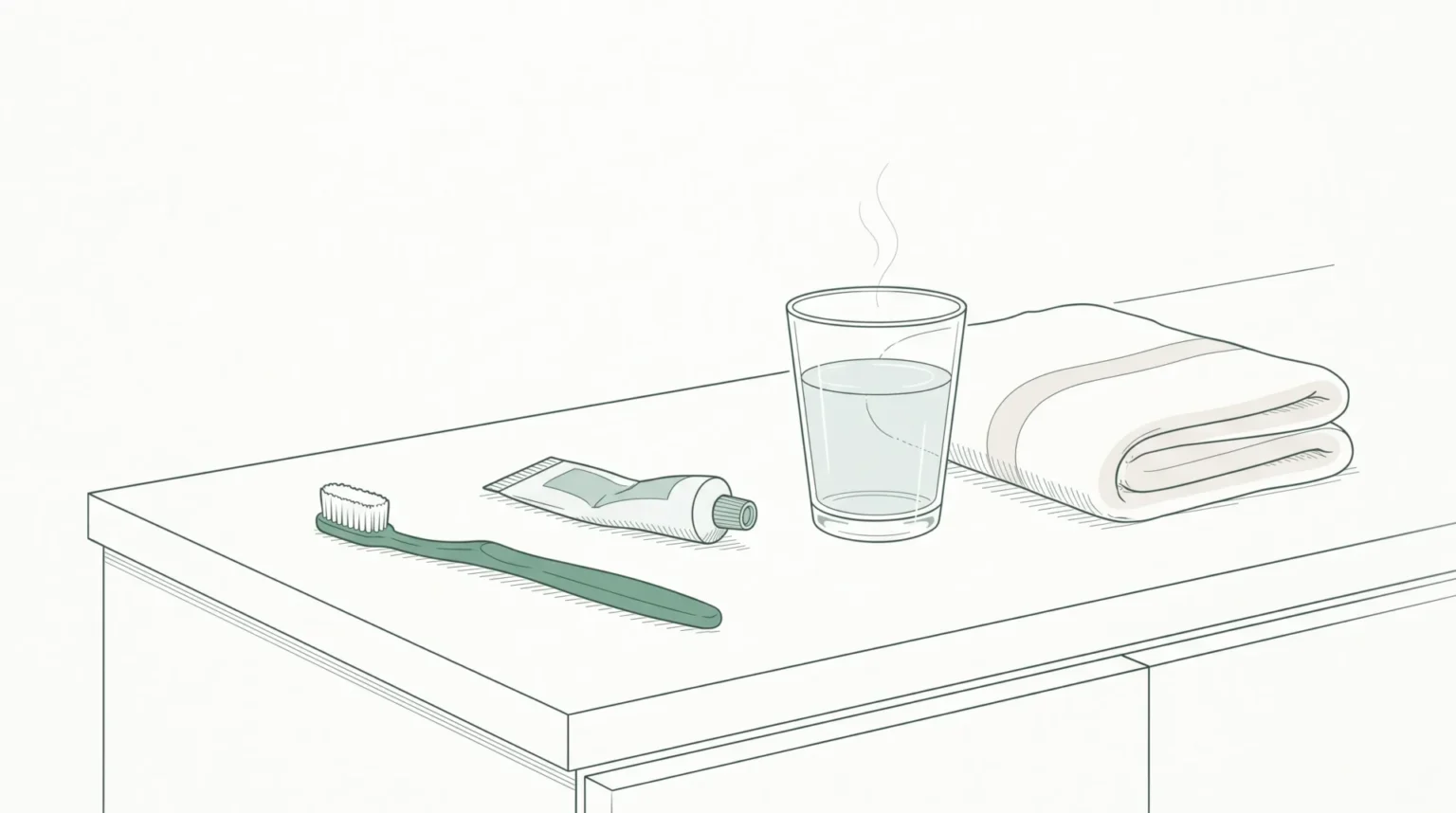
The first step is simple: stop the whitening treatment. Remove strips or trays, rinse your mouth gently with lukewarm water and do not apply more gel, even if you are partway through a course. Continuing to whiten when teeth are already highly sensitive can make irritation worse.
Avoid very cold, hot, acidic or sugary foods and drinks for the rest of the day. Choose room-temperature water and soft foods that do not require heavy chewing. If your teeth feel sensitive to air, try breathing through your nose while symptoms settle.
You can also use a desensitising toothpaste. Look for active ingredients such as potassium nitrate or stannous fluoride, which are commonly used for sensitivity. Brush gently with a soft toothbrush. Some people find it helpful to apply a small smear of desensitising toothpaste to the sensitive area, leave it briefly, then spit without heavy rinsing. If you are unsure, ask your dentist what is appropriate for your situation.
If you can take over-the-counter pain relief safely, follow the label or ask a pharmacist. Do not place aspirin directly against your tooth or gum. That can irritate or burn soft tissue.
If the sensitivity is intense, keeps you awake, affects one tooth more than the others or does not begin to ease, call a dentist. Whitening may have uncovered an existing problem such as decay, a crack, gum recession or a leaking filling.
Is Sensitivity After Whitening Normal?
Some sensitivity can be a normal side effect of whitening. Whitening products usually contain hydrogen peroxide or carbamide peroxide. These ingredients pass through the enamel and help break down stain molecules. During that process, fluid movement inside the tiny tubules of dentine can irritate the nerve inside the tooth, causing short, sharp sensitivity.
The Australian Dental Association’s patient information site, Teeth.org.au, notes that teeth whitening should be discussed with a dentist, partly because not every mouth is suited to whitening at a given time. Existing dental problems, exposed dentine and gum irritation can all change how whitening feels.
Mild whitening sensitivity is usually spread across several teeth, triggered by temperature and short-lived. It should gradually settle once whitening stops. Urgent or unusual symptoms are different.
| What you notice | More likely routine whitening sensitivity | Needs dental advice urgently |
|---|---|---|
| Pain pattern | Short zaps in several teeth | Strong pain in one tooth or one area |
| Trigger | Cold air, cold drinks or brushing | Pain without a trigger or pain when biting |
| Gum appearance | Slight temporary irritation | White patches, burns, ulcers, swelling or bleeding |
| Duration | Eases after stopping whitening | Persists, worsens or disrupts sleep |
| Other symptoms | No facial swelling or fever | Swelling, bad taste, pus, fever or difficulty swallowing |
This table cannot diagnose the cause, but it can help you decide whether to monitor symptoms briefly or call for care.
When Tooth Sensitivity Becomes a Dental Emergency
Whitening sensitivity itself is often not a dental emergency. However, pain after whitening can sometimes be the first obvious sign of a dental issue that was already present.
Call a dentist promptly if you notice severe pain that does not settle, swelling around the gum or face, pain when biting, a cracked tooth, a filling or crown that feels loose, or sensitivity that is concentrated in one tooth. A throbbing toothache, bad taste, pus or fever may point to infection and should be assessed quickly.
If you have swelling that affects breathing or swallowing, seek emergency medical care immediately.
For local help, East Melbourne Dental Group explains common urgent situations on its page about dental emergency care in East Melbourne. If your symptoms feel more than routine sensitivity, it is safer to call and describe what happened than to wait and continue whitening.
Why Whitening Can Trigger Sudden Sensitivity
Whitening does not remove enamel when used properly, but it can temporarily make teeth feel more reactive. Several factors make this more likely.
First, peroxide concentration and contact time matter. A stronger gel or a longer session can increase sensitivity for some people. This is one reason professional guidance is useful, especially if you have a history of sensitive teeth.
Second, gum recession can expose dentine near the gumline. Dentine is more porous than enamel and communicates more readily with the nerve inside the tooth. Whitening gel on exposed dentine can feel sharp very quickly.
Third, whitening trays or strips may not fit well. If gel pools near the gum or leaks onto soft tissue, it can cause gum irritation or a temporary chemical burn. This may look pale or white at first, then feel sore.
Fourth, dental problems can be silent until whitening draws attention to them. Small cavities, cracks, worn enamel, leaking restorations or inflamed gums can all make teeth less tolerant of whitening.
If you had in-chair whitening, the team should have used protective measures around the gums and assessed your teeth beforehand. If you are curious about the process and why preparation matters, this guide to how in-chair teeth whitening works explains what happens during a professional appointment.
What a Dentist May Do for Whitening Sensitivity
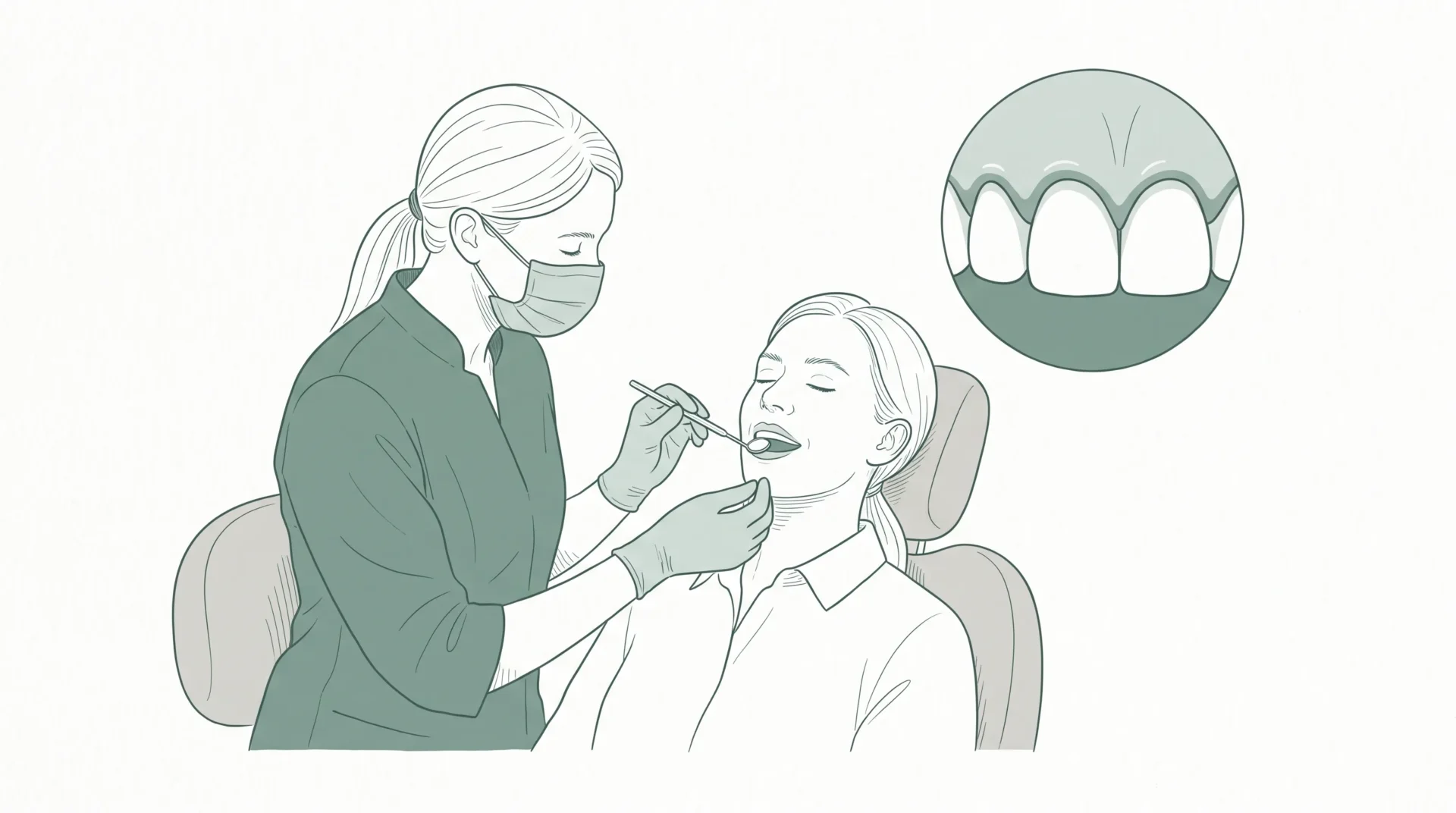
A dental visit for urgent whitening sensitivity is usually focused on finding the cause, calming the tooth and helping you avoid making the problem worse. Your dentist may ask what product you used, how long it was applied, how many sessions you have completed and whether sensitivity existed before whitening.
They may check for decay, cracks, gum recession, enamel wear, exposed dentine, inflamed gums and problems with existing restorations. If trays were used, they may assess the fit and whether too much gel was applied.
Depending on what they find, your dentist might recommend pausing whitening, using a desensitising toothpaste, applying a professional desensitising agent or fluoride, adjusting the whitening schedule, changing the gel strength or treating an underlying dental issue before whitening continues. The right approach depends on the cause of your symptoms.
The American Dental Association notes in its oral health information on whitening that sensitivity and gum irritation are possible side effects. These are good reasons to involve a dentist if symptoms feel urgent or unusual.
What Not to Do When Your Teeth Hurt After Whitening
It is tempting to push through, especially if you want a whiter result before an event. That is a mistake. Pain is a signal to pause.
Do not continue whitening that day. Do not sleep with whitening trays unless your dentist specifically instructed you to do so. Do not use multiple whitening products together, such as strips plus whitening toothpaste plus a whitening mouthwash. Combining products can increase irritation without giving you a safer or more predictable result.
Avoid brushing harder to “remove” the sensitivity. Aggressive brushing can worsen enamel wear and gum irritation. Also avoid home remedies such as lemon juice, baking soda scrubs or charcoal powders. Acidic and abrasive approaches can make sensitive teeth feel worse and may damage tooth surfaces.
If your gums look burnt or ulcerated, do not try to scrape the area. Rinse gently with water and call your dentist for advice.
Can You Resume Whitening Later?
Possibly, but only once symptoms have settled and any dental issues have been ruled out. The safest next step depends on why the sensitivity happened.
If the cause was temporary tooth sensitivity, your dentist may suggest shorter sessions, more rest days between applications or desensitising toothpaste before and during the whitening period. If the issue was tray fit or gel overflow, the application method may need to change. If decay, gum recession, cracks or worn restorations are involved, those problems should be managed before more whitening.
It is also worth setting realistic timing. Whitening just before a wedding, work event or photoshoot can feel convenient, but it leaves little room to manage sensitivity. Planning earlier gives your teeth time to settle and allows your dentist to adjust the approach if needed.
Once your teeth are comfortable, maintaining the result matters too. This guide on how to maintain a white smile after teeth whitening covers the first 48 hours after treatment, daily habits and how to manage staining drinks like coffee.
How to Reduce the Risk Next Time
If you know you are prone to sensitivity, tell your dentist before whitening. They can check for risk factors and help you choose an approach that suits your teeth.
A few habits can also reduce the chance of another painful episode:
- Use whitening products only as directed and avoid extending the application time.
- Have a dental check-up before whitening if you have not had one recently.
- Treat active decay, gum inflammation or cracked teeth before cosmetic whitening.
- Use a soft toothbrush and gentle technique, especially around the gumline.
- Avoid very cold, acidic or staining foods and drinks immediately after whitening.
- Stop whitening and call for advice if sensitivity becomes strong or one-sided.
For people with ongoing sensitivity, whitening may still be possible, but it needs a more cautious plan. A dentist can help weigh comfort, timing, oral health and cosmetic goals.
Frequently Asked Questions
How long does tooth sensitivity after whitening usually last? Mild sensitivity often settles within a few days after whitening stops. If pain is severe, worsening, localised to one tooth or still present after several days, arrange a dental assessment.
Should I brush my teeth when they feel sensitive after whitening? Yes, but brush gently with a soft toothbrush and non-abrasive fluoride toothpaste or desensitising toothpaste. Avoid hard scrubbing and whitening toothpastes until the sensitivity has settled.
Is sharp pain after whitening a sign of nerve damage? Not always. Sharp sensitivity can happen temporarily after whitening, but severe or lingering pain may indicate decay, a crack, exposed dentine or another dental problem. A dentist can check the cause.
Can whitening burn my gums? Whitening gel can irritate or burn gums if it leaks from trays, is overapplied or is used incorrectly. If your gums look white, sore, swollen or ulcerated after whitening, stop treatment and call your dentist.
Can I whiten again if I had urgent sensitivity last time? You may be able to, but do not restart until symptoms have settled and your teeth have been checked. Your dentist may recommend a different product, shorter sessions or treatment for an underlying issue first.
Need Help With Whitening Sensitivity in East Melbourne?
If whitening has left you with urgent tooth sensitivity, stop the treatment and get advice before continuing. East Melbourne Dental Group provides general, cosmetic and emergency dental care, including support for patients who experience discomfort after whitening.
Call the clinic if your pain is severe, one-sided, worsening or linked with swelling, gum injury or biting pain. A prompt check can help identify whether this is routine sensitivity or a dental issue that needs treatment.
Disclaimer
The information provided on this website is for general informational and educational purposes only. It is not intended to replace professional dental advice, diagnosis or treatment. Dental needs and treatment outcomes vary between individuals. Always seek advice from a qualified dental practitioner regarding your specific circumstances before making decisions about your oral health or treatment. A consultation and clinical assessment are required to determine which treatment options may be suitable for you. All dental procedures carry potential risks and benefits, which will be discussed with you before treatment.