
21 September 2026 | General Dentistry, Melbourne Dentist, Tooth Decay
Searching for a dental doctor near me often means one thing: you are in pain and you need to know who can actually help. In most cases, tooth or gum pain is best assessed by a dentist because the problem usually starts inside a tooth, around the gums or in the jaw. A GP or hospital may still be the right first stop if symptoms suggest a spreading infection, trauma or a medical emergency.
Dental pain can be sharp, throbbing, dull, temperature-triggered or hard to locate. The safest choice depends on the severity of your symptoms, how quickly they are changing and whether you have warning signs beyond the mouth.
The short answer: dental pain usually needs a dentist
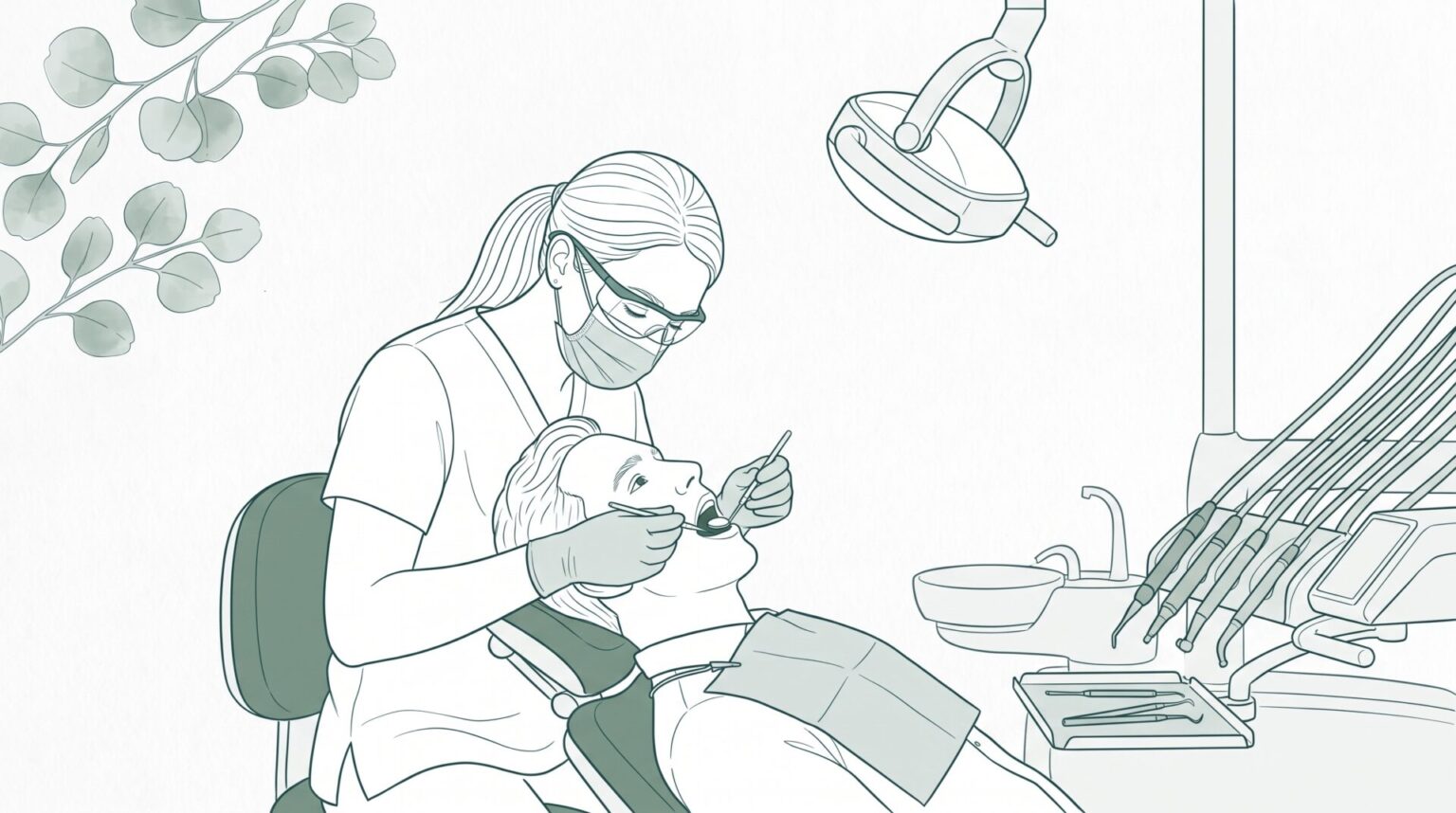
A dentist is trained to diagnose and treat the structures that most often cause dental pain: teeth, gums, nerves, bone around the tooth and the jaw joint. They can take dental X-rays, test tooth vitality, check for cracks, assess gum health and provide treatment that addresses the cause rather than only the symptoms.
A GP can be helpful when dental pain comes with broader health concerns, such as fever, facial swelling, difficulty swallowing or symptoms that may not be dental in origin. However, a GP usually cannot repair a cavity, drain a dental abscess through the tooth, remove a damaged tooth or start root canal treatment.
That distinction matters. Pain relief or antibiotics may temporarily reduce symptoms in some cases, but they do not remove decay, repair a fracture or clean infection from inside a tooth. If the source remains, the pain often returns.
Searching for a dental doctor near me? Start with these questions
If you are unsure where to go, use your symptoms to triage the situation. A dental doctor near me search is often really a search for the fastest appropriate care, and these questions can help you decide whether to call a dentist, GP or hospital.
| Your situation | Best first step | Why it matters |
|---|---|---|
| Toothache, sensitivity, cracked tooth or lost filling | Dentist | These problems usually need dental examination and treatment |
| Gum swelling, bad taste, pus or pain when biting | Dentist urgently | These may suggest infection or an abscess |
| Facial swelling, fever or feeling generally unwell | Dentist urgently, GP or urgent medical care depending on severity | Infection may be spreading beyond the tooth |
| Trouble breathing, swallowing or opening the mouth | Call 000 or attend an Emergency Department | These can be signs of a serious medical emergency |
| Knocked-out adult tooth | Emergency dentist immediately | Timing can affect whether the tooth can be replanted |
| Jaw injury, heavy bleeding or facial trauma | Emergency Department or emergency dentist depending on severity | Trauma may involve bones, soft tissue and teeth |
For more detail on urgency, East Melbourne Dental Group has a separate guide on whether a toothache is a dental emergency, which is useful if you are deciding whether to call now or book the next available appointment.
When a doctor or hospital is the safer first stop
Some dental problems are also medical problems. If swelling is spreading into the face, neck or under the jaw, or you are having difficulty breathing or swallowing, do not wait for a routine dental appointment. Call 000 or go to an Emergency Department.
Healthdirect advises seeking urgent care for toothache with symptoms such as swelling around the eye or neck, difficulty breathing or swallowing, or severe pain that is not controlled. You can also check Healthdirect’s toothache guidance for general Australian health information.
If your dental doctor near me search happens late at night and you have fever, rapidly increasing swelling or feel seriously unwell, medical care may be needed first to assess your overall condition. A dentist may still be required after you are stable because the underlying dental source often needs treatment.
A GP may also be appropriate if the pain may not be coming from a tooth. Sinus infections, shingles, ear infections, jaw muscle pain and some nerve conditions can mimic toothache. Dentists and doctors sometimes work together when the source is unclear.
Signs the pain is likely dental
Dental pain often has patterns. Pain that worsens when biting can point to a cracked tooth, inflamed ligament, high filling or infection around the root. Sensitivity to cold may relate to exposed dentine, decay, a leaking filling or gum recession. Lingering pain after hot or cold drinks can suggest nerve inflammation inside the tooth.
A gum boil, bad taste, pus or localised swelling near a tooth can suggest an abscess. Healthdirect’s information on dental abscesses notes that an abscess is a collection of pus caused by infection and needs professional care.
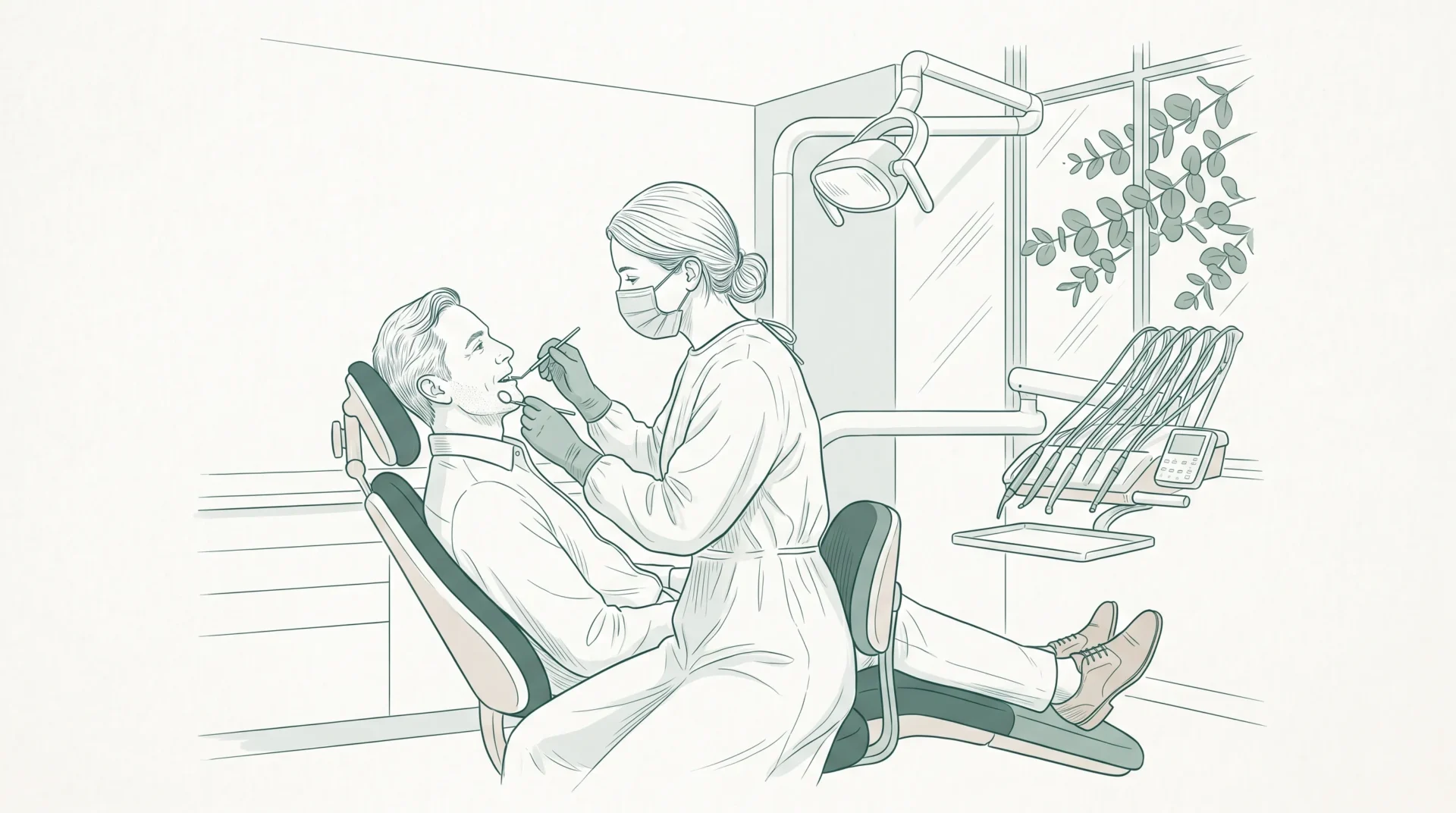
When people search dental doctor near me because pain keeps returning in the same spot, a dental appointment is usually the most direct path to a diagnosis. A dentist can test individual teeth and look for issues that are not visible in the mirror, including decay between teeth, cracks below the gumline or bone changes around a root.
What a dentist may check during a pain appointment
A dental pain visit is not only about looking at the sore tooth. The dentist may ask when the pain started, what triggers it, whether it wakes you at night and whether pain relief helps. They may also ask about recent dental work, clenching, trauma, medical conditions, medications and allergies.
The examination may include checking the gums, tapping or gently pressing on teeth, testing sensitivity to cold, assessing your bite and taking X-rays if clinically needed. These steps help separate common causes that can feel similar but need different treatment.
Possible causes include:
- Tooth decay reaching the nerve
- A cracked tooth or cracked filling
- Gum infection or periodontal disease
- Dental abscess
- Wisdom tooth inflammation
- Tooth grinding or clenching
- Post-treatment sensitivity
- Sinus-related pain that feels like upper toothache
A dental doctor near me result should lead to someone who can assess these possibilities rather than guess from symptoms alone. If you want a broader overview of what general dentists can do, East Melbourne Dental Group explains common services in its guide to what general dentists do and when to book.
What to do while you wait for care
If you have dental pain but no emergency warning signs, there are steps that may reduce irritation while you arrange professional advice. Keep the area clean with gentle brushing and flossing if you can do so comfortably. A warm salt water rinse may soothe irritated gums. Avoid very hot, cold or sugary foods if they trigger pain.
For pain relief, speak with a pharmacist, GP or dentist about what is safe for you, especially if you are pregnant, take blood thinners, have stomach ulcers, kidney disease, asthma triggered by anti-inflammatory medicines or other medical conditions. Always follow the directions on the packet and do not exceed the recommended dose.
Do not place aspirin directly on the gum or tooth. It can burn soft tissue and will not treat the cause. Do not try to drain swelling yourself, cut the gum or use leftover antibiotics. These steps can delay proper care and may make infection harder to manage.
If an adult tooth is knocked out, handle it by the crown rather than the root. If it is dirty, briefly rinse it with milk or saline if available, then seek emergency dental care immediately. Do not scrub the root.
Cost, anxiety and access can affect when people seek help
Many people delay dental care because they are worried about cost, fear, time off work or being told they need major treatment. Delay can make some problems more difficult to treat, especially infections, cracks and deep decay.
If dental doctor near me really means “I need someone who will explain my options clearly,” look for a practice that discusses the likely cause, treatment choices, risks, timeframes and costs before proceeding where possible. East Melbourne Dental Group provides general and cosmetic dentistry, emergency dental care and payment plans, which may help patients plan treatment in a more manageable way.
Dental anxiety is also common. If fear is part of the reason you are hesitating, tell the clinic when you book. Simple steps such as asking for a clear explanation, agreeing on a stop signal and starting with an assessment rather than treatment can make the visit feel more manageable. The practice’s guide to gentle dental care for anxious patients has practical ways to prepare.
So, dentist or doctor?
For most toothaches, gum pain, sensitivity, cracked teeth, lost fillings and dental abscess symptoms, call a dentist first. Dentists are equipped to identify and treat the dental source of pain.
Choose a GP, urgent care service or hospital first if you have significant facial swelling, fever, difficulty breathing or swallowing, severe trauma, uncontrolled bleeding or symptoms that make you feel seriously unwell. If you are unsure and symptoms are escalating, err on the side of urgent medical advice.
The phrase dental doctor near me may not be the technical term Australians use every day, but the intent is clear: you need the right clinician at the right time. In most cases, that will be a dentist. In a true medical emergency, it is hospital care first, with dental follow-up once it is safe.
Frequently Asked Questions
Should I see a dentist or GP for toothache? For toothache without major medical warning signs, a dentist is usually the best first contact because they can diagnose and treat dental causes such as decay, cracks, nerve inflammation, gum infection or abscess. See a GP or seek urgent medical care if you have fever, spreading swelling or feel generally unwell.
Can a doctor prescribe antibiotics for dental pain? A doctor may prescribe antibiotics if there are signs of bacterial infection, but antibiotics do not fix the dental cause. Many dental infections still need treatment such as drainage, root canal treatment or extraction, depending on the diagnosis.
When is dental pain an emergency? Dental pain may be an emergency if it is severe, associated with swelling, pus, fever, trauma, bleeding, a knocked-out adult tooth or difficulty breathing or swallowing. Breathing or swallowing difficulty requires emergency medical care.
What if I cannot tell which tooth hurts? Referred pain is common. One tooth, the jaw joint, sinus area or gum tissue can make nearby teeth feel sore. A dentist can test individual teeth and use X-rays when needed to narrow down the source.
Is searching dental doctor near me the same as searching for a dentist? In most cases, yes. People often use the phrase when they need help for tooth pain, but the clinician you are looking for is usually a dentist or dental practitioner. If symptoms suggest a medical emergency, call 000 or attend an Emergency Department.
Need help with dental pain in East Melbourne?
If you have toothache, swelling, a cracked tooth, a lost filling or another urgent dental concern, contact East Melbourne Dental Group for advice on the next appropriate appointment. If you have trouble breathing or swallowing, severe facial swelling or serious trauma, call 000 or seek emergency medical care immediately.
Disclaimer
The information provided on this website is for general informational and educational purposes only. It is not intended to replace professional dental advice, diagnosis or treatment. Dental needs and treatment outcomes vary between individuals. Always seek advice from a qualified dental practitioner regarding your specific circumstances before making decisions about your oral health or treatment. A consultation and clinical assessment are required to determine which treatment options may be suitable for you. All dental procedures carry potential risks and benefits, which will be discussed with you before treatment.