
28 September 2026 | General Dentistry, Melbourne Dentist, Preventative Dentistry

When people search for dental local care, they are usually looking for more than a clinic close to home or work. They want treatment that is easy to return to, simple to coordinate and familiar enough that follow-up does not feel like starting from scratch every time. That matters because many dental problems are not solved in one appointment. A filling may need a bite adjustment, a crown may need a review, aligners need monitoring and a sore tooth may need reassessment if symptoms change.
Follow-up is where good dentistry becomes practical. It is the part of care that checks healing, confirms comfort, monitors risk and keeps treatment plans moving. A local dental team can make that process easier because time, records, communication and clinical familiarity all work in the patient’s favour.
How dental local care makes follow-up simpler
Follow-up works best when it is easy to attend at the right time. If your clinic is close to your home, workplace, school route or regular public transport, the appointment is less likely to become a major disruption. That can make a real difference after treatment, when a short review may be all that is needed but still needs to happen promptly.
Local care also reduces the tendency to delay small concerns. A slight high spot after a filling, gum tenderness around a new crown or uncertainty after whitening may not feel serious enough to justify travelling across the city. If the clinic is nearby, it is easier to book a review before the issue becomes more uncomfortable.
The benefit is not only geography. A nearby practice often becomes part of your routine. You learn how the team communicates, how appointments are paced and who to contact if you have questions. That familiarity can make follow-up feel less like an obligation and more like a normal part of maintaining your oral health.
Follow-up is part of treatment, not an afterthought
Many dental treatments rely on a planned sequence. Even simple preventive care may involve reviewing bleeding gums, checking home-care changes or monitoring areas that are not yet ready for treatment. More involved procedures may require impressions or scans, try-ins, healing checks, fit reviews and maintenance appointments.
Good dental local care means the practice does not treat each visit as a separate event. Your dentist can compare what they see today with previous records, photographs, radiographs and notes. If something has changed, they have context. If something has stayed stable, they can explain why monitoring may be appropriate.
This continuity is especially useful when symptoms are unclear. Dental pain can come and go, and early cracks, gum issues or bite-related discomfort are not always obvious in a single appointment. A team that has seen your mouth over time is better placed to notice patterns and decide whether a review, restoration, referral or further investigation is appropriate.
Continuity saves time and improves communication
Seeing the same practice for ongoing care can save patients from repeating their dental history at every visit. Your allergies, previous treatment, radiographs, preferences, anxiety triggers and payment discussions are more likely to be documented in one place. That can make follow-up more efficient and less stressful.
Continuity also helps with consent and decision-making. If a dentist has already explained the options and you have had time to think, the next visit can focus on clarifying details rather than rebuilding the entire conversation. For patients comparing treatment pathways, this matters.
East Melbourne Dental Group has written more about why ongoing care matters with a dental care dentist if you want to understand how prevention, monitoring and the dentist-patient relationship work together over time.
| Follow-up situation | What may need reviewing | Why a nearby clinic helps |
|---|---|---|
| New filling or crown | Bite comfort, sensitivity, margins and fit | A short adjustment is easier to schedule promptly |
| Invisalign or clear aligner care | Tracking, attachments, refinements and oral hygiene | Regular reviews fit more easily around daily routines |
| Dental implant treatment | Healing, gum health and restoration stages | Planned visits are easier to attend at the right intervals |
| Teeth whitening or veneers | Sensitivity, shade planning and maintenance advice | Questions can be answered before small issues escalate |
| Children’s dentistry | Growth, brushing habits, fissure sealants and confidence | Familiarity can make repeat visits calmer for children |
| Emergency dental care | Pain changes, temporary repairs and next steps | Follow-up can happen sooner if symptoms return |
In practical terms, dental local support can turn follow-up from a separate project into something that fits your week. That is useful for busy professionals, parents, students and older patients who may already be juggling medical appointments or transport limits.
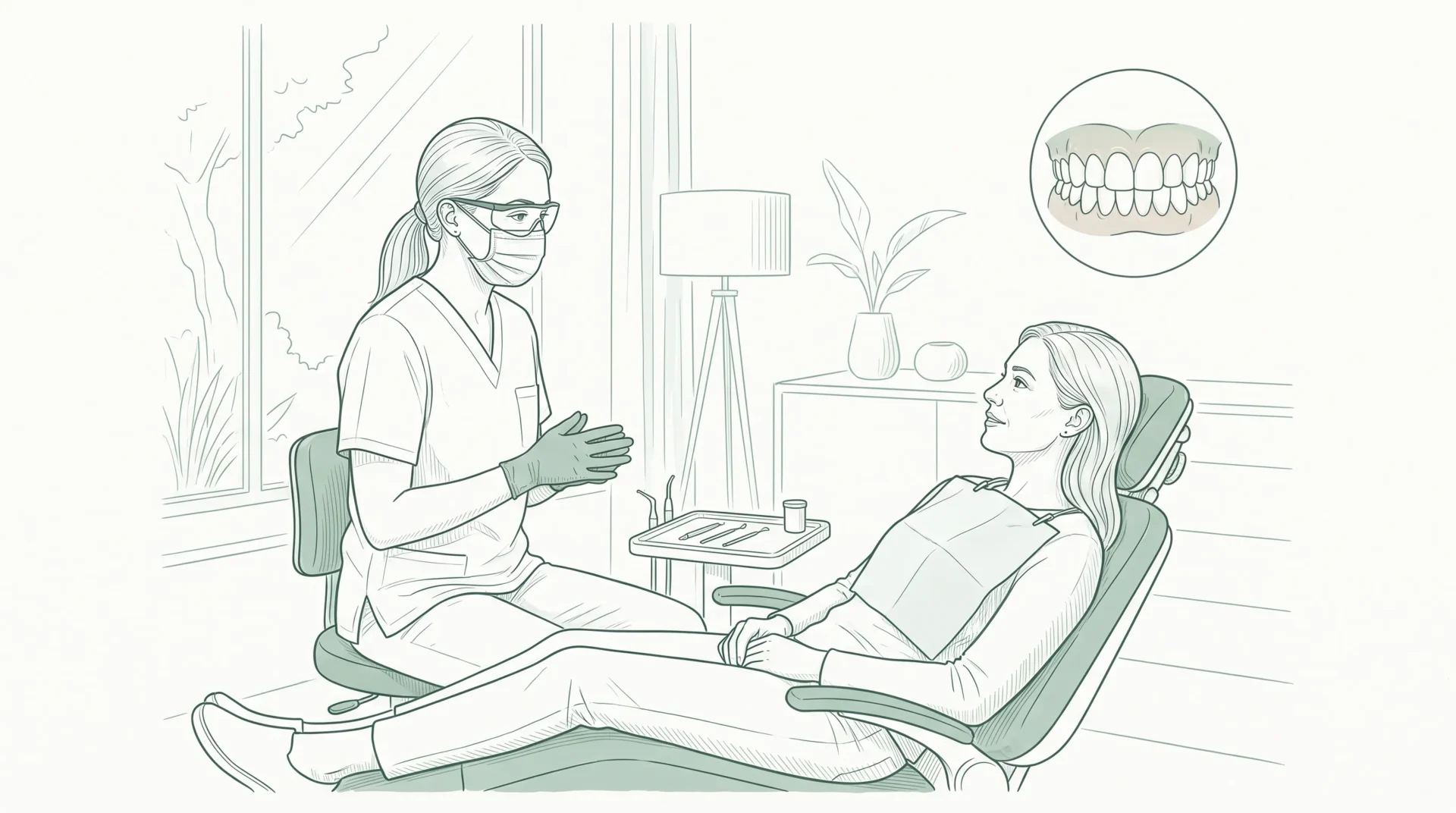
Staged dental treatment is easier when reviews are convenient
Cosmetic and restorative care often involves several appointments. Invisalign consultations and reviews, veneers, crowns, whitening plans and dental implants can all involve assessment, planning, treatment stages and maintenance. The exact pathway depends on the patient, but very few worthwhile plans are simply a one-visit transaction.
Local access matters because each stage builds on the one before it. If an aligner is not tracking as expected, the dentist may need to assess the fit. If a temporary crown feels uncomfortable, a review can help protect the prepared tooth and improve comfort. If implant treatment is underway, healing and restoration timing need to be assessed clinically.
Convenient review appointments also make it easier to ask questions while details are still fresh. Patients can clarify home-care instructions, discuss sensitivity, check whether symptoms are expected or raise concerns about appearance before finalising cosmetic work. This does not guarantee a particular outcome, but it supports safer, more informed care.
Local follow-up can reduce emergency stress
Emergency dental care is often the moment people realise how valuable local access can be. Toothache, swelling, a broken tooth or trauma can be unsettling, and the first appointment may focus on relieving pain, assessing urgency or placing a temporary solution. Follow-up is often needed to complete care or monitor healing.
If your emergency appointment is with a practice you can realistically return to, the next step is clearer. Your records, radiographs and clinical notes are already there, and the team can explain whether you need a review, definitive restoration, root canal treatment, extraction discussion or referral.
This is where dental local planning is different from choosing the first available appointment anywhere. Immediate access matters, but so does what happens after the urgent phase. A convenient follow-up pathway can help you avoid drifting between clinics with incomplete information.
For anxious patients, local follow-up can also feel less intimidating because the setting becomes familiar. If nerves make dental visits difficult, East Melbourne Dental Group’s guide to gentle dental care tips for anxious patients may help you prepare for appointments and explain what support you need.
What to check when choosing a nearby dental clinic
Location is only one part of the decision. When comparing dental local options, look for a practice that can handle routine care, prevention, cosmetic discussions and urgent concerns without making every next step feel fragmented. A nearby clinic is most useful when it also offers the type of care you are likely to need.
Start with registration and transparency. In Australia, you can check a practitioner’s registration through the Ahpra public register. You can also ask how the clinic approaches treatment planning, fees, follow-up reviews, referrals and after-hours instructions.
It can help to ask practical questions before booking:
- Does the clinic offer the services you need now and may need later?
- How are follow-up appointments scheduled after fillings, crowns, implants or aligner treatment?
- Will you receive clear instructions about what is normal and what requires a call?
- Are costs, payment plans and review fees explained before treatment begins?
- Can children, adults and anxious patients be supported in the same practice?
If you are still deciding what matters most, this guide on how to choose a nearby dental clinic that meets your needs covers useful factors beyond distance, including communication, costs and practitioner registration.
The family benefit of easier follow-up
Local follow-up is not only useful for the person receiving treatment. It can make life easier for the whole household. Parents may need children’s dental reviews during school terms, adults may need appointments around work and older relatives may need help getting to and from care.
When one practice understands the family’s routines, health history and preferences, appointments can often be planned more sensibly. A child who is nervous can become familiar with the same environment. A parent considering whitening or veneers can discuss timing around other dental needs. Someone managing a dental implant, crown or gum condition can keep maintenance in the same record system.
For families in and around East Melbourne, this convenience can support more consistent preventive care. It can also make it easier to act early when a concern appears, rather than waiting until pain or breakage forces an urgent decision.
Frequently Asked Questions
Is dental local care only about convenience? No. Convenience matters, but local care can also improve continuity, record-keeping, communication and the likelihood that you attend reviews at the right time.
Do all dental treatments need a follow-up appointment? Not always, but many do. Your dentist should explain whether a review is needed, what symptoms to watch for and when to call if something changes.
Can I go to a different clinic for follow-up? You can, but it may be less efficient if the new clinic does not have your previous records, radiographs or treatment notes. If you change clinics, ask for relevant records to be transferred.
Why is follow-up important after cosmetic dentistry? Cosmetic treatments such as whitening, veneers, crowns and aligners may need review for comfort, fit, shade planning, maintenance and gum health. Follow-up helps ensure the treatment is being assessed in the context of your overall oral health.
Make follow-up easier with a local East Melbourne dentist
If East Melbourne is convenient for you, choosing one trusted practice for general, cosmetic, emergency and family dentistry can make ongoing care simpler. East Melbourne Dental Group offers services including Invisalign consultations, teeth whitening, veneers, crowns, dental implants, children’s dentistry and sleep dentistry, with payment plans available.
To discuss your next step or plan follow-up care that fits your routine, visit East Melbourne Dental Group and book an appointment with the team.
Disclaimer
The information provided on this website is for general informational and educational purposes only. It is not intended to replace professional dental advice, diagnosis or treatment. Dental needs and treatment outcomes vary between individuals. Always seek advice from a qualified dental practitioner regarding your specific circumstances before making decisions about your oral health or treatment. A consultation and clinical assessment are required to determine which treatment options may be suitable for you. All dental procedures carry potential risks and benefits, which will be discussed with you before treatment.