
28 September 2026 | Dental Fees & Financing, General Dentistry, Melbourne Dentist

If you have been searching for dental implants melbourne, you are probably trying to understand more than whether an implant can replace a missing tooth. You may be weighing timing, cost, comfort, long-term maintenance and how to choose a dentist you feel confident with. A good implant plan should start with your health, your bite and your goals, not with a generic treatment package.
Dental implants can be a predictable option for many adults, but they are still a surgical and restorative dental treatment. The right approach depends on your gums, bone levels, medical history and the type of tooth replacement needed. This guide explains what usually happens before, during and after treatment so you can attend a consultation with clearer questions.
What dental implants melbourne treatment usually involves
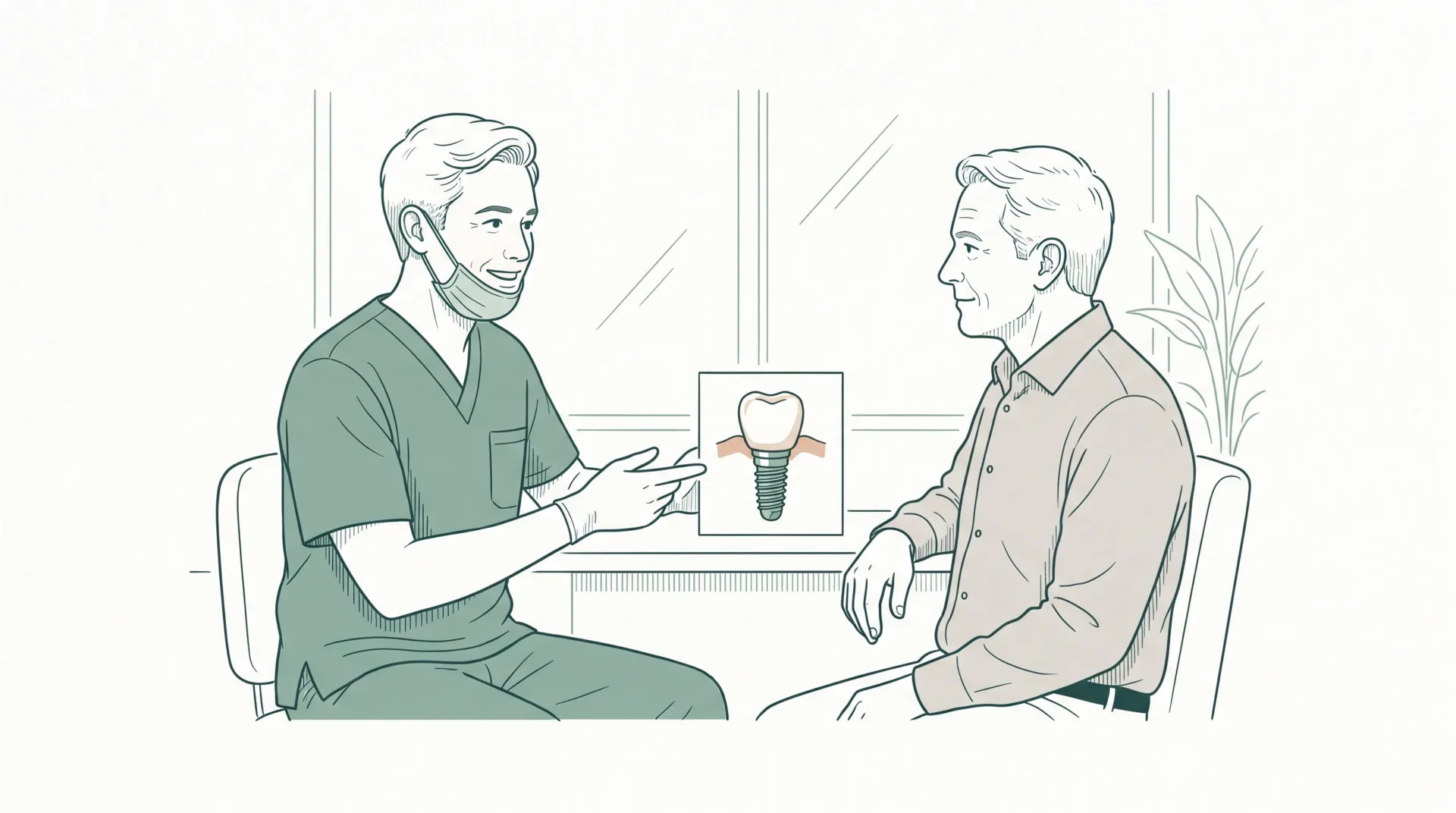
A dental implant is a small fixture, commonly made from titanium, placed into the jaw to support a replacement tooth. Once the implant integrates with the surrounding bone, a connector called an abutment and a custom crown, bridge or denture can be attached. The visible part is designed to resemble a natural tooth, but the implant itself sits beneath the gum.
Implant treatment is not a single appointment in most cases. It usually combines diagnosis, surgical planning, implant placement, healing, restoration and ongoing reviews. Some patients may also need preliminary care such as gum treatment, tooth removal or bone grafting before the implant is placed.
The goal is not just to fill a gap. A well-planned implant needs to function comfortably within your bite, be easy to clean and sit in healthy gum tissue. This is why a careful assessment matters before any treatment date is booked.
Who may be suitable for dental implant treatment?
When comparing dental implants melbourne providers, suitability should be the first topic of conversation. Most adults with one or more missing teeth can be assessed, but not everyone is ready for implant placement straight away. Gum disease, untreated decay, heavy smoking, some medications and certain medical conditions can affect healing or change the treatment plan.
Your dentist will usually ask about your health history, current medications, previous dental treatment and what you want the replacement tooth to achieve. They may also take X-rays or 3D imaging to assess bone height, bone width, nearby nerves and sinus position. This information helps your dentist determine whether an implant is appropriate and whether additional procedures may be required.
| Assessment factor | Why it matters |
|---|---|
| Gum health | Inflamed or infected gums can increase the risk of implant complications. |
| Bone volume | The implant needs enough stable bone for support and correct positioning. |
| Bite forces | Grinding or a heavy bite may influence implant design and crown material. |
| Medical history | Conditions such as poorly controlled diabetes can affect healing. |
| Oral hygiene | Daily cleaning and professional maintenance help protect the implant area. |
The Melbourne dental implant treatment journey
A clear plan matters for dental implants melbourne treatment because each stage affects the next. Even if the final crown is the part you notice most, the long-term outcome depends on accurate planning and a healthy foundation.
Consultation and diagnosis
The first visit is usually focused on understanding the missing tooth, the surrounding teeth and your broader oral health. Your dentist may examine your bite, take photographs, review gum health and arrange imaging. If you are nervous about dental procedures, this is also the time to discuss comfort options. Some practices, including East Melbourne Dental Group, can discuss sleep dentistry options where clinically appropriate.
You should leave the consultation with a clear explanation of your options. In some cases, a bridge or denture may be discussed as an alternative. In others, treatment might begin with stabilising gum health or removing a failing tooth before implant planning continues.
Placement, healing and restoration
Implant placement is performed under local anaesthetic, with sedation options sometimes considered depending on the case and the patient. After placement, the implant usually needs time to integrate with the bone before the final crown or bridge is attached. Your dentist will advise a timeline based on your clinical situation.
| Stage | What usually happens |
|---|---|
| Assessment | Examination, imaging, health review and discussion of treatment options. |
| Preparation | Gum treatment, extraction or grafting if needed. |
| Implant placement | The implant fixture is placed into the planned position. |
| Healing phase | The implant integrates with the bone while the gum tissues settle. |
| Restoration | A custom crown, bridge or denture is fitted to the implant. |
| Maintenance | Regular reviews and cleaning support long-term health. |
Costs, payment plans and quotes
For dental implants melbourne patients, cost can vary because treatment is highly individual. A single implant crown is different from replacing several teeth, and a straightforward case is different from one needing grafting, sedation or complex bite management. Laboratory work, imaging, materials, surgical time and review appointments may all affect the final quote.
A responsible quote should explain what is included, what is not included and what may change if the treatment plan changes. If you are comparing estimates, make sure you are comparing the same scope of care. One quote may include the crown, abutment, imaging and reviews, while another may list these separately.
If you want a broader explanation of fees across different types of care, this guide to dentist costs in Melbourne explains why prices can differ between treatments and practices. East Melbourne Dental Group also offers payment plans, which can be discussed before treatment begins.
| Cost driver | Questions to ask |
|---|---|
| Imaging | Is 3D imaging required for my case? |
| Preliminary care | Do I need gum treatment, extraction or grafting first? |
| Restoration type | Am I receiving a crown, bridge or implant-supported denture? |
| Materials | What crown material is recommended and why? |
| Follow-up care | Are reviews included in the treatment plan? |
How to choose an implant dentist in Melbourne
Choosing an implant provider is not just about location or price. You want a dentist who takes time to assess your mouth properly, explains the risks and alternatives, provides a written plan and answers your questions without pressure. You can also confirm a dental practitioner's registration through the Ahpra register.
The practice should be able to explain who is involved in your care, where any laboratory work is completed and how complications or urgent concerns are managed. You may also want to ask whether the practice provides related services such as emergency dental care, crowns or cosmetic planning, particularly if the implant sits in a visible part of your smile.
For a deeper checklist, East Melbourne Dental Group has a separate guide on how to choose a dental implant clinic with confidence. Use it alongside your consultation notes so you can compare clinics on clinical planning rather than marketing claims.
Recovery and aftercare after implant placement
Good aftercare is one reason dental implants melbourne treatment should be planned with follow-up in mind. Mild swelling, tenderness or bruising can occur after implant placement, and your dentist will give you instructions on eating, cleaning and medication. You should follow the written aftercare advice provided by your treating clinician, as recommendations can differ depending on the procedure.
In the early healing phase, many patients are advised to avoid smoking, avoid disturbing the surgical area and keep the mouth clean. If you notice increasing pain, persistent bleeding, swelling that worsens or anything that feels unusual, contact your dental practice promptly.
Long-term care is just as important as surgical recovery. Implants cannot decay like natural teeth, but the surrounding gum and bone can still develop inflammation. Regular dental reviews, professional cleaning and careful home care help reduce the risk of peri-implant disease.
Risks, limitations and realistic expectations
Dental implant treatment can be successful for many patients, but no dentist can promise a permanent result or a specific cosmetic outcome. Possible complications include infection, implant failure, gum recession, screw loosening, crown chipping and inflammation around the implant. In the upper jaw, sinus anatomy may also influence planning. In the lower jaw, nearby nerves must be carefully considered.
Risk is not the same for every patient. Smoking, uncontrolled gum disease, some medical conditions, poor oral hygiene and heavy grinding can all affect outcomes. Your dentist should discuss these factors with you before treatment, including what can be improved before implant placement.
It is also worth understanding that the implant fixture, abutment and crown do different jobs. Even when an implant fixture remains stable, the crown on top may eventually need repair or replacement due to normal wear. The Australian Dental Association's oral health resource is also useful for general information about caring for your teeth and gums.
Dental implants compared with bridges and dentures
If you are weighing dental implants melbourne against other tooth replacement options, the right choice depends on your mouth, budget and preferences. Implants are often chosen because they do not rely on neighbouring teeth for support, but they require surgery, healing time and maintenance. Bridges and dentures can be suitable in many situations too.
| Option | Potential advantages | Points to consider |
|---|---|---|
| Dental implant | Replaces the tooth root area and can support a crown without cutting down adjacent teeth. | Requires suitable bone, surgery, healing time and ongoing maintenance. |
| Dental bridge | Fixed in place and may be completed faster than an implant in some cases. | Often involves preparing neighbouring teeth for crowns. |
| Denture | Usually less invasive and can replace several teeth. | Removable design may affect comfort, chewing and confidence for some patients. |
A consultation should compare these options in relation to your actual teeth, not as a generic ranking. The best option for a front tooth may not be the best option for a back molar or for several missing teeth.
Frequently Asked Questions
How long does dental implants melbourne treatment take? Timing varies by case. Some straightforward treatments may progress over a few months, while cases involving grafting, gum treatment or complex restoration can take longer. Your dentist should provide a personalised timeline after assessment.
Is dental implant placement painful? Implant placement is usually performed with local anaesthetic, and comfort options can be discussed before treatment. Some soreness or swelling can occur after the procedure, but your dentist will provide aftercare instructions and advice on what to do if symptoms are not settling.
Can I get an implant straight after a tooth is removed? Sometimes an implant can be placed soon after extraction, but this depends on infection, bone condition, gum shape and bite forces. In other cases, healing or grafting may be recommended before implant placement.
How do I care for a dental implant at home? Brush carefully, clean between the teeth as instructed and attend regular dental reviews. Your dentist or hygienist may recommend specific brushes, floss or interdental aids depending on the shape of your restoration.
Are payment plans available for implant treatment? Some dental practices offer payment plans to help patients manage treatment costs. East Melbourne Dental Group offers payment plans, and the details can be discussed during your consultation.
Ready to discuss your options?
If you are considering dental implant treatment, start with a proper assessment and a clear explanation of your options. East Melbourne Dental Group provides general and cosmetic dentistry in East Melbourne, including dental implants, crowns, veneers, teeth whitening and Invisalign consultations.
You can contact East Melbourne Dental Group to book a consultation, ask about payment plans or discuss whether a free cosmetic consultation is suitable for your goals.
Disclaimer
The information provided on this website is for general informational and educational purposes only. It is not intended to replace professional dental advice, diagnosis or treatment. Dental needs and treatment outcomes vary between individuals. Always seek advice from a qualified dental practitioner regarding your specific circumstances before making decisions about your oral health or treatment. A consultation and clinical assessment are required to determine which treatment options may be suitable for you. All dental procedures carry potential risks and benefits, which will be discussed with you before treatment.