
7 October 2026 | General Dentistry, Oral Health, Preventative Dentistry
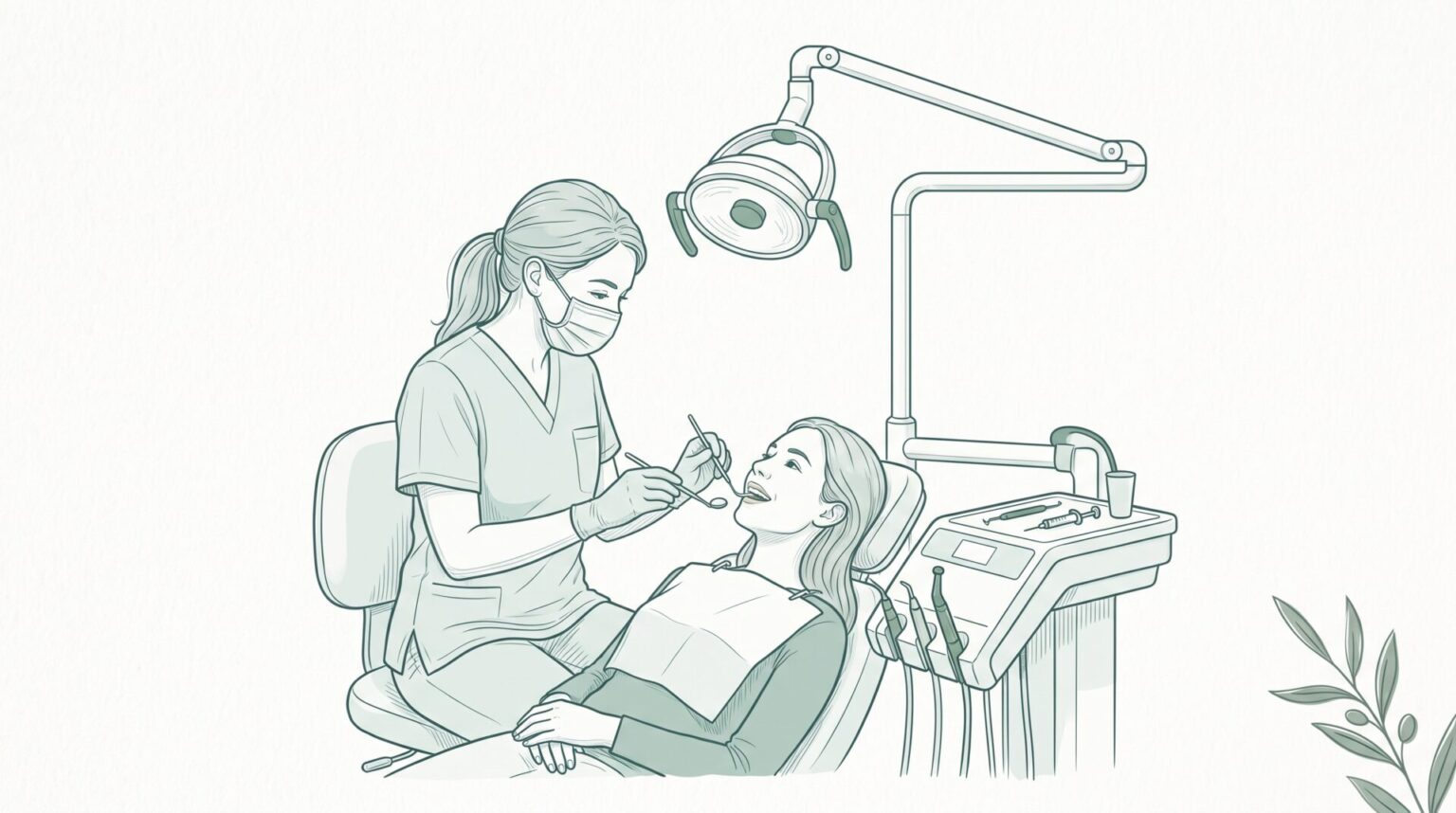
A useful dental visit starts with a simple question: “What do I need my local dentist to help me understand today?” Perhaps you have a sensitive tooth, want to improve your brushing technique or need to make sense of a treatment recommendation. Naming that priority helps you and your dentist focus the conversation.
Getting more from an appointment does not mean having more treatment. It means leaving with a clearer understanding of your oral health, the choices available and what to do next. A little preparation can make that easier, whether you attend regularly or are returning after a long gap.
Bring details that help your dentist assess the problem
When booking, explain your main concern rather than simply requesting a check-up. Pain, a broken tooth and a routine examination may need different appointment arrangements. Mention any time constraints too, so the team can explain what may be possible during the visit.
Before you arrive, gather the information that could affect your care:
- Symptoms: Note where the problem occurs, when it started and whether chewing, heat or cold triggers it.
- Medical changes: Bring an updated medication and supplement list, allergies and details of relevant health conditions.
- Previous care: Tell the practice about recent dental treatment and ask whether existing records or X-rays can be transferred.
- Your priorities: Identify the one or two concerns you most want addressed, including comfort or cost.
A brief note headed “Questions for my local dentist” can keep these details together without turning the appointment into a long script. Describing a pattern, such as pain that wakes you at night, is more helpful than trying to diagnose the cause yourself.
Do not stop prescribed medicines before dental care unless your treating clinician specifically advises it. If you have facial swelling, fever or rapidly worsening pain, seek prompt assessment rather than waiting for a routine visit. Difficulty breathing or swallowing requires emergency medical care; call 000.
Ask what the findings mean for you
An examination is more useful when you understand the findings. If your dentist mentions decay, gum inflammation, tooth wear or a damaged filling, ask which area is involved and what supports that assessment. Where appropriate, they may be able to show you using a mirror, photograph or X-ray.
You do not need to learn every technical term. Focus on the decisions the finding creates.
| What you want to understand | A useful question to ask |
|---|---|
| The problem | “Can you show me the area and explain what you found?” |
| Its significance | “How does this affect my tooth, gums or bite?” |
| Timing | “Does this need treatment soon, or can it be monitored?” |
| Prevention | “What can I change at home to help?” |
| Review | “What would you check at the next appointment?” |
Your aim can be simple: “I want my local dentist to explain what needs attention, what can be monitored and why.” That distinction helps you separate immediate concerns from longer-term maintenance or optional cosmetic goals.
If an investigation is recommended, ask what question it is intended to answer and how the result could affect your care. X-rays are not automatically necessary at every visit; your dentist should assess the need based on your history, examination and clinical risk.
Discuss options and costs before committing
A treatment recommendation should come with an explanation of its purpose, likely benefits, material risks and reasonable alternatives. Depending on the situation, those alternatives may include monitoring, a different treatment or referral. Ask about the risks of delaying or declining care as well, rather than assuming that waiting is harmless.
For a larger treatment plan, request a written outline that separates urgent needs, disease prevention, restorative work and optional cosmetic treatment. This gives you a clearer basis for discussing priorities. Ask whether treatment can safely be staged, but let the clinical assessment guide the order rather than cost alone.
Rather than asking only, “What does my local dentist charge?”, ask what the estimate includes and which costs could change. For example, clarify whether the quoted amount includes investigations, temporary restorations, review appointments or laboratory work where relevant. These are questions to ask, not items that every procedure requires.
If you have private health insurance, confirm your cover and remaining limits with your insurer. A practice estimate does not guarantee the rebate you will receive. For payment plans, ask about eligibility, fees, interest and repayment terms before agreeing.
You can also request time to consider non-urgent treatment or seek a second opinion. Before proceeding, you should understand what is proposed and have an opportunity to ask questions.
Make comfort part of the conversation
Tell the team about dental anxiety before the appointment, especially if a previous experience has made care difficult. Be specific about what troubles you: needles, sounds, a strong gag reflex, uncertainty or feeling unable to pause.
Ask whether you can agree on a stop signal and have each stage explained before it begins. You may also want to discuss appointment length, breaks and pain management. These conversations are part of making check-ups more comfortable, not something you need to apologise for.
If sedation is being considered, ask about suitability, risks, preparation, transport and recovery requirements. Sedation options are not appropriate for everyone and require individual assessment. Mentioning anxiety early gives the practice an opportunity to discuss suitable arrangements rather than discovering the issue once treatment has started.

How often should I see my local dentist?
Ask for a recall interval that reflects your oral health rather than assuming everyone needs the same schedule. Your dentist may consider previous decay, gum health, dry mouth, medical factors and how well you can maintain daily care.
It helps to ask two separate questions: “When should I return?” and “What are we checking at that visit?” A review after treatment is different from an ongoing preventive appointment.
Also clarify which changes should prompt you to contact the practice sooner. New pain, swelling, a broken restoration or persistent bleeding should not simply be saved for your next scheduled check-up. Your dentist can explain what to watch for in your particular situation.
Leave with a home-care plan you can use
The most useful answer to “What should I do after seeing my local dentist?” is a short, personalised routine you can actually follow. Before leaving, ask your dentist or dental hygienist to demonstrate any technique they recommend, especially cleaning between teeth or around dental work.
The Australian Dental Association’s patient guidance recommends brushing twice daily with fluoride toothpaste and cleaning between teeth daily. Your dental team can help you choose suitable tools and adapt the routine to your needs. For a child, ask for age-appropriate advice about toothpaste and brushing supervision.
Choose one practical change to focus on first. That might be improving how you clean along the gumline, using an appropriately sized interdental brush or reducing frequent sugary snacks. Ask how you will know whether the change is helping, rather than buying several products without a clear purpose.
Before you leave, confirm the next step: home care, monitoring, treatment or review. If you have had a procedure, request aftercare instructions and clarify what symptoms require a call. Knowing who to contact supports practical follow-up care close to home when questions arise after the appointment.
Frequently asked questions
What if I haven’t seen my local dentist for years? Tell the practice when booking and mention any symptoms or anxiety. The first step is an assessment, not an assumption that you need extensive treatment. Ask for an explanation of the findings and a prioritised plan before making decisions.
Can I discuss whitening or Invisalign during a routine visit? You can raise these goals, but a separate consultation may be needed to assess suitability and discuss options properly. Your dentist should consider oral health first, including any decay or gum problems that need attention.
What should I do if I do not understand a recommendation? Ask your dentist to explain it in everyday language, show the relevant area where possible and outline the alternatives. Briefly repeating your understanding back can help confirm that you have understood the purpose, risks and next steps.
Do I need to agree to everything in a treatment plan at once? Ask which parts are time-sensitive and whether the rest can safely be considered later. Some treatment stages depend on others, so clarify the consequences of changing the sequence or delaying care before deciding.
Book with a clear priority
For your next appointment, bring your main concern, an updated medical history and a few questions. Aim to leave knowing what needs attention, what you can do at home and when to return.
East Melbourne Dental Group provides general and cosmetic dentistry, with payment plans available. When booking, let the team know what you would like to discuss, including symptoms, treatment questions or comfort concerns, so they can advise on the appropriate appointment.
Disclaimer
The information provided on this website is for general informational and educational purposes only. It is not intended to replace professional dental advice, diagnosis or treatment. Dental needs and treatment outcomes vary between individuals. Always seek advice from a qualified dental practitioner regarding your specific circumstances before making decisions about your oral health or treatment. A consultation and clinical assessment are required to determine which treatment options may be suitable for you. All dental procedures carry potential risks and benefits, which will be discussed with you before treatment.