
7 October 2026 | Children's Dentistry, Oral Health, Preventative Dentistry
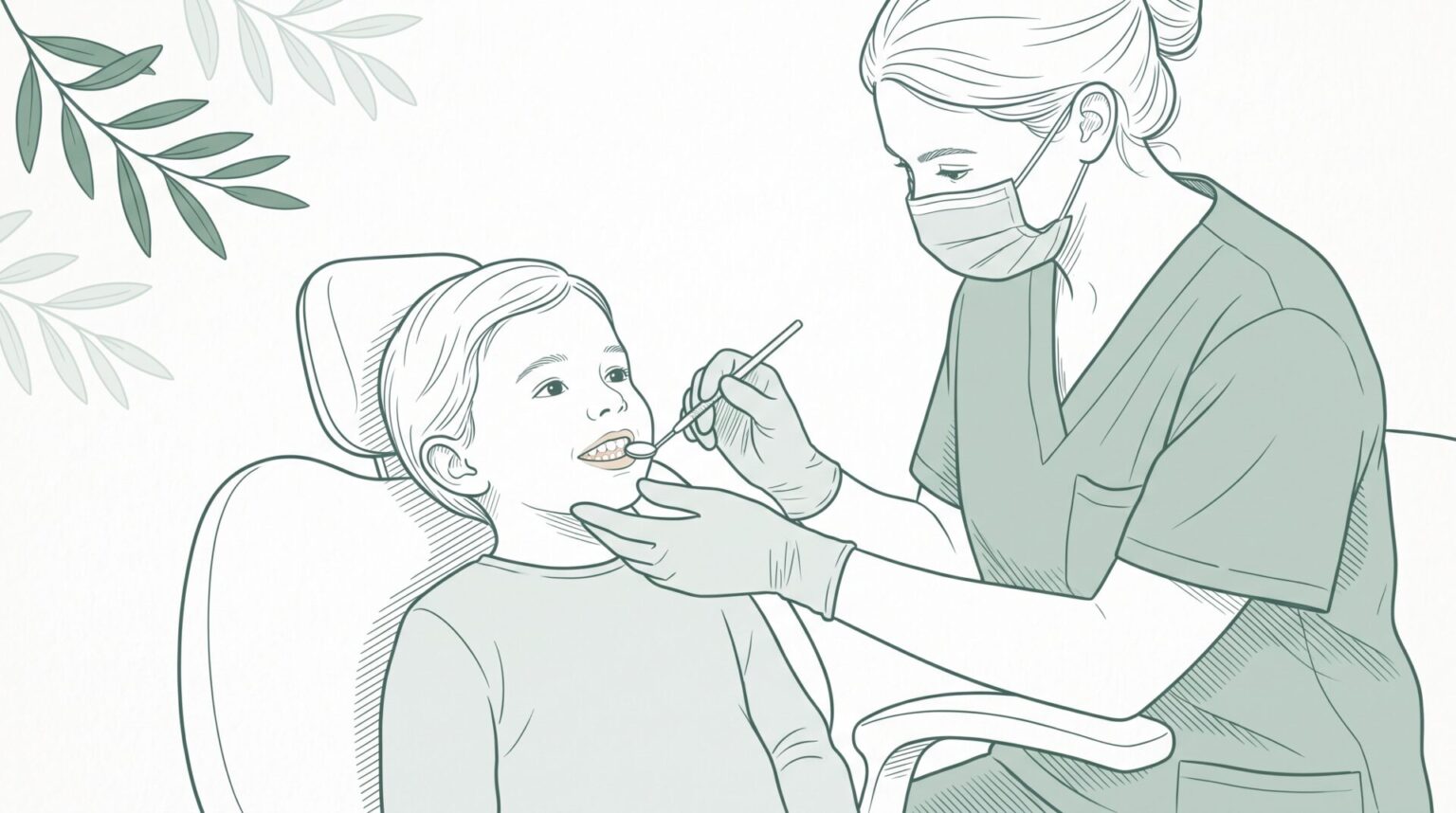
A first visit to the family dentist is usually about getting to know your child, checking their mouth and helping you care for their teeth at home. It does not have to involve a full clean or treatment. For a baby or toddler, even a brief examination can provide useful guidance about brushing, feeding and early signs of decay.
The most helpful preparation is simple: book early, explain the visit calmly and tell the dental team what your child needs to feel comfortable. Here is what parents can expect, from choosing the right time to planning the next check-up.
When should your child have their first dental visit?
The Australian Dental Association’s patient guidance recommends a first dental visit when the first tooth appears or by your child’s first birthday, whichever comes first. You do not need to wait until all their baby teeth have arrived.
Baby teeth help children chew, speak and maintain space for permanent teeth. They can develop decay, so early appointments focus on prevention rather than waiting for a problem to become painful.
Seeing the family dentist early also gives you a chance to ask about teething, thumb sucking, dummy use and brushing a small mouth. If your child is already older and has never been, book now rather than worrying about a missed milestone. Tell the practice their age and that this will be their first appointment.
When to seek care sooner
Do not wait for a routine first visit if your child has tooth pain, a broken tooth, swelling or an injury to their mouth. White, brown or dark marks on teeth also deserve assessment, even if your child seems comfortable.
Facial swelling, particularly with fever, needs urgent dental or medical assessment. Difficulty breathing or swallowing requires emergency medical care; call 000.
If a baby tooth is knocked out, do not put it back into the socket. Contact a dentist promptly for advice. A knocked-out permanent tooth is also a dental emergency and needs immediate attention.
How to prepare for the family dentist
Use a short, honest explanation
For a young child, you might say: “The dentist will look at your teeth with a little mirror and help us learn how to keep them healthy.” Keep the explanation brief and appropriate to their age.
Avoid promising that nothing will hurt or describing your own difficult dental experiences. If your child asks about discomfort, explain that they can tell the dentist when something feels uncomfortable and ask for a pause.
Reading a simple dental picture book or practising opening their mouth while you count their teeth can make the visit more familiar. It does not need to become a daily rehearsal.
Share practical information before the appointment
Choose a time when your child is usually rested, rather than close to a nap or after an exhausting day. A comfort toy may help, and normal meals are generally fine before a routine check-up unless the practice gives different instructions.
Before the appointment, tell the family dentist about your child’s medical conditions, medicines, allergies and previous healthcare experiences. Mention sensory sensitivities, communication needs or anything that makes mouth care difficult.
If you need help recording these details when booking, the practice’s guide to booking a dentist appointment online explains how to include useful appointment notes. Call the practice if your child’s needs require a longer discussion.
What usually happens during the appointment?
A conversation with you and your child
The dentist will usually begin by asking about your child’s health, brushing routine, food and drinks. They may ask about dummy use, thumb sucking, teething or concerns you have noticed.
Older children can answer some questions themselves. Giving them time to speak helps the appointment feel like something they participate in, rather than something happening around them.
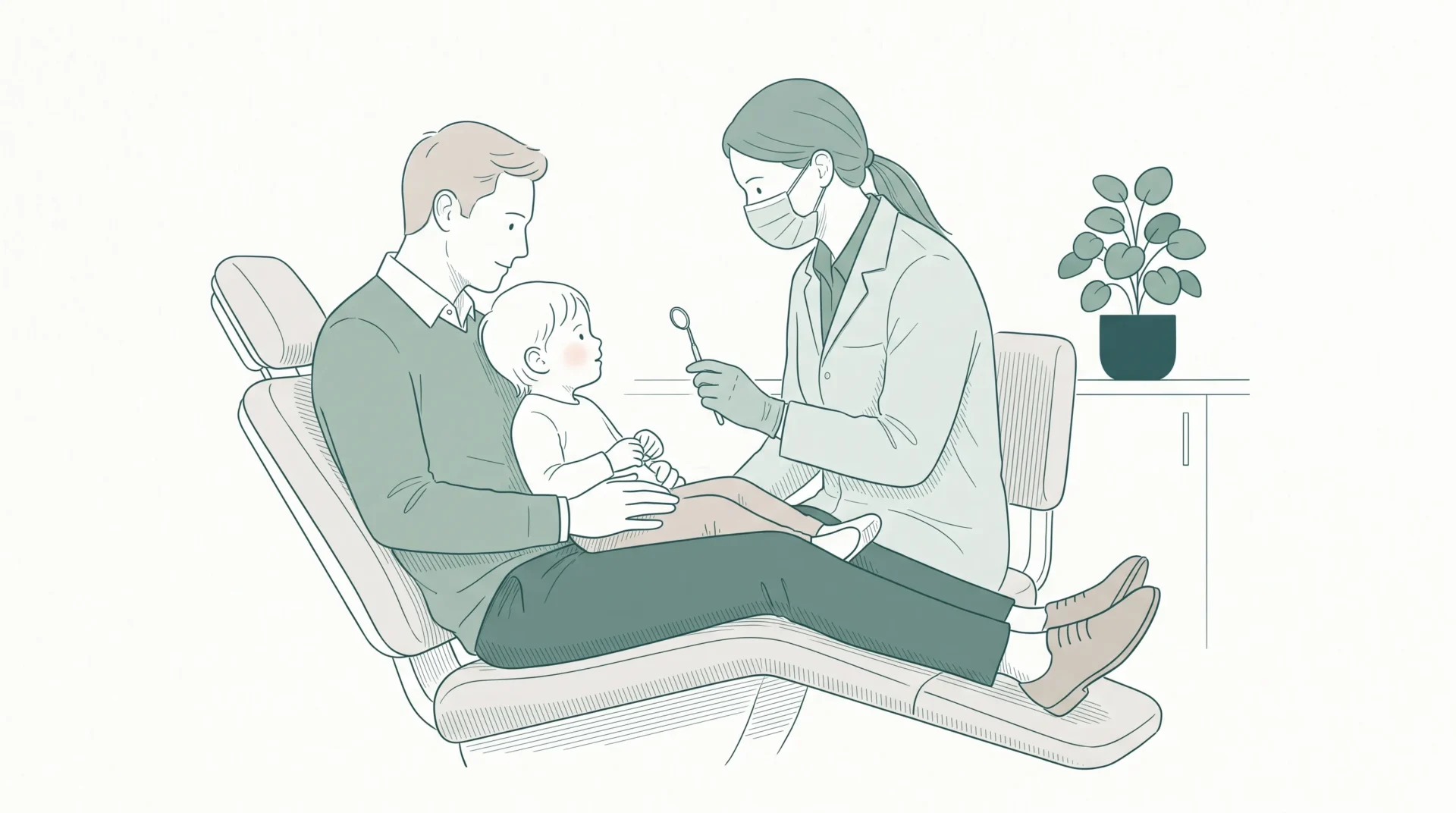
You can also ask how you will be involved during the examination. Young children may feel more secure with a parent nearby or holding them, although positioning depends on their age and the examination needed.
A gentle look at teeth, gums and development
During the examination, the family dentist checks the teeth and gums, looks for signs of decay and considers how the teeth are developing. They may also check the bite and soft tissues inside the mouth.
For a baby or toddler, a knee-to-knee examination may be useful. The parent and dentist sit facing each other, with the child supported across their laps so the dentist can briefly inspect the mouth.
X-rays are not automatic at a first visit. They are recommended when the dentist needs information that cannot be obtained from the examination, taking account of symptoms, findings and decay risk.
A clean or fluoride varnish may be recommended when appropriate, but neither is guaranteed or necessary for every child. The dentist should explain any proposed procedure, its purpose and the available options before seeking consent.
What if your child cries or will not open their mouth?
Some children watch quietly; others cry, turn away or need several attempts before they feel ready. This does not mean you prepared them badly or that the appointment has failed.
Tell the family dentist what usually helps your child settle. That might be sitting on your lap, having a familiar object nearby or hearing an explanation before someone touches their face.
The dental team may show a mirror, demonstrate a step and then attempt a brief examination. Breaks or a shorter visit may be appropriate. However, pain, infection or a concerning finding may require more timely assessment, so the plan should balance comfort with clinical need.
Avoid making cooperation a test of bravery. A specific comment such as “You told us when you needed a break” recognises useful communication without suggesting that fear is wrong.
For more ways to discuss triggers and pauses, the practice’s advice on managing dental anxiety can help you prepare questions for the team. Children with substantial anxiety or additional needs may require an adapted approach or referral.
Turn the first visit into a practical home-care plan
The most useful takeaway is a routine you can manage consistently. Ask the dentist to demonstrate brushing and explain which toothpaste suits your child’s age and individual risk. If brushing is currently a struggle, describe what happens at home rather than simply saying it is difficult.
Aim to leave knowing who will help with brushing, what product to use and which changes matter most for your child. A short, workable plan is more useful than trying to change every habit at once.
Choose age-appropriate toothpaste
General Australian toothpaste guidance is outlined below. A dentist may recommend a different approach for a child with a higher risk of decay.
| Child’s age | General brushing guidance |
|---|---|
| From the first tooth to under 18 months | Use a small, soft toothbrush with water, unless a dental professional advises otherwise. |
| 18 months to under 6 years | Use a pea-sized amount of low-fluoride children’s toothpaste. An adult should help with brushing and supervise. |
| 6 years and older | Use standard-fluoride toothpaste, with supervision and help as needed. |
Brush twice daily, including before bed. Encourage children who can spit to spit out toothpaste rather than swallow it, and avoid rinsing with water afterwards. Keep toothpaste out of reach when it is not being used.
Young children do not yet have the coordination to clean thoroughly on their own. They may enjoy taking a turn, but an adult still needs to finish the brushing.
Discuss drinks, snacks and feeding without blame
Frequent exposure to sugary foods and drinks can increase decay risk. Water is a useful everyday drink, and limiting repeated sugary snacks between meals can help.
Ask for advice about bottles, overnight feeding or settling routines that suits your child’s age and circumstances. Do not leave a child sleeping with a bottle containing milk, formula, juice or another sugary drink. These conversations should support realistic changes, not make parents feel judged.
What should happen after the first appointment?
Before you leave, clarify what was found, whether anything needs treatment and when your child should return. There is no single check-up interval that suits every child; timing depends on their oral health, decay risk and care needs.
If the examination was incomplete, ask what the next visit will aim to achieve. The dentist may suggest a short follow-up to build familiarity or arrange further assessment if something needs attention.
It can help to write down the toothpaste recommendation and one or two priorities. At the next appointment, explain what worked and what was difficult so the advice can be adjusted.
Check costs and possible dental benefits beforehand
Ask what the first appointment includes, its expected fee and whether separately recommended X-rays or preventive treatments would cost extra. The family dentist can explain the proposed care, while the reception team can clarify fees and payment arrangements.
Some children may be eligible for the Child Dental Benefits Schedule, which helps cover certain basic dental services for eligible children aged 0 to 17. Eligibility depends on Medicare and relevant government payment requirements, and benefit limits apply.
Check your child’s eligibility and remaining balance with Services Australia. Also ask the practice whether it provides services under the scheme and how billing works; do not assume every appointment is fully covered or bulk billed.
Frequently asked questions
Is a first visit worthwhile if my child has only one tooth? Yes. The dentist can check the tooth and surrounding tissues, discuss feeding and demonstrate cleaning. Early advice can help you establish a routine before more teeth arrive.
Will my child need X-rays at their first appointment? Not necessarily. The family dentist recommends X-rays only when they are clinically justified, such as when symptoms or examination findings require more information. You can ask why an image is needed and how it will help guide care.
Can my child sit on my lap? Often, a young child can be examined with a parent’s support. The position depends on their age, comfort and the assessment needed. Mention this preference when you book, then discuss a suitable approach with the dentist.
Should I book with a general dentist or a paediatric dentist? Many general dentists provide children’s dental care. A paediatric dentist has specialist training in treating children and may be appropriate for complex needs, significant anxiety or treatment beyond the general dentist’s scope. Ask the practice whether it can assess your child’s needs and arrange a referral if required.
Should I wait until my child can cooperate? No. Early visits are recommended before children can reliably follow instructions. Tell the practice their age and any concerns so the appointment can be planned appropriately.
Arrange your child’s first dental visit
East Melbourne Dental Group offers children’s dentistry. When contacting the practice, mention your child’s age, that this is their first visit and any symptoms or support needs.
You can contact East Melbourne Dental Group or book online to arrange an appointment. Ask what to bring and what the visit is likely to include. If your child has pain, swelling or a dental injury, call for advice rather than waiting for a routine booking.
Disclaimer
The information provided on this website is for general informational and educational purposes only. It is not intended to replace professional dental advice, diagnosis or treatment. Dental needs and treatment outcomes vary between individuals. Always seek advice from a qualified dental practitioner regarding your specific circumstances before making decisions about your oral health or treatment. A consultation and clinical assessment are required to determine which treatment options may be suitable for you. All dental procedures carry potential risks and benefits, which will be discussed with you before treatment.