
13 October 2026 | General Dentistry, Melbourne Dentist, Oral Health
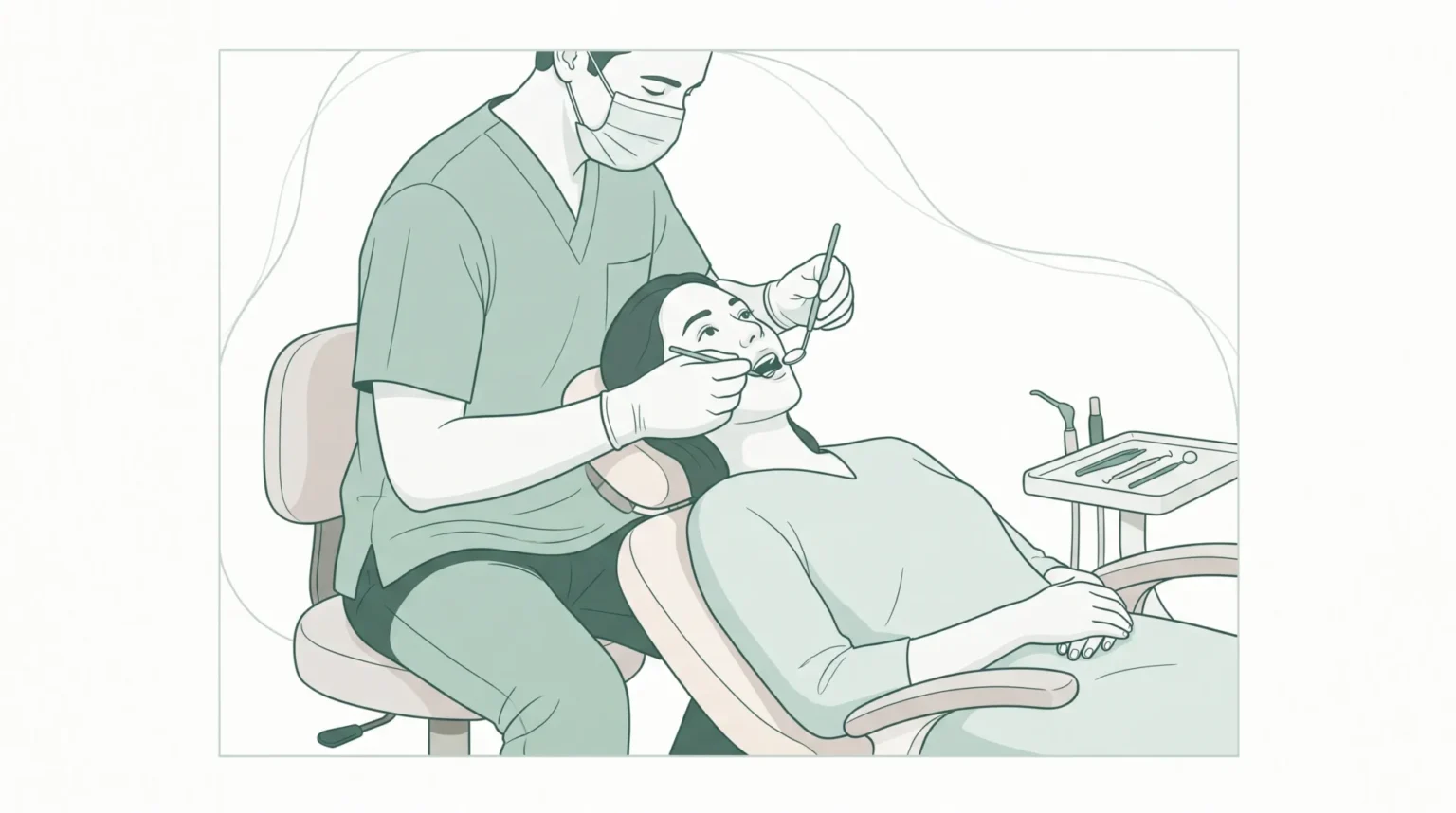
Searching for a “professional dentist near me” can help you find local practices, but it cannot show how a dentist makes decisions, explains uncertainty or responds when treatment does not go as planned. Those behaviours are central to professional care. A welcoming manner matters, but it should sit alongside sound clinical judgement, respect for your choices and responsibility for your ongoing health.
What sets a professional dentist apart is not a promise of perfect results. It is a careful, transparent approach before, during and after treatment.
Registration is the starting point
In Australia, dentists must be registered with the Dental Board of Australia. You can check a practitioner’s registration through the Ahpra register of practitioners, including their registration type and any published conditions.
Registration establishes a professional baseline. It does not mean every dentist has the same experience or offers every treatment. A registered general dentist is also not automatically a registered specialist. Professional practice includes recognising the limits of one’s training and referring a patient when their needs require different expertise.
What a “professional dentist near me” search cannot show
A search result cannot tell you whether a dentist will investigate a problem thoroughly rather than move straight to a procedure. That becomes clearer during your consultation.
A careful assessment considers your symptoms, medical history, medicines, previous dental treatment and current oral health. Depending on the concern, the dentist may assess your gums, bite, tooth wear or existing restorations. X-rays should be recommended for a clinical reason, with an explanation of what they may help identify.
When comparing results for “professional dentist near me”, look for a dentist who connects findings to a reasoned recommendation. For example, sensitivity might relate to exposed dentine, decay, a crack or another cause. The appropriate response depends on the assessment, not simply on the symptom.
You should also be able to ask what remains uncertain. Sometimes a diagnosis needs further investigation or review over time. A professional dentist explains that uncertainty rather than presenting a guess as a confirmed finding.
Good judgement can mean doing less
Not every concern needs immediate treatment. Depending on the findings, monitoring, preventive care or a smaller intervention may be appropriate. In other situations, delaying care could allow a problem to worsen.
The distinction should be explained in terms you can understand: what is happening, what may change and what would prompt treatment. “Let’s monitor it” should come with a reason and a review plan, not leave you wondering whether the concern has been dismissed.
This judgement also matters in cosmetic dentistry. A change to tooth shape or position needs to account for oral health and function. Our guide to how dentists plan cosmetic treatment around your bite explains why appearance is only one part of the assessment.
Clear explanations turn a recommendation into a choice
A treatment recommendation is not the same as informed consent. You need enough information to decide whether an option fits your health needs, priorities and circumstances.
A useful consultation explains the proposed treatment, its expected benefits, material risks, reasonable alternatives and likely costs. Where relevant, that includes the option of waiting or not proceeding, together with the possible consequences. Information should be tailored to your situation rather than delivered as a generic sales presentation.
If your search for “professional dentist near me” leads to a consultation, notice whether the dentist checks your understanding and welcomes questions. You should not have to agree immediately simply because a treatment has been recommended.
The Dental Board of Australia’s codes and guidelines set out professional expectations, including the shared code of conduct. Respectful communication and informed decision-making are part of professional practice, not optional extras.
Costs belong in the conversation
For treatment involving several appointments, a written plan can make the proposed stages and estimated costs easier to follow. Ask what is included, what could change and whether ongoing maintenance will involve additional expense.
Payment arrangements should remain separate from clinical suitability. An affordable repayment schedule does not, by itself, make a procedure necessary or appropriate. If a practice offers payment plans, ask about the terms and total amount payable before agreeing.
Safe care is built into everyday routines
Professionalism also includes work that patients may not see directly: infection prevention, instrument processing, accurate records and checks before treatment.
A tidy reception area is reassuring, but it does not establish that clinical infection-control procedures are being followed. You can ask how reusable instruments are processed and how the practice manages patient safety. Staff should be able to explain their approach clearly, although patients cannot independently verify every behind-the-scenes process during a visit.
Before a procedure, the team may confirm your medical history, allergies and the planned treatment. These checks support safe care, even when you have attended the practice before.
When you search for “professional dentist near me”, look beyond the appearance of the clinic to how consistently the team communicates and checks information. Your dentist should explain what you may feel, discuss appropriate pain-management options and respond if you need a pause. Comfort matters, but no responsible practitioner can guarantee that every procedure will be painless or free of complications.
Accountability continues after the appointment
Professional care does not end when you leave the chair. After treatment, you should understand what recovery may involve, how to care for the area and when to contact the practice.
For a procedure requiring follow-up, the dentist should explain why review is needed. If symptoms persist or something feels wrong, a professional response is to listen, assess the concern and discuss the next steps. That may involve further treatment, monitoring or referral, depending on the findings.
This is another quality that a “professional dentist near me” search cannot establish on its own: how a practitioner responds when care becomes more complicated than expected. Professionalism means explaining what is known, being open about relevant problems and helping you understand the available options. It does not mean claiming that complications never occur.
Clear records also support continuity. Your history, findings and treatment plan should help inform future care, including when another practitioner becomes involved.
How professionalism looks in ordinary situations
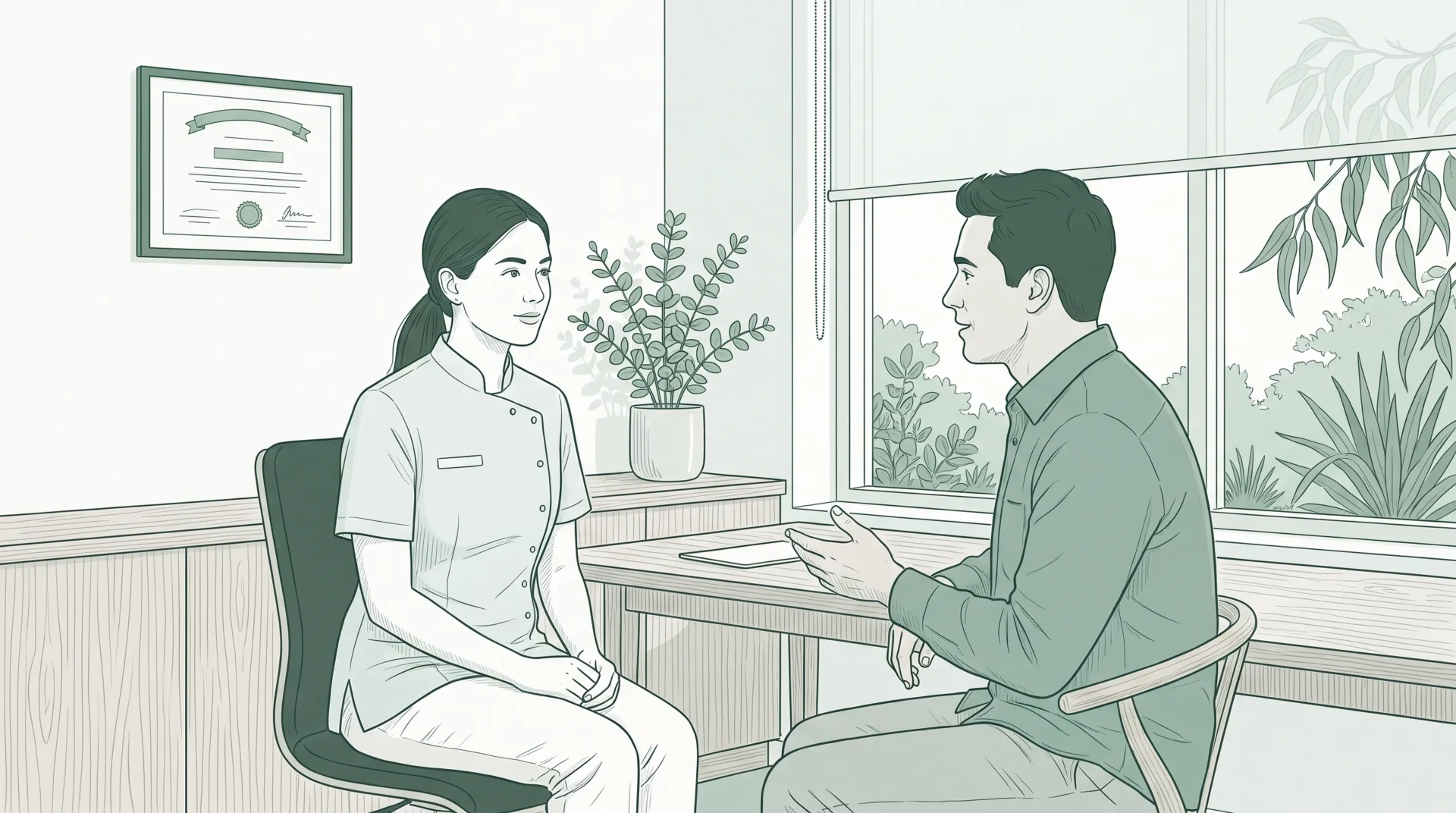
You do not need dental training to notice whether a consultation is thoughtful and transparent. The following examples show how professional standards can translate into everyday care.
| Situation | A professional approach | A useful question to ask |
|---|---|---|
| A filling or crown is recommended | Explains the findings and why the proposed option is suitable | “What makes this preferable to the alternatives?” |
| A tooth is being monitored | Gives a reason, review plan and signs that may change the recommendation | “What are we watching for?” |
| Cosmetic treatment is discussed | Considers oral health, function, risks and maintenance | “What limitations should I understand?” |
| You feel anxious | Discusses your concerns and suitable ways to support you | “Can we agree on a signal to pause?” |
| Symptoms continue after treatment | Reassesses the concern and explains the next steps | “When should this be reviewed?” |
The aim of searching for “professional dentist near me” is to find care you can understand and participate in, not simply a practitioner with impressive marketing. Professional answers may include limitations or uncertainty. What matters is whether those answers are clear, clinically reasoned and relevant to you.
Prevention is part of the relationship
A professional dentist should help you reduce future problems, not only address the issue that brought you in. Preventive advice needs to reflect your circumstances, which may include gum health, decay risk, dry mouth, diet or difficulty cleaning around existing dental work.
That also means explaining recommendations rather than setting an identical schedule for everyone. Examination intervals and preventive measures should take account of your individual needs and may change over time.
Practical advice is more useful than criticism. If a cleaning technique is difficult or a routine is not working, the conversation should focus on manageable adjustments. For patients comparing local practices, our guide to choosing a nearby dental clinic that meets your needs covers the broader practical considerations alongside clinical care.
Frequently asked questions
Does “professional dentist” mean a dental specialist? No. A registered general dentist can provide professional care within their training and competence. Specialist registration is a separate status that you can check on the Ahpra register. Ask about the practitioner’s relevant experience when considering a particular treatment.
What should I ask at my first appointment? Ask what the dentist found, why treatment is recommended, what alternatives are reasonable and what the likely costs are. If something is being monitored, ask when it should be reviewed. Bring details of your medicines and relevant medical history.
Are online reviews enough to choose a dentist? No. Reviews may offer insight into appointment experiences, but they cannot verify diagnostic accuracy or whether treatment was appropriate. When searching for “professional dentist near me”, use reviews alongside registration checks and your experience of the consultation.
Is it reasonable to seek a second opinion? Yes, particularly for substantial, irreversible or complex treatment, or when you do not understand the recommendation. A second opinion may clarify the options, although different recommendations do not automatically mean either dentist is wrong.
Discuss your dental needs in East Melbourne
East Melbourne Dental Group offers general and cosmetic dentistry, including dental implants, Invisalign consultations, veneers, crowns and teeth whitening. Payment plans are also available.
If you are considering care, contact East Melbourne Dental Group to arrange an appointment. Bring your questions about suitability, alternatives, costs and follow-up so the discussion can focus on your needs and help you make an informed decision.
Disclaimer
The information provided on this website is for general informational and educational purposes only. It is not intended to replace professional dental advice, diagnosis or treatment. Dental needs and treatment outcomes vary between individuals. Always seek advice from a qualified dental practitioner regarding your specific circumstances before making decisions about your oral health or treatment. A consultation and clinical assessment are required to determine which treatment options may be suitable for you. All dental procedures carry potential risks and benefits, which will be discussed with you before treatment.