
28 September 2026 | Cosmetic Dentistry, Invisalign, Melbourne Dentist
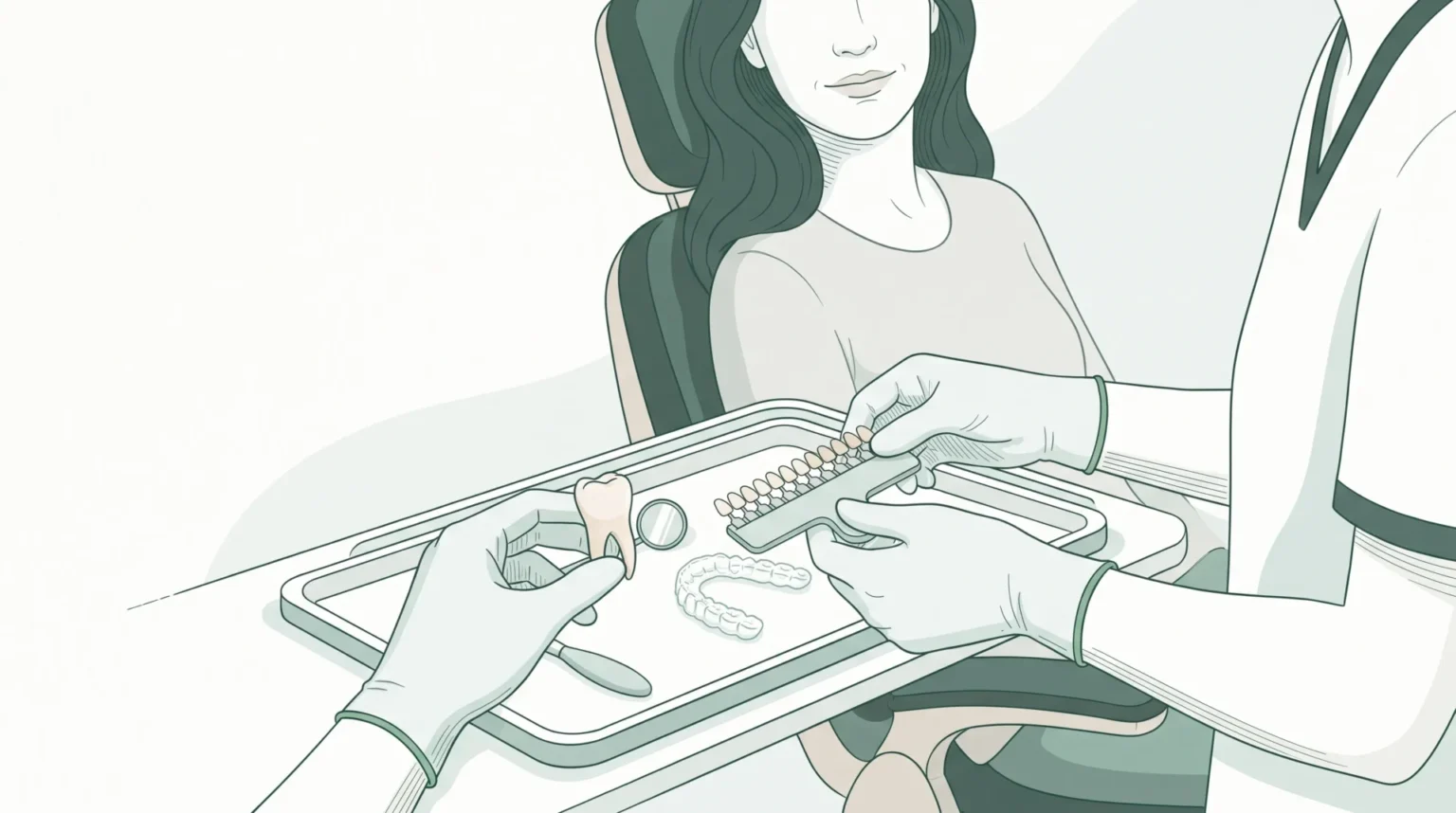
Searching for “cosmetic dentistry melbourne” usually means you want more than whiter or straighter teeth. You want changes that suit your face, feel comfortable when you speak and chew, and do not look like an obvious dental makeover. The most natural cosmetic results are usually the ones planned with restraint, starting with healthy teeth and gums, then refining colour, shape, alignment and proportion only where it genuinely helps.
Natural-looking cosmetic care is not a single treatment. It may involve professional whitening, Invisalign, porcelain veneers, crowns, dental implants or a combination of smaller steps. The right plan depends on your oral health, bite, budget, timeline and how much of your natural tooth structure can be preserved.
What “cosmetic dentistry melbourne” searches often mean
Many people begin their research with a broad search because they know what they do not want. They do not want teeth that are too white for their complexion, veneers that look bulky or a smile that feels disconnected from the rest of their face. A refined result should look like you, only fresher, healthier and more confident.
In practice, natural-looking cosmetic dentistry comes down to proportion. The front teeth need to work with the lips, gums, facial midline and bite. Shade matters too, but brightness is only one part of the result. A tooth can be very white and still look artificial if the translucency, surface texture or shape is wrong.
A good cosmetic consultation should include a conversation about your goals as well as a clinical assessment. The dentist needs to understand what you notice in photos, what bothers you when you smile and whether your concerns are cosmetic, functional or both.
Natural-looking results start with oral health
A beautiful cosmetic plan can fail if it is built on untreated decay, gum inflammation, enamel wear or unstable bite forces. That is why careful dentists assess oral health before discussing final aesthetics. This may include checking the gums, existing fillings, cracks, tooth wear, jaw joint comfort and how the upper and lower teeth meet.
A conservative approach to cosmetic dentistry Melbourne patients can trust usually starts by asking, “What is the least invasive way to achieve this goal?” Sometimes that means whitening before considering veneers. Sometimes it means orthodontic movement before bonding or crowns, so the final restorations do not need to be made wider or thicker to hide crowding.
This health-first approach also helps set realistic expectations. Cosmetic treatment can improve the appearance of teeth, but it cannot guarantee a specific outcome for every person. Australian dental advertising rules also require responsible communication about results, risks and suitability. The AHPRA advertising hub is a useful reference if you want to understand how health services should be promoted in Australia.
Matching the treatment to the change you want
Different cosmetic treatments solve different problems. The most natural plans often combine the fewest treatments needed, rather than doing everything at once. For example, a person with healthy teeth and mild staining may only need professional whitening, while someone with worn edges, old restorations and missing teeth may need a more detailed plan.
| Cosmetic goal | Options you may discuss | Why it can look natural when planned well |
|---|---|---|
| Brighter teeth | Professional teeth whitening | It lightens your own enamel without changing tooth shape |
| Mild chips or uneven edges | Composite bonding or contouring | Small additions can restore symmetry without major treatment |
| Crowding or spacing | Invisalign or other orthodontic planning | Moving teeth first can reduce the need for restorative work |
| Shape, colour or surface concerns | Porcelain veneers or crowns | Custom ceramics can mimic enamel when shade and thickness are carefully chosen |
| Missing teeth | Dental implants, bridges or dentures | Replacing teeth can support function and restore smile balance |
For many people comparing cosmetic dentistry Melbourne options, the best starting point is not choosing a treatment from a menu. It is identifying the smallest change that would make the biggest difference. If you are considering a broader transformation, this guide to how dental makeovers are planned for natural-looking results explains the planning process in more detail.
Shade, shape and symmetry should be subtle
The shade of your teeth should work with your skin tone, age, facial features and existing dental work. A very bright shade can suit some people, but it can look harsh if it is not balanced with natural translucency near the edges of the teeth. This is especially relevant for veneers and crowns, where the ceramic needs to reflect light in a way that resembles natural enamel.
Shape is just as important. Natural teeth are not perfectly identical. They have small variations in edge contour, line angles and surface texture. If every tooth is made the same length and width, the result can appear flat. Skilled cosmetic planning keeps enough variation to look human while improving the features that make a smile feel uneven or tired.
Good cosmetic dentistry Melbourne planning also avoids overcorrecting. A small rotation, a slightly softer edge or a shade that is bright but not extreme can be the difference between a smile that looks refreshed and one that looks manufactured.

Planning tools help, but judgement still matters
Modern cosmetic dentistry may involve digital photographs, scans, shade guides, trial smiles, mock-ups or staged treatment planning. These tools can make it easier to visualise possible changes before committing to irreversible treatment. They can also help patients understand why alignment, gum levels or bite forces may need attention before final restorations are placed.
Technology is most useful when it supports clinical judgement rather than replacing it. A digital preview can show a direction, but it is not the same as a guaranteed final result. The mouth is a functional environment, and cosmetic work must survive chewing forces, oral hygiene habits and normal changes over time.
If you want to understand how contemporary tools can make diagnosis and planning clearer, East Melbourne Dental Group has also written about how advanced dentistry makes modern dental care easier. The key is not technology for its own sake. It is using accurate information to make better, more conservative decisions.
How to compare cosmetic dentists without being misled
If you are assessing cosmetic dentistry Melbourne clinics, look for a dentist who talks about oral health, risks, maintenance and alternatives, not just the final appearance. A responsible consultation should leave you with a clear understanding of what is optional, what is clinically recommended and what may happen if treatment is delayed.
Useful questions to ask include:
- What are the most conservative options for my concern?
- Do my gums, bite or existing restorations need treatment first?
- How much natural tooth structure would be changed?
- What are the risks, maintenance needs and expected lifespan of each option?
- Are there staged options if I do not want to do everything at once?
- What happens if I choose whitening, Invisalign or bonding before veneers?
Cost is also part of safe decision-making. A cheaper option is not always unsafe, and a higher fee is not automatically better, but you should know what is included in the quote. For a separate breakdown, read what cosmetic dentistry can cost in Melbourne.
What to expect at East Melbourne Dental Group
East Melbourne Dental Group provides general and cosmetic dentistry for patients seeking considered, natural-looking care. Depending on your needs, your consultation may involve discussing options such as Invisalign consultations, teeth whitening, veneers, crowns, dental implants or other restorative care. Emergency dental care, children’s dentistry and sleep dentistry are also part of the broader services offered by the practice.
A consultation is the right place to discuss your goals, dental history, comfort levels and budget. If you are nervous about treatment, say so early. If you want a subtle result that friends may notice without knowing exactly what changed, say that too. Good planning depends on clear communication.
For patients comparing cosmetic dentistry Melbourne choices, practical details matter as well. East Melbourne Dental Group offers free cosmetic consultations and payment plans, which can help you understand suitable options before deciding whether to proceed. Treatment recommendations still depend on an individual examination, so your final plan should be personalised rather than copied from someone else’s smile.
Maintenance is part of the result
Natural-looking cosmetic work should age well, but it still needs care. Whitening may need periodic maintenance. Veneers and crowns need regular checks, careful cleaning around the gumline and protection from habits such as nail biting or tooth grinding. Invisalign results usually require retainers to help maintain alignment.
Your dentist may recommend a night guard if you grind or clench, especially after veneers, crowns or implant restorations. This is not an afterthought. It is part of protecting your investment and reducing the risk of chips, cracks or uneven wear.
Home care also matters. Brushing, flossing or interdental cleaning, regular dental visits and limiting frequent staining drinks can all help cosmetic results stay fresh. The goal is not to make your smile look frozen in time. It is to keep it healthy, functional and harmonious as your mouth changes.
Frequently Asked Questions
What is the most natural-looking cosmetic dental treatment? There is no single answer. Whitening can look very natural when colour is the main issue, Invisalign can improve alignment without changing tooth structure, and veneers or crowns may be suitable when shape, wear or old restorations are the concern.
How do I avoid teeth that look too white or fake? Ask your dentist about shade selection, translucency, facial proportions and whether a trial smile or mock-up is suitable. Natural results usually come from matching the teeth to the person, not choosing the brightest possible shade.
Is cosmetic dentistry painful? Comfort depends on the treatment. Whitening and Invisalign are usually non-surgical, while veneers, crowns or implants involve different levels of preparation or clinical care. Your dentist should explain anaesthetic options and any expected sensitivity before treatment.
How long do cosmetic dental results last? Longevity varies by treatment, oral hygiene, bite forces, diet and maintenance. Whitening generally needs refreshing over time, while restorations such as veneers, crowns and implants need regular professional review.
Can I get cosmetic dentistry if I have gum disease or decay? Active gum disease or decay should usually be treated before cosmetic work begins. Healthy foundations improve comfort, appearance and the long-term stability of the result.
Where should I start with cosmetic dentistry Melbourne consultations? Start with a health assessment and a discussion of your goals. A dentist can then explain conservative options, likely stages, costs, risks and maintenance before you decide whether to proceed.
Ready to discuss a natural-looking smile?
If you want cosmetic changes that still look like you, book a consultation with East Melbourne Dental Group. The team can assess your oral health, discuss suitable cosmetic options and help you understand the next step with clear, personalised advice.
Disclaimer
The information provided on this website is for general informational and educational purposes only. It is not intended to replace professional dental advice, diagnosis or treatment. Dental needs and treatment outcomes vary between individuals. Always seek advice from a qualified dental practitioner regarding your specific circumstances before making decisions about your oral health or treatment. A consultation and clinical assessment are required to determine which treatment options may be suitable for you. All dental procedures carry potential risks and benefits, which will be discussed with you before treatment.