
28 September 2026 | Cosmetic Dentistry, General Dentistry, Teeth Whitening
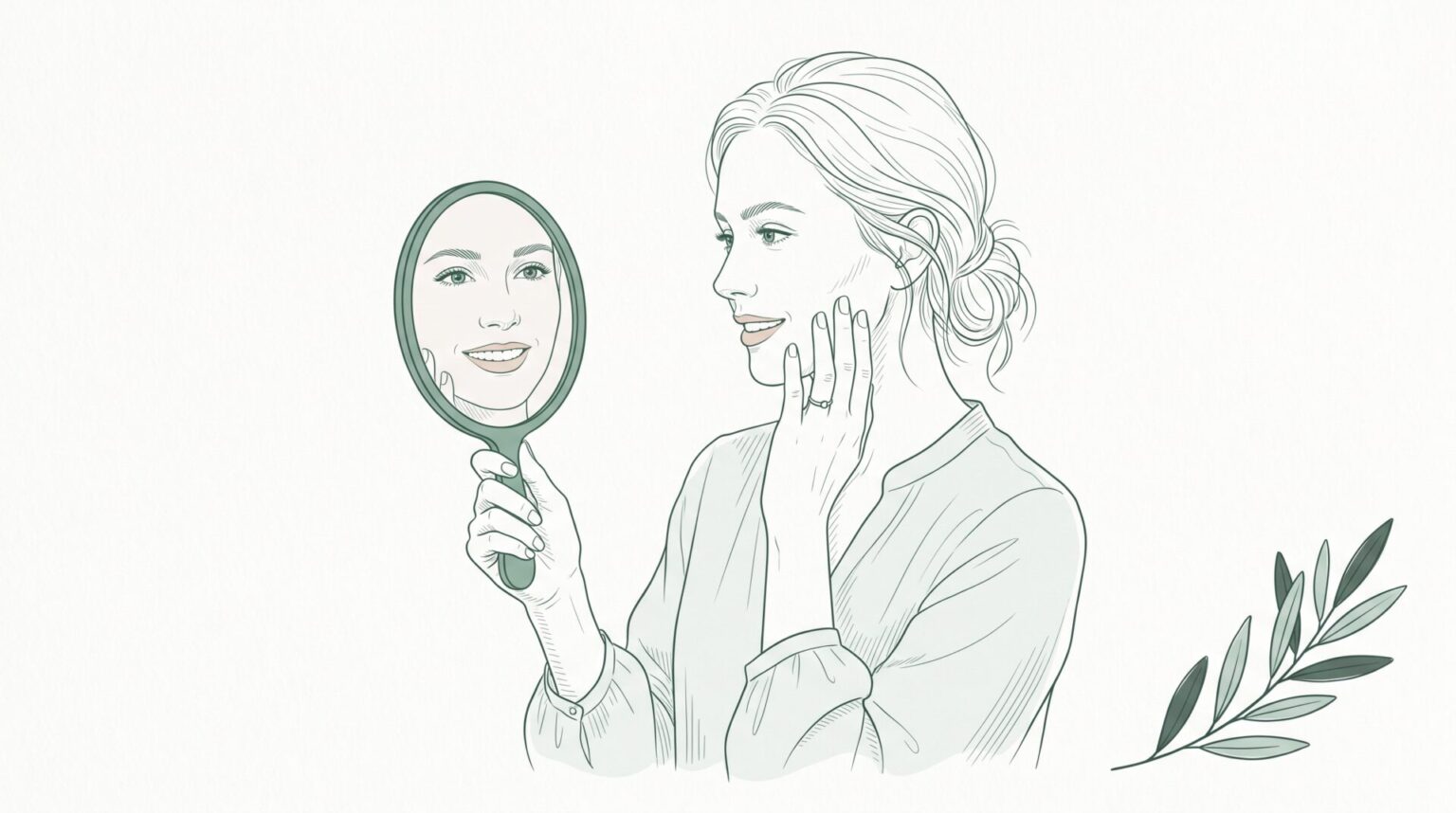
If you have sensitive teeth and have searched for a teeth whitening place near me, the safest starting point is not choosing the strongest gel or the fastest appointment. It is finding a dentist who can identify why your teeth are sensitive, then match the whitening method to your enamel, gums, previous dental work and comfort level.
Professional whitening can still be an option for many people with sensitivity, but the plan often needs to be gentler, more staged and properly supervised. Sensitivity may come from enamel wear, gum recession, cracks, decay, exposed dentine or recent dental work. Whitening gel can temporarily increase tooth sensitivity, so treating the cause first matters as much as the whitening itself.
The Australian Dental Association’s Teeth.org.au resource explains that whitening is not suitable for everyone and that dental advice helps reduce the risk of irritation or uneven results. For sensitive teeth, that advice is not a formality. It is the difference between a controlled cosmetic treatment and a painful guessing game.
Why Sensitive Teeth Need a Different Whitening Plan
Tooth sensitivity usually occurs when dentine, the inner layer beneath enamel, becomes more exposed or reactive. Dentine contains microscopic tubules that can transmit temperature, pressure or chemical changes toward the nerve inside the tooth. Whitening ingredients can pass through enamel and dentine, which is why some people feel short, sharp zaps during or after treatment.
That does not mean whitening is automatically unsafe. It means your dentist needs to check whether the sensitivity is stable, temporary or a sign of a dental problem that should be treated first. If the issue is untreated decay, a leaking filling, cracked enamel or inflamed gums, whitening may aggravate symptoms rather than improve your smile.
A dental check-up also helps set realistic expectations. Whitening works best on natural tooth enamel affected by external staining from coffee, tea, red wine, tobacco or age-related yellowing. It will not whiten crowns, veneers, fillings or bonding material. If you have visible restorations near the front of your smile, your dentist may suggest whitening first, then reviewing whether any restorations need shade matching later.
When a Teeth Whitening Place Near Me Should Assess Sensitivity First
A clinic offering professional whitening should not begin by promising a shade result. It should begin with an oral health assessment, especially if you already avoid cold drinks, breathe through your mouth carefully on cold mornings or feel pain when brushing along the gumline.
During this assessment, the dentist may check for gum recession, enamel thinning, cracks, tooth decay, exposed root surfaces and areas of heavy staining. They may also ask about your brushing technique, acidic drink intake, reflux history, grinding habits and any recent whitening attempts. These details help identify whether whitening needs to be delayed, modified or combined with desensitising care.
This is why searching for a teeth whitening place near me should lead you to a dental practice rather than an unsupervised whitening product. A dentist can decide whether sensitivity is likely to be temporary and manageable or whether it needs treatment before any bleaching gel is used.
If you want to understand the safety side in more detail, East Melbourne Dental Group has a separate guide on how dentists whiten teeth safely and effectively, including how professional gels interact with stains and why the pre-whitening check matters.
Professional Teeth Whitening Options for Sensitive Teeth
Professional whitening is not one single treatment. A dentist can adjust the method, strength, timing and aftercare to reduce the chance of discomfort. The right choice depends on how sensitive your teeth are now, how quickly you want a result and whether your teeth are otherwise healthy.
In-Chair Whitening With Sensitivity Controls
In-chair whitening is performed at the dental clinic under professional supervision. Protective barriers are used to help shield the gums, and the whitening gel is applied in controlled stages. For someone with sensitive teeth, the dentist may shorten application times, monitor your response between gel cycles or stop early if symptoms build.
The main advantage is supervision. If sensitivity occurs, the dentist can respond immediately rather than leaving you to manage it at home. The trade-off is that in-chair whitening can feel more intense for some sensitive patients because it is designed to work within a shorter appointment.
For someone comparing a teeth whitening place near me, it is worth asking whether the clinic can modify an in-chair whitening appointment for sensitivity rather than offering one standard protocol to every patient.
Custom Take-Home Whitening Trays
Custom take-home trays are often a good option for people with sensitivity because the process can be paced. The trays are made to fit your teeth, which helps keep gel where it belongs and reduces overflow onto the gums. Your dentist can prescribe a suitable gel and wearing schedule based on your comfort level.
This approach may take longer than in-chair whitening, but many sensitive patients prefer the control. If your teeth feel reactive, your dentist may advise spacing out applications, using shorter wear times or pausing temporarily. Because the trays are custom fitted, the gel is usually easier to manage than generic strips or poorly fitting online trays.
Combination Whitening, Done Gradually
Combination whitening uses an in-chair appointment followed by take-home trays, or sometimes take-home trays first with an in-chair boost later. For sensitive teeth, this approach should be planned carefully. The goal is not to do more whitening for the sake of it, but to balance shade change with comfort.
A staged plan may make sense if your teeth are healthy but reactive. Your dentist might begin with desensitising support, use a conservative in-chair session, then maintain or refine the result with take-home trays. If your sensitivity is more significant, they may recommend take-home whitening only.
| Whitening option | Why it may suit sensitive teeth | Possible limitation |
|---|---|---|
| Modified in-chair whitening | Closely supervised, gum protection, treatment can be stopped or adjusted | May still feel intense for highly reactive teeth |
| Custom take-home trays | Lower, slower approach with flexible timing and custom fit | Results usually take longer to develop |
| Staged combination whitening | Allows a tailored balance between speed and control | Not suitable for every sensitivity profile |
| Whitening after dental treatment | Addresses decay, gum issues or cracks before cosmetic whitening | Cosmetic timing may need to be delayed |
How Dentists Reduce Whitening Sensitivity
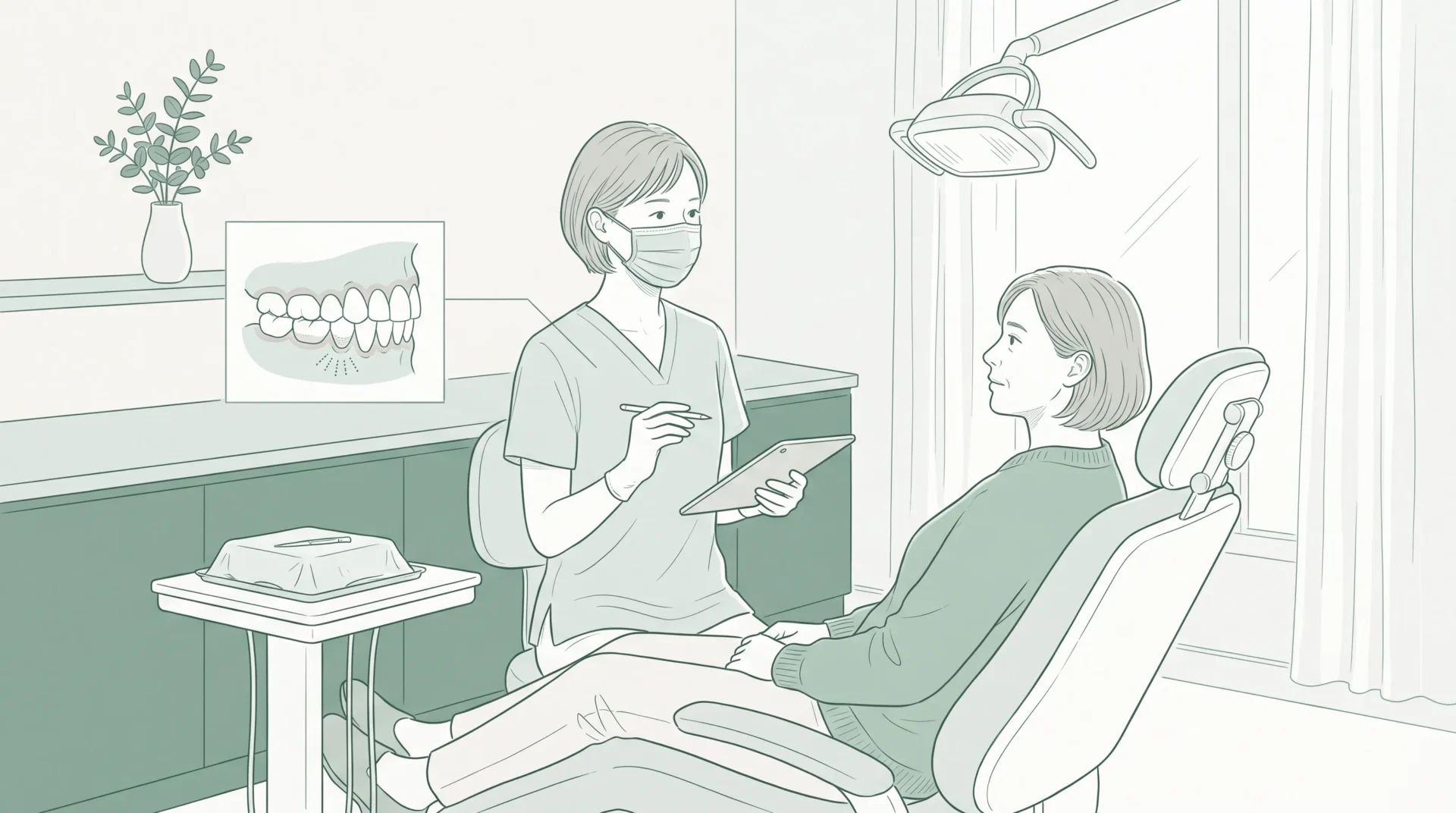
Managing sensitivity is usually a combination of preparation, technique and aftercare. Your dentist may recommend desensitising toothpaste before treatment, particularly if you already react to cold water or sweet foods. Some patients are advised to use it for a couple of weeks before whitening so the teeth are calmer before treatment begins.
The whitening technique can also be adjusted. Custom trays can be designed to reduce gel spread toward the gums, and the amount of gel used can be carefully controlled. With in-chair whitening, soft tissues are isolated and protected, which helps lower the risk of gum irritation. The dentist can also modify timing rather than pushing through discomfort.
After whitening, it is common to have temporary sensitivity for a short period. Many people notice it settling within a day or two, though every patient is different. Avoiding very cold drinks, acidic foods and additional whitening products can help while the teeth recover.
Ask a teeth whitening place near me how they manage sensitivity before, during and after treatment. A clear answer should include assessment, prevention, adjustments during treatment and advice on what to do if symptoms do not settle.
Who Should Delay Teeth Whitening?
Some people should not begin whitening straight away, even if they are keen to improve colour. Whitening should generally be delayed if there is active tooth decay, gum infection, cracked teeth, leaking fillings or unexplained pain. These problems can make sensitivity worse and may need treatment first.
Whitening may also need careful planning if you have veneers, crowns or large front fillings. These materials do not change colour with whitening gel, so whitening the natural teeth around them can make colour differences more noticeable. In a cosmetic plan, dentists often whiten natural teeth before placing new restorations so the final shade can be matched more predictably.
Pregnant or breastfeeding patients are commonly advised to postpone elective whitening. People with very young permanent teeth, significant enamel defects or severe gum recession also need individual advice.
If you have sudden or severe pain after a whitening attempt, stop whitening and speak with a dentist. East Melbourne Dental Group’s guide on urgent tooth sensitivity after whitening explains practical steps to take while arranging professional advice.
Questions to Ask Before Whitening Sensitive Teeth
The right teeth whitening place near me should be able to explain not only what treatment is available, but why a particular option suits your teeth. You should feel comfortable asking direct questions before agreeing to whitening.
Useful questions include:
- Is my sensitivity caused by enamel wear, gum recession, decay or something else?
- Would in-chair whitening, take-home trays or a staged approach be gentler for me?
- Can the whitening strength or timing be adjusted if my teeth react?
- What should I do before treatment to reduce sensitivity?
- How long should I expect any post-whitening sensitivity to last?
- Will my crowns, veneers or fillings look different after whitening?
- What result is realistic for my natural tooth colour and staining pattern?
For a more appointment-focused overview, you can also read what to expect at a dental clinic teeth whitening visit, including consultation steps and common treatment stages.
At-Home Products Versus Dentist-Supervised Whitening
Supermarket whitening toothpastes, strips and online kits may look convenient, but they are not designed around your sensitivity profile. Whitening toothpaste can help remove some surface stains, but it usually cannot change the internal colour of enamel in the way professional bleaching can. Abrasive use may also be unhelpful for teeth already affected by enamel wear or gum recession.
Generic strips and trays can be difficult for sensitive patients because fit matters. If whitening gel spreads onto the gums or pools unevenly, irritation and patchy results become more likely. Online kits also cannot diagnose decay, cracks or exposed root surfaces before you start.
Professional supervision is not just about stronger whitening. It is about selecting the safest pathway for your mouth. For sensitive teeth, slower and more customised often beats faster and harsher.
Frequently Asked Questions
Can I whiten my teeth if they are already sensitive? Many people with sensitive teeth can still consider whitening, but they should have a dental assessment first. Your dentist can check for causes such as gum recession, enamel wear, decay or cracks, then recommend a modified approach if whitening is suitable.
Is in-chair whitening too strong for sensitive teeth? Not always. In-chair whitening can be adjusted and closely supervised, but some patients with sensitivity may do better with custom take-home trays or a staged plan. The best option depends on your oral health and how reactive your teeth are.
How long does whitening sensitivity last? Mild sensitivity after whitening is often temporary and may settle within a short period. If pain is severe, lingers or affects one tooth more than the others, stop whitening and contact a dentist.
Will whitening damage enamel? Professionally supervised whitening is designed to be used safely when your teeth and gums are suitable. Problems are more likely when whitening is used over untreated dental disease, too often or without proper advice.
What should I look for in a teeth whitening place near me if I have sensitivity? Look for a dental clinic that performs an oral health check before whitening, explains your options clearly, offers sensitivity management and avoids promising a guaranteed shade. A personalised plan is especially important for sensitive teeth.
A More Comfortable Way to Brighten Your Smile
Sensitive teeth do not automatically rule out professional whitening, but they do make proper planning essential. A dentist can assess the cause of sensitivity, choose a suitable whitening method and adjust treatment so your comfort is part of the plan from the start.
If you are in or near East Melbourne, East Melbourne Dental Group offers general and cosmetic dental care, including teeth whitening, Invisalign consultations, veneers, crowns, dental implants, emergency dental care and children’s dentistry. Free cosmetic consultations and payment plans are available for suitable patients.
Book a consultation with East Melbourne Dental Group to discuss professional whitening options for sensitive teeth and find out what is appropriate for your smile.
Disclaimer
The information provided on this website is for general informational and educational purposes only. It is not intended to replace professional dental advice, diagnosis or treatment. Dental needs and treatment outcomes vary between individuals. Always seek advice from a qualified dental practitioner regarding your specific circumstances before making decisions about your oral health or treatment. A consultation and clinical assessment are required to determine which treatment options may be suitable for you. All dental procedures carry potential risks and benefits, which will be discussed with you before treatment.