28 September 2026 | Children's Dentistry, General Dentistry, Preventative Dentistry

Typing “near me best dental clinic” into a search bar is often the first step when your household needs a dentist, but choosing well takes more than picking the closest option with a polished website. A great family dental clinic should feel dependable for routine check-ups, calm during urgent moments and clear when treatment decisions affect your health, time and budget.
For families, the right clinic is not just a place where teeth are cleaned. It becomes part of your healthcare routine across childhood, adolescence, adulthood and older age. That means the practice should combine clinical skill with prevention, age-appropriate communication, transparent fees and a team that treats every patient with respect.
Beyond “Near Me Best Dental Clinic”: What Families Really Need
Search results can help you build a shortlist, but they cannot tell you everything about how a dental clinic works day to day. A clinic that looks convenient may still be the wrong fit if it only offers limited services, rushes consultations or does not explain options in plain language.
When families search for near me best dental clinic, they usually want reassurance. They want to know the dentist is properly registered, the environment is clean and welcoming, children will be treated gently and adults will receive honest advice without pressure.
A better way to choose is to look at the full experience. How easy is it to book? Does the team ask about medical history, anxiety, previous dental experiences and your priorities? Are treatment plans explained before anything begins? These details reveal whether the clinic is set up for long-term family care or just isolated appointments.
A Great Family Clinic Starts With Prevention
The strongest family dental care is prevention-led. That means your dentist should help you avoid problems where possible, not simply repair damage once pain or visible changes appear. Regular examinations, professional cleans, fluoride guidance, fissure sealants for suitable children and early gum health checks can all play a role.
A prevention-first approach also helps families reduce surprises. If a dentist identifies early enamel wear, gum inflammation or bite concerns, you can make informed choices before treatment becomes more complex. That is one reason a near me best dental clinic search should lead to questions about check-up routines, risk assessment and home care advice.
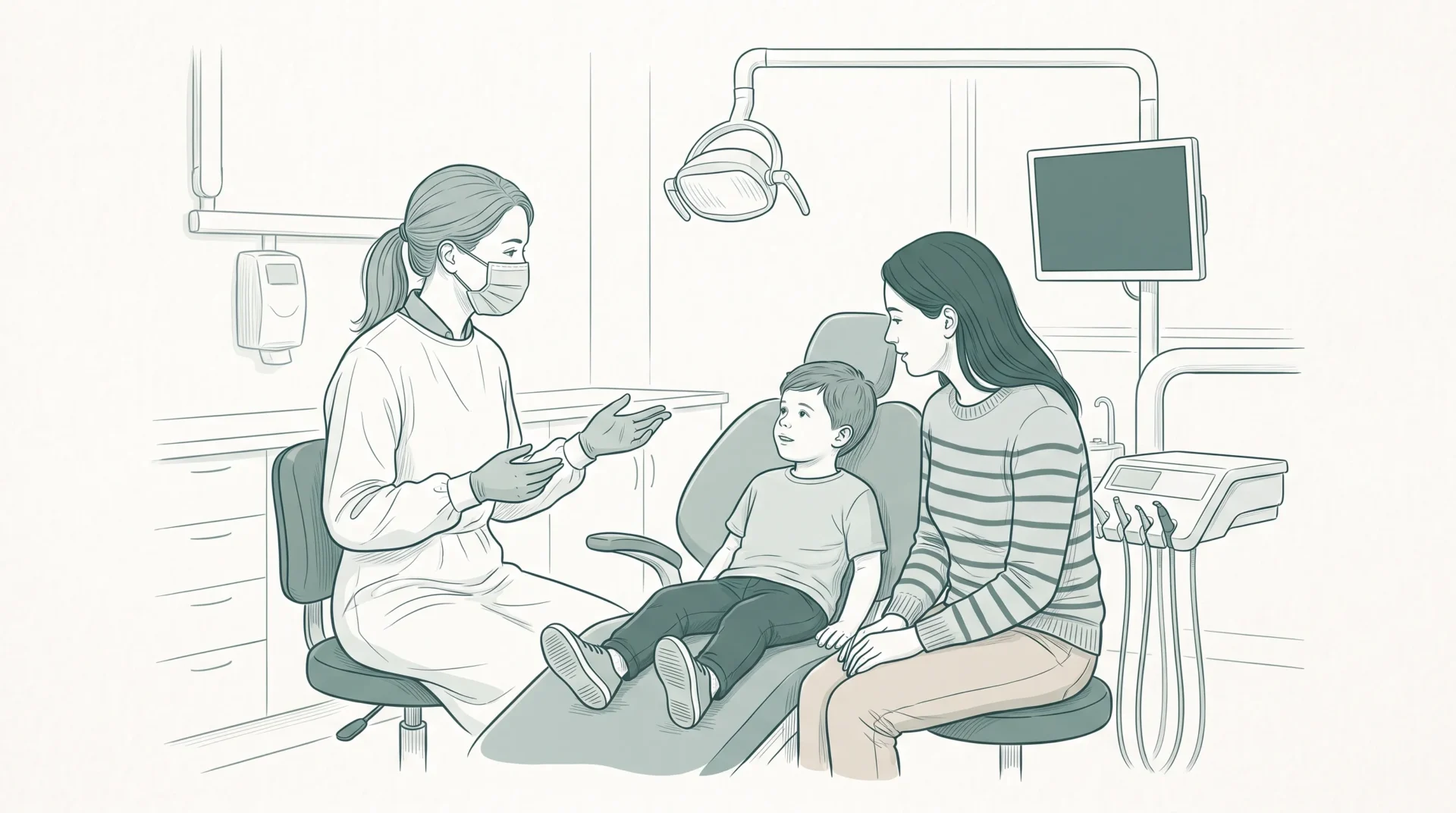
For children, prevention includes positive early visits that build confidence. The first few dental appointments should not feel like a punishment or a crisis response. They should help children become familiar with the chair, instruments and dental team in a calm way.
For adults, prevention may involve discussions about grinding, diet, dry mouth, pregnancy-related gum changes, orthodontic relapse or the long-term condition of older fillings. A clinic that takes prevention seriously will tailor advice rather than giving every patient the same script.
Clinical Quality You Can Check Before Booking
Families do not need to become dental experts, but there are practical ways to check whether a clinic is clinically credible. In Australia, dental practitioners must be registered, and you can confirm a clinician’s registration through the AHPRA public register. This is a simple step that can give peace of mind before booking.
Clinical quality also shows up in the consultation process. When people compare results for near me best dental clinic, they should look for a dentist who examines the whole mouth, discusses medical history, explains findings and gives realistic options. Good care does not begin with a sales pitch. It begins with diagnosis.
A trustworthy clinic should also be clear about the limits of treatment. For example, teeth whitening may not change the colour of crowns or veneers. Invisalign may not be suitable for every bite concern. Dental implants require careful assessment of bone, gum health and medical factors. Honest explanations protect patients from unrealistic expectations.
| What to assess | Why it matters for families | What to ask |
|---|---|---|
| Practitioner registration | Confirms the clinician is registered to practise in Australia | “Who will be treating me and can I check their registration?” |
| Full oral assessment | Helps identify issues before recommending treatment | “Will you assess my gums, bite and existing dental work?” |
| Clear treatment options | Supports informed consent and realistic expectations | “What are the alternatives, risks and likely maintenance needs?” |
| Written cost information | Helps families plan without surprises | “Can I receive an estimate before treatment starts?” |
| Follow-up and maintenance | Good dental outcomes depend on long-term care | “What happens after the treatment is finished?” |
Communication That Helps Everyone Feel Safer
A family clinic needs to communicate well with very different people. A nervous adult, a teenager considering clear aligners, a young child attending their first appointment and an older patient managing medical conditions may all need different styles of explanation.
When your near me best dental clinic shortlist includes several options, pay attention to how the team speaks before you even arrive. Reception communication, appointment reminders, explanations of paperwork and responses to questions all hint at the clinic’s culture.
For anxious patients, good communication means being told what will happen before it happens. It may also include agreed signals to pause treatment, extra time for appointments or discussion of sedation options where appropriate. For children, it means using simple, non-threatening language while still being truthful.
Good communication also supports informed consent. A dentist should explain what they have found, what may happen if treatment is delayed, what choices are available and what each option involves. You should feel comfortable asking questions, including about fees, risks and maintenance.
Services That Support Different Stages of Life
A great family dental clinic does not have to provide every possible treatment in-house, but it should support the common needs of a household. That may include children’s dentistry, routine cleans, fillings, crowns, emergency appointments, gum care, cosmetic consultations and referral pathways when a specialist is needed.
This matters because family needs change. A toddler may need help with brushing habits. A teenager may need orthodontic advice. A parent may want teeth whitening or veneers. A grandparent may be considering dentures, crowns or dental implants. A clinic with broad experience can help you plan care across these stages.
East Melbourne Dental Group offers general and cosmetic dentistry, including services such as Invisalign consultations, teeth whitening, veneers, crowns, dental implants, emergency dental care, children’s dentistry and sleep dentistry. If you are comparing the type of care that suits a whole household, this guide to dental clinic services that support every stage of life explores that idea in more detail.
A broad service mix is useful, but pressure is not. Cosmetic dentistry in particular should start with oral health, realistic planning and consent. If you are exploring whitening, aligners or veneers, it is worth reading about how to choose a smile dental clinic for cosmetic care before making a decision.
Costs, Payment Options and Practical Access
Cost is a real part of choosing dental care, especially for families managing multiple appointments. A good clinic will not make you feel awkward for asking about fees. It should provide itemised estimates where possible, explain what is urgent and what can be staged and help you understand payment options before treatment begins.
A near me best dental clinic result is only useful if the clinic is practical for your household. Consider opening hours, appointment availability, parking or public transport, emergency arrangements and whether multiple family members can be seen on the same day when appropriate.
For eligible children, the Australian Government’s Child Dental Benefits Schedule may help cover certain basic dental services. Not every child is eligible, and limits apply, so families should check the current Services Australia information or ask the clinic for guidance.
Flexible payment plans can also make larger treatment easier to manage, but they should be explained clearly. Ask what the plan covers, whether there are fees or third-party terms and what happens if treatment changes. Financial clarity is part of good care.
The Feel of the Clinic Matters More Than People Admit
Clinical standards matter most, but the emotional feel of a clinic still matters. Families are more likely to keep regular appointments when the environment feels calm, clean and respectful. This is especially true for children, anxious patients and anyone who has delayed dental care because of past experiences.
Look for signs that the clinic respects your time and comfort. Are appointments organised? Are treatment rooms clean? Does the team explain delays? Are children spoken to directly and kindly? Do older patients receive enough time to explain concerns?
Small details can make dental care easier to maintain. A receptionist who helps coordinate family bookings, a dentist who remembers a child’s previous fear or a hygienist who explains brushing techniques without judgement can all change how a household experiences oral healthcare.
If you want a more practical household-focused framework, East Melbourne Dental Group also has a guide on how to find family dental care that fits your household.
How to Compare Clinics Without Overthinking It
A simple comparison process can help you move from search results to a confident choice. After searching near me best dental clinic, shortlist two or three practices and look beyond star ratings. Reviews can be helpful, but they should sit alongside registration, communication, services, access and transparency.
Use your first appointment as a test of fit. You do not need to commit to complex treatment immediately. A check-up or consultation can show whether the dentist listens, explains findings clearly and respects your priorities.
When comparing clinics, focus on these signs:
- The dentist checks oral health before recommending cosmetic or advanced treatment.
- The team explains fees, risks, alternatives and maintenance in understandable language.
- Children, anxious patients and older family members are treated with patience.
- The clinic offers suitable general, preventive and emergency care for your household.
- You feel comfortable asking questions without being rushed or pressured.
No clinic can guarantee a perfect outcome for every treatment, and responsible dental advertising should never suggest that it can. What a great clinic can offer is careful assessment, honest advice, appropriate treatment, clear consent and ongoing support.
Frequently Asked Questions
What should I look for after searching near me best dental clinic? Look for practitioner registration, clear communication, preventive care, transparent fees, suitable family services and a consultation process that explains options without pressure.
Is the closest dental clinic always the best choice for a family? Not always. Location matters, but families should also consider the clinic’s services, approach to children, emergency availability, cost transparency and how comfortable each person feels during appointments.
How often should my family visit the dentist? Many people attend every 6 to 12 months, but the right interval depends on individual risk factors such as gum health, decay risk, medical history, age and previous dental treatment. Your dentist can recommend a schedule after assessment.
How can I tell if a clinic is good with children? A child-friendly clinic will speak gently, explain equipment in simple terms, avoid rushing, focus on prevention and help children build confidence over time. The first visit should feel calm and supportive.
Should a family dental clinic also offer cosmetic dentistry? It can be helpful, especially for adults or teens considering whitening, aligners, veneers or crowns. Cosmetic care should always begin with an oral health assessment and a clear discussion of risks, alternatives and maintenance.
Looking for Family Dental Care in East Melbourne?
If your household needs a dentist for routine care, children’s dentistry, cosmetic treatment options or urgent dental concerns, East Melbourne Dental Group offers general, cosmetic and family dentistry in East Melbourne. The team can discuss your needs, explain suitable options and help you plan care at a pace that suits your circumstances.
You can learn more or arrange an appointment with a trusted East Melbourne dentist.
Disclaimer
The information provided on this website is for general informational and educational purposes only. It is not intended to replace professional dental advice, diagnosis or treatment. Dental needs and treatment outcomes vary between individuals. Always seek advice from a qualified dental practitioner regarding your specific circumstances before making decisions about your oral health or treatment. A consultation and clinical assessment are required to determine which treatment options may be suitable for you. All dental procedures carry potential risks and benefits, which will be discussed with you before treatment.