
7 September 2026 | Children's Dentistry, General Dentistry, Preventative Dentistry
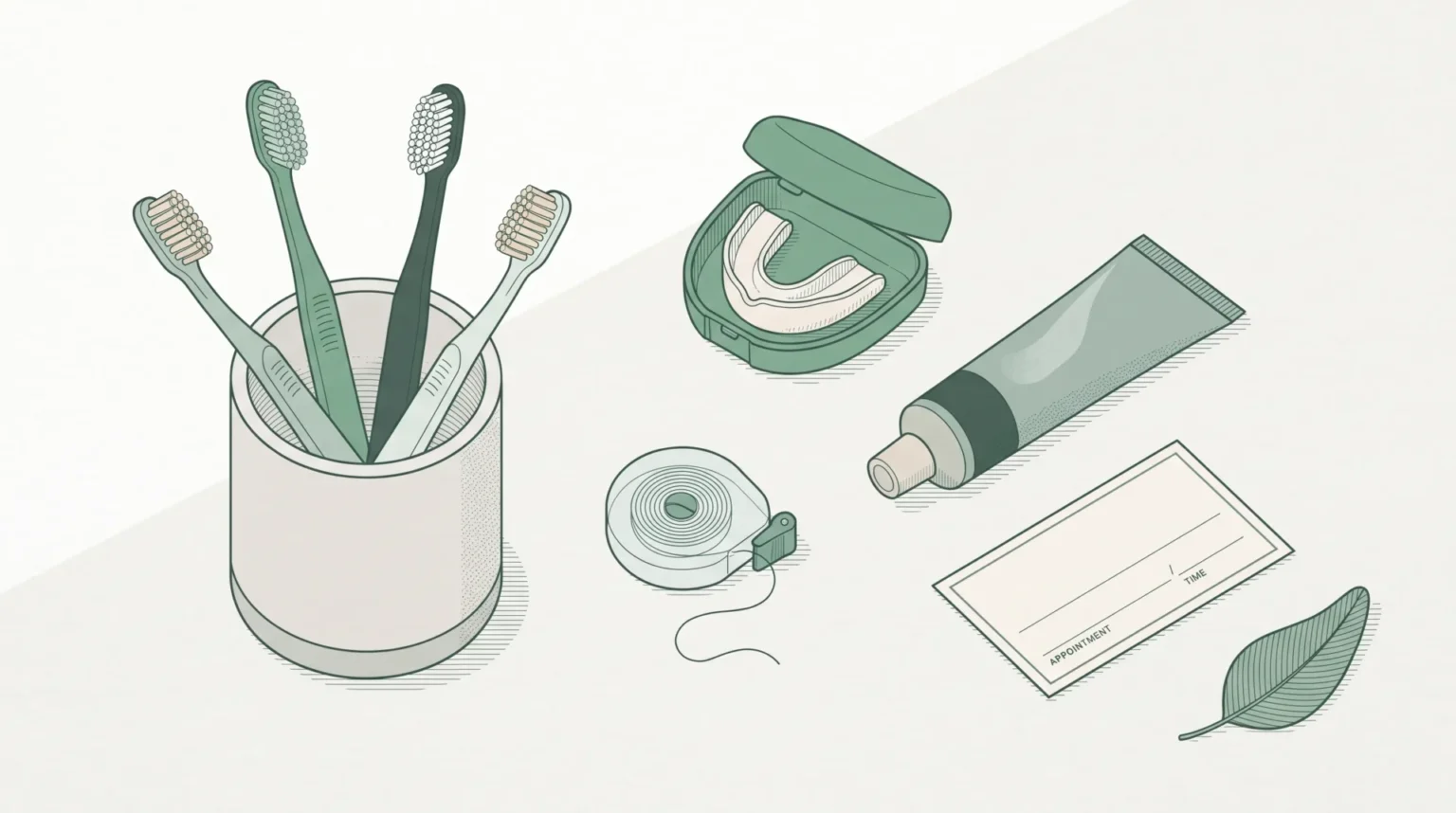
A person’s dental needs rarely stay the same for long. A toddler learning to brush, a teenager wearing a mouthguard, an adult considering Invisalign and an older person maintaining dental implants all need different types of care, but they benefit from the same thing: a dental team that understands the full picture.
That is where comprehensive dental clinic services matter. Instead of treating oral health as a series of isolated appointments, a well-rounded clinic can help prevent problems, identify changes early and recommend care that suits each stage of life.
For families and individuals in East Melbourne, this life-stage approach can make dental care feel more organised, especially when one practice can support general, cosmetic, restorative, emergency and children’s dentistry under one roof.
Why life-stage dental care matters
Oral health is closely linked to age, habits, medical history, diet and lifestyle. The priorities of care shift over time. Children may need help building confidence in the dental chair and learning to brush properly. Teenagers may need orthodontic assessment, sports mouthguards or emergency care after a knock to the mouth. Adults often need ongoing gum care, replacement of worn fillings or cosmetic treatment planning. Older adults may need extra support with dry mouth, tooth wear, crowns, dentures or implant maintenance.
The Australian Institute of Health and Welfare reports that oral conditions such as tooth decay and gum disease remain common in Australia. Regular dental care is not only about fixing pain when it appears. It is also about reducing risk, monitoring changes and making treatment decisions before problems become more complex.
A dental clinic that supports every stage of life can also help maintain continuity. When your dentist understands your history, including previous fillings, gum changes, orthodontic goals, anxiety, medical conditions and long-term preferences, your care can be planned with more context.
Dental clinic services by life stage
The table below shows how dental priorities commonly change over time. Individual needs vary, so this should be seen as a guide rather than a fixed schedule.
| Stage of life | Common oral health priorities | Helpful dental clinic services |
|---|---|---|
| Babies and toddlers | First visits, brushing routines, diet guidance and early confidence | Gentle children’s dentistry, preventive advice and monitoring |
| School-age children | Tooth decay prevention, dental development, habits and sports injuries | Check-ups, cleans, fissure sealants where suitable, mouthguards and emergency care |
| Teenagers | Orthodontic concerns, wisdom teeth monitoring, sport protection and confidence | Invisalign consultations where suitable, mouthguards, preventive care and emergency appointments |
| Young adults | Gum health, teeth grinding, appearance concerns and busy schedules | General dentistry, whitening consultations, clear aligner discussions and restorative care |
| Adults | Gum disease prevention, worn fillings, cracked teeth, missing teeth and cosmetic goals | Crowns, veneers, dental implants, teeth whitening, Invisalign and ongoing maintenance |
| Older adults | Dry mouth, medication effects, tooth wear, replacement teeth and implant care | Restorative dentistry, denture or implant maintenance, gum care and tailored prevention |
Children’s dentistry: building trust early
A child’s early experiences at the dentist can shape how they feel about dental care for years. Gentle children’s dentistry focuses on familiarity, prevention and education rather than waiting until pain or infection develops.
For young children, appointments may include checking tooth development, looking for early signs of decay, discussing brushing technique and helping parents understand diet-related risks. The goal is not to overwhelm the child. It is to create a calm, positive routine.
As children grow, dental care becomes more practical. Dentists can monitor how adult teeth are coming through, assess bite development and identify risk factors such as thumb sucking, mouth breathing, frequent snacking or difficulty cleaning around newly erupted molars. If a child plays contact sport, a custom mouthguard may also be recommended to help reduce the risk of dental injury.
Families often benefit from having children and adults seen at the same clinic. It makes appointments easier to coordinate and allows the dental team to understand family patterns, including dental anxiety, enamel issues, gum health tendencies or shared lifestyle factors.
Teen dental care: prevention, confidence and protection
Teenagers often sit between children’s dentistry and adult dental care. Their teeth may look fully developed, but their habits, diet and lifestyle can increase oral health risks. Soft drinks, energy drinks, late-night snacking, orthodontic appliances and inconsistent brushing can all contribute to decay or gum inflammation.
This is also the stage when appearance can start to matter more. Some teenagers may ask about straighter teeth, whitening or cosmetic improvements, but care should always begin with oral health. A responsible dental clinic will assess the teeth, gums, bite and age-appropriateness of treatment before discussing cosmetic options.
Invisalign consultations may be suitable for some teens and adults, depending on the complexity of tooth movement needed and patient compliance. Clear aligners need to be worn as directed, kept clean and monitored by a dental professional. For active teenagers, dental care may also include sports mouthguards and prompt assessment after dental trauma.
Young adults: dental care that fits a changing lifestyle
Young adulthood often brings major life changes: study, work, moving out of home, new routines and new financial responsibilities. Dental care can slip down the priority list until pain appears. Regular check-ups and cleans remain important because they help detect decay, gum inflammation, cracks, grinding damage and early wisdom tooth concerns.
This is also a common time for people to consider cosmetic dental treatment. Teeth whitening, Invisalign, veneers or bonding may be discussed, but these options should be planned carefully. For example, whitening may not change the colour of existing fillings, crowns or veneers. Aligners may not be appropriate for every bite. Veneers require a detailed assessment of tooth structure, bite forces and long-term maintenance.
If appearance is part of your motivation, it helps to start with a consultation rather than choosing a treatment first. East Melbourne Dental Group offers free cosmetic consultations, giving patients a chance to discuss goals and suitability before deciding on a pathway. For a deeper look at how different options align with different outcomes, this guide to cosmetic dental services and smile goals explains the decision-making process in more detail.
Adult dental care: protecting function as well as appearance
Adult dentistry is often about maintaining what you already have. Teeth and restorations experience years of chewing forces, temperature changes and daily wear. Old fillings can chip or leak. Gum disease can progress quietly. Grinding or clenching may cause cracks, sensitivity and tooth wear.
General dental appointments help monitor these changes. Depending on your needs, care may include dental examinations, professional cleans, X-rays, gum assessments, fillings, crowns, nightguards or referral for more complex treatment. If you want a practical overview of what routine care can involve, the clinic’s article on general dentistry services for everyday oral health covers the core services in more detail.
Cosmetic and restorative dentistry often overlap at this stage of life. A crown may improve the strength and shape of a heavily filled tooth. Veneers may change the appearance of selected front teeth. Dental implants may be considered when a tooth is missing and the patient is clinically suitable. Teeth whitening can refresh a smile, but it works best when the mouth is healthy first.
The right treatment plan should consider more than the visible result. A dentist should assess gum health, bite forces, tooth structure, medical history, maintenance requirements and the likely lifespan of any restoration. Good dentistry is not just about how a smile looks on day one. It is about how it functions and can be cared for over time.
Dental implants, crowns and veneers later in life
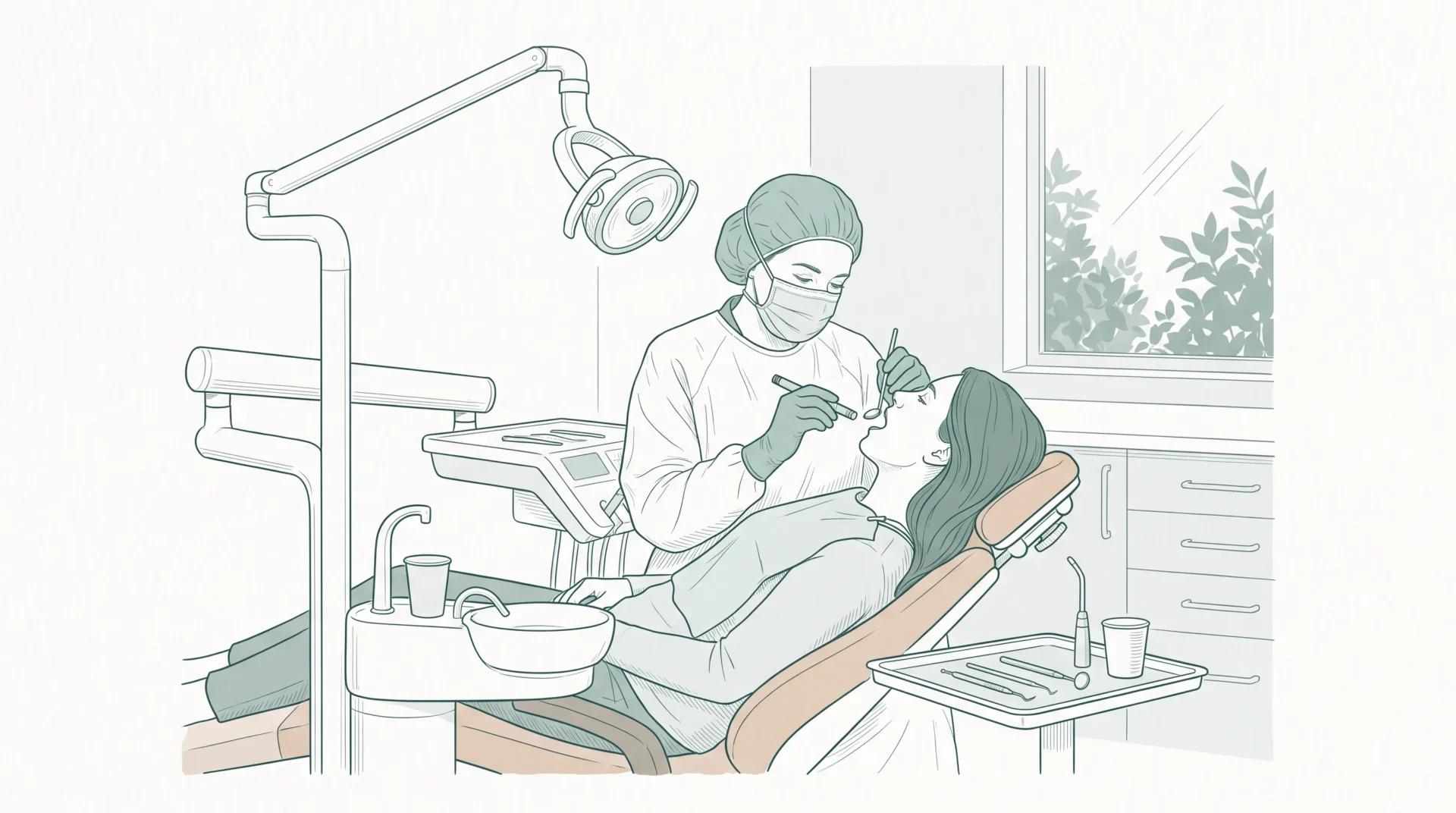
As people get older, tooth wear, old dental work and missing teeth become more common. Restorative dentistry can help rebuild chewing function, protect weakened teeth and support confidence when speaking or smiling.
Crowns are often used when a tooth needs more protection than a standard filling can provide. Veneers are usually considered for selected cosmetic concerns involving the front teeth, such as shape, colour or minor spacing, when clinically appropriate. Dental implants may be an option for replacing missing teeth, but suitability depends on factors such as bone volume, gum health, medical history, smoking status and the condition of neighbouring teeth.
Older adults may also experience dry mouth, especially when taking certain medications. Dry mouth can increase the risk of decay, gum problems and discomfort with dentures. Regular dental visits allow these changes to be monitored and managed with tailored preventive advice.
If you already have implants, crowns, veneers or dentures, ongoing maintenance is essential. Restorations are not “set and forget” treatments. They need professional review, home care and sometimes repair or replacement over time.
Emergency dental care at any age
Dental emergencies do not follow a convenient schedule. A child may fall and chip a tooth, a teenager may take a knock during sport, an adult may develop swelling or an older patient may break a crown while eating.
Emergency dental care may be needed for:
- Toothache that does not settle
- Facial swelling or gum swelling
- A broken, cracked or knocked-out tooth
- Lost fillings, crowns or veneers
- Dental trauma from sport or accidents
- Pain when biting or chewing
- Wisdom tooth pain or infection symptoms
If a tooth is knocked out, the best first step depends on whether it is a baby tooth or an adult tooth. Adult teeth may sometimes be replanted, but time matters. The Dental Trauma Guide is a widely used professional resource, though patients should still contact a dentist promptly for personalised instructions.
For pain, swelling, fever or difficulty swallowing, urgent assessment is important. Dental infections can progress and should not be ignored.
Comfort-focused care and sleep dentistry
Dental anxiety is common and it affects people of all ages. Some patients avoid care because of previous experiences, fear of pain, embarrassment or a strong gag reflex. A supportive dental clinic should take these concerns seriously.
Comfort-focused care starts with communication. Patients should be able to ask questions, understand each step of treatment and pause when needed. For some people, sleep dentistry or sedation options may be discussed, depending on the procedure, medical history and clinical suitability.
Sedation is not a shortcut around proper assessment. It requires appropriate planning, consent and safety checks. When used responsibly, it can help suitable patients access care they might otherwise delay.
Payment plans and planning treatment over time
Cost is a real consideration for many households. A comprehensive dental clinic should help patients understand options, priorities and timing before treatment begins. This is especially important for larger treatment plans involving Invisalign, veneers, crowns, dental implants or multiple appointments.
East Melbourne Dental Group offers flexible payment plans, which may help eligible patients manage treatment in a more structured way. The most appropriate approach depends on your oral health, the urgency of treatment and your personal circumstances.
A staged plan can also be clinically sensible. For example, a dentist may recommend stabilising gum health or treating decay before starting cosmetic work. In other cases, urgent pain relief may come first, followed by longer-term restorative planning.
What to look for in dental clinic services for the whole family
When comparing dental clinic services, look beyond the treatment list. A clinic may offer many services, but the experience also depends on communication, continuity and whether treatment recommendations feel tailored rather than rushed.
Helpful signs include:
- A strong focus on prevention, not only treatment
- Services for children, adults and older patients
- Clear explanations of risks, benefits, alternatives and costs
- Emergency appointment availability or guidance
- Cosmetic treatment planning that begins with oral health
- Options for anxious patients, including discussion of sleep dentistry where appropriate
- Transparent payment plan information
- A team that can coordinate general, cosmetic and restorative care
For families, convenience matters too. Seeing one dental team over time can make it easier to track changes, coordinate appointments and build trust across generations.
Frequently Asked Questions
What dental clinic services does a family usually need? Most families benefit from check-ups, cleans, gum assessments, fillings, children’s dentistry, mouthguards and emergency dental care. Some family members may also need cosmetic or restorative services such as whitening, Invisalign consultations, crowns, veneers or dental implants.
How often should I visit the dentist? Many people attend every six months, but the right interval depends on your decay risk, gum health, medical history and previous dental treatment. Your dentist may recommend more frequent visits if you have active gum disease, high decay risk or complex restorations.
Can children and adults go to the same dental clinic? Yes. A clinic that offers children’s dentistry, general dentistry, cosmetic dentistry and restorative care can often support the whole household. This can improve continuity and make appointments easier to manage.
Are cosmetic dental treatments suitable for every age? Not always. Suitability depends on oral health, tooth development, gum condition, bite, expectations and the specific treatment. A consultation is the safest way to understand whether whitening, Invisalign, veneers or other cosmetic options are appropriate.
When is emergency dental care needed? Emergency dental care may be needed for severe toothache, swelling, dental trauma, broken teeth, knocked-out adult teeth, lost crowns or pain that affects eating, sleeping or daily life. Swelling, fever or difficulty swallowing should be assessed urgently.
Support for every stage of your smile
The best dental care changes with you. From a child’s first visit to adult cosmetic planning, emergency treatment, dental implants or ongoing preventive care, comprehensive dental clinic services can help you make informed decisions at each stage of life.
If you are looking for a trusted dentist in East Melbourne, East Melbourne Dental Group offers general, cosmetic and family dentistry, including Invisalign consultations, teeth whitening, veneers, crowns, dental implants, emergency dental care, children’s dentistry, sleep dentistry and flexible payment plans. Call the clinic or book online to discuss care that suits your needs.
Disclaimer
The information provided on this website is for general informational and educational purposes only. It is not intended to replace professional dental advice, diagnosis or treatment. Dental needs and treatment outcomes vary between individuals. Always seek advice from a qualified dental practitioner regarding your specific circumstances before making decisions about your oral health or treatment. A consultation and clinical assessment are required to determine which treatment options may be suitable for you. All dental procedures carry potential risks and benefits, which will be discussed with you before treatment.