
4 September 2026 | Cosmetic Dentistry, General Dentistry, Teeth Whitening
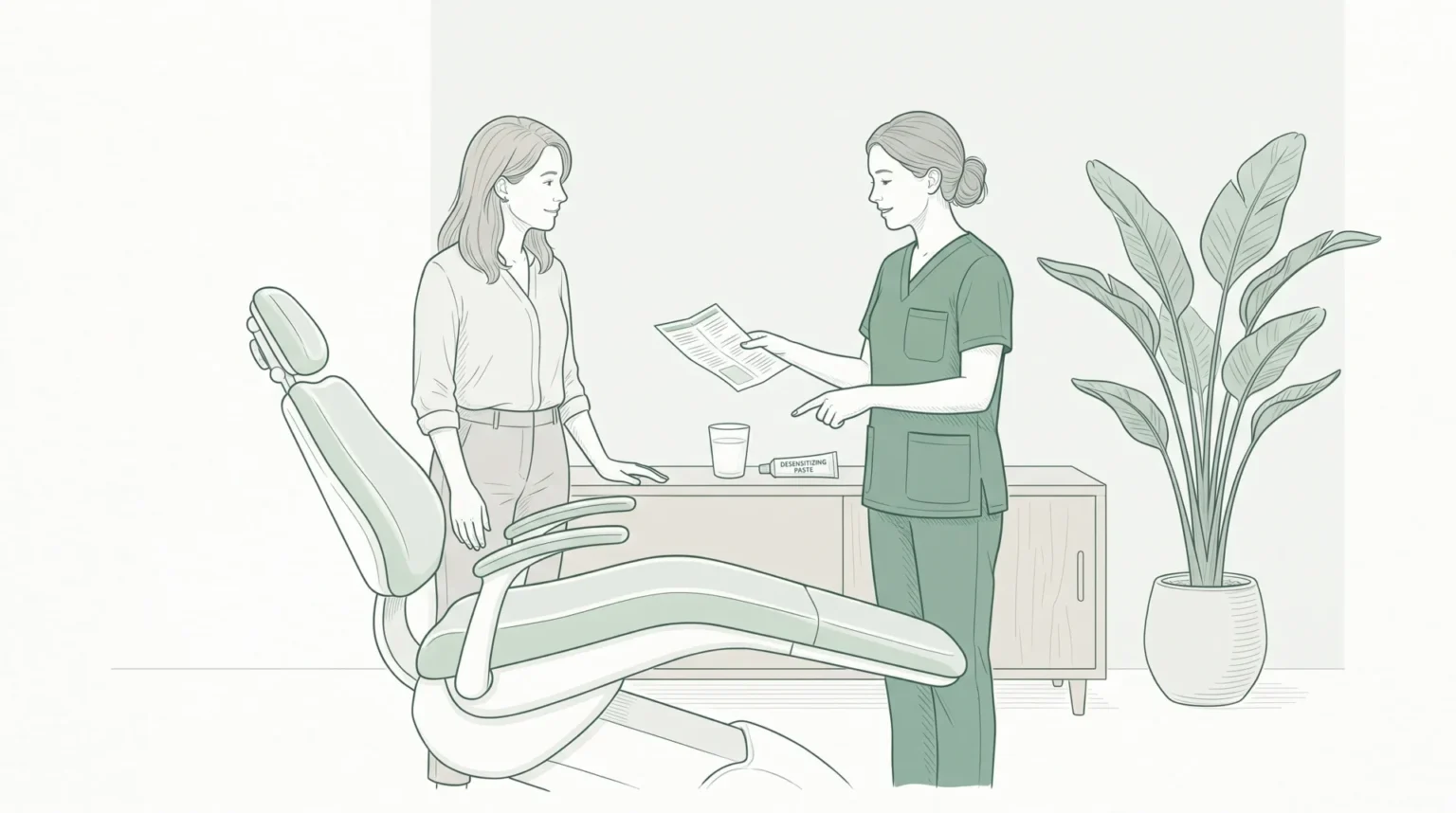
A professional whitening appointment can feel exciting, especially if you have an event coming up or you simply want your smile to look brighter in photos. It is also a dental procedure, not just a cosmetic purchase. The best results usually come from choosing a dental clinic for teeth whitening where your oral health, tooth colour and sensitivity risk are checked before any gel is applied.
This guide walks through what usually happens at a dental clinic teeth whitening visit, from the first conversation to aftercare. It is written for patients who want a realistic, calm preview of the appointment rather than a sales pitch or a promise of a particular shade.
Before your visit: what to do and what to tell the clinic
You do not need to do anything complicated before a whitening consultation. Brush and floss as usual, bring details of any dental treatment you have had recently and be ready to talk about what you want to change. A helpful goal might be wanting your teeth to look fresher, reducing tea or coffee staining or brightening your smile before a wedding or professional photos.
It is worth telling the clinic if you have:
- Sensitive teeth, gum recession or exposed roots
- Existing crowns, veneers, fillings or bonding on visible teeth
- A history of gum disease, cracked teeth or frequent decay
- Recent orthodontic treatment, such as Invisalign or braces
- A major event coming up, so timing can be planned sensibly
Whitening works on natural tooth structure. It does not change the colour of porcelain, composite filling material, crowns or veneers. If you have visible restorations, your dentist may recommend whitening first, then matching any future restorative work to the new shade. If your whitening sits within a wider cosmetic plan, it can help to understand where teeth whitening fits with treatments such as veneers, crowns or Invisalign.
The consultation: your dentist checks more than tooth colour
A good whitening visit usually starts with an oral health assessment. This is one of the main differences between professional whitening and buying a product without clinical advice. Your dentist is looking for anything that could make whitening uncomfortable, ineffective or poorly timed.
During this stage, the dentist may check for decay, leaking fillings, gum inflammation, enamel wear, cracks, recession and heavy plaque or calculus build-up. If whitening gel reaches decay, exposed dentine or irritated gums, it can cause unnecessary sensitivity. Sometimes the safest plan is to treat an underlying issue first, then whiten later.
The dentist will also look at the type of staining. Surface stains from coffee, tea, red wine or smoking may respond differently from internal discolouration caused by trauma, medication exposure or natural enamel variation. The Australian Dental Association explains that whitening is not suitable for every person or every type of discolouration, which is why assessment matters.
You may also have your starting shade recorded with a shade guide or clinical photos. This is not about guaranteeing a specific result. It gives you and your dentist a shared reference point, so any change can be discussed realistically.
Choosing the whitening approach
Not every whitening appointment follows the same format. Some patients want an in-chair appointment because they prefer the treatment to be completed at the clinic. Others are better suited to custom take-home trays, especially if they want a more gradual process or have a history of sensitivity. In some cases, the dentist may discuss a combination approach.
| Whitening option | What it usually involves | Who it may suit |
|---|---|---|
| In-chair whitening | Whitening gel is applied by a dental professional during a clinic visit, often in multiple short applications | Patients wanting a supervised appointment and a faster visible change |
| Take-home whitening | Custom trays and dentist-prescribed gel are used at home according to instructions | Patients who prefer gradual whitening or easier maintenance over time |
| Combination whitening | In-chair treatment is followed by take-home trays or a maintenance plan | Patients wanting an initial lift with a structured way to maintain brightness |
Your dentist should explain why one option is recommended for your teeth, not just which one is fastest. If you are comparing options, the clinic should discuss likely benefits, possible sensitivity, limits of whitening and aftercare. For a closer look at the in-chair process, you can read more about how in-chair teeth whitening works.
What happens during an in-chair whitening visit
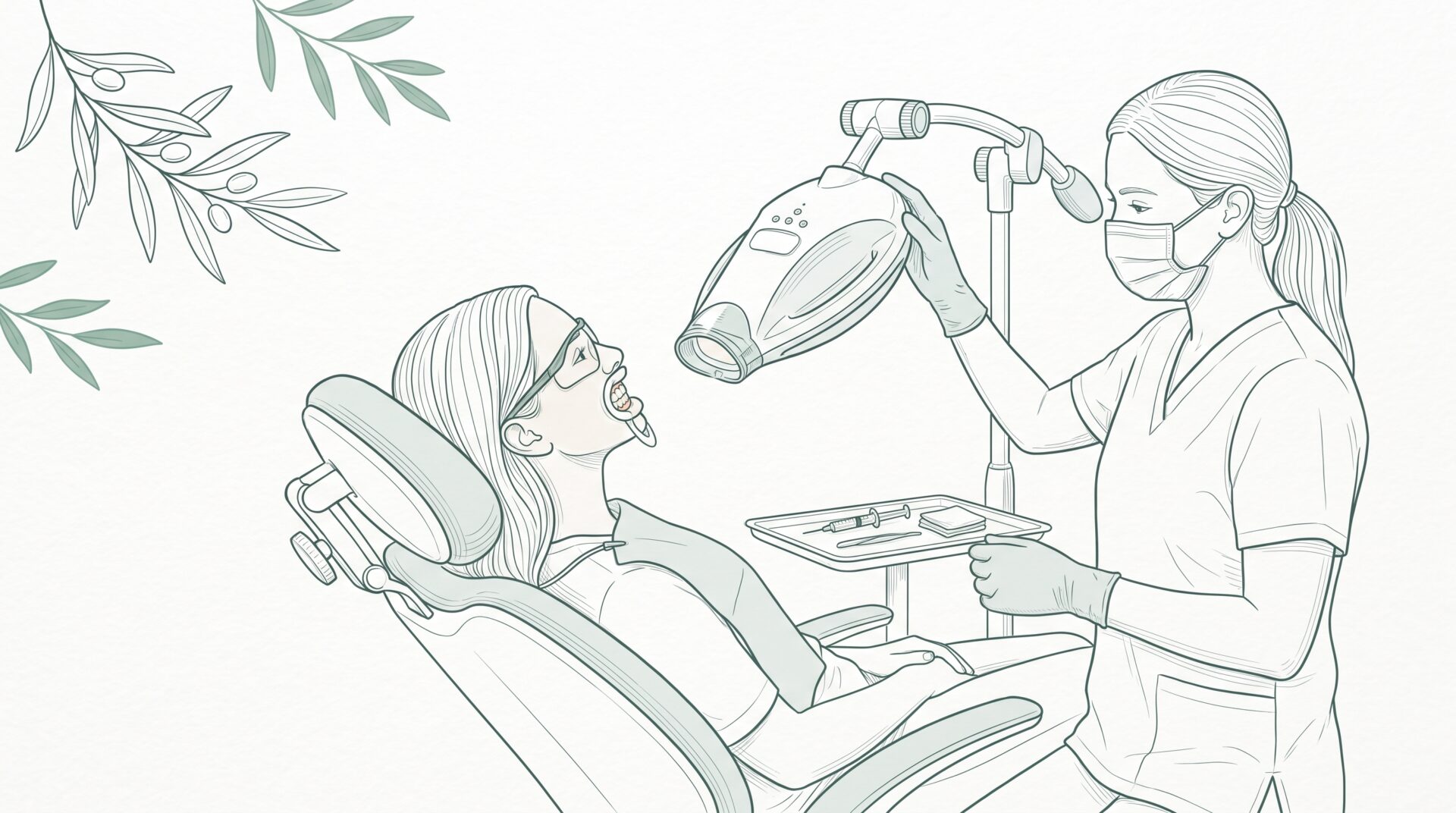
If you proceed with in-chair whitening on the day, the appointment usually begins with preparation. Your lips, cheeks and gums need to be protected so the whitening gel stays on the teeth rather than soft tissue. The dental professional may use cheek retractors, cotton rolls, suction and a protective gum barrier.
Once the teeth are isolated, the whitening gel is applied carefully to the visible tooth surfaces. Professional whitening gels are peroxide-based, and the exact product, strength and timing depend on the system used by the clinic and your suitability. Some systems use a light as part of the protocol, while others do not. The presence of a light is less important than proper assessment, isolation and monitoring.
The gel is usually left in place for a set period, removed and then reapplied in cycles. The dental team checks your comfort throughout. If you feel sharp sensitivity, burning on the gums or anything that feels wrong, you should raise your hand or tell the clinician straight away. Whitening should be supervised, not endured.
At the end, the gel and barriers are removed, your mouth is rinsed and your dentist may compare your shade again. Some clinics apply a desensitising product or provide instructions for managing short-term sensitivity at home.
What whitening feels like
Many people find the appointment easier than expected. You may feel cheek stretch from the retractor, cool air, mild tingling or brief zaps of sensitivity in individual teeth. These short sensitivity bursts are sometimes called zingers by patients, although the feeling varies from person to person.
Sensitivity is more likely if you already have gum recession, enamel wear, cracks or a history of sensitive teeth. This does not always rule out whitening, but it may change the plan. Your dentist might suggest a slower take-home approach, shorter application time or desensitising care before and after treatment.
You should not feel embarrassed about pausing. A quality dental clinic will prefer to adjust the appointment rather than push through avoidable discomfort.
Immediately after whitening: what you may notice
Teeth can look bright straight after whitening, partly because they may be temporarily dehydrated. As the teeth rehydrate over the next day or two, the shade can soften slightly. This is normal and does not mean the treatment has failed.
You may also notice mild patchiness at first, especially if some areas of enamel are naturally more opaque or if teeth had uneven staining. This often settles as hydration returns. If a particular tooth remains noticeably darker, your dentist may need to investigate other causes, such as previous trauma or internal discolouration.
For the first 24 to 48 hours, many dentists recommend limiting strong staining foods and drinks. Coffee, tea, red wine, dark sauces and smoking can contribute to restaining, especially while you are trying to stabilise the result. For more practical aftercare ideas, see this guide on how to maintain a white smile after teeth whitening.
Sensitivity after your visit
Temporary sensitivity is one of the most common side effects of professional whitening. It often improves within a few days. Your dentist may recommend a desensitising toothpaste, avoiding very cold drinks for a short period and holding off on additional whitening until symptoms settle.
Contact the clinic if sensitivity is severe, lasts longer than expected or feels like a deep toothache rather than a brief temperature response. Whitening can reveal an underlying dental issue that needs attention. If discomfort feels urgent, this article on what to do about urgent tooth sensitivity after whitening explains when to stop whitening and seek advice.
What a good dental clinic should explain clearly
A whitening visit should leave you with a clear understanding of your options, not pressure to make a quick cosmetic decision. Before treatment, you should know what type of whitening is being recommended, how long it may take, what side effects are possible and what results are realistic for your teeth.
The clinic should also be transparent about fees and any follow-up needs. If cost affects your decision, ask about available payment plans before starting. You can also ask whether a professional clean is recommended first, since plaque and surface build-up can interfere with how evenly whitening is assessed.
Most importantly, be cautious of guaranteed shade claims. Whitening outcomes vary because tooth structure, stain type, age, enamel thickness, habits and previous dental work all play a role. A responsible clinic will help you understand the likely range of improvement without promising a specific cosmetic outcome.
Questions to ask at your whitening visit
If you are unsure what to ask, these questions can help you get practical answers:
- Are my teeth and gums healthy enough for whitening today?
- Which stains do you expect to respond well, and which may not?
- Will my fillings, crowns, veneers or bonding still match afterwards?
- Am I more suited to in-chair whitening, take-home trays or a combination plan?
- What should I do if I experience sensitivity?
- How can I maintain the result safely over time?
These questions also help you compare dental clinics more fairly. The cheapest or fastest whitening option is not always the best match if it skips assessment, aftercare or discussion of existing dental work.
Frequently Asked Questions
How long does a dental clinic teeth whitening visit take? Many in-chair whitening visits take around 60 to 90 minutes, although timing varies by clinic, whitening system and whether you also need an examination, cleaning or consultation.
Will teeth whitening hurt? Some patients feel little to no discomfort, while others notice temporary sensitivity during or after treatment. Tell your dentist if you already have sensitive teeth so the whitening plan can be adjusted.
Can I whiten my teeth if I have crowns or veneers? You can whiten natural teeth, but whitening gel will not lighten crowns, veneers, fillings or bonding. Your dentist can help plan the order of whitening and any cosmetic dental work so colours are managed carefully.
How white will my teeth get? Results vary. Natural tooth colour, stain type, enamel thickness, age and lifestyle habits all affect the outcome. A dentist can give you a realistic expectation after examining your teeth.
Do I need a clean before teeth whitening? Not always, but a clean may be recommended if plaque, calculus or surface staining is present. Clean teeth allow the dentist to assess colour more accurately and may help whitening look more even.
Ready to discuss professional whitening?
If you are considering teeth whitening in East Melbourne, a consultation is the safest way to find out whether whitening suits your teeth, goals and timing. East Melbourne Dental Group offers professional teeth whitening as part of general and cosmetic dentistry, with free cosmetic consultations and payment plans available.
You can book with East Melbourne Dental Group to talk through your options and get personalised advice before starting treatment.
Disclaimer
The information provided on this website is for general informational and educational purposes only. It is not intended to replace professional dental advice, diagnosis or treatment. Dental needs and treatment outcomes vary between individuals. Always seek advice from a qualified dental practitioner regarding your specific circumstances before making decisions about your oral health or treatment. A consultation and clinical assessment are required to determine which treatment options may be suitable for you. All dental procedures carry potential risks and benefits, which will be discussed with you before treatment.