
8 September 2026 | Cosmetic Dentistry, Dental Fees & Financing, Invisalign

Cosmetic dental treatment has become more accessible in Australia, but it is still healthcare, not a simple retail purchase. The best results usually come from a careful diagnosis, realistic planning and a dentist who prioritises oral health before appearance.
If you are exploring cosmetic dentistry Australia wide, you will see everything from whitening promotions to full smile makeover marketing. The challenge is knowing what is clinically appropriate, what is optional and what questions to ask before you commit.
This guide explains the essentials: common treatments, regulation, safety, costs, consent, advertising standards and how to choose a provider with confidence.
What cosmetic dentistry means in Australia
Cosmetic dentistry refers to dental treatment that aims to improve the appearance of the teeth, gums or smile. It may involve colour, alignment, shape, spacing, tooth proportions or the replacement of missing teeth.
In practice, cosmetic and general dentistry often overlap. A crown may improve the look of a tooth, but it may also protect a cracked or heavily restored tooth. Clear aligners may make teeth straighter, but they can also make cleaning easier when crowding is reduced. Dental implants may restore smile confidence, but their primary role is to replace missing teeth and support chewing function.
One key point: “cosmetic dentistry” is not a recognised dental specialty in Australia in the same way orthodontics or periodontics are. Dentists can provide cosmetic procedures if they are appropriately trained, experienced and working within their professional scope. You can check whether a practitioner is registered through the AHPRA public register.
Common cosmetic dental treatments
The right option depends on the cause of the concern. Staining, crowding, worn edges and missing teeth all need different solutions, so a proper examination comes before any treatment plan.
| Treatment | Often used for | What to know before treatment |
|---|---|---|
| Professional teeth whitening | Yellowing or external staining | Works on natural tooth enamel, not crowns, fillings or veneers |
| Composite bonding | Small chips, minor gaps or uneven edges | Usually more conservative than veneers, but can stain or chip over time |
| Porcelain veneers | Changes to tooth colour, shape or proportions | May involve enamel preparation and requires long-term maintenance |
| Crowns | Heavily restored, cracked or structurally weakened teeth | More protective than purely cosmetic options when tooth strength is compromised |
| Clear aligners, including Invisalign | Mild to moderate crowding, spacing or bite concerns | Requires assessment of bite, gum health and compliance with wearing aligners |
| Dental implants | Replacing missing teeth | Requires healthy bone and gums, planning scans and a staged treatment process |
| Gum contouring | Uneven gum line or excessive gum display in selected cases | Suitability depends on gum thickness, tooth anatomy and smile dynamics |
For many patients, treatment is staged. For example, a dentist may recommend whitening before replacing an old front filling so the new restoration can be matched to the brighter shade. In other cases, alignment may come before veneers so less enamel needs to be removed.
Oral health comes first
A cosmetic result will only be stable if the underlying teeth and gums are healthy. Decay, gum disease, enamel erosion, grinding, untreated infection or an unstable bite can affect both safety and longevity.
Before cosmetic treatment, your dentist may recommend:
- A comprehensive examination of teeth, gums and bite
- Dental X-rays or scans where clinically needed
- Cleaning and periodontal care if there is gum inflammation
- Replacement of failing fillings or treatment of decay
- A discussion about grinding, clenching or tooth wear
This can feel slower than booking a quick aesthetic procedure, but it protects you from paying for work that may fail prematurely. If you want a broader overview of how dental care works locally, East Melbourne Dental Group has a helpful guide to dental care in Australia that explains routine, urgent and preventive treatment in more detail.
What happens at a cosmetic dental consultation
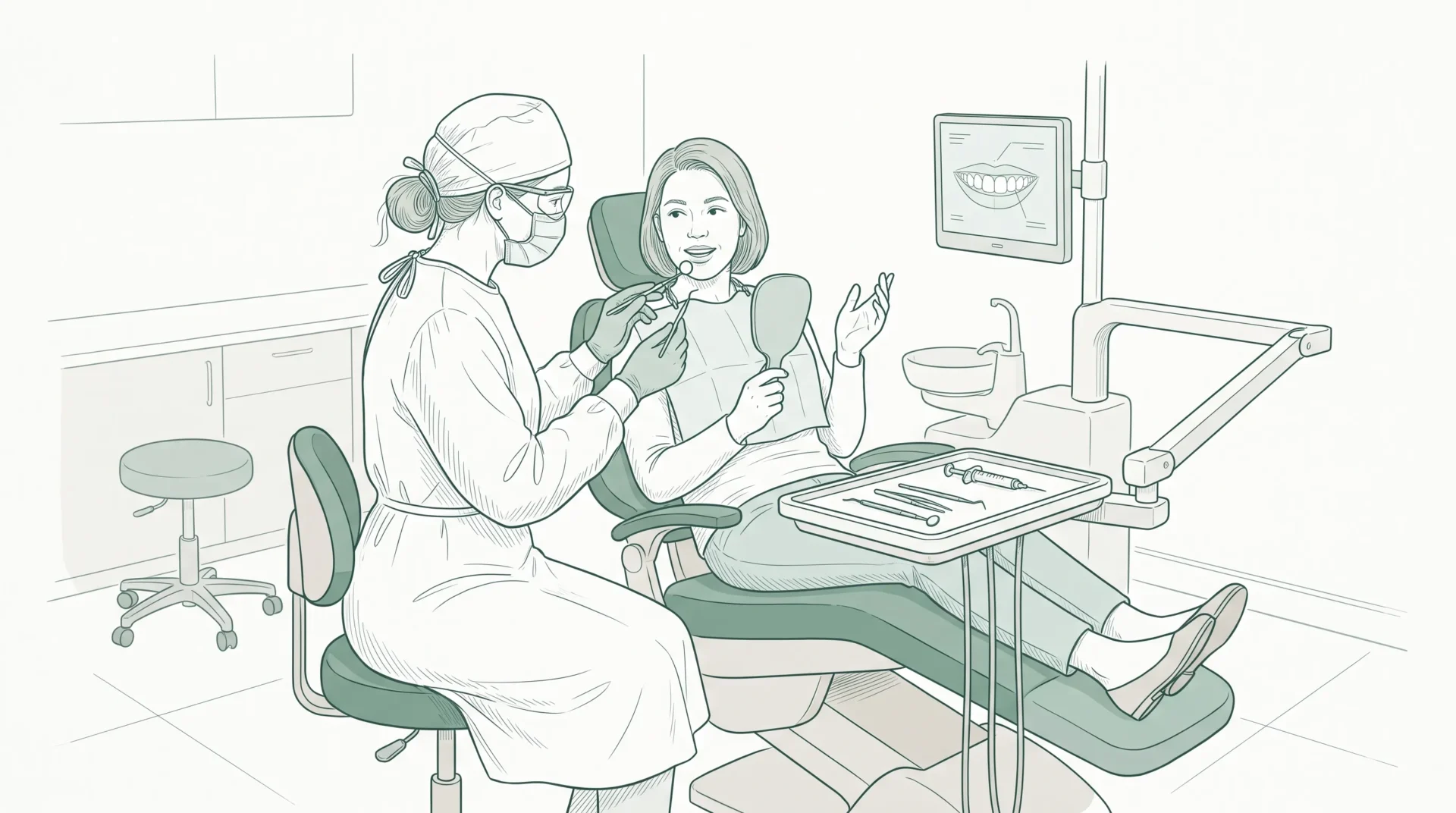
A consultation is not just a quote. It is where your dentist works out what is possible, what is advisable and what trade-offs are involved.
| Consultation stage | What usually happens | Why it matters |
|---|---|---|
| Smile discussion | You explain what you like, dislike and want to change | Helps separate personal goals from assumptions about a “perfect” smile |
| Clinical assessment | Dentist checks teeth, gums, bite, restorations and oral health | Identifies risks that may affect suitability or timing |
| Records | Photos, X-rays, scans or impressions may be taken if needed | Supports diagnosis, planning and communication |
| Options | Dentist explains suitable treatments and alternatives | Helps you compare conservative and more involved choices |
| Quote and consent | You receive fees, timeframes, risks and maintenance information | Allows informed consent before starting treatment |
A good dentist will also tell you when a requested treatment is not in your best interests. For example, veneers may not be the first choice if teeth can be whitened and minimally bonded, or if untreated grinding would place the restorations at high risk.
Costs, payment plans and health fund rebates
The cost of cosmetic dentistry varies because treatment plans vary. A single whitening appointment is very different from orthodontic treatment, multiple veneers or implant-supported restorations. Fees may reflect diagnostics, chair time, materials, laboratory work, planning software, clinician experience and follow-up appointments.
Private health insurance may contribute to some dental items, particularly where treatment has a restorative or functional component, but purely cosmetic procedures are often limited or excluded. Medicare generally does not cover adult cosmetic dental treatment, although some public and government-supported programs exist for eligible groups and are usually focused on essential care rather than aesthetics.
Payment plans can make staged treatment easier to manage, but they should never replace clear understanding of the full cost, repayment terms and clinical risks. If you are comparing fees, ask what is included in the quote, whether reviews are covered and what future maintenance may cost. For local detail, see this guide to cosmetic dentistry costs in Melbourne.
How to think about risks and longevity
Every dental treatment has limitations. Whitening can cause temporary sensitivity and results vary depending on the type of staining. Bonding is conservative and repairable, but it may need polishing, repair or replacement. Veneers and crowns can look highly natural, but they are irreversible once tooth structure is prepared. Aligners require patient compliance and retainers afterwards. Implants have high success rates in suitable patients, but they still require healthy gums, maintenance and careful planning.
A responsible consultation should cover:
- Expected lifespan and maintenance
- Possible sensitivity or discomfort
- The chance of repair, replacement or retreatment
- How the treatment affects natural tooth structure
- Alternatives, including doing nothing
This is where informed consent matters. You should feel you have enough time and information to decide, without pressure or surprise fees.
Choosing the right cosmetic dentist
Choosing a cosmetic dentist is partly about technical skill, but it is also about communication. You want someone who listens to your goals, explains limitations clearly and considers long-term oral health rather than simply selling the most dramatic transformation.
When comparing cosmetic dentistry Australia providers, look for a dentist who can show evidence of planning, continuing education and experience with the type of treatment you are considering. Ask how they assess bite, gum health and tooth structure. Ask who performs each stage of care and whether any laboratory work is done locally or externally.
A consultation should include more than one pathway where appropriate. For example, a patient concerned about short, worn front teeth may need discussion about grinding, bonding, veneers, crowns or orthodontics depending on the diagnosis. If every patient appears to be offered the same solution, that is a reason to slow down.
If you are based in Melbourne, this article on how to choose a cosmetic dentist in East Melbourne gives a more local checklist for assessing experience, communication and treatment planning.
Natural-looking results are usually the goal
Trends in cosmetic dentistry have moved away from one-size-fits-all brightness. Many patients now ask for results that look fresh but still believable. Tooth shape, translucency, facial proportions, gum display and age all influence what looks natural.
Shade is only one part of smile design. A very bright shade can look harmonious for one person and artificial for another. Similarly, perfectly symmetrical teeth may not suit every face. Good cosmetic planning considers how the teeth look when speaking, smiling and at rest.
This is why mock-ups, digital planning, photos and shade discussions can be useful. They help align expectations before irreversible treatment begins.
Frequently asked questions
Is cosmetic dentistry safe in Australia? Cosmetic dentistry can be safe when performed by a registered dental practitioner after a proper examination, diagnosis and consent process. Safety depends on suitability, oral health, treatment planning and follow-up care.
Is cosmetic dentistry covered by Medicare? Medicare does not usually cover adult cosmetic dental treatment. Some government programs support eligible patients for essential dental care, but cosmetic procedures are generally paid privately.
Does private health insurance cover cosmetic dentistry? It depends on your policy and the treatment item numbers. Some restorative treatments may attract rebates, while purely cosmetic procedures may not. Ask your dentist for item numbers before checking with your health fund.
Are veneers better than bonding? Neither is automatically better. Bonding is often more conservative and useful for small changes, while porcelain veneers may be suitable for more significant changes to colour, shape or proportions. Suitability depends on your teeth, bite, goals and budget.
How do I know if Invisalign or veneers are right for me? If your main concern is tooth position, clear aligners may be considered. If your concern is tooth shape, colour or surface defects, veneers or bonding may be discussed. Many cases need a combination, so a clinical assessment is the best starting point.
What should I ask before starting cosmetic dental treatment? Ask about risks, alternatives, expected longevity, maintenance, total fees, health fund item numbers, what happens if something chips or needs repair and whether a more conservative option is available.
Taking the next step
Cosmetic dentistry Australia patients are best served by clear information, realistic expectations and a treatment plan built around oral health first. A confident smile should not come at the expense of tooth structure, gum health or informed consent.
If you are considering whitening, Invisalign, veneers, crowns, implants or a broader smile consultation, East Melbourne Dental Group offers general and cosmetic dental care in East Melbourne, with payment plans available and free cosmetic consultations for suitable patients. You can book through East Melbourne Dental Group to discuss your goals with a dental team and understand your options before making a decision.
Disclaimer
The information provided on this website is for general informational and educational purposes only. It is not intended to replace professional dental advice, diagnosis or treatment. Dental needs and treatment outcomes vary between individuals. Always seek advice from a qualified dental practitioner regarding your specific circumstances before making decisions about your oral health or treatment. A consultation and clinical assessment are required to determine which treatment options may be suitable for you. All dental procedures carry potential risks and benefits, which will be discussed with you before treatment.