
22 October 2026 | Dental Fees & Financing, General Dentistry, Oral Health
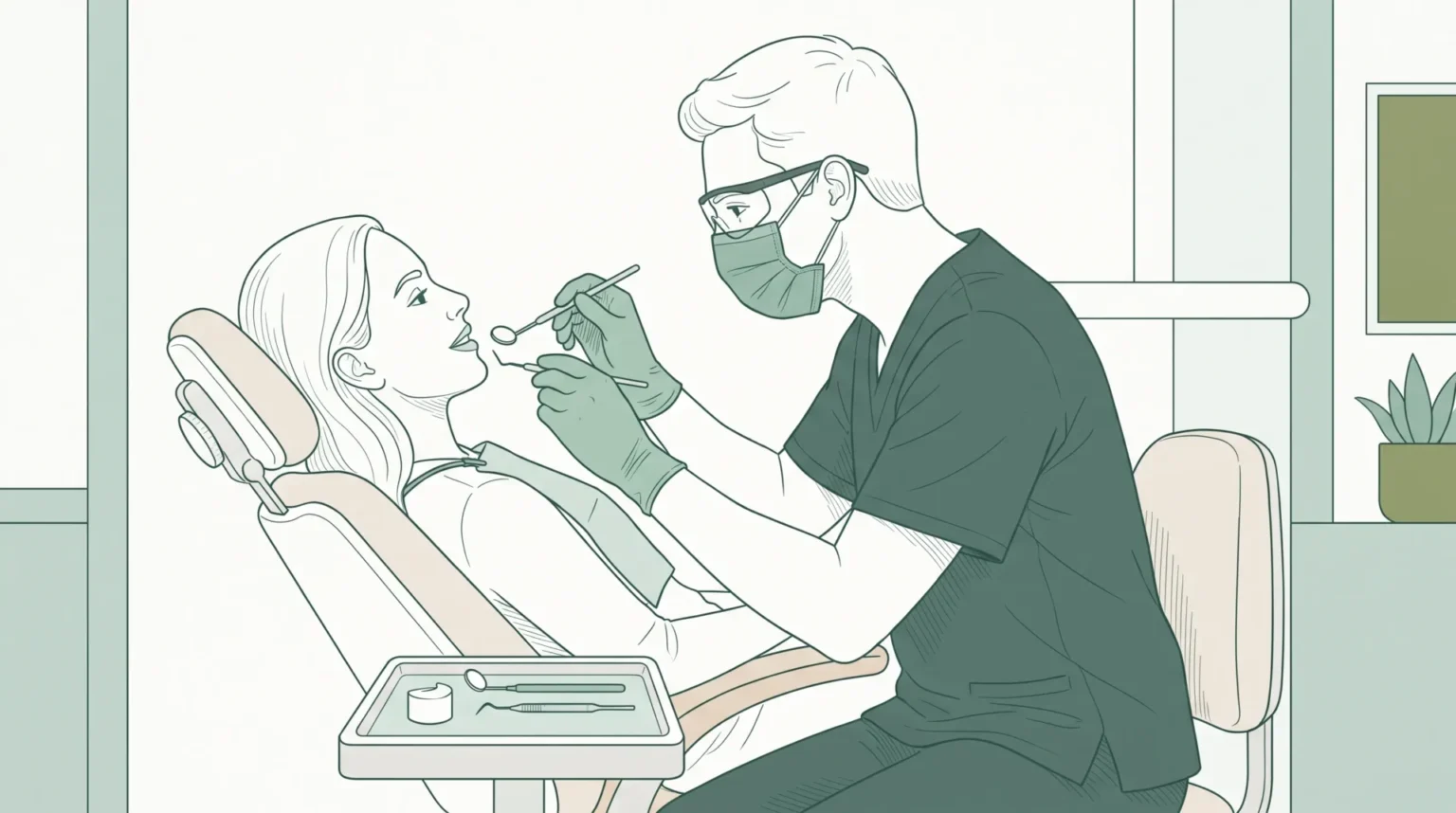
Searching for a “top rated dental clinic near me” gives you a shortlist, but it does not show you how a practice makes clinical decisions. Star ratings cannot tell you whether a dentist will explain an unexpected finding, discuss a less invasive option or help you understand what happens if treatment does not go to plan.
The useful differences become visible throughout your care: how the team assesses a problem, explains your choices, manages discomfort and follows up afterwards. Here is what those differences look like in practice, so you can recognise them without needing a dental qualification.
They establish the problem before recommending the procedure
A thorough appointment starts with your concerns, symptoms and medical history, rather than a list of treatments to sell. Your dentist should ask about medicines, allergies and relevant health conditions, as these can affect treatment decisions.
The examination then helps distinguish what needs attention now from what can be monitored. X-rays or other investigations may be recommended when clinically justified, with an explanation of what information they will provide.
For example, a tooth that hurts when biting does not automatically need a crown or extraction. The dentist may need to assess the tooth, surrounding gum and bite before discussing suitable options. Sometimes the diagnosis remains uncertain and needs further assessment or referral.
When comparing results for “top rated dental clinic near me”, look for a consultation that connects each recommendation to a specific finding. A clear explanation might be: “This area has changed since your previous X-ray, which is why I recommend treating it now.” That is more useful than simply being told a procedure is necessary.
They make consent a conversation, not just a signature
A treatment plan should help you decide, not merely record that you agreed. You should understand the proposed treatment, its likely benefits, material risks and reasonable alternatives, including the implications of delaying or declining care.
This matters when there is more than one clinically suitable approach. A repair, replacement restoration and crown may involve different costs, amounts of tooth preparation and maintenance needs. Not every option will suit every tooth, and the dentist should explain why.
Good communication also leaves room for uncertainty. No restoration lasts forever, and an examination cannot predict every complication. A responsible explanation separates what the dentist knows from what may only become clear during treatment.
You should have an opportunity to ask questions and, where the situation allows, time to consider your decision. If an unexpected finding changes the proposed procedure or fee, the team should explain the change and seek appropriate consent before proceeding. Pressure to agree immediately is not a substitute for a clinical reason to act promptly.
What a “top rated dental clinic near me” search cannot tell you about fees
An advertised price rarely explains the whole appointment. A check-up may be priced separately from cleaning, X-rays or other services, so ask what the estimate includes before comparing clinics.
For more involved care, request a written treatment plan showing the proposed stages and fees. It should also explain where costs could change, such as when further assessment is needed before a final treatment decision can be made.
Health fund rebates depend on your policy, annual limits and other conditions. An estimate of your rebate is not the same as a guarantee from your insurer. Likewise, payment plans spread payments but do not necessarily reduce the total cost; check applicable fees and terms.
Our guide to comparing a dental cleaning offer explains why checking inclusions matters more than comparing headline prices alone.
A “top rated dental clinic near me” search becomes more useful when you compare clearly explained fees for comparable care, rather than assuming the cheapest or most expensive option is best.
They treat safety as a routine, not a selling point
Clean surroundings are reassuring, but many important safety processes happen out of sight. These include instrument reprocessing, hand hygiene, appropriate protective equipment and maintaining accurate clinical records.
You can ask how reusable instruments are cleaned and sterilised, or how the team updates your medical information. You do not need to audit the practice yourself, but questions about safety should receive a straightforward response.
For a basic professional check, use the Ahpra register of practitioners to confirm your treating practitioner's registration and review any published conditions or undertakings. Registration is an essential check, not proof that one dentist is better than another.
Scope of practice matters too. A dentist should recognise when a case needs additional expertise and explain a referral where appropriate. Offering many procedures does not mean every procedure is suitable for every patient.
When investigating a “top rated dental clinic near me”, pay attention to these ordinary safeguards rather than treating modern décor or impressive equipment as evidence of clinical quality.
They plan for anxiety before treatment begins
Dental anxiety is easier to address when it is discussed before you are in the chair. Tell the team whether your concern involves injections, pain, previous experiences, sensory discomfort or feeling unable to stop the procedure.
Useful adjustments may include agreeing on a stop signal, explaining each stage beforehand and allowing breaks where practical. The dentist should also explain the proposed pain-control approach and check your comfort during treatment.
Sedation or sleep dentistry may be appropriate for some people, but suitability requires assessment. Different approaches have different risks, preparation requirements and recovery restrictions. Ask exactly what is being proposed, who will provide it and whether you will need an escort afterwards.
Comfort does not mean promising a completely pain-free experience. It means taking your concerns seriously, setting realistic expectations and having a plan if you need a pause or additional support.

They explain what happens after you leave
The quality of care is also visible in the handover after treatment. You should know what sensations may be expected, how to care for the treated area and which changes need a call to the practice.
Advice should relate to your procedure rather than rely on a generic instruction sheet alone. After an extraction, for example, your instructions will differ from those given after a filling or a new crown. Ask about eating, cleaning, medicines and returning to your usual activities where relevant.
A clear follow-up plan identifies whether a review is needed and how to seek advice between appointments. Persistent or worsening symptoms deserve reassessment rather than an assumption that everything will settle.
If your “top rated dental clinic near me” search leads to ongoing treatment, ask how the team manages reviews and unexpected concerns. Continuity matters because the clinician assessing a new symptom benefits from knowing what was done and why.
Preventive follow-up should also reflect your individual risk and treatment needs, rather than treating every patient as though they need the same schedule.
Look for observable actions at your first appointment
You do not need to judge a dentist's technical work yourself. Instead, notice whether the appointment gives you enough information to make a considered decision.
| Stage of care | A useful sign | A question you can ask |
|---|---|---|
| Assessment | Recommendations are linked to findings | “Can you show me what you found?” |
| Planning | Urgent and non-urgent needs are distinguished | “What needs attention first?” |
| Consent | Alternatives and relevant risks are explained | “What are my other suitable options?” |
| Costs | Inclusions and possible changes are clear | “What could change this estimate?” |
| Aftercare | Recovery advice and contact arrangements are explained | “When should I contact you?” |
Reviews can help you build a shortlist, but they cannot verify a diagnosis or establish whether treatment is appropriate. Our article on reading dentist reviews beyond star ratings explores that distinction in more detail.
Frequently asked questions
Does a high star rating mean a dentist provides better clinical care? Not necessarily. Reviews describe individual experiences and may tell you about communication or appointment organisation, but they do not independently assess clinical outcomes. Use a “top rated dental clinic near me” search as a starting point, then check registration and assess how clearly the dentist explains your care.
What is the average cost of a dental check-up? There is no single Australia-wide fee that reliably predicts your bill. Costs depend on the practice and services provided. Ask whether the quoted amount includes the examination, cleaning and any clinically indicated X-rays, then confirm your likely health fund rebate separately.
Can I ask for a second opinion? Yes. A second opinion can be helpful before extensive, irreversible or costly treatment, particularly if you do not understand the recommendation. Ask for copies of relevant records and X-rays to support the assessment. Another clinician may still need further investigations.
Should I wait for a highly reviewed clinic if I have urgent symptoms? Do not delay urgent assessment solely to secure a preferred practice. Contact a dentist promptly for severe pain, swelling or a knocked-out adult tooth. Difficulty breathing or swallowing, or rapidly spreading facial swelling, requires immediate emergency medical care; call 000.
Start with a conversation about your needs
At East Melbourne Dental Group, you can enquire about general and cosmetic dentistry, emergency dental care, children's dentistry and sleep dentistry. Payment plans and free cosmetic consultations are also available; ask about eligibility, inclusions and any applicable terms when booking.
Bring your concerns, relevant medical information and questions to your appointment. A useful first conversation should leave you clearer about your oral health, your options and the next step, without making you feel committed before you understand the recommendation.
Disclaimer
The information provided on this website is for general informational and educational purposes only. It is not intended to replace professional dental advice, diagnosis or treatment. Dental needs and treatment outcomes vary between individuals. Always seek advice from a qualified dental practitioner regarding your specific circumstances before making decisions about your oral health or treatment. A consultation and clinical assessment are required to determine which treatment options may be suitable for you. All dental procedures carry potential risks and benefits, which will be discussed with you before treatment.