
7 October 2026 | General Dentistry, Melbourne Dentist, Preventative Dentistry
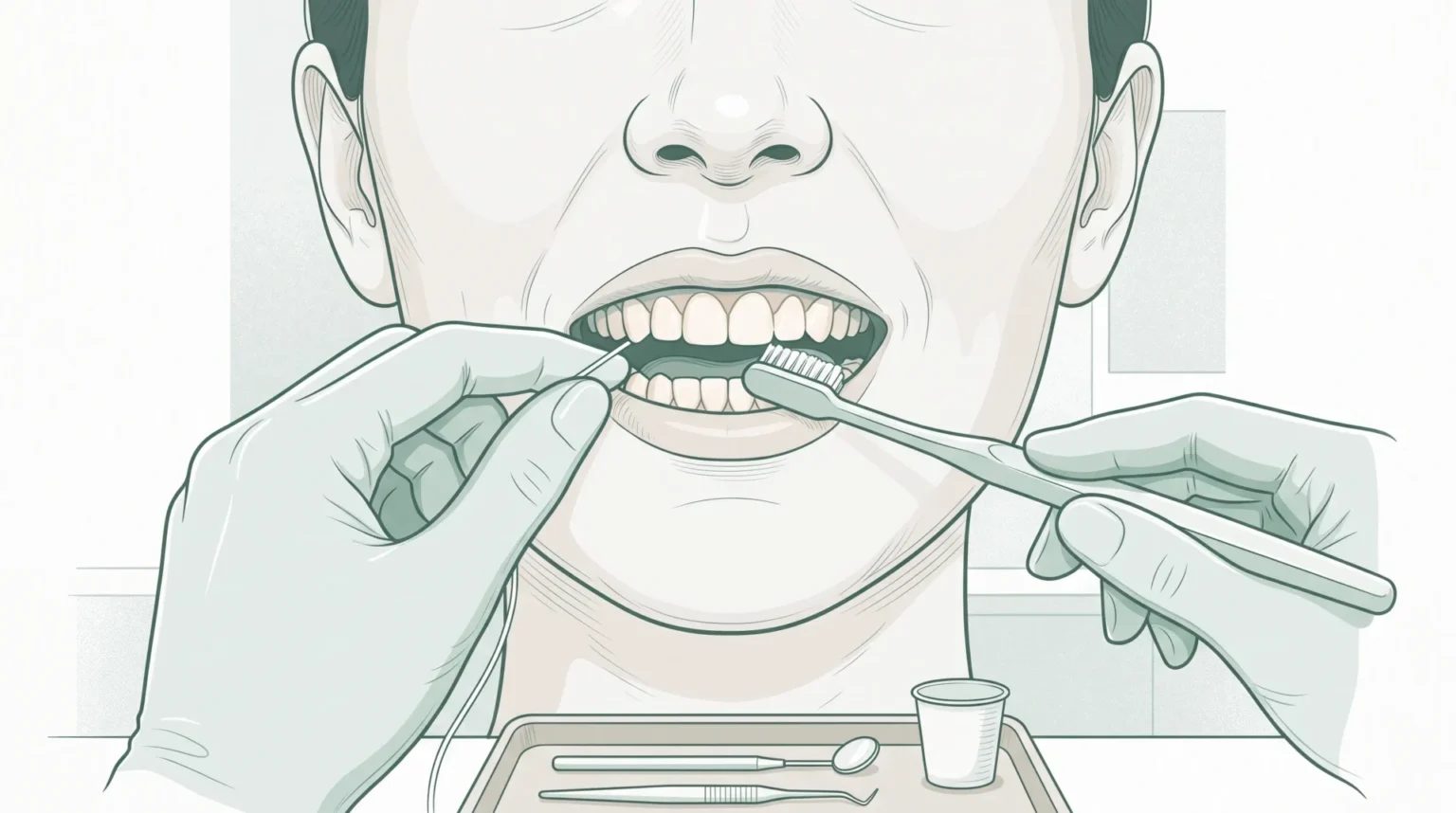
For a healthy smile Melbourne locals can feel confident about, the work between check-ups matters as much as the appointment itself. A dentist can remove hardened tartar, assess gums and detect early issues, but your daily habits decide how much plaque, staining and wear build up in the months between visits.
Melbourne life can be hard on teeth in ordinary ways. Coffee on the commute, sparkling water at your desk, after-work wine, sports on weekends and rushed brushing before bed all add up. The good news is that protecting your smile is usually less about complicated routines and more about doing the basics consistently, with a few smarter choices for your lifestyle.
A smile Melbourne patients can protect daily
Dental check-ups are preventive, not just problem-solving. During a routine visit, your dentist or oral health therapist can check for tooth decay, gum inflammation, cracks, oral soft tissue changes and plaque deposits you cannot safely remove at home. Between those visits, your goal is to keep plaque disruption, fluoride exposure and gum care steady.
The Australian Dental Association recommends brushing twice a day with fluoride toothpaste and cleaning between teeth daily. That sounds simple, but technique makes the difference. A quick scrub across the front teeth will not clean the gumline, back molars or tight spaces where food and plaque sit.
If you are unsure how often you should attend, ask at your next appointment. Six-monthly check-ups are common, but some people need more frequent care due to gum disease risk, orthodontic appliances, dry mouth, a history of decay, smoking or complex restorative work.
Brush with technique, not pressure
A healthier smile Melbourne patients can maintain at home starts with gentle, thorough brushing. Use a soft-bristled toothbrush or an electric brush with a pressure sensor if you tend to scrub. Hold the bristles at a slight angle toward the gumline, move slowly and spend time on the inside surfaces of the lower front teeth, where tartar commonly forms.
Brushing harder does not clean better. It can contribute to gum recession and tooth sensitivity, especially if combined with abrasive toothpaste. If your toothbrush bristles splay quickly, you are likely using too much force.
Spit after brushing, but avoid rinsing heavily with water straight away. Leaving a thin layer of fluoride on the teeth gives it more time to support enamel. If you use mouthwash, ask your dentist whether it suits your mouth and when to use it, as some products are better used at a different time from brushing.
Clean between teeth before problems start
Toothbrushes cannot reach every contact point between teeth. Floss, interdental brushes or water flossers can help disrupt plaque where cavities and gum inflammation often begin. The best tool is the one you can use correctly and consistently.
Interdental brushes can be especially useful for larger spaces, around bridges, near implants and under some orthodontic retainers. Floss may suit tighter contacts. If floss snaps, shreds or catches in the same spot, book an assessment rather than ignoring it, as there may be a rough filling edge, calculus deposit or cavity.
Bleeding when you clean between teeth is common when gums are inflamed, but it should not be dismissed. If bleeding continues after a week or two of gentle daily cleaning, arrange a dental review.
Watch what you sip, snack and chew
Diet affects a smile Melbourne residents want to keep bright and comfortable, especially when sugar or acid exposure is frequent. The frequency of exposure matters more than a single treat. Sipping a sweet drink over two hours gives mouth bacteria repeated fuel, while acidic drinks can soften enamel temporarily.
Coffee, tea and red wine can stain surface enamel. Soft drinks, sports drinks, kombucha, lemon water and some sparkling drinks can be acidic. You do not need to give up everything you enjoy, but timing and habits matter.
| Habit | Why it helps | Simple adjustment |
|---|---|---|
| Drink water after coffee or wine | Helps rinse staining compounds and acids | Keep a water bottle at your desk or table |
| Limit grazing | Reduces repeated acid attacks | Group snacks with meals where practical |
| Use a straw for acidic drinks | Reduces contact with front teeth | Avoid swishing drinks around your mouth |
| Wait before brushing after acidic drinks | Gives enamel time to reharden | Rinse with water first, then brush later |
| Choose tooth-friendly snacks | Supports saliva and reduces sugar frequency | Try cheese, nuts or plain yoghurt if suitable |
Victoria's Better Health Channel notes that fluoride helps protect teeth against decay. If you drink tap water in Melbourne, you are also getting regular fluoride exposure, which can support enamel alongside brushing with fluoride toothpaste.
Protect cosmetic dental work between visits
Whitening, veneers, crowns, bonding and aligner treatment all need maintenance. Cosmetic dentistry is still dentistry, which means gum health, bite forces and hygiene influence how long results look and feel their best.
If you have had whitening, avoid harsh whitening trends such as abrasive charcoal powders or unregulated gels. They may irritate gums or roughen enamel, making staining more noticeable over time. For practical aftercare, this guide on how to maintain a white smile after teeth whitening explains what can help after professional treatment.
For veneers and crowns, avoid using teeth as tools to tear packets or open bottles. If you grind or clench, talk to your dentist about whether a night guard is appropriate. People with clear aligners or retainers should clean them as instructed and avoid hot water, which can distort plastic.
Do not wait for your next check-up if symptoms appear
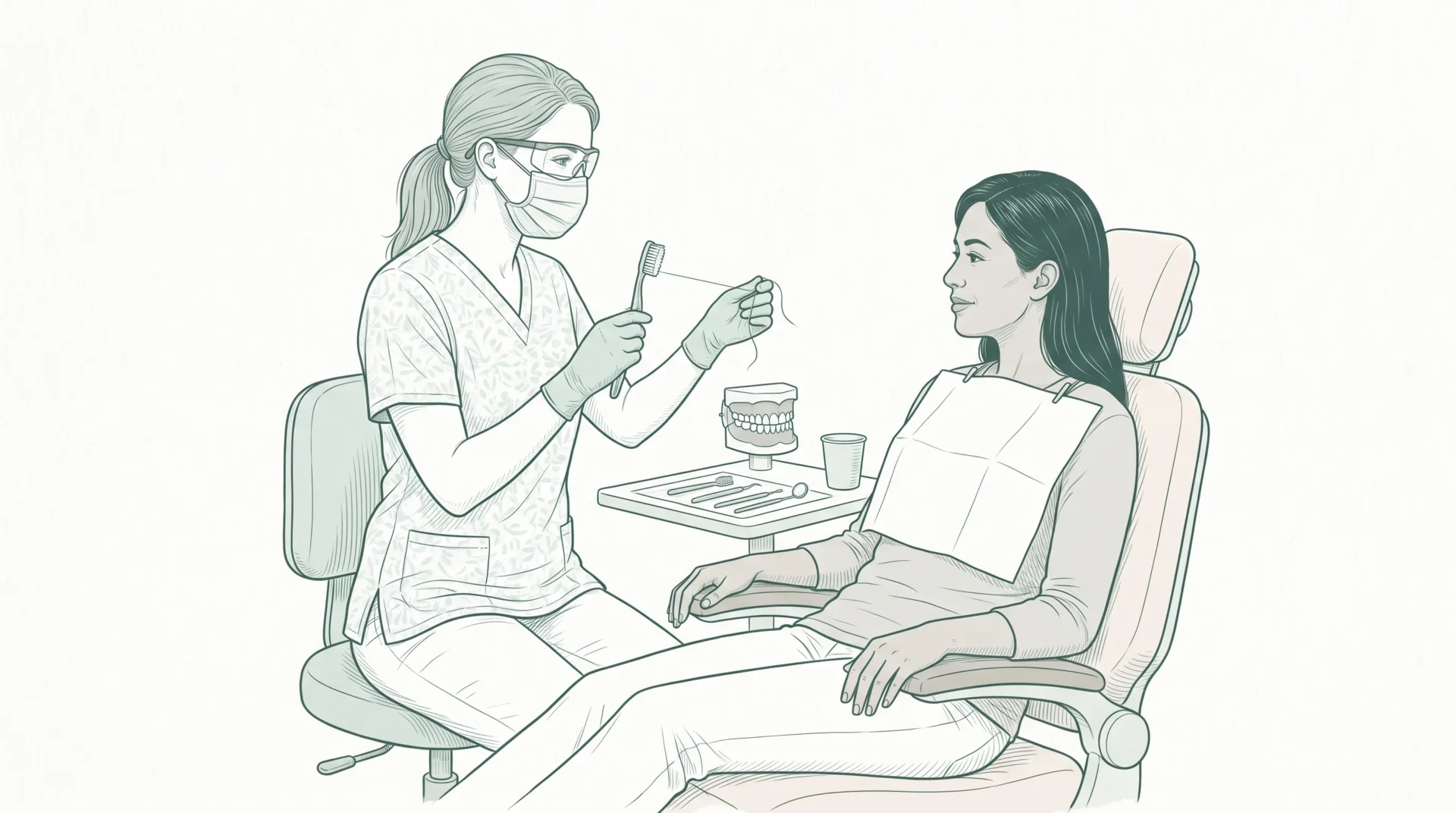
Protecting a smile Melbourne patients rely on for work, family and social life sometimes means booking earlier than planned. Dental problems are often easier to manage when assessed promptly. Pain that comes and goes can still indicate decay, cracks or inflammation. Gum bleeding may signal gingivitis or periodontal disease.
Seek advice before your scheduled check-up if you notice:
- Toothache, swelling or a pimple-like bump on the gum
- A broken tooth, lost filling or loose crown
- Sensitivity that lingers after cold, heat or sweetness
- Bleeding gums that persist despite gentle daily cleaning
- Bad breath that does not improve with hygiene changes
- Jaw pain, clicking with discomfort or signs of clenching
- Mouth ulcers or patches that do not heal within two weeks
If symptoms are urgent, contact a dental practice for guidance. East Melbourne Dental Group provides emergency dental care, and severe facial swelling, fever or difficulty breathing should be treated as urgent medical concerns.
Fit dental care into a busy Melbourne routine
Good oral care is easier when it is attached to habits you already have. Keep floss or interdental brushes somewhere visible, not hidden in a drawer. If you commute early, brush before leaving but keep sugar-free gum at work to stimulate saliva after lunch. If you play contact sport, ask your dentist about a custom mouthguard rather than relying on a loose over-the-counter option.
A practical smile Melbourne routine could look like this: brush for two minutes in the morning, drink water after staining or acidic drinks, clean between teeth before your evening brush and book care promptly if something changes. That is enough structure for most people without turning oral health into a second job.
Parents can use the same principle with children. Make brushing predictable, supervise technique and keep dental visits positive. If your child is anxious, mention it when booking so the dental team can plan a calmer appointment.
Know what your check-up is doing for you
Professional cleaning removes tartar that home care cannot shift. Your dentist can also identify early wear, gum pocketing, decay beneath old restorations, bite issues and signs that a cosmetic or restorative treatment needs maintenance.
If you are comparing preventive visits, it helps to understand what may be included. This guide to teeth cleaning costs in Melbourne explains common parts of an appointment, including examination, scale and clean, fluoride and X-rays when clinically needed.
Patients who have not attended for a while should not feel embarrassed. Dentists see a wide range of mouths every day. The useful starting point is an honest conversation about symptoms, medical history, previous dental experiences, budget and what you want to improve.
Frequently asked questions
How often should I have a dental check-up? Many people attend every six months, but your ideal interval depends on your oral health, gum condition, decay risk, medical history and any dental work you have. Your dentist can recommend a schedule after assessing your mouth.
Is flossing really necessary if I brush well? Brushing is essential, but it does not clean all the spaces between teeth. Floss, interdental brushes or other between-teeth cleaners help reduce plaque in areas where gum inflammation and decay commonly start.
Can I protect my teeth if I drink coffee every day? Yes. Coffee can contribute to staining, but rinsing with water, keeping up daily brushing, limiting sugar and attending regular cleans can help. If staining bothers you, ask your dentist about safe whitening options.
What should I do if my gums bleed? Bleeding gums often indicate inflammation. Clean gently but consistently along the gumline and between teeth, then book a dental review if bleeding persists, is heavy or is accompanied by swelling, pain or bad breath.
When is dental pain an emergency? Severe toothache, facial swelling, trauma, a knocked-out adult tooth, uncontrolled bleeding or signs of infection need prompt advice. If swelling affects breathing or swallowing, seek urgent medical care.
Keep your smile on track between visits
A strong smile Melbourne routine is built from small daily choices: fluoride toothpaste, gentle brushing, between-teeth cleaning, water after staining drinks, mouthguard protection where needed and early action when symptoms appear. Check-ups then become a way to maintain momentum rather than catch up on avoidable problems.
If it is time for a routine examination, you have a dental concern or you would like advice about cosmetic options such as whitening, Invisalign, veneers, crowns or implants, East Melbourne Dental Group can help you plan care that suits your oral health. You can book with an East Melbourne dentist online or call the clinic to arrange an appointment.
Disclaimer
The information provided on this website is for general informational and educational purposes only. It is not intended to replace professional dental advice, diagnosis or treatment. Dental needs and treatment outcomes vary between individuals. Always seek advice from a qualified dental practitioner regarding your specific circumstances before making decisions about your oral health or treatment. A consultation and clinical assessment are required to determine which treatment options may be suitable for you. All dental procedures carry potential risks and benefits, which will be discussed with you before treatment.