
7 October 2026 | Cosmetic Dentistry, Teeth Cleaning, Tooth Decay
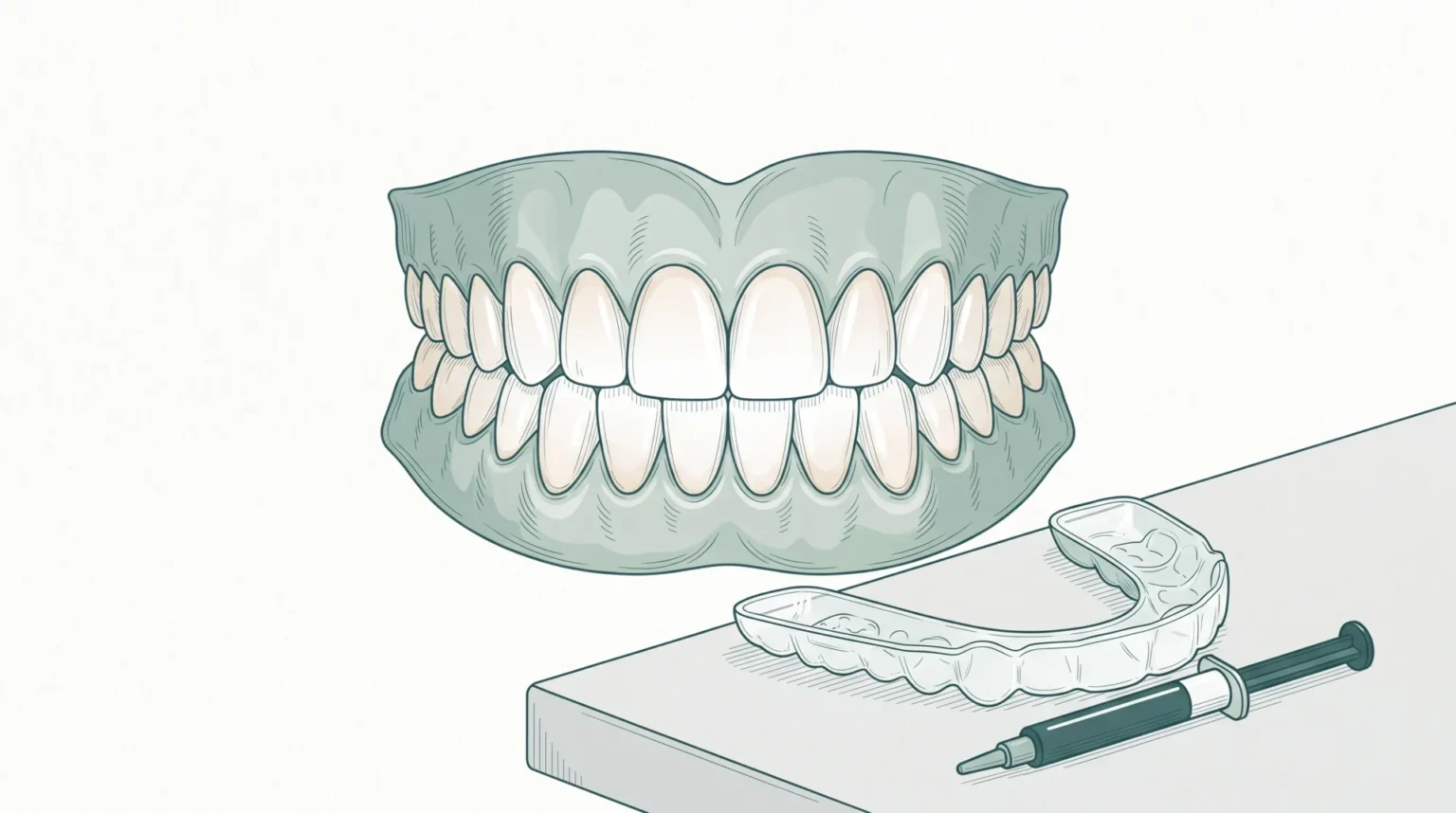
If you have typed teeth whitening treatment near me into Google, you are probably trying to work out two things: how soon your smile can look brighter and how much chair time you need to set aside. The honest answer is that professional whitening can take anywhere from a single appointment to a couple of weeks, depending on the whitening system, your starting shade, sensitivity level and oral health.
For most adults, in-chair whitening is the quickest option, while custom take-home trays usually take longer but give more gradual control. The full timeline also includes your consultation, shade assessment and any dental treatment needed before whitening can begin.
The short answer: one visit to two weeks
Professional whitening is not one fixed appointment length. It is a treatment plan, and the total time depends on whether you choose in-chair whitening, take-home whitening or a combination approach.
| Whitening option | Typical appointment time | Typical total whitening period | Best suited to |
|---|---|---|---|
| In-chair whitening | About 60 to 90 minutes | Often completed in one visit | People wanting faster visible brightening |
| Custom take-home trays | Consultation plus tray fitting | Usually 1 to 2 weeks of home applications | People wanting gradual whitening with control |
| Combination whitening | In-chair visit plus home top-ups | Often 1 to 3 weeks overall | People wanting an initial lift with ongoing refinement |
| Whitening after a dental clean or treatment | Varies | May need extra appointments first | People with plaque, decay, gum inflammation or old restorations |
Appointment times can vary between clinics and patients. A proper whitening plan should include time to check the health of your teeth and gums, discuss realistic expectations and confirm whether existing fillings, veneers or crowns will affect the final colour match.
Before booking teeth whitening treatment near me, know what affects timing
The fastest advertised option is not always the fastest real-world pathway. Your dentist first needs to confirm that whitening is suitable for your mouth. This is especially relevant if you have sensitivity, gum recession, enamel wear, untreated decay or recent dental work.
Your oral health comes first
A patient comparing teeth whitening treatment near me should allow time for an oral health assessment before choosing a whitening method. Whitening gel can aggravate sensitive areas if decay, cracks or exposed root surfaces are present, so treatment may need to be delayed until those issues are managed.
A dental clean may also be recommended before whitening. This does not whiten the internal colour of teeth, but it can remove surface plaque and staining so the whitening gel contacts the tooth surface more evenly.
Your type of staining matters
Yellow-toned stains from age, coffee, tea and some foods often respond more predictably than grey, brown or developmental discolouration. Teeth affected by trauma, certain medications or internal staining may need a different cosmetic plan.
Restorations also matter. Whitening gels only change natural tooth structure, not porcelain veneers, crowns, composite bonding or tooth-coloured fillings. If those restorations sit in your smile line, your dentist may recommend whitening first, then matching future restorative work to the new shade.
How long in-chair teeth whitening takes
In-chair whitening is usually the shortest active treatment. Many appointments take around 60 to 90 minutes, although the exact time depends on the product system used, the number of whitening cycles and how your teeth respond during the visit.
The appointment usually starts with a shade check and gum protection. Whitening gel is then applied to the teeth in controlled cycles. Your dentist monitors the process and may adjust the treatment if sensitivity develops. If you want a step-by-step overview of the appointment itself, this guide to what to expect at a dental clinic teeth whitening visit explains the patient experience in more detail.
For someone choosing teeth whitening treatment near me because of a wedding, interview, graduation or work event, in-chair whitening is often the most time-efficient option to discuss. Even so, it is better not to book it at the last minute. Sensitivity, shade settling and aftercare all need a little room in your schedule.
You can also learn more about the clinical process in this article on how in-chair teeth whitening works.
How long custom take-home whitening takes
Custom take-home whitening usually takes longer overall, but it can be easier to fit around work, family and social commitments. The process begins with a consultation and impressions or scans for trays. Once your custom trays are ready, your dentist provides whitening gel and instructions for how long to wear them.
Depending on the gel and your dentist’s recommendation, wear time might range from short daily sessions to overnight use. Many people complete their main whitening phase in about 1 to 2 weeks. Some need less time if they are only refreshing a previous result, while others need longer for deeper staining or a more gradual approach due to sensitivity.
Take-home whitening is not the same as buying generic whitening products from a shelf. Custom trays help keep gel where it belongs and reduce unnecessary contact with the gums. The Australian Dental Association’s patient information on teeth whitening also emphasises the value of dental advice before whitening, particularly where there are existing dental conditions.
Can you speed up whitening safely?
It is understandable to want the quickest route to a brighter smile, but whitening should not be rushed by overusing gel, extending wear times or combining multiple products without dental advice. More gel or longer exposure does not guarantee a better result. It can increase the chance of sensitivity, gum irritation and uneven whitening.
If timing is tight, tell your dentist exactly when you need your smile to look its best. When patients ask for teeth whitening treatment near me with a short deadline, a dentist can explain whether in-chair whitening, take-home trays or a staged approach is more appropriate.
The fastest option may still require a preliminary appointment. For example, if you need a clean, have untreated decay or are planning new veneers or crowns, whitening may need to be timed around those steps. Rushing ahead without checking these factors can create colour-matching problems later.
Planning whitening before an event
If you are whitening before a major event, give yourself more time than the advertised appointment length. Teeth can look slightly different in the first few days after whitening as they rehydrate and settle. Some patients also prefer a short buffer in case they experience temporary sensitivity.
| Event timing | Practical whitening plan |
|---|---|
| Tomorrow or in 2 days | Ask a dentist what is realistic, but avoid experimenting with strong products at home |
| 1 week away | In-chair whitening may be possible if your teeth and gums are suitable |
| 2 to 3 weeks away | In-chair, take-home or combination options may be considered |
| 1 to 3 months away | Best timing for whitening as part of a wider cosmetic dentistry plan |
If you are comparing teeth whitening treatment near me for an upcoming event, mention the date when you book. This helps the dental team schedule any assessment, cleaning, whitening and follow-up advice in the right order.
For patients planning whitening alongside Invisalign, veneers or crowns, timing becomes more important. Whitening is often done before matching new restorations, because porcelain and composite materials will not whiten later.
What happens after whitening, and does it add time?
After whitening, the active treatment may be finished, but your aftercare can influence how long the result lasts. Many dentists advise being mindful of strongly coloured foods and drinks for the first 24 to 48 hours, especially coffee, red wine, dark sauces and deeply coloured spices.
Temporary sensitivity can occur after professional whitening. This usually settles, but you should contact your dentist if pain is severe, persistent or one tooth feels sharply different from the others. Sensitivity can also affect whether you continue take-home whitening every day or move to a slower schedule.
Long-term maintenance is usually simple: good brushing, regular dental cleans and occasional top-ups if your dentist recommends them. This guide to maintaining a white smile after teeth whitening covers the habits that help protect your result.
Frequently Asked Questions
Can teeth whitening be done in one appointment? Yes, in-chair whitening is often completed in one appointment, commonly around 60 to 90 minutes. You may still need a separate check-up or clean first, depending on your oral health.
How long do take-home whitening trays take to work? Many patients notice changes within several days, with the main whitening phase often taking about 1 to 2 weeks. Your dentist will set the wear time based on the gel, your teeth and sensitivity risk.
Should I whiten my teeth the day before an event? It is better to allow at least several days, and often longer. This gives time for shade settling, sensitivity management and any aftercare instructions.
Does professional whitening work on crowns or veneers? No. Whitening gel changes natural tooth structure, not porcelain, ceramic or composite restorations. If you have visible restorations, your dentist can help plan the sequence.
How do I choose teeth whitening treatment near me? Look for a dental assessment first, a clear explanation of in-chair versus take-home options and realistic advice about sensitivity, restorations and timing.
Planning your whitening appointment in East Melbourne
If you want a brighter smile and need to know how long treatment will take for your teeth, the most useful next step is a dental consultation. East Melbourne Dental Group offers professional teeth whitening as part of its cosmetic dentistry services, with free cosmetic consultations and payment plans available.
You can book with East Melbourne Dental Group to discuss your whitening goals, timing and suitability before choosing the right option for your smile.
Disclaimer
The information provided on this website is for general informational and educational purposes only. It is not intended to replace professional dental advice, diagnosis or treatment. Dental needs and treatment outcomes vary between individuals. Always seek advice from a qualified dental practitioner regarding your specific circumstances before making decisions about your oral health or treatment. A consultation and clinical assessment are required to determine which treatment options may be suitable for you. All dental procedures carry potential risks and benefits, which will be discussed with you before treatment.