15 September 2026 | General Dentistry, Preventative Dentistry, Teeth Cleaning

If you are searching for the best dentist for cleaning teeth, start by looking for a clinic that treats a clean as a preventive health appointment, not just a quick polish. A good dental clean should assess your gums, remove plaque and tartar safely, help you understand your home care and identify issues before they become more complex.
Choosing well matters because professional teeth cleaning sits at the centre of long-term oral health. It can support fresher breath, healthier gums and a smoother tooth surface, but the value of the visit depends on the clinician’s skill, the clinic’s standards and whether the advice is tailored to your mouth.
What the best dentist for cleaning teeth should offer
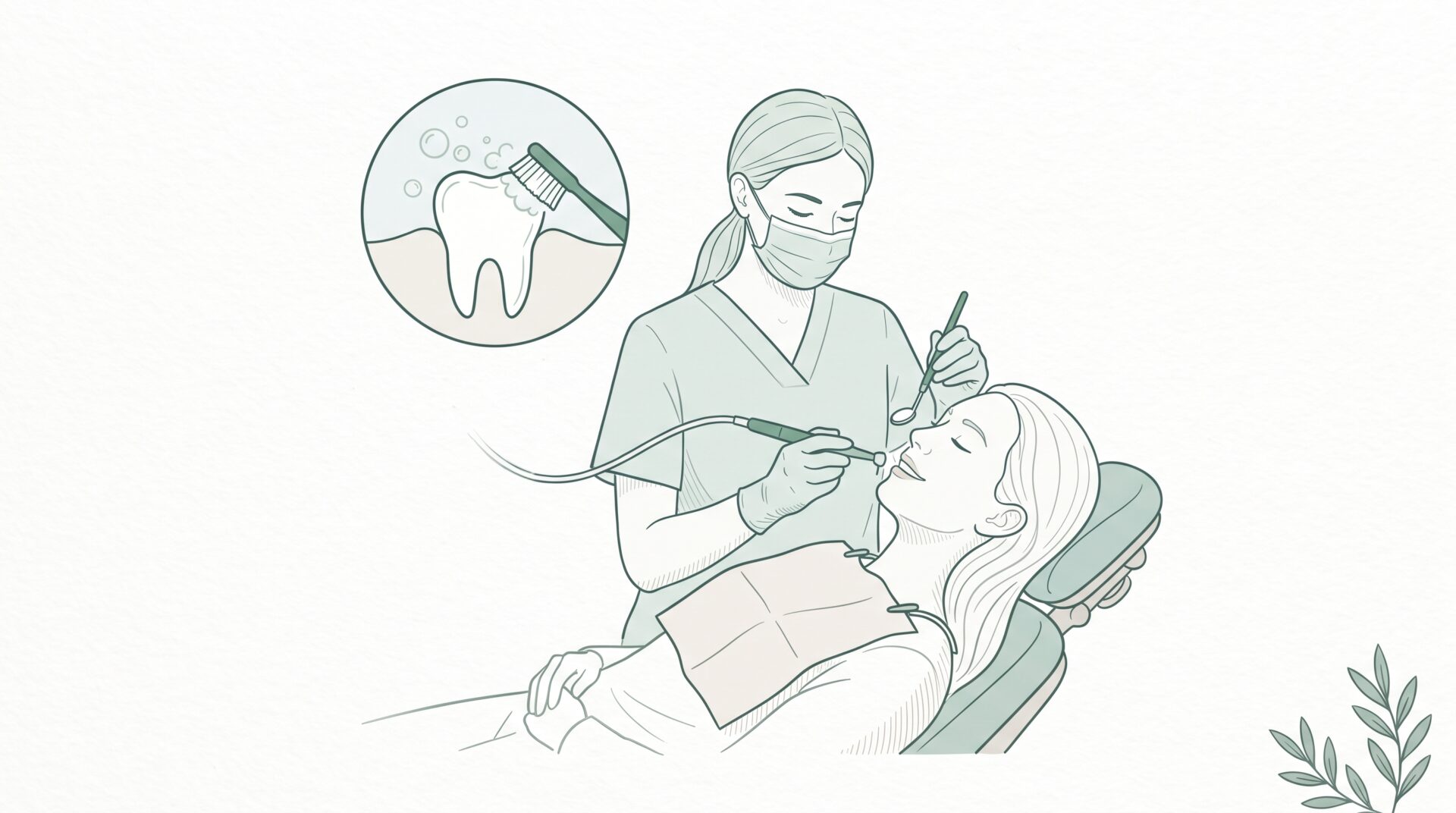
The best dentist for cleaning teeth should offer more than a surface clean. In most preventive appointments, the dental team will review your medical history, check your teeth and gums, assess plaque and calculus buildup, clean above and around the gumline and discuss what to improve at home.
In Australia, your clean may be provided by a dentist, dental hygienist or oral health therapist, depending on the clinic and your needs. What matters is that the provider is appropriately qualified, works within their scope and has access to a dentist when a diagnosis or further treatment planning is needed.
A thorough clean should feel systematic. The clinician should explain what they are doing, check whether you have sensitivity, use appropriate instruments and avoid making claims that every patient will get the same result. Teeth cleaning is preventive care, not a cosmetic guarantee.
Check registration, qualifications and clinical standards
Before choosing a clinic, confirm that the dentist is registered with the Dental Board of Australia. You can use the AHPRA public register to check a practitioner’s registration status. This is a simple step, especially if you are new to an area or comparing clinics online.
Registration alone does not tell you everything, but it gives you a reliable baseline. From there, look for signs of good clinical governance: clear consent processes, infection control protocols, transparent communication and a willingness to explain why a procedure is recommended.
If a clinic presents itself as the best dentist for cleaning teeth, judge that claim through evidence you can actually observe. Do they ask about gum bleeding, medications, dry mouth, past dental anxiety and previous periodontal treatment? Do they explain findings in plain English? These details say more than a slogan.
Look for a clean that is tailored to your gum health
Not every patient needs the same type of cleaning appointment. Someone with low plaque levels and healthy gums may need a routine scale and polish, while someone with gum disease may need periodontal assessment, deeper cleaning or ongoing maintenance at shorter intervals.
A careful clinician will check for signs such as bleeding gums, gum recession, pocketing, calculus below the gumline and mobility. Dental X-rays may be recommended when clinically justified, for example to check bone levels, decay between teeth or other concerns that cannot be seen directly.
Cost is also easier to understand when you know what the appointment includes. If you want to compare fees fairly, this guide to teeth cleaning costs in Melbourne explains common inclusions such as an examination, scale and polish, fluoride and possible X-rays.
Compare communication, comfort and chairside manner
The best dentist for cleaning teeth is often the one who helps you feel informed and comfortable enough to keep attending regularly. A technically competent clean is important, but so is communication before, during and after the appointment.
For many people, teeth cleaning can feel uncomfortable because of sensitivity, gum inflammation or previous unpleasant experiences. A good clinician checks in, adapts where possible and explains options such as topical desensitising products, pauses during treatment or a more gradual approach for anxious patients.
You should also leave with practical advice that relates to your mouth. Generic reminders to brush and floss are less useful than specific guidance, such as improving cleaning behind lower front teeth, changing interdental brush size or managing plaque around retainers, implants, crowns or bridges.
Questions to ask before booking
A short phone call or online enquiry can tell you a lot about a clinic. The goal is not to interrogate the receptionist, but to understand whether the practice is organised, transparent and suitable for your needs.
| Question to ask | Why it matters |
|---|---|
| Who will perform the clean? | Helps you understand whether you will see a dentist, hygienist or oral health therapist. |
| Is an examination included? | A clean without an oral health assessment may miss decay, gum disease or other concerns. |
| Are X-rays always taken? | X-rays should be recommended based on clinical need, not used automatically for everyone. |
| What is included in the quoted fee? | Prevents confusion about examination, scale and polish, fluoride or additional treatment. |
| Can you support nervous patients? | Indicates whether the clinic can adapt care for anxiety, sensitivity or previous bad experiences. |
These questions also help you separate genuine preventive care from a rushed appointment. If you are trying to find the best dentist for cleaning teeth, clear answers are a strong sign that the clinic respects patient consent and expectations.
Read reviews for patterns, not perfection
Reviews can be useful, but star ratings alone are too blunt. A five-star review about a friendly reception team does not necessarily tell you whether the clean was thorough. A lower rating may relate to parking, appointment delays or insurance confusion rather than clinical care.
Look for recurring themes across recent reviews. Useful comments may mention gentle treatment, clear explanations, transparent fees, good care for nervous patients, punctuality and whether the clinician took time to answer questions. Be cautious if many reviews mention feeling rushed, pressured or unclear about costs.
If you are relying on word of mouth, ask targeted questions rather than simply asking whether someone liked the clinic. This article on getting a useful recommendation for a dentist can help you frame the conversation around your own needs. For online feedback, it is also worth learning how to read dentist reviews beyond star ratings.
Consider convenience without making it the only factor
Convenience affects whether you actually attend. A clinic close to home, work, school or public transport can make preventive care easier to maintain, particularly if you need regular periodontal maintenance or appointments for multiple family members.
Still, convenience should not outweigh clinical suitability. The best dentist for cleaning teeth should be accessible, but also careful, communicative and appropriate for your oral health history. A slightly longer trip may be worthwhile if the clinic understands your needs, especially if you have gum disease, dental implants, orthodontic retainers, significant sensitivity or dental anxiety.
For families, consider whether the clinic can care for children and adults in one place. Children’s dental cleans require a gentle approach, age-appropriate explanations and a focus on building confidence rather than simply completing the appointment quickly.
Watch for red flags when choosing a dentist for a clean
Some signs should prompt caution. Be wary of clinics that advertise a very low price without explaining what is included, guarantee specific cosmetic results from cleaning alone or pressure you into unrelated treatment before assessing your oral health.
A good dental team should be willing to explain why a recommendation is being made. For example, if a deeper gum clean, X-ray or fluoride treatment is suggested, you should understand the reason, the expected benefit, possible risks and whether there are alternatives.
Other red flags include unclear qualifications, poor infection control impressions, dismissive responses to discomfort and a lack of written treatment information for more involved care. If something feels rushed or confusing, it is reasonable to pause and ask for clarification.
How often should you have your teeth professionally cleaned?
There is no single schedule that suits everyone. Many adults are advised to attend regular check-ups and cleans, often around six-monthly, but your ideal interval depends on your gum health, decay risk, medical history, smoking status, dry mouth, orthodontic appliances and how quickly tartar builds up.
Patients with periodontal disease may need maintenance more frequently. Others with excellent oral health may be advised differently by their dentist. The best dentist for cleaning teeth will base the recall interval on your risk profile rather than a one-size-fits-all rule.
If it has been a long time since your last clean, do not let that stop you from booking. Dental teams see patients at every stage, and a prevention-focused appointment can help you re-establish a realistic routine.
Frequently Asked Questions
Is a dentist better than a hygienist for teeth cleaning? Not necessarily. Dentists, dental hygienists and oral health therapists can all play roles in preventive care, depending on their qualifications and scope. The right provider depends on your oral health needs and whether you also require diagnosis or treatment planning from a dentist.
Does professional teeth cleaning whiten teeth? A scale and polish can remove surface stains and make teeth look cleaner, but it is not the same as whitening treatment. If your goal is a lighter tooth shade, you should first have your oral health checked and then discuss suitable whitening options.
Should teeth cleaning hurt? Teeth cleaning may feel sensitive if you have inflamed gums, exposed dentine or heavy tartar buildup, but it should not feel unbearable. Tell the clinician if you are uncomfortable so they can pause, adjust technique or discuss ways to manage sensitivity.
How do I know if I need a deep clean? A deep clean is usually considered when there are signs of gum disease, such as deeper periodontal pockets, bleeding, bone loss or calculus below the gumline. Your dentist should explain the diagnosis and why routine cleaning may not be enough.
What should I do before my cleaning appointment? Bring your medical history, medication list, health fund details if relevant and any questions about bleeding gums, bad breath, sensitivity or dental anxiety. You do not need to over-clean beforehand, but brushing and flossing as usual is helpful.
Book a professional teeth cleaning in East Melbourne
Finding the best dentist for cleaning teeth comes down to registration, thorough assessment, clear communication, comfort and a preventive approach that suits your mouth. The right clinic should help you understand your oral health, not just polish your teeth and send you home.
If you are due for a check-up and clean, East Melbourne Dental Group offers general dental care for patients in and around East Melbourne. You can contact the clinic or book online with East Melbourne Dental Group to arrange an appointment and discuss your needs.
Disclaimer
The information provided on this website is for general informational and educational purposes only. It is not intended to replace professional dental advice, diagnosis or treatment. Dental needs and treatment outcomes vary between individuals. Always seek advice from a qualified dental practitioner regarding your specific circumstances before making decisions about your oral health or treatment. A consultation and clinical assessment are required to determine which treatment options may be suitable for you. All dental procedures carry potential risks and benefits, which will be discussed with you before treatment.