
3 September 2026 | Cosmetic Dentistry, Dental Fees & Financing, Tooth Decay
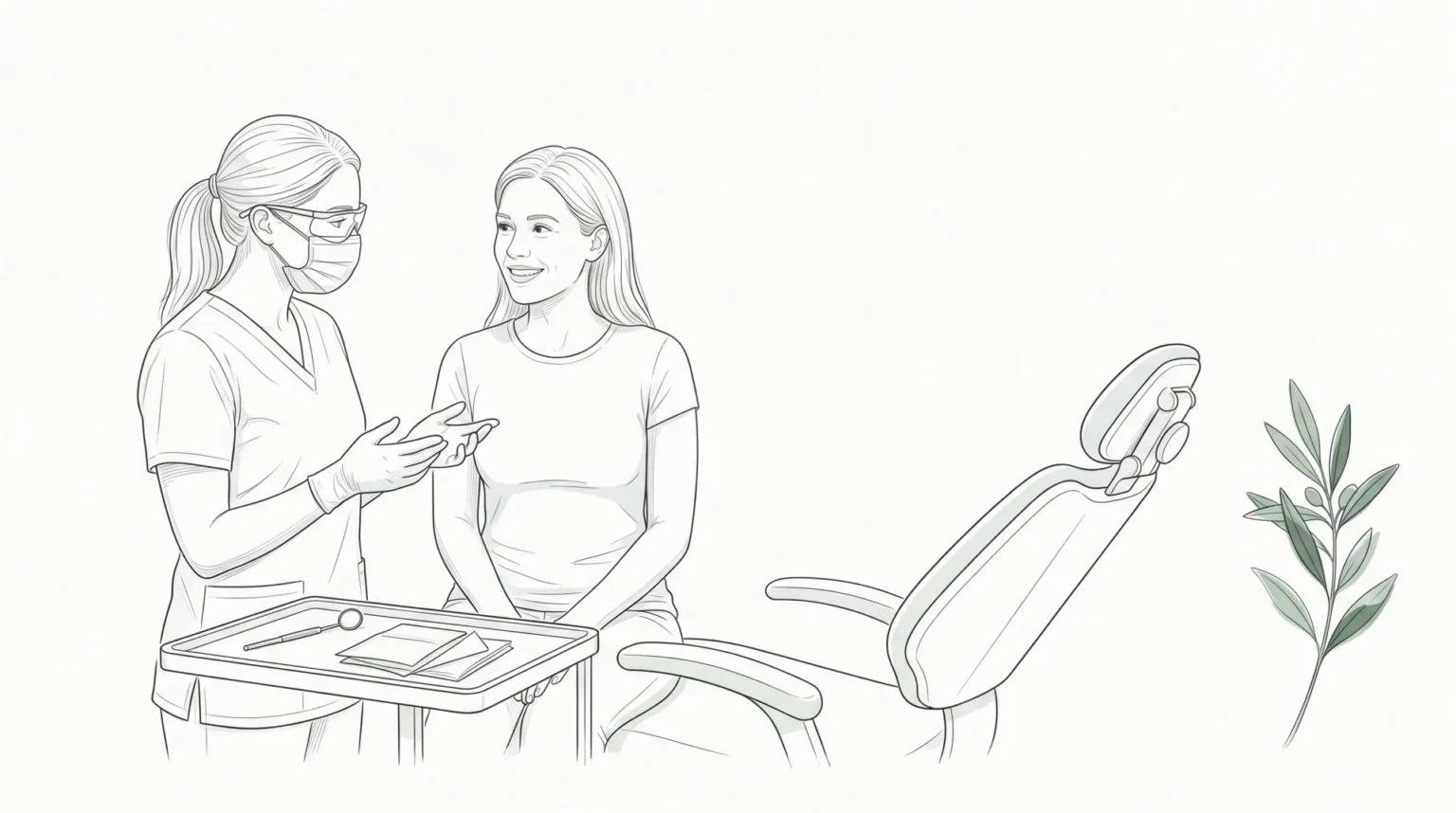
Professional teeth whitening can be a simple way to refresh your smile, but choosing where to have it done deserves more thought than picking the brightest advertisement or the lowest price. Whitening is still a dental treatment. The safest and most predictable results start with the right assessment, the right product strength and a dentist who can explain what whitening can and cannot change.
In Melbourne, you will find many options, from in-chair treatments at dental clinics to shopping centre kiosks, beauty salons and online kits. The main difference is not only the gel. It is the clinical judgement behind the treatment. A dental professional can check whether your teeth and gums are healthy enough for whitening, whether your stains are likely to respond and whether existing fillings, crowns or veneers may affect the final appearance.
This guide explains how to choose professional teeth whitening in Melbourne with confidence, including what to ask, what to avoid and how to compare treatment options without falling for unrealistic promises.
Start with your whitening goal
Before comparing clinics, be clear about what you want to change. Some people want a subtle lift before a wedding or work event. Others want to reduce years of staining from coffee, tea, red wine or smoking. A few may be trying to match a new crown, veneer or cosmetic treatment plan.
Your goal matters because not every type of discolouration responds the same way. Surface stains from food, drink and tobacco tend to respond more predictably than deeper internal discolouration. Teeth that have darkened because of trauma, certain medications, developmental enamel changes or old dental work may need a different cosmetic approach.
The Australian Dental Association's Teeth.org.au explains that whitening can cause temporary tooth sensitivity and gum irritation, especially when products are used incorrectly. That is one reason a proper dental consultation is more than a formality. It helps identify whether whitening is suitable before you start.
Understand what professional whitening includes
Professional whitening usually means a dentist or dental team supervises the treatment after assessing your oral health. The two main approaches are in-chair whitening and dentist-supervised take-home whitening.
In-chair whitening is performed at the dental clinic. It usually involves isolating the gums, applying whitening gel to the teeth and monitoring the treatment over one appointment. Take-home whitening uses custom trays and professional whitening gel supplied by the clinic, with instructions for use over a set period.
Neither option is automatically better for every patient. The right choice depends on your starting shade, sensitivity risk, timeline and preference for convenience.
| Whitening option | Best suited to | Key advantage | What to consider |
|---|---|---|---|
| In-chair whitening | People wanting a faster result under direct supervision | Treatment is completed in the clinic | May cause temporary sensitivity and results vary by tooth type |
| Dentist-supervised take-home whitening | People who prefer gradual whitening at home | Custom trays can help gel fit the teeth more closely | Requires consistent use and following instructions carefully |
| Combined whitening plan | Patients who want an initial in-chair lift plus home maintenance | Can support shade stability over time | Should be planned by a dentist to avoid overuse |
If you want to understand the clinical steps in more detail, East Melbourne Dental Group has a helpful guide on how in-chair teeth whitening works.
Choose a clinic that checks oral health first
A quality whitening consultation should begin with your teeth and gums, not a shade chart. Whitening gel can irritate gum tissue and may worsen sensitivity if you have untreated decay, cracked teeth, gum recession or exposed dentine. If plaque and tartar are present, a clean may also be recommended before whitening so the gel can contact the enamel more evenly.
A dentist should also check for restorations in the smile zone. Crowns, veneers, fillings and bonding do not whiten the same way natural enamel does. If these restorations are visible when you smile, whitening the surrounding teeth may make the colour mismatch more noticeable. In that situation, your dentist may suggest whitening first, then replacing or adjusting restorations after the shade has settled.
Look for a clinic that explains these details clearly. A responsible dentist will not promise a fixed number of shades or guarantee a celebrity-white result. They will explain what is realistic for your teeth, document your starting point and discuss any risks before treatment.
Check the dentist's registration and experience
In Australia, dentists must be registered with the Dental Board of Australia. You can confirm a practitioner's registration through the Ahpra public register. This is a simple step if you are considering a new clinic or responding to an advertisement for cosmetic treatment.
Registration is only the baseline. For whitening, it also helps to choose a dental practice that regularly provides cosmetic consultations and can discuss the bigger picture of your smile. Whitening may be enough on its own, but sometimes it is part of a broader plan involving cleaning, bonding, veneers, crowns or orthodontic alignment.
That does not mean you need a complex cosmetic plan. It means your dentist should be able to tell you when whitening is appropriate, when it is not and when another treatment may create a better match for your goals. If you are comparing cosmetic providers more broadly, this guide to choosing a cosmetic dentist in East Melbourne covers useful questions about communication, ethics and treatment planning.
Ask what product, process and safeguards are used
You do not need to know every chemical detail, but you should understand what will happen during treatment and how the clinic protects your mouth. A good dental team should be able to explain the whitening method in plain English.
Useful questions include:
- What type of whitening do you recommend for my teeth, in-chair or take-home?
- Will you check for decay, cracks, gum issues or recession first?
- How will my gums and soft tissues be protected during treatment?
- What level of sensitivity is common and how should I manage it?
- Will existing fillings, crowns or veneers change colour?
- How long should I wait before having other cosmetic dental work?
- What aftercare instructions will I receive?
You should feel comfortable asking these questions without being rushed. If the answer is mostly sales language, or if the clinic avoids discussing limitations, keep looking.
Be cautious with non-dental whitening providers
Melbourne has many whitening offers outside dental clinics. Some may look convenient, but the risk is that treatment can be provided without a full oral health diagnosis. A person who is not a dental practitioner may not be able to identify decay, leaking fillings, gum disease, enamel defects or causes of discolouration that need dental care rather than bleaching.
Another concern is product strength and application technique. Whitening gel needs to be used safely around gums, lips and exposed tooth surfaces. Poorly fitting trays or uncontrolled gel placement can increase the chance of irritation and uneven results.
This does not mean every over-the-counter product is unsafe. Many people use whitening toothpaste or strips for mild surface staining. The difference is that these products are limited in effect and should not replace dental advice if you want a noticeable change, have sensitivity or have existing dental work.
Compare value, not just price
Cost is a practical part of choosing teeth whitening in Melbourne, but the cheapest option is not always the best value. A professional whitening fee may include examination, shade discussion, soft tissue protection, custom trays, follow-up advice or management of sensitivity. A lower advertised price may not include these steps.
When comparing prices, ask what is included rather than focusing only on the headline figure. You may also want to ask whether the clinic offers payment plans, especially if whitening is part of a larger cosmetic plan.
It is sensible to avoid clinics that pressure you to book immediately because of a limited-time offer. Good cosmetic dentistry gives you time to understand the treatment, the risks and the alternatives. For a broader look at fee factors across whitening and other cosmetic procedures, see this overview of cosmetic dentistry costs in Melbourne.
Look for realistic communication, not dramatic claims
Whitening results depend on many factors, including enamel thickness, stain type, starting shade, age, diet and oral hygiene. Two people can have the same whitening treatment and finish with different results.
Be wary of phrases such as “guaranteed white teeth”, “permanent whitening” or “no sensitivity ever”. These claims do not reflect how whitening works. AHPRA advertising rules for regulated health services also require advertising to avoid misleading claims or unreasonable expectations.
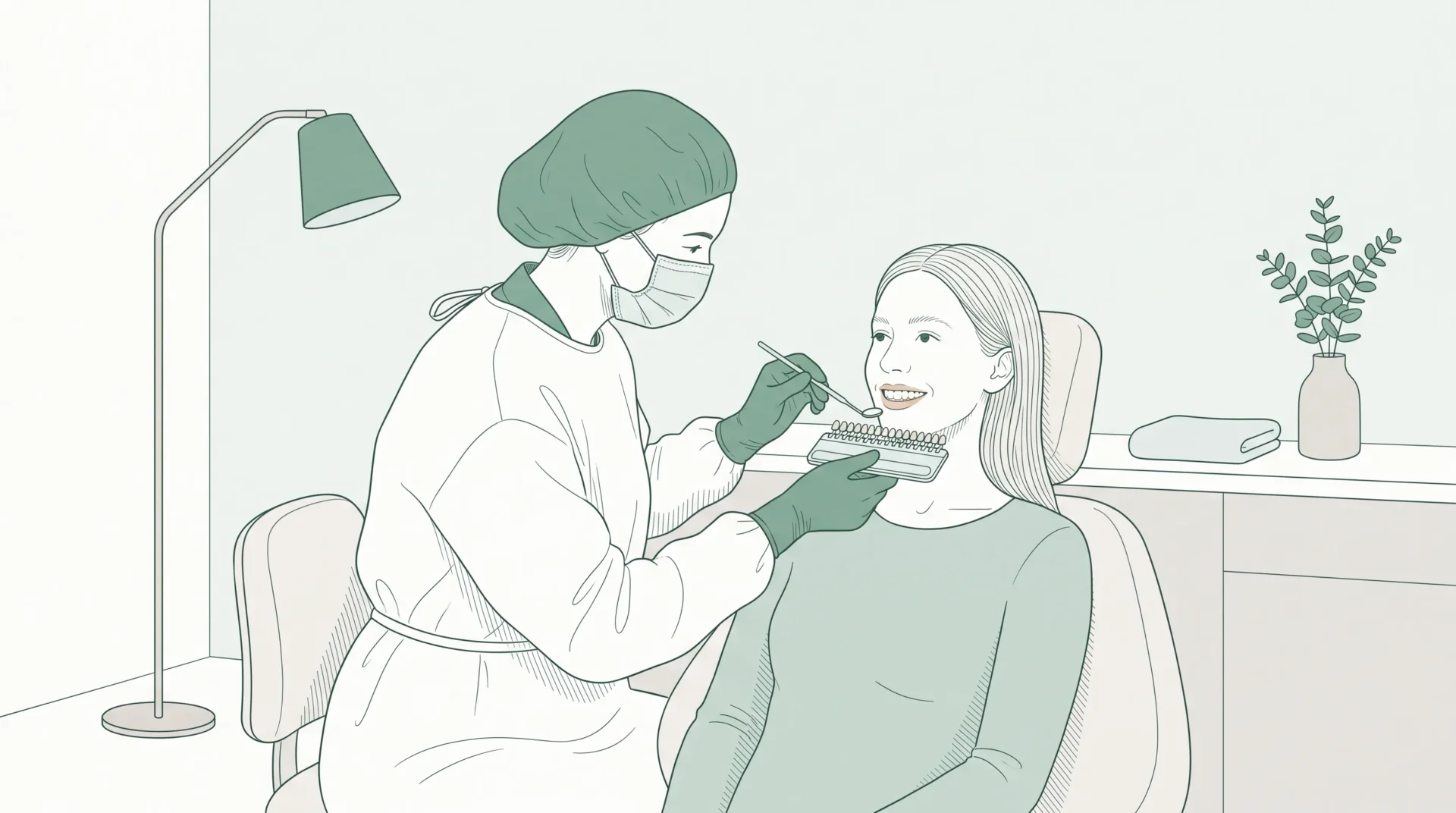
A responsible dental clinic will use measured language. They may explain likely outcomes, show shade guides for discussion and outline maintenance habits, but they should not make the result sound guaranteed. They should also avoid making you feel that normal tooth colour is a flaw. Healthy teeth naturally come in many shades.
Consider timing before an event
If you are whitening for a wedding, graduation, job interview or major event, do not leave it until the final few days. Teeth can be temporarily sensitive after whitening and the shade can settle over time. You may also need a dental clean first, or your dentist may identify a small issue that should be treated before whitening.
A practical approach is to book a consultation several weeks before the event. This gives you time to discuss whether in-chair whitening, take-home whitening or a staged plan is more appropriate. If you have visible fillings or crowns near the front of your mouth, even more planning time may be needed.
Your dentist can also advise which foods and drinks to limit after treatment. Coffee, tea, red wine, turmeric-rich foods and smoking can contribute to restaining. You do not necessarily need to avoid these forever, but your habits affect how long your brighter shade lasts.
Plan for maintenance from the start
Whitening is not permanent. Teeth naturally pick up stains over time, especially if you regularly drink coffee or red wine, smoke or skip routine dental cleans. A good whitening provider should talk about maintenance before treatment begins, not only after the shade starts to fade.
Daily brushing, flossing, professional cleaning and sensible drink choices all help. Some patients may benefit from dentist-supervised top-up whitening using custom trays, but this should be done according to professional advice. Overusing whitening products can increase sensitivity and irritation without improving the result.
For practical aftercare tips, East Melbourne Dental Group explains how to maintain a white smile after teeth whitening, including early post-treatment habits and longer-term stain reduction.
Red flags when choosing teeth whitening in Melbourne
Most patients can narrow their options quickly by watching for warning signs. You do not need to be a dental expert to recognise when something feels too rushed or too promotional.
Be cautious if a provider:
- Offers whitening without asking about your dental history or sensitivity
- Does not check your teeth and gums before treatment
- Guarantees a specific shade change or permanent result
- Cannot explain who is performing the treatment and what qualifications they have
- Avoids discussing crowns, veneers, fillings or gum recession
- Uses pressure tactics to make you book immediately
- Gives little or no aftercare advice
A trustworthy provider should welcome questions and explain limitations. The consultation should feel like a health decision, not a retail transaction.
Frequently Asked Questions
Is professional teeth whitening safe? Professional whitening is generally considered safe for suitable patients when planned and supervised by a dental practitioner. A dental check helps identify issues such as decay, gum disease, cracks or recession that could increase sensitivity or irritation.
How long does teeth whitening last? Results vary. Diet, smoking, oral hygiene, enamel characteristics and regular dental cleaning all affect how long the shade stays brighter. Many patients need maintenance over time rather than expecting a permanent result.
Will whitening work on crowns, veneers or fillings? No. Whitening products are designed for natural tooth structure and do not lighten porcelain, ceramic or composite restorations in the same way. If you have visible dental work, your dentist should discuss colour matching before treatment.
Is in-chair whitening better than take-home whitening? In-chair whitening is faster and performed under direct supervision, while take-home whitening can be more gradual and flexible. The better option depends on your teeth, sensitivity risk, timeline and goals.
Can I whiten my teeth if they are sensitive? Sometimes, but you should have a dental assessment first. Your dentist may recommend treating the cause of sensitivity, using desensitising products or choosing a gentler whitening plan.
How do I choose the best teeth whitening dentist in Melbourne? Look for a registered dentist who checks oral health first, explains realistic outcomes, discusses sensitivity and restorations, provides clear costs and gives aftercare instructions. Avoid providers who guarantee results or rush the consultation.
Ready to discuss whitening with a Melbourne dentist?
Professional teeth whitening is most effective when it is chosen for the right reasons and planned around your oral health. If you are considering whitening, start with a consultation so you can understand your options, likely results and any factors that may affect your smile.
East Melbourne Dental Group offers general and cosmetic dentistry, including teeth whitening treatments, free cosmetic consultations and payment plans. To discuss whether whitening is suitable for you, contact East Melbourne Dental Group and book a consultation with the team.
Disclaimer
The information provided on this website is for general informational and educational purposes only. It is not intended to replace professional dental advice, diagnosis or treatment. Dental needs and treatment outcomes vary between individuals. Always seek advice from a qualified dental practitioner regarding your specific circumstances before making decisions about your oral health or treatment. A consultation and clinical assessment are required to determine which treatment options may be suitable for you. All dental procedures carry potential risks and benefits, which will be discussed with you before treatment.