
15 September 2026 | Cosmetic Dentistry, General Dentistry, Teeth Whitening
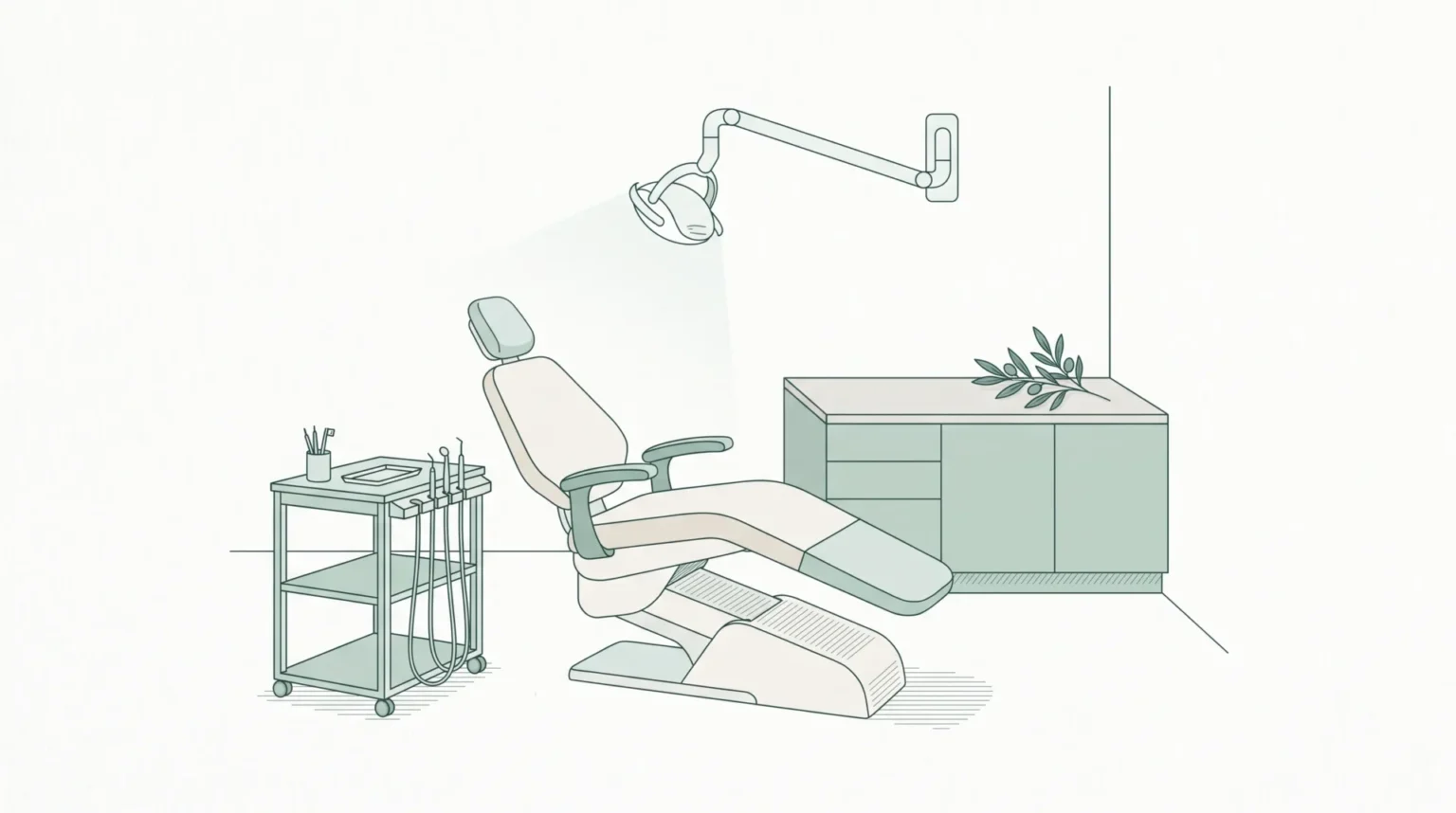
Professional teeth whitening looks simple from the chair, but safe results depend on diagnosis, controlled products and good technique. If you have searched dentist that whiten teeth near me, what you are really looking for is a registered dental professional who can brighten your teeth without overlooking decay, gum irritation or sensitivity risks.
Dentists whiten teeth by matching the right whitening method to the cause of discolouration, your oral health and your tolerance for sensitivity. The safest approach is not necessarily the strongest gel or the quickest appointment. It is the one that gives a natural-looking improvement while protecting enamel, gums and existing dental work.
What dentists are actually doing when they whiten teeth
Professional whitening uses peroxide-based agents, usually hydrogen peroxide or carbamide peroxide, to break down coloured molecules within the tooth structure. These molecules can build up from coffee, tea, red wine, smoking, ageing and some foods. Whitening gel releases oxygen, which helps oxidise stains so teeth appear lighter.
This process is different from a surface polish. A scale and clean can remove plaque, calculus and some external staining, but it cannot change the internal shade of enamel and dentine in the same way whitening gel can. For someone comparing dentist that whiten teeth near me results, the key advantage is that a dental practitioner can assess whether whitening is suitable before any active bleaching begins.
The stains whitening can and cannot change
Yellow-toned stains often respond better than grey, brown or banded discolouration. Stains from tea, coffee and everyday ageing commonly improve, although the degree of change varies from person to person. Discolouration caused by trauma, old root canal treatment, tetracycline medication or developmental enamel changes may need a different plan.
Whitening also does not change the colour of fillings, crowns, bridges, veneers or implant crowns. If these restorations are visible when you smile, a dentist may recommend whitening first, then matching any future restorative work to the new shade. This sequencing helps avoid a mismatch between natural teeth and porcelain or composite materials.
Why the check-up matters before whitening
Before whitening, a dentist checks for decay, leaking fillings, gum recession, cracked teeth, enamel wear and signs of gum disease. These issues do not always rule out whitening, but they may need treatment first. Whitening over untreated decay or exposed dentine can lead to avoidable pain.
The phrase dentist that whiten teeth near me should lead you to a consultation, not straight to gel. A good whitening appointment includes a shade assessment, discussion of your goals and a review of habits that could affect results. The dentist should also explain sensitivity risks, maintenance and the possibility that some stains may not lift evenly.
Searching for a dentist that whiten teeth near me? Start with safety
Safety begins with choosing a registered dental practitioner. In Australia, dentists are regulated health professionals, and you can check registration through the AHPRA public register. This matters because whitening is not only cosmetic. It involves active chemicals used in a mouth that may have cavities, gum problems, restorations or exposed roots.
A safe whitening plan should include informed consent and realistic expectations. Your dentist should explain what shade change is likely, how long results may last and what side effects could occur. Common temporary side effects include tooth sensitivity and mild gum irritation. Persistent, sharp or severe pain should be reviewed by a dentist rather than ignored.
If you are comparing providers, it can help to prepare a short checklist before booking. East Melbourne Dental Group has a practical guide on questions to ask a teeth whitening dentist in Melbourne that covers suitability, whitening options and expected outcomes.
In-chair whitening: faster whitening with active supervision
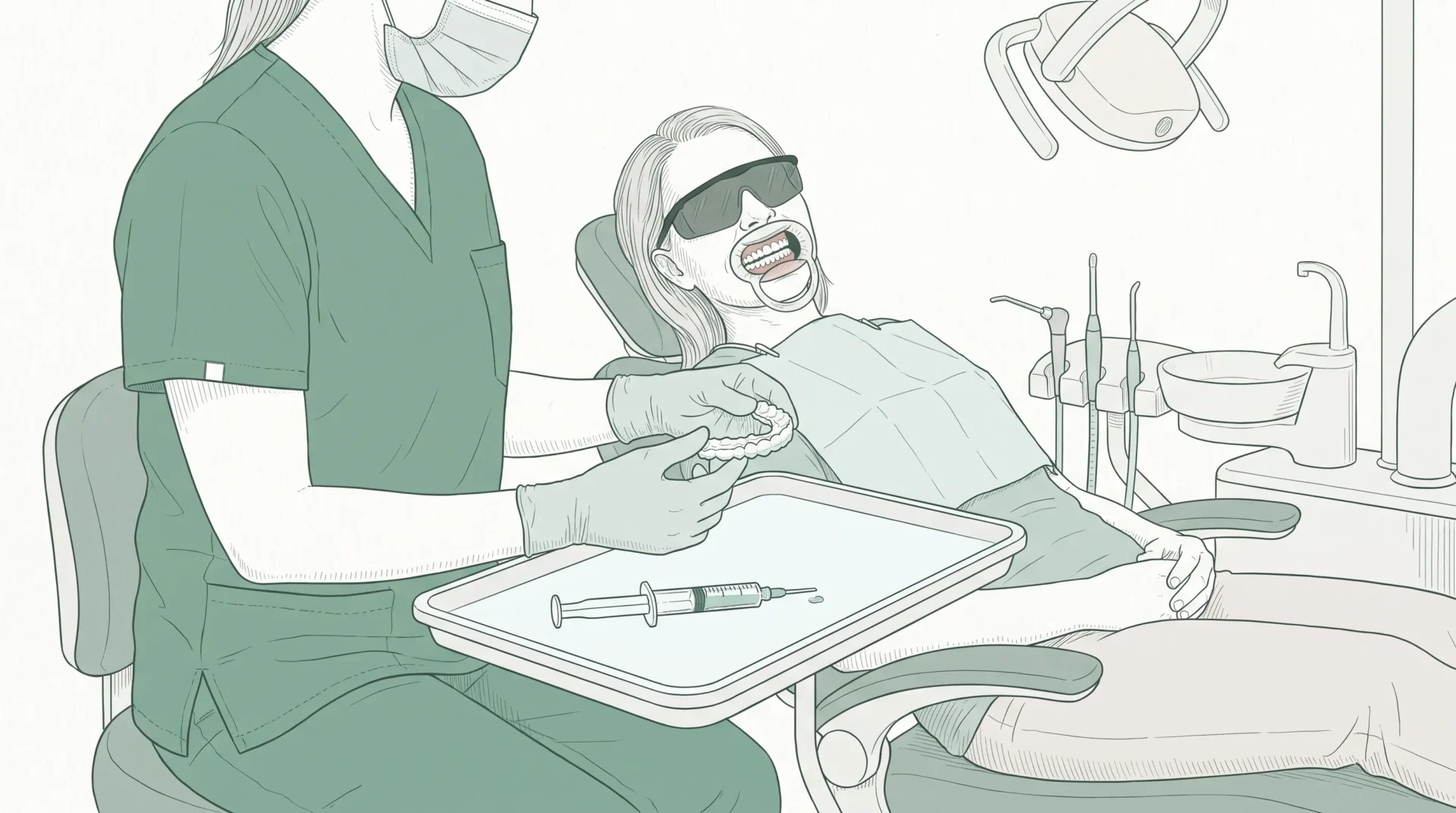
In-chair whitening is performed at the dental clinic. The dentist or dental professional isolates the teeth, protects the gums and applies a professional whitening gel under controlled conditions. Some systems use a light to activate or support the whitening process, although the gel and clinical protocol are the main drivers of the result.
When the search for dentist that whiten teeth near me comes from an upcoming event, in-chair whitening may appeal because it is usually completed in a single visit. It may be appropriate for patients who want faster improvement, who prefer supervision throughout the process or who do not want to manage trays at home.
What typically happens in the appointment
A whitening visit usually starts with confirming your medical and dental history, checking the current tooth shade and protecting soft tissues. A cheek retractor keeps lips away from the teeth, while a gum barrier helps prevent whitening gel from contacting the gingiva. The gel is applied in cycles, then carefully removed.
After treatment, your dentist may recheck the shade and provide aftercare instructions. Sensitivity can happen in the hours after whitening, so many dentists recommend avoiding very hot, cold or acidic foods for a short time. For a deeper walkthrough of the appointment itself, see this guide to how in-chair teeth whitening works.
Take-home whitening: gradual change with custom trays
Dentist-supervised take-home whitening uses custom trays made to fit your teeth. The trays hold whitening gel close to the tooth surface while reducing contact with the gums. Because the gel is used over multiple days or weeks, results are gradual and easier to pause if sensitivity develops.
If dentist that whiten teeth near me is your starting point but you prefer a slower approach, custom tray whitening may be worth discussing. It can also be used after in-chair whitening for maintenance, depending on your dentist's recommendation and your oral health.
| Whitening option | How it is supervised | Typical appeal | Main safety advantage |
|---|---|---|---|
| In-chair whitening | Performed in the clinic | Faster visible change | Gum protection and monitoring during treatment |
| Custom take-home trays | Planned by the dentist and used at home | Gradual whitening | Better tray fit than generic kits |
| Combination whitening | Clinic treatment plus home maintenance | More controlled long-term plan | Dentist can adjust timing and gel use |
How dentists reduce sensitivity and gum irritation
A search for dentist that whiten teeth near me should lead to a discussion about comfort as much as colour. Dentists reduce sensitivity risk by checking for exposed dentine, choosing an appropriate gel strength, limiting contact time and adjusting the schedule when needed. Some patients may be advised to use desensitising toothpaste before or after treatment.
Gum irritation is usually linked to gel touching soft tissue. In-chair whitening reduces this risk through isolation and gum barriers. Take-home whitening reduces it through trays designed from impressions or scans, so the gel stays where it should. Using too much gel in a tray can still irritate gums, which is why instructions matter.
Why over-the-counter kits are harder to control
Over-the-counter whitening products vary widely. Some may only remove surface stains, while others can cause irritation if they are poorly fitted, overused or bought from unreliable sources. Generic trays and strips do not account for your bite, gum line, recession or existing dental work.
The Australian Dental Association advises that whitening should be approached carefully because stronger products can damage teeth and gums if used incorrectly. Professional whitening is not risk-free, but the risks are easier to identify, manage and review when a dentist has assessed your mouth first.
Results dentists aim for, and what affects them
Dentists aim for a cleaner, brighter shade that still suits your face, age and natural tooth characteristics. The most natural results often come from lifting stains without pushing the shade into an opaque or artificial-looking white. Teeth have translucency, texture and small variations in colour, so a uniform bright white is not always realistic or desirable.
Patients searching dentist that whiten teeth near me often expect an exact number of shades lighter, but whitening response is individual. Enamel thickness, dentine colour, stain type, diet, smoking history and previous dental work all influence the outcome. Your dentist can show you a shade guide, but they should avoid guaranteeing a specific result.
If whitening is part of a broader smile plan, timing matters. For example, whitening is usually considered before colour-matched veneers, crowns or composite bonding. If you are planning orthodontic or cosmetic treatment, this guide explains where teeth whitening fits in a cosmetic dentistry plan.
Who may need to delay whitening
Not everyone is ready for whitening on the day they ask for it. Your dentist may recommend delaying treatment if you have active decay, untreated gum disease, significant tooth sensitivity, cracked teeth, leaking restorations or heavy calculus build-up. Pregnant or breastfeeding patients are often advised to postpone elective whitening and discuss timing with their dentist.
Age also matters. Whitening is generally approached cautiously in younger patients because teeth can be more sensitive and aesthetic concerns may be better managed with preventive care first. A dental professional can also identify whether discolouration is due to enamel defects, trauma or internal tooth changes that need diagnosis before cosmetic treatment.
How to keep a whiter smile after treatment
Whitening results are not permanent, but good habits can help them last longer. Coffee, tea, red wine, tobacco and highly pigmented sauces can restain teeth over time. Rinsing with water after staining drinks, using a straw for some beverages and keeping up with professional cleans can help reduce stain build-up.
The phrase dentist that whiten teeth near me may get you to the first appointment, but maintenance is what protects the investment. Your dentist may suggest occasional top-up whitening with custom trays, depending on your result and sensitivity history. Avoid overusing gel, as more frequent whitening does not always mean a better or safer result.
Daily brushing with fluoride toothpaste, flossing or interdental cleaning and regular dental check-ups also matter. For practical aftercare tips, East Melbourne Dental Group has a guide on how to maintain a white smile after teeth whitening.
Frequently Asked Questions
Is professional teeth whitening painful? Most patients tolerate professional whitening well, but temporary sensitivity is common. Dentists reduce risk by assessing exposed dentine, protecting gums and adjusting the whitening method if your teeth are already sensitive.
How long does dental whitening last? Results vary. Diet, smoking, oral hygiene, enamel characteristics and maintenance all affect how long teeth stay brighter. Some patients choose dentist-supervised top-ups, but the timing should be personalised rather than excessive.
What should I look for if I searched dentist that whiten teeth near me? Look for a registered dental practitioner who checks your oral health first, explains risks clearly, discusses in-chair and take-home options and gives realistic expectations rather than promising a perfect shade.
Can whitening damage enamel? Professionally supervised whitening is designed to minimise risk, but misuse of whitening products can irritate gums and increase sensitivity. A dental assessment helps identify whether your enamel, dentine and restorations are suitable for treatment.
Will whitening work on crowns or veneers? No. Whitening gel changes the shade of natural tooth structure, not porcelain, ceramic or composite restorations. If crowns or veneers are visible, your dentist can help plan the order of whitening and any restorative work.
Considering professional whitening in East Melbourne?
If you want a brighter smile, start with a dental assessment rather than a guess. East Melbourne Dental Group offers general and cosmetic dentistry, including teeth whitening consultations, and can discuss whether in-chair whitening, take-home trays or another cosmetic option is suitable for your teeth.
To take the next step, contact East Melbourne Dental Group to book a consultation and receive personalised advice based on your oral health, goals and sensitivity risk.
Disclaimer
The information provided on this website is for general informational and educational purposes only. It is not intended to replace professional dental advice, diagnosis or treatment. Dental needs and treatment outcomes vary between individuals. Always seek advice from a qualified dental practitioner regarding your specific circumstances before making decisions about your oral health or treatment. A consultation and clinical assessment are required to determine which treatment options may be suitable for you. All dental procedures carry potential risks and benefits, which will be discussed with you before treatment.