22 October 2026 | General Dentistry, Oral Health
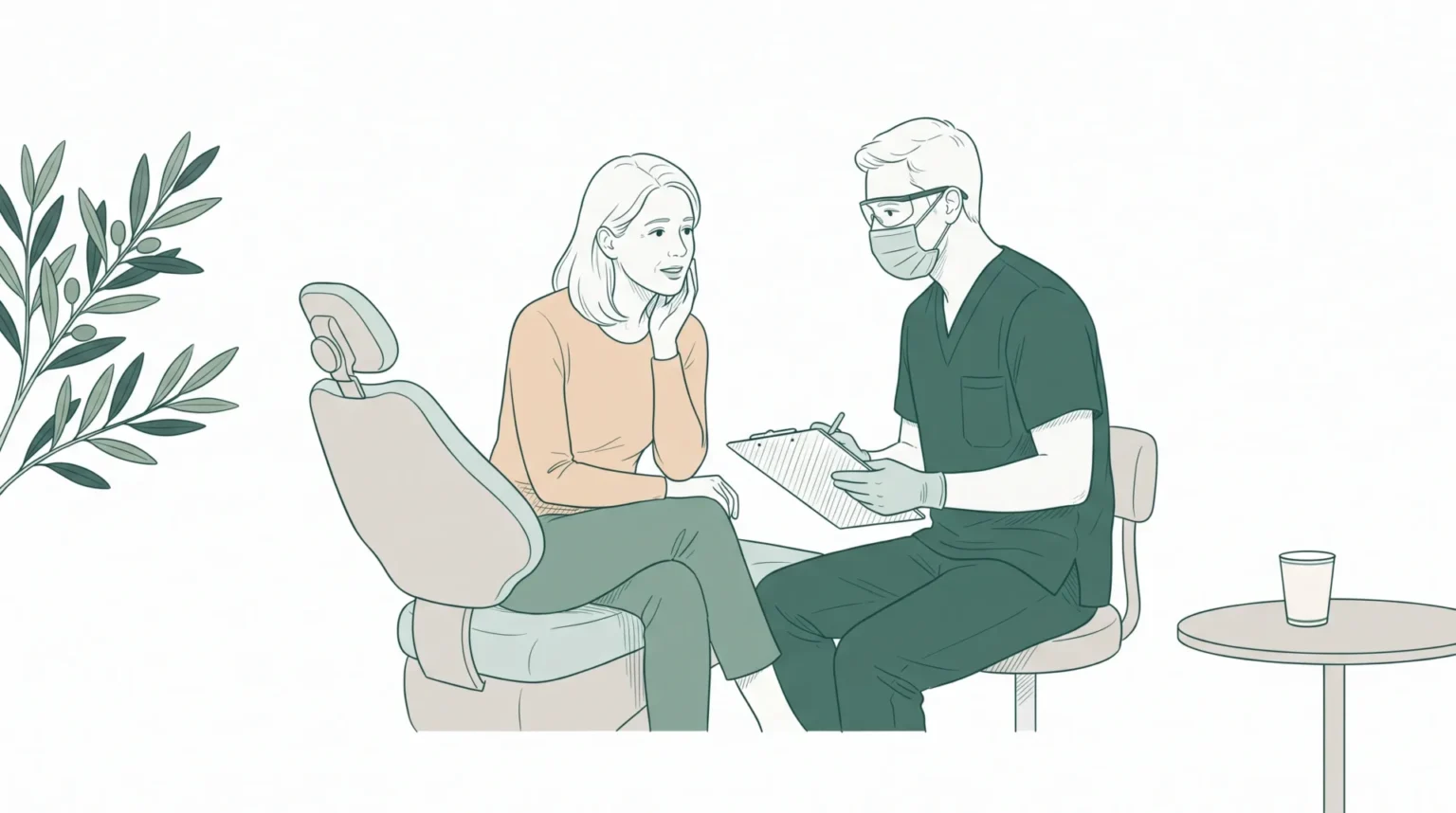
Searching for a dental clinic open now usually means something cannot wait: a toothache has intensified, a tooth has broken or swelling has appeared. The next step is not simply finding a practice with its lights on. You need to establish whether a dentist can assess you, how urgently you need care and what to do until you arrive.
Opening hours do not guarantee an available appointment. Before travelling, call the clinic and describe your symptoms. If you have difficulty breathing or swallowing, seek emergency medical help instead of waiting for a dental booking.
First, check whether you need emergency medical help
Call 000 if you are having difficulty breathing, have uncontrolled heavy bleeding or have sustained a serious facial or head injury. Swelling involving the mouth or neck that affects breathing or swallowing also needs emergency medical attention.
Facial swelling with fever, feeling very unwell or swelling extending towards an eye warrants urgent assessment. Do not wait overnight for a routine booking if symptoms are worsening.
Severe toothache, a broken tooth and a knocked-out adult tooth usually need urgent dental care. A knocked-out adult tooth is particularly time-sensitive, so contact a dentist immediately rather than spending time comparing practices.
Healthdirect’s guidance on dental emergencies explains the distinction between urgent dental problems and situations requiring hospital care. If you are unsure, describe your symptoms to a health professional rather than relying on pain intensity alone.
Check whether a dental clinic open now can actually see you
An “open” listing is a starting point, not confirmation that treatment is available. Published hours can differ on public holidays, a dentist may already be treating another patient or the remaining appointments may not suit an urgent problem.
Call before leaving and establish three things: whether a dentist is currently available, whether the clinic can assess your symptoms and when you should arrive. Mention swelling, trauma or a knocked-out tooth at the beginning of the conversation, not after discussing appointment times.
Online booking systems can also create uncertainty. An available slot may be for a routine examination rather than urgent treatment. Similarly, requesting an appointment from your mobile still requires the clinic to confirm the booking. Do not assume a submitted request means a dentist is expecting you.
If the phone goes unanswered, check the recorded message for instructions. Unless you receive confirmation, avoid travelling on the assumption that the practice can see you immediately.
Give the receptionist a useful symptom summary
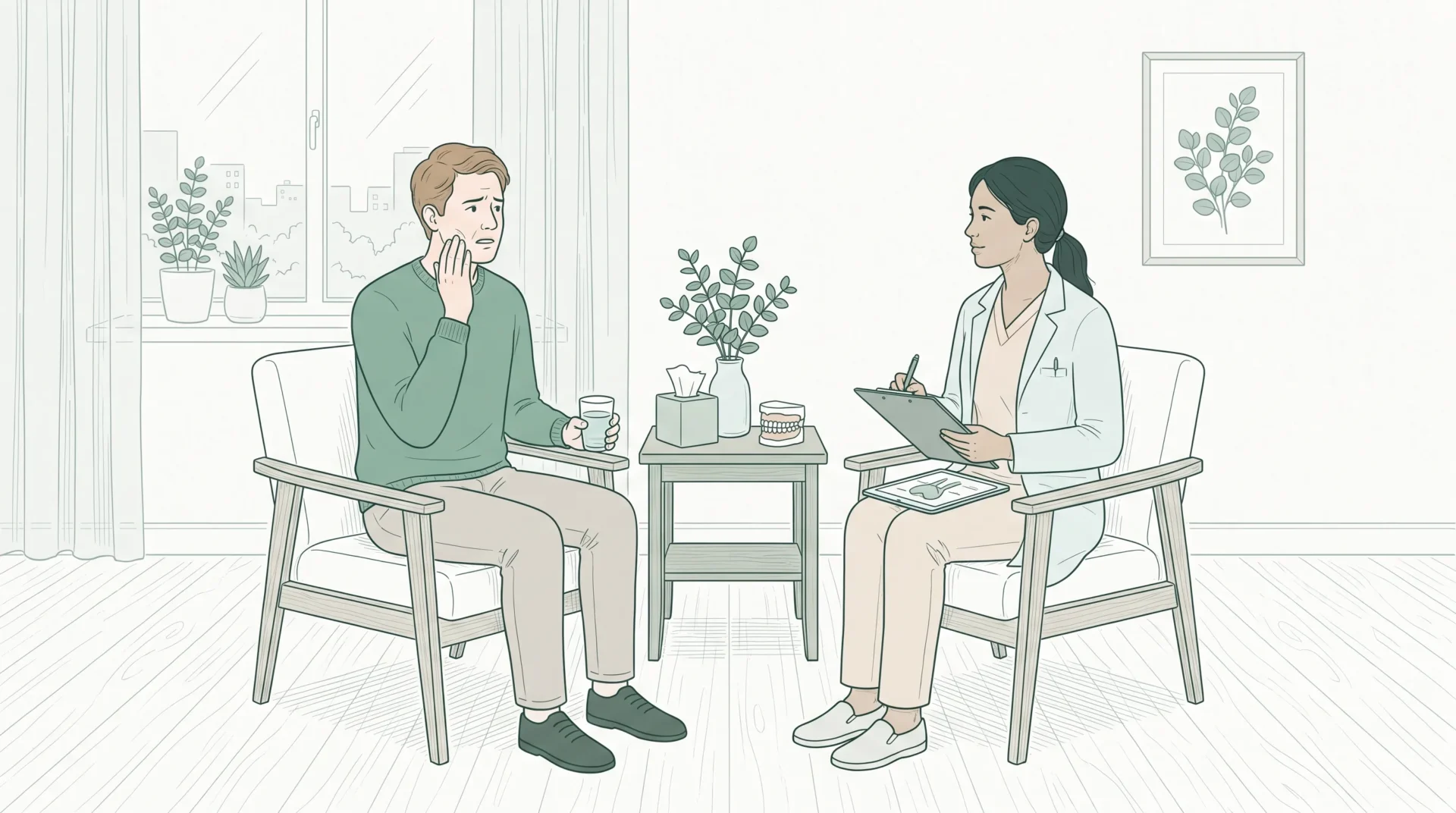
When calling a dental clinic open now, a clear description helps the team assess your urgency and arrange an appropriate appointment.
You could say: “I have pain in a lower back tooth that started yesterday and is getting worse. My cheek is swollen, but I can breathe and swallow normally. Can a dentist assess me today?”
Include when the problem started, whether there was an injury and whether you have fever, swelling or bleeding. For a child, give their age and explain whether the injured tooth is a baby tooth or an adult tooth, if you know.
Have your medication list, allergies and relevant medical conditions ready. Tell the team what pain relief you have already taken and when. You do not need to diagnose the problem yourself.
If there is no appointment available
Ask whether the clinic recommends another service, has a cancellation appointment or can explain the safest next step based on your symptoms. A recommendation is more useful than repeatedly refreshing a map listing, but you should still confirm availability with the next practice before travelling.
If you cannot reach a dental clinic open now, do not let the search delay medical help for worsening swelling, breathing difficulties or serious injury.
For health advice in Victoria, NURSE-ON-CALL is available on 1300 60 60 24. A registered nurse can help assess the urgency of symptoms, although this is not a dental booking service and does not replace dental treatment.
If a dental professional advises that waiting is appropriate, ask what changes should prompt you to seek help sooner. Increasing swelling, fever or new difficulty swallowing should not be treated as simply more of the same toothache.
Protect your mouth while you arrange care
Temporary measures can reduce further irritation, but they do not treat the cause. Follow any instructions given by the dental team, especially after an injury or recent procedure.
- For toothache: Avoid chewing on the painful area. If you can take over-the-counter pain relief safely, follow the packet directions or ask a pharmacist. Do not place aspirin directly against a tooth or gum.
- For swelling or an injury: Apply a cold compress to the outside of the cheek, with a cloth between the cold pack and your skin. Do not try to drain swelling or apply heat.
- For a broken tooth or lost restoration: Avoid hard foods and keep any tooth fragment or crown you find. Do not use household glue to attach it.
- For a knocked-out adult tooth: Handle it by the crown, not the root. If dirty, rinse it briefly and gently without scrubbing. If you cannot put it back safely, keep it in milk and seek dental care immediately. Never reinsert a knocked-out baby tooth.
Do not take leftover antibiotics or someone else’s prescription. Antibiotics are not a substitute for dental treatment and are not appropriate for every toothache.
If pain suddenly settles, the underlying problem may still need attention. Keep the appointment unless the dental team advises otherwise.
Ask about the scope and cost of the urgent visit
An urgent appointment may focus on assessing the problem and making it safe to wait for further treatment. It does not necessarily mean every stage of treatment can be completed that day.
Depending on the findings, a dentist may recommend an examination, X-rays, a temporary restoration or another procedure. Some problems require a longer appointment, follow-up care or referral. Ask what can reasonably be achieved at the first visit and what might still be needed afterwards.
Before attending a dental clinic open now, ask about the initial assessment fee and whether any after-hours charges apply. Once the dentist has assessed you, request an explanation of the recommended treatment, alternatives and estimated costs before proceeding.
East Melbourne Dental Group offers payment plans. Ask the team about current options and applicable terms rather than assuming a particular treatment or urgent appointment will qualify. Bring your health fund details if relevant, but check your own cover rather than assuming the whole visit will be reimbursed.
Frequently asked questions
Does “open now” mean a dentist is available 24 hours a day? No. It generally refers to the listed opening hours at the time of your search. It does not establish overnight staffing, emergency availability or a vacant appointment. Confirm directly with the practice.
Can a hospital emergency department help with a tooth problem? A hospital can assess serious infection, major trauma and other medical complications. Most emergency departments do not provide routine definitive dental treatment, such as fillings or crowns. You may still need a dentist afterwards.
Can I wait until morning if painkillers help? Pain relief alone does not establish that waiting is safe. Contact a dental professional for advice, especially if you have swelling, fever, trauma or worsening symptoms. Breathing or swallowing difficulties require emergency medical help.
Is there a $1,000 dental voucher for everyone in Victoria? No. Public dental eligibility and voucher arrangements depend on program rules and assessment. Check with Dental Health Services Victoria rather than assuming a voucher is available or accepted by a particular private practice.
Contact East Melbourne Dental Group about urgent care
East Melbourne Dental Group provides emergency dental care. If you need a dental clinic open now, contact the practice to confirm its current hours and appointment availability before travelling.
When you call, explain your symptoms and when they began. The practice’s dental emergency information provides further guidance on problems that warrant prompt contact. For breathing difficulties, serious injury or uncontrolled heavy bleeding, call 000 rather than waiting for a response.
Disclaimer
The information provided on this website is for general informational and educational purposes only. It is not intended to replace professional dental advice, diagnosis or treatment. Dental needs and treatment outcomes vary between individuals. Always seek advice from a qualified dental practitioner regarding your specific circumstances before making decisions about your oral health or treatment. A consultation and clinical assessment are required to determine which treatment options may be suitable for you. All dental procedures carry potential risks and benefits, which will be discussed with you before treatment.