
30 July 2026 | News
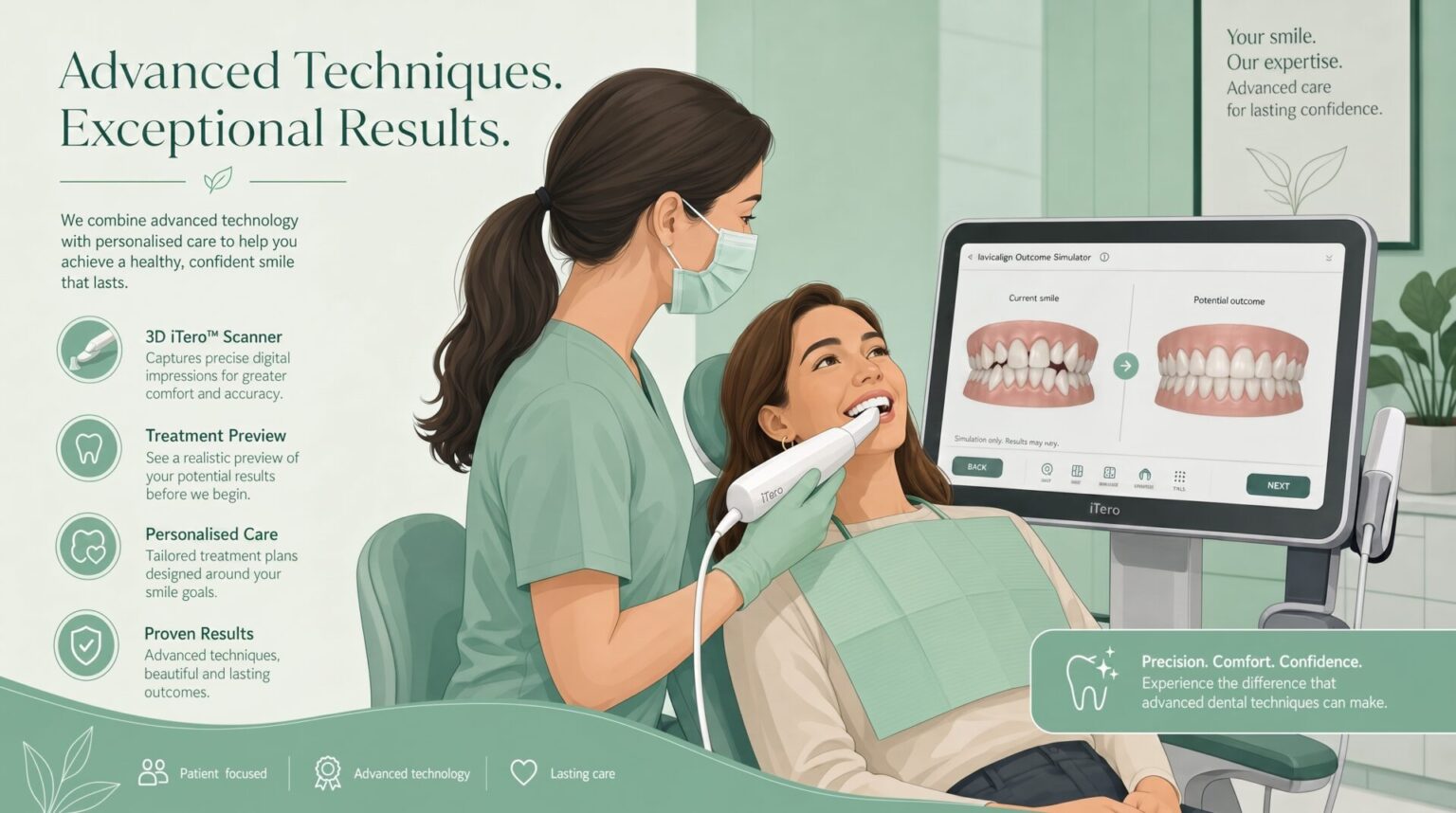
For many people, the hardest part of going to the dentist is not the treatment itself. It is the uncertainty, the worry that something will hurt, the difficulty finding time, or the fear that a small issue has become a big one. That is where advanced dentistry has changed the experience.
Modern dental care is no longer just about repairing teeth after problems appear. It is increasingly focused on prevention, comfort, early diagnosis, natural-looking results, and treatment plans that fit real life. For patients in East Melbourne, that can mean easier appointments, clearer choices, and more confidence before, during, and after a visit.
What does advanced dentistry mean today?
Advanced dentistry is not simply a collection of high-tech equipment. It is a more thoughtful way of delivering care. It combines modern materials, improved diagnostic tools, refined clinical techniques, and a stronger focus on patient comfort.
In practice, this can include digital imaging, intraoral photos, tooth-coloured restorative materials, aligner-based orthodontics, in-chair whitening options, improved root canal techniques, implant planning, and more personalised preventive care. Just as importantly, it includes better communication. Patients should understand what is happening, why it matters, and what their options are.
The goal is simple: make dental care easier to start, easier to understand, and easier to complete.
Easier prevention: finding problems before they become painful
One of the biggest benefits of advanced dentistry is earlier detection. Dental issues often develop quietly. A small area of decay, early gum inflammation, enamel wear, or a cracked filling may not hurt at first, but it can become more complicated if left untreated.
Modern preventive dentistry uses regular examinations, professional cleaning, risk assessment, and patient education to reduce the chance of urgent treatment later. This matters because oral health is closely connected with general wellbeing. The World Health Organization estimates that oral diseases affect billions of people worldwide, with untreated decay and gum disease among the most common concerns.
For many patients, prevention is the easiest form of dentistry because it is usually simpler, more comfortable, and less invasive than treatment for advanced disease. Regular hygiene visits can play a key role in keeping gums healthy, reducing inflammation, and supporting long-term oral health. East Melbourne Dental Group has also discussed how hygienist appointments can support broader health by helping control oral inflammation.
A modern dental check-up is not just a quick look for cavities. It can include a review of your gums, bite, jaw joints, old restorations, oral cancer signs, tooth wear, diet habits, and home-care routine. That bigger picture helps your dentist recommend care that is tailored to you rather than a one-size-fits-all plan.
Easier decisions: clearer information and less guesswork
Many people delay treatment because they are unsure what they need. Advanced dentistry helps reduce that uncertainty by making dental problems more visible and treatment options easier to explain.
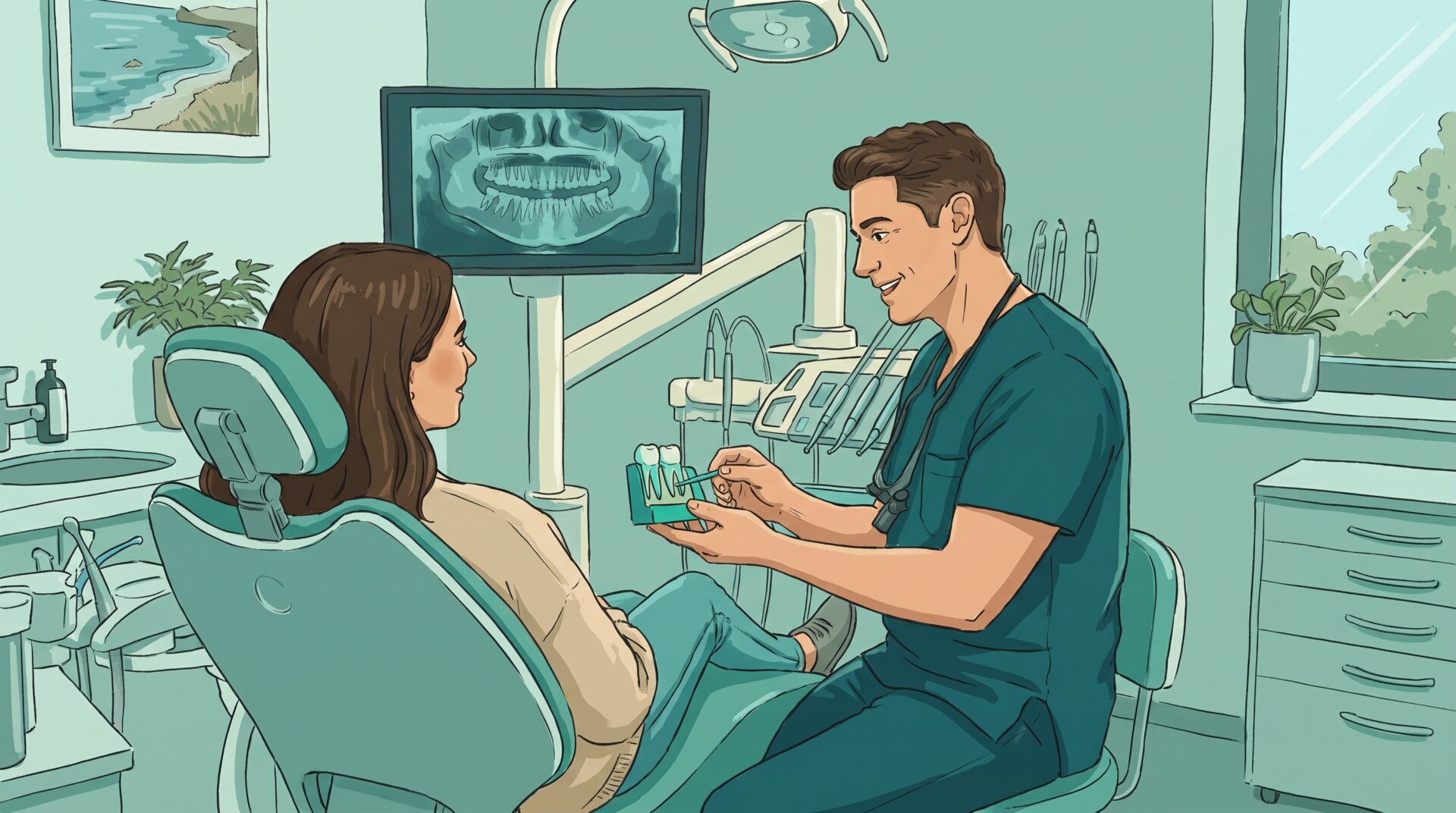
Intraoral cameras, digital X-rays, clinical photos, and detailed charting can help dentists show patients what they are seeing. Instead of simply being told that a tooth has a crack or an old filling is leaking, you may be able to see the issue and understand why treatment is recommended.
This clarity is especially helpful when comparing options. For example, a patient with a damaged tooth may need to understand the difference between a filling, crown, root canal treatment, extraction, or implant. Each option has different benefits, timelines, and suitability. A modern approach helps you weigh those choices calmly, with your dentist explaining what is urgent, what can be monitored, and what can be planned over time.
| Part of care | Older patient experience | How advanced dentistry helps |
|---|---|---|
| Diagnosis | Problems may only be noticed once symptoms appear | Earlier detection through imaging, photos, and regular monitoring |
| Treatment planning | Patients may find it hard to visualise the issue | Clearer explanations using images, models, and step-by-step plans |
| Restorations | More visible repairs and limited material choices | Tooth-coloured materials that can blend with natural teeth |
| Comfort | Anxiety may stop patients booking care | Gentler techniques, communication, and patient-focused appointments |
| Follow-up | Care may feel reactive | Preventive plans help reduce repeat problems |
When patients understand the reason for treatment, they are more likely to feel in control. That can make modern dental care feel less intimidating and more collaborative.
Easier appointments: convenience matters
Even the best dental advice is not helpful if booking an appointment feels difficult. Modern dental care recognises that patients are busy, and convenience is part of quality care.
Online booking and mobile appointment requests make it easier to take action when you first notice a problem. That can be especially useful for parents managing family schedules, professionals working in the CBD or East Melbourne, and anyone who tends to postpone calls during business hours. East Melbourne Dental Group’s option to request an appointment from your mobile reflects this shift toward more accessible care.
Convenience also matters in emergencies. A sudden toothache, broken tooth, swelling, or dental trauma can be stressful, and patients need clear guidance about what to do next. If you are unsure whether your situation is urgent, the clinic’s information on what counts as a dental emergency in East Melbourne can help you understand when to seek prompt care.
Easier restorative care: stronger, more natural-looking repairs
Restorative dentistry has changed significantly. Today, treatment is often focused on conserving as much healthy tooth structure as possible while using materials that look and feel more natural.
Tooth-coloured fillings, ceramic restorations, crowns, root canal treatment, and dental implants can all play a role in restoring function and appearance. The right option depends on the condition of the tooth, your bite, your oral health, your goals, and your dentist’s clinical assessment.
Modern materials have also changed the way many patients feel about dental work. Repairs do not have to look obvious. For front teeth, cosmetic concerns may be a major factor. For back teeth, strength and chewing comfort are often the priority. A well-planned restoration considers both function and appearance.
Some patients also prefer to avoid older-style metal fillings. East Melbourne Dental Group has shared that it does not use mercury amalgam fillings and recommends alternative filling materials, which aligns with the broader movement toward more aesthetic and biocompatible restorative options.
Easier cosmetic improvements without losing focus on health
Cosmetic dentistry is often associated with dramatic smile makeovers, but advanced dentistry has made subtle, practical improvements more accessible too. Many patients simply want their teeth to look brighter, straighter, more even, or healthier without overdoing it.
In-chair teeth whitening can help improve tooth colour when staining or discolouration is the main concern. Invisalign aligners may be suitable for some patients who want to improve tooth alignment without traditional braces. Restorative treatments can also improve appearance when teeth are chipped, worn, heavily filled, or missing.
The most important point is that cosmetic care should begin with oral health. Whitening is more predictable when teeth and gums are healthy. Aligners work best when decay, gum disease, and bite issues are properly assessed. Veneers, crowns, or bonding should be planned with long-term function in mind, not just appearance.
That is why advanced dentistry is not about rushing into a cosmetic treatment. It is about understanding the full picture and choosing the least invasive option that can achieve a healthy, attractive result.
Easier care for anxious patients
Dental anxiety is common, and it can affect people of all ages. Some patients feel nervous because of a past experience. Others worry about pain, cost, judgement, or loss of control. Advanced dentistry makes care easier by recognising anxiety as a real barrier, not an inconvenience.
A patient-focused dental team can help by explaining each step, checking comfort throughout the appointment, allowing time for questions, and discussing treatment options before starting. Gentle techniques and modern local anaesthetic methods can also make appointments more comfortable.
For anxious patients, small changes can make a big difference. Knowing what to expect, having a clear stop signal, starting with a simple check-up, or spreading treatment across manageable visits can help rebuild confidence. The aim is not only to fix teeth, but to make future care feel less stressful.
This is especially important for children. Positive early dental experiences can influence how a child feels about oral health for years. Modern children’s dentistry focuses on prevention, education, gentle communication, and helping families build habits that reduce the risk of decay.
Easier long-term planning for families and busy adults
Advanced dentistry is also about planning ahead. A young adult with wisdom tooth concerns, a parent managing children’s check-ups, an older patient considering implants, and a professional looking into whitening all have different needs.
A tailored dental plan can help prioritise treatment in a sensible order. Urgent problems are addressed first, active disease is stabilised, preventive habits are strengthened, and elective cosmetic or restorative care can be considered once the mouth is healthy.
This approach can reduce surprises. Instead of waiting for a tooth to break, your dentist may monitor cracks, old fillings, gum changes, or bite pressure over time. That makes it easier to budget, schedule, and make decisions without feeling rushed.
The Australian Institute of Health and Welfare notes that oral health and dental care remain important public health issues in Australia. For individuals and families, the practical takeaway is clear: regular care and timely treatment can help reduce avoidable pain, complexity, and disruption.
How to choose an advanced dental clinic in East Melbourne
When choosing a dentist, look beyond technology alone. Modern equipment is useful, but the patient experience depends on how that technology is used and how well the team communicates.
Helpful questions to ask include:
- Does the clinic explain treatment options clearly, including benefits and limitations?
- Are preventive care and hygiene appointments part of the long-term plan?
- Does the team support anxious patients with a gentle, patient-focused approach?
- Are cosmetic recommendations made only after checking oral health first?
- Can the clinic provide general, restorative, cosmetic, emergency, and children’s dental care in one place?
- Is booking simple, with convenient options such as online appointment requests?
A good modern dental experience should feel organised, respectful, and personalised. You should leave with a clear understanding of your oral health, not just a list of procedures.
Frequently Asked Questions
What is advanced dentistry? Advanced dentistry refers to modern approaches, materials, techniques, and technology that improve diagnosis, comfort, treatment planning, prevention, and long-term results. It is not only about equipment, but also about delivering care in a clearer and more patient-focused way.
Does advanced dentistry make dental treatment less painful? It can help make treatment more comfortable through improved techniques, better planning, modern anaesthetic approaches, and a stronger focus on patient communication. Your dentist can discuss comfort options based on the type of treatment you need.
Is advanced dentistry only for cosmetic treatments? No. Advanced dentistry supports general, preventive, restorative, emergency, children’s, and cosmetic care. It can help with everyday needs such as check-ups and fillings, as well as more complex treatments such as root canal therapy, implants, whitening, and aligners.
How often should I visit the dentist? The right interval depends on your oral health, gum condition, decay risk, medical history, and home-care habits. Many patients benefit from regular check-ups and hygiene visits, but your dentist can recommend a schedule tailored to your needs.
Make modern dental care feel simpler
Advanced dentistry is ultimately about making dental care easier to access, understand, and complete. With earlier diagnosis, clearer explanations, gentle care, and personalised treatment planning, patients can feel more confident about looking after their teeth and gums.
If you are ready to take the next step, East Melbourne Dental Group offers general, cosmetic, restorative, emergency, children’s, and preventive dental care in a welcoming local setting. You can book online with East Melbourne Dental Group to discuss your needs and explore the most suitable options for your smile.
Disclaimer
The information provided on this website is for general informational and educational purposes only. It is not intended to replace professional dental advice, diagnosis or treatment. Dental needs and treatment outcomes vary between individuals. Always seek advice from a qualified dental practitioner regarding your specific circumstances before making decisions about your oral health or treatment. A consultation and clinical assessment are required to determine which treatment options may be suitable for you. All dental procedures carry potential risks and benefits, which will be discussed with you before treatment.